- ANIS and AELMHU Train Health Educators on Rare Diseases and Orphan Drugs
- Research, access, and funding: the major challenges in addressing these diseases
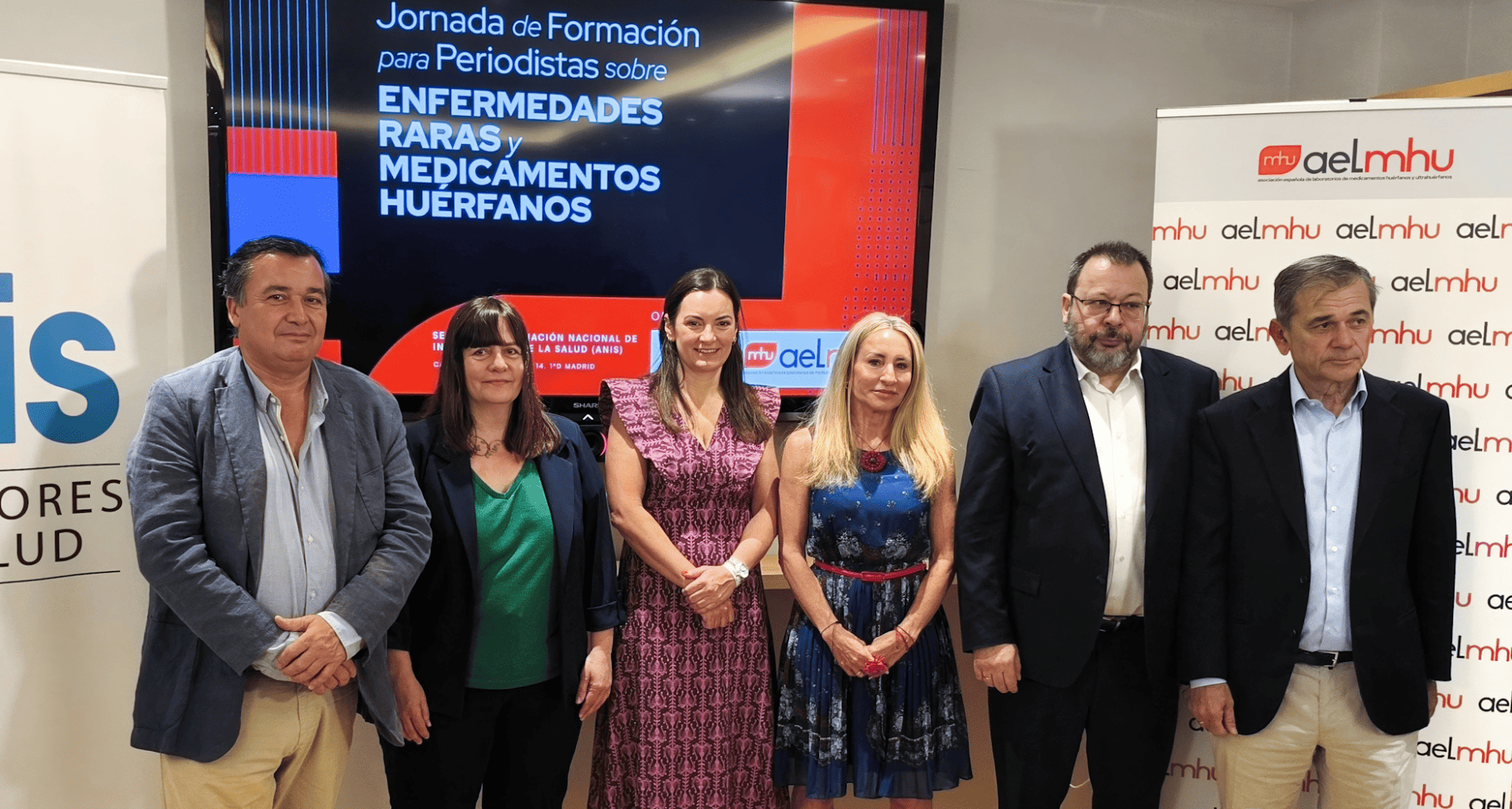
The National Association of Health Reporters (ANIS) and the Spanish Association of Orphan and Ultra-Orphan Drug Laboratories (AELMHU) organized a new edition of the Training Workshop for Journalists on Rare Diseases and Orphan Drugs this Thursday.
The goal of this training, led by nationally renowned healthcare professionals, was to create a forum where healthcare journalists could gain a deeper understanding of rare diseases and orphan drugs. Specifically, the speakers provided an analysis of the current state of research, access, and funding for rare diseases and orphan drugs, as well as the challenges still facing patients.
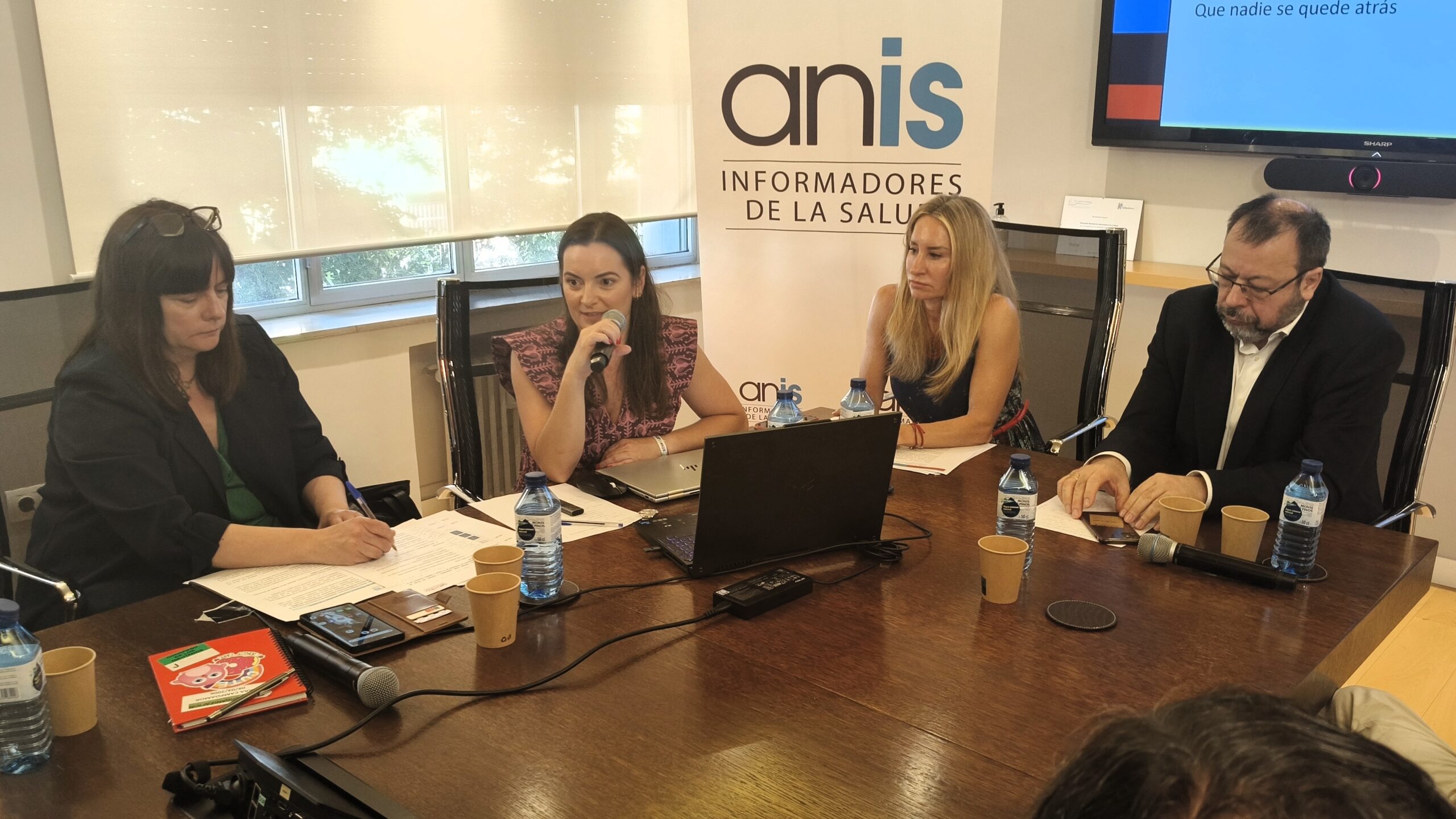
At the event, which took place at ANIS headquarters in a hybrid format, the moderator, Susana Fernández Olleros, vice president of ANIS, emphasized the importance of “specialization” among journalists, as they are “a key figure in the news cycle.”
In this context, he discussed the findings of the “ANIS 2026 Report: Health Misinformation in Spain,” which shows that misinformation can cause confusion and directly impact patients’ decision-making, their adherence to treatments, and their relationship of trust with healthcare professionals. “For this reason, this training is important to us, because it brings us up to date on legislation, orphan drugs, clinical trials, and so on, ” he noted.
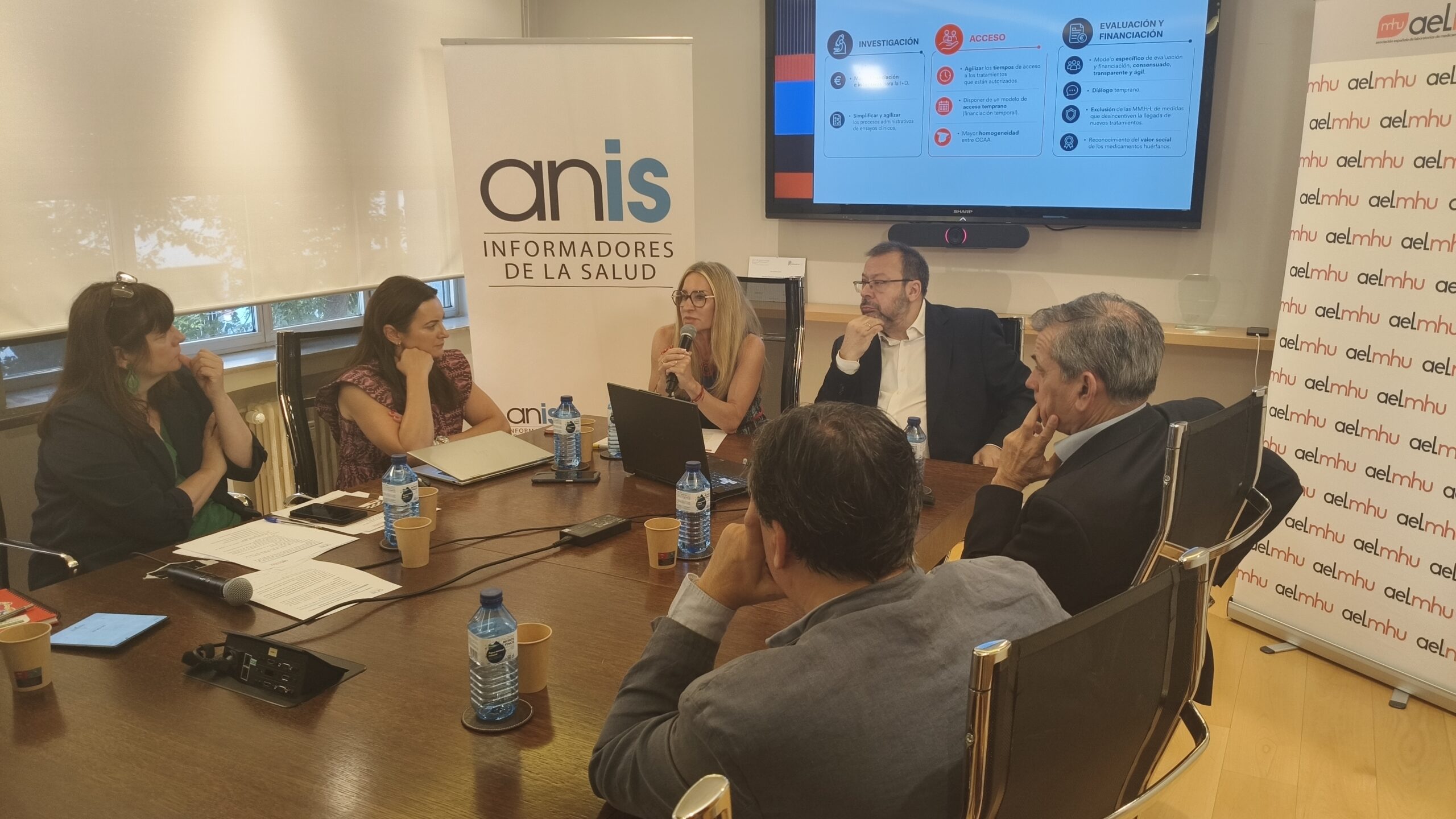
Next, Beatriz Perales, president of AELMHU, analyzed the current situation regarding rare diseases and orphan drugs in Spain, discussed some of the main challenges that remain, and highlighted the important role that pharmaceutical companies play in this area.
In this regard, he noted that there are currently more than 200 companies worldwide conducting research on rare diseases, and that the pharmaceutical industry drives 98% of research on these conditions in Spain, as shown in the 2025 Report on Clinical Trials for Rare Diseases in Spain, published by AELMHU in May.
Access to Orphan Drugs in Spain
Next, the president of AELMHU presented to reporters the data from the Report on Access to Orphan Drugs for the first four months of 2026, with figures updated as of April 30, which reveals that three orphan drugs were funded in our country during the first four months of the year.
The report also shows that the average waiting time from when an orphan drug receives its National Code until it is covered by the National Health System (SNS) is 22 months, a figure slightly lower than that of 2025 (23 months). However, so far this year, the total number of unfunded treatments has increased, rising from 31 at the end of the year to 35 in the first four months of 2026.
“The data show that progress has been made in recent years—such as a reduction in average funding times—but they also highlight that significant challenges remain in ensuring that innovations reach patients when they need them. Therefore, we must continue to move toward a more streamlined, predictable, and consistent access system that reduces wait times and ensures the availability of orphan drugs for all patients, especially those who have no other treatment options,” said the president of AELMHU.
Research and Access to Innovation: The Major Challenges in Rare Diseases and Orphan Drugs
During the event, Dr. Juan Antonio Bueren Roncero, director of the Biomedical Innovation Unit at the Center for Energy, Environmental, and Technological Research (CIEMAT), shared his perspective on the current state of gene therapies in the field of rare diseases, highlighting the impact these innovative treatments are having on conditions that, until a few years ago, had no therapeutic alternatives.
He also addressed the challenges related to the accessibility and sustainability of these types of treatments, analyzing possible solutions to ensure that these innovative treatments reach everyone who needs them.
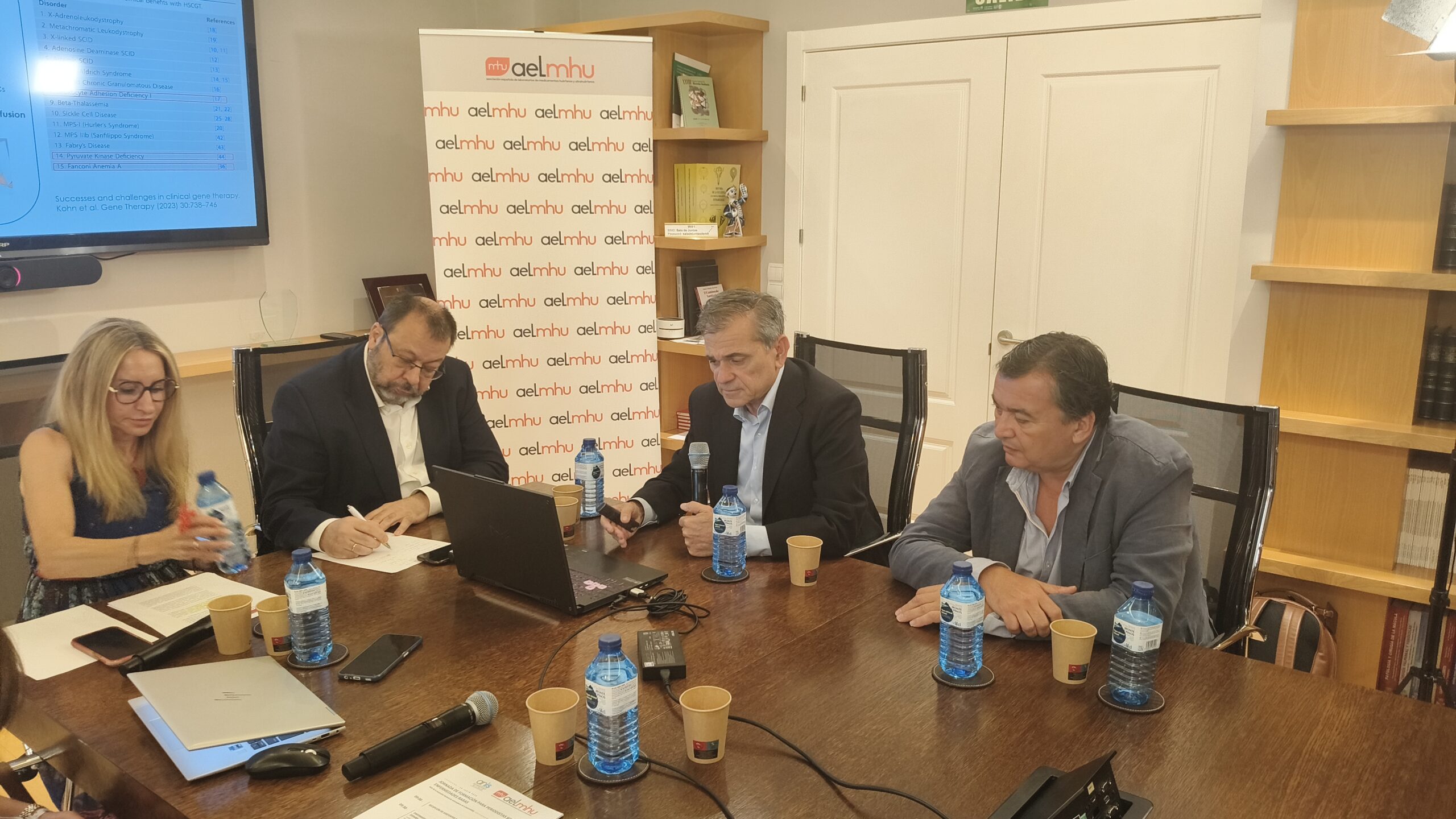
César Hernández, Director General of the Common Portfolio of Services for the National Health System (SNS) and Pharmacy at the Ministry of Health, has examined this very challenge in depth . He analyzed the challenges posed by the incorporation of innovative therapies for rare diseases into health care systems—a process that “requires balancing rapid patient access with the efficient management of public resources.”
In this regard, he noted that striking this balance is one of the main challenges in ensuring the system’s sustainability while also meeting patients’ needs;“This is a challenge of a social nature, rather than strictly a health issue. We must continue to encourage the development of ever-better alternatives to address the full spectrum of rare diseases, with the aim of leaving no one behind.”
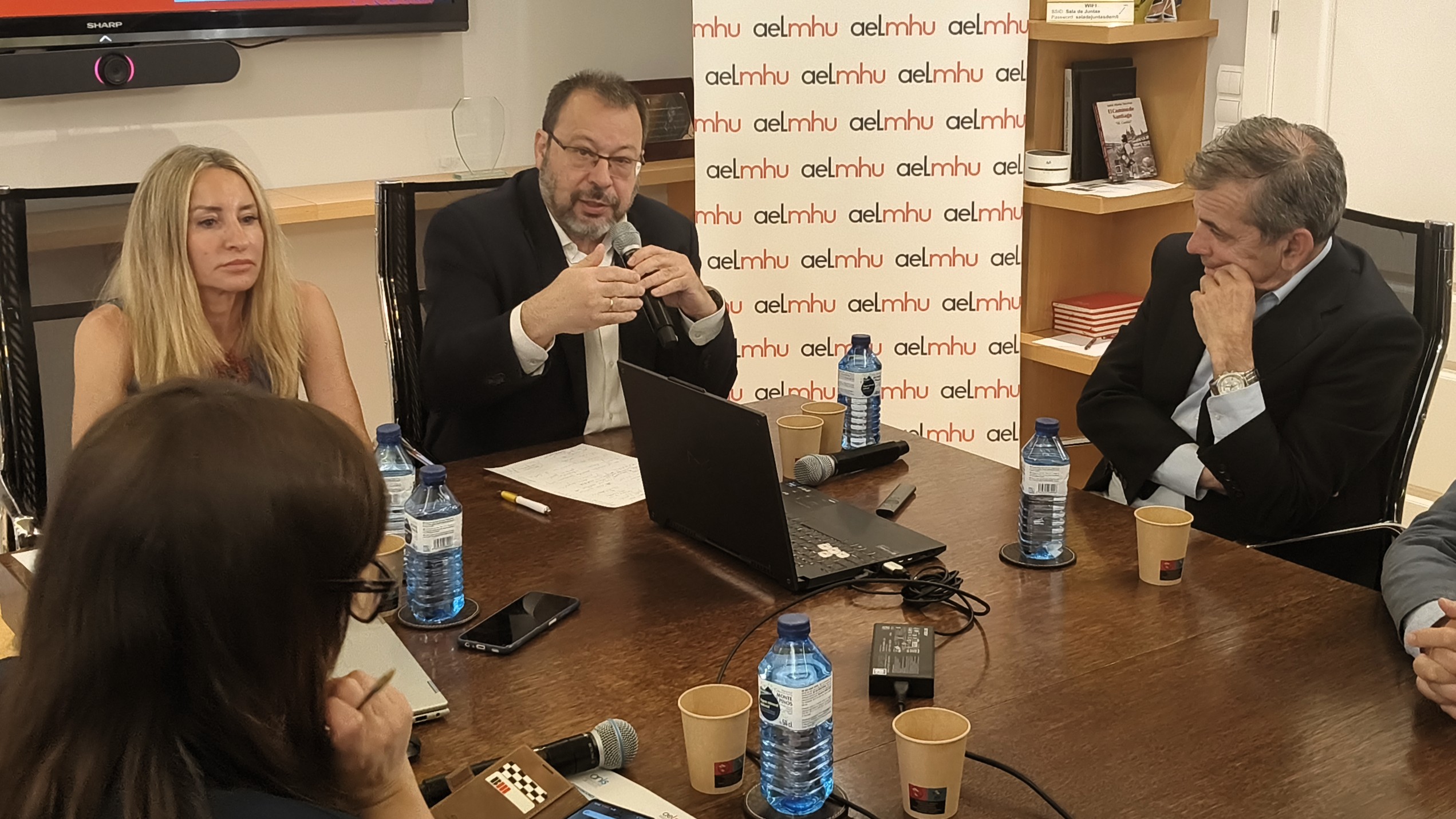
Along the same lines, Álvaro Hidalgo, professor and director of the Health Economics and Health Management Research Group at the University of Castilla-La Mancha (UCLM), focused his remarks on the social and economic impact of rare diseases and on the need to incorporate this perspective into decision-making regarding access to treatments.
In this regard, he stated that “access to orphan drugs is an investment, not an expense”, emphasizing that the benefits of these treatments extend beyond the clinical setting and have an impact on patients’ quality of life, independence, and the well-being of their families. “Thinking only in the short term costs us dearly; what is truly costly is not treating patients, ” he concluded.
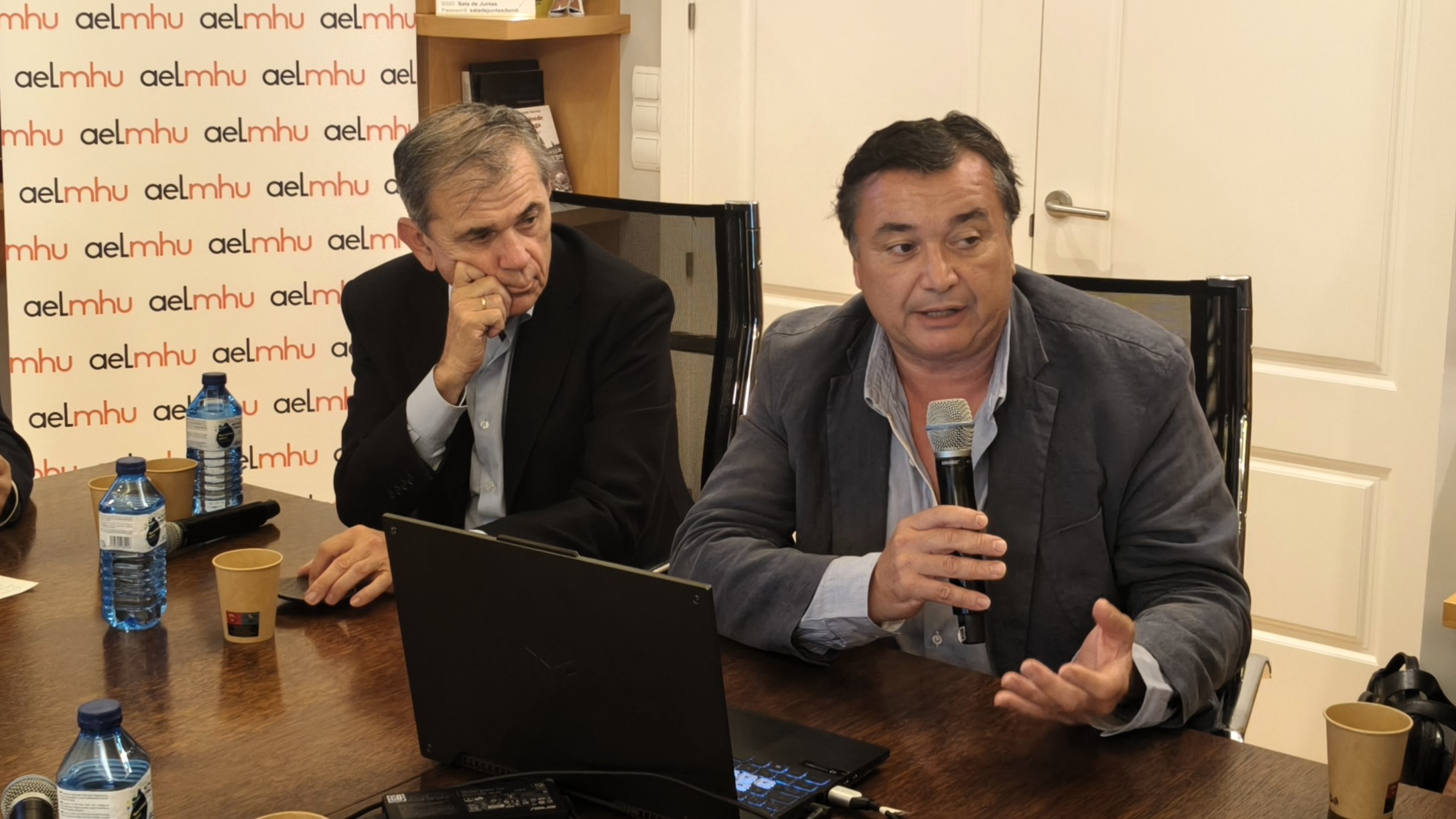
The event concluded with a reflection on the importance of communicating these challenges and advances to society through accurate and specialized reporting. In this context, Isabel Motero, director of the Spanish Federation for Rare Diseases (FEDER), emphasized the vital role that the media plays in improving public knowledge and raising awareness about rare diseases.
“The media are essential allies in making progress on rare diseases. Their work helps raise awareness of, among other things, the challenges of equity and coordination that millions of people and families in our country still face, by highlighting the stories behind every need and every breakthrough,” said the director of FEDER.