
Conference on Advanced
Therapies
AELMHU
4th"
" Conferenceon Advanced Therapies for Rare Diseases
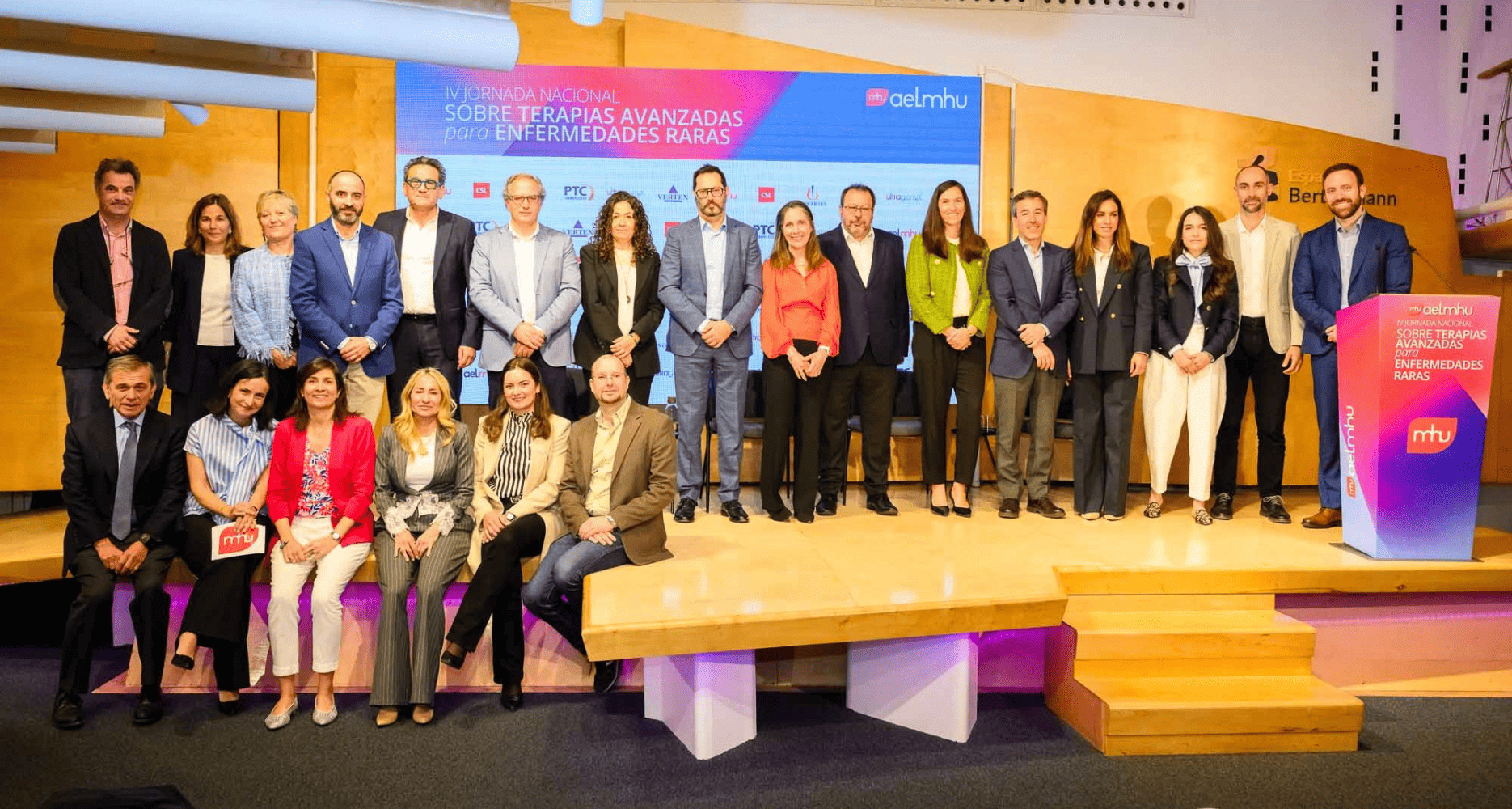
Advanced therapies for rare diseases require a comprehensive approach that goes beyond the healthcare sector
- Greater flexibility in access, more research, better data management, a commitment to public-private partnerships, and the sharing of best practices among autonomous communities are among the challenges that remain
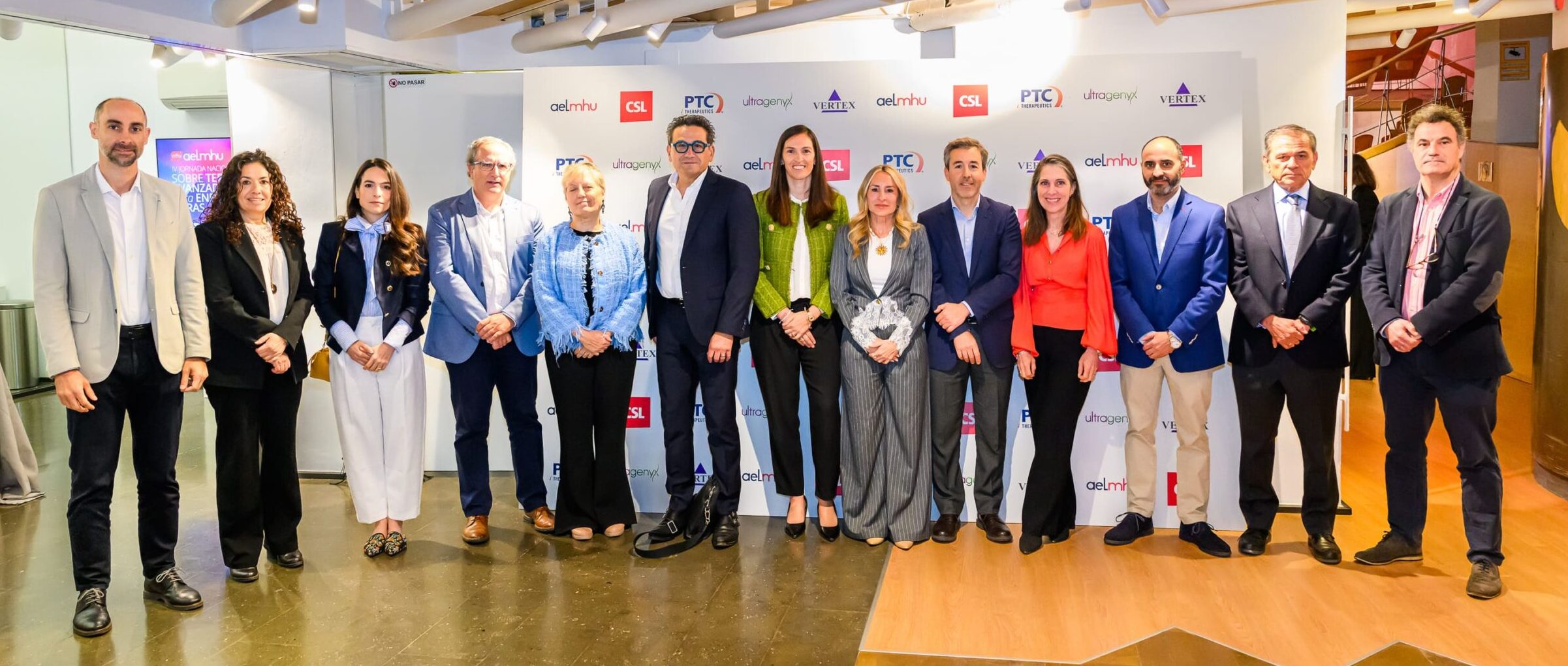
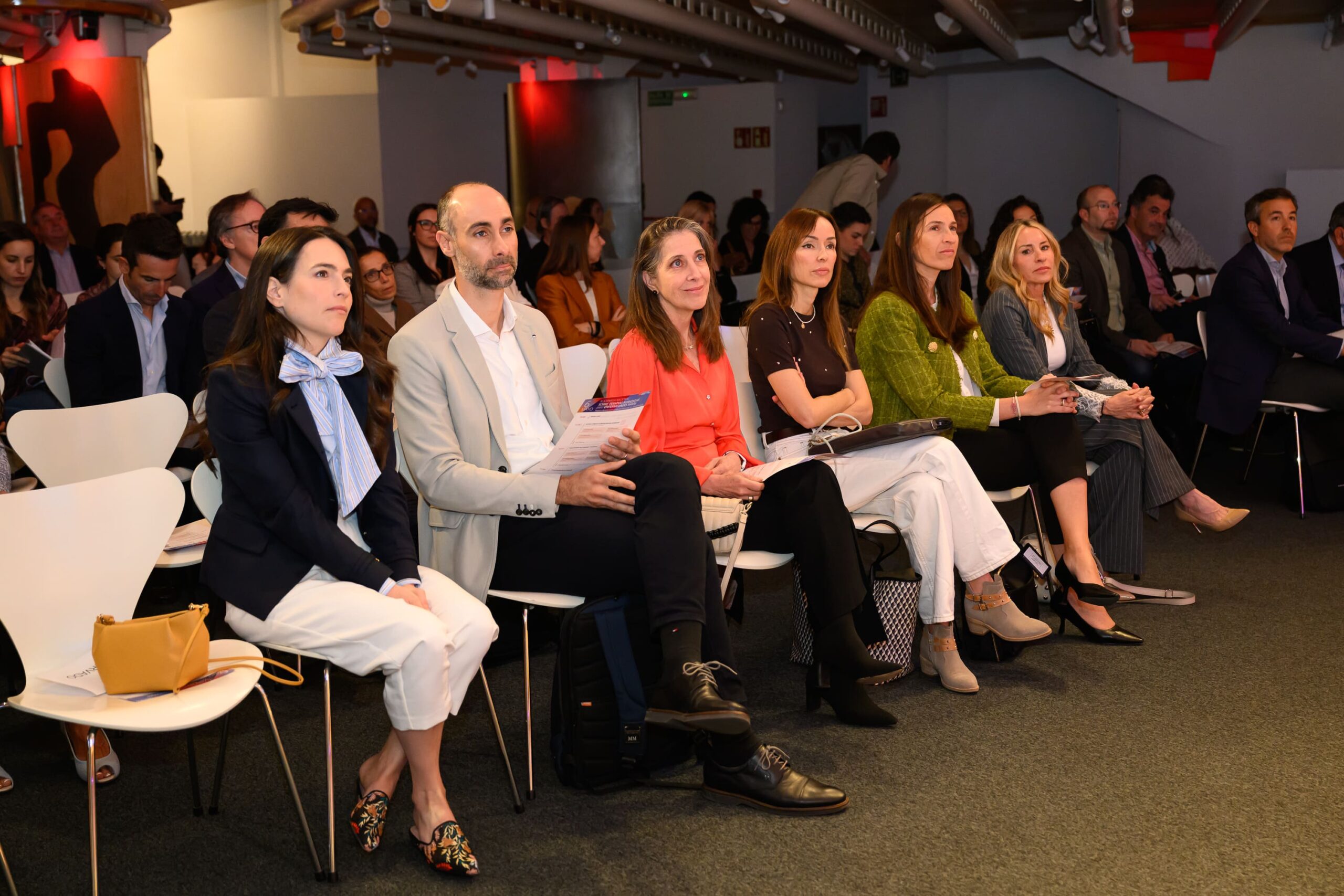
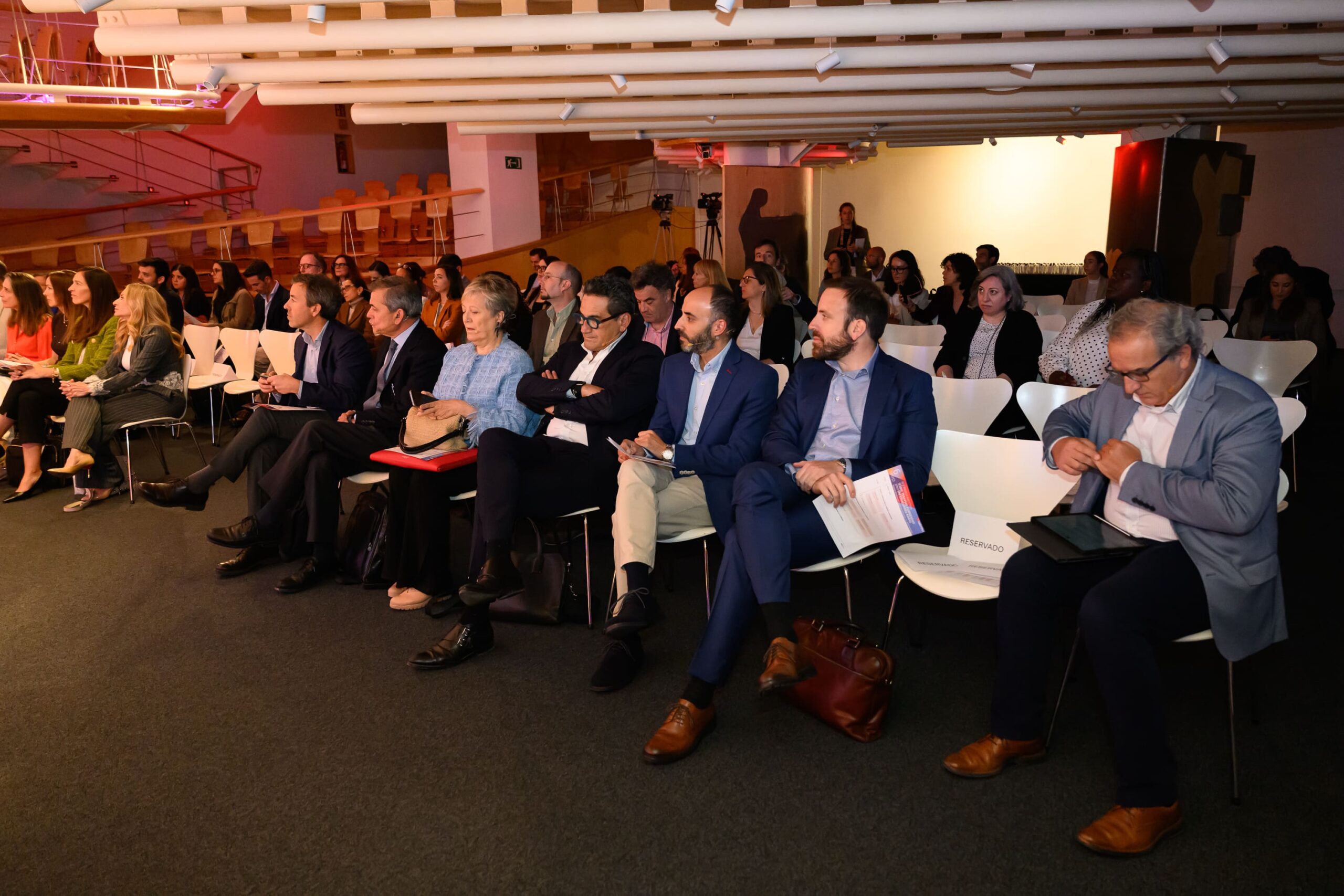
TheSpanish Association of Laboratories for Orphan and Ultra-Orphan Drugs (AELMHU) has highlighted the need for acomprehensive approach to advanced therapies for rare diseases duringits4th National Conference on Advanced Therapies, an event that brought together experts, researchers, clinicians, patient associations, and representatives from national and regional government agencies.
During the event, participants agreed that the development of and access to these therapies requiresa coordinated strategy that goes beyond the strictly healthcare sector and also integrates scientific, industrial, economic, and social aspects.
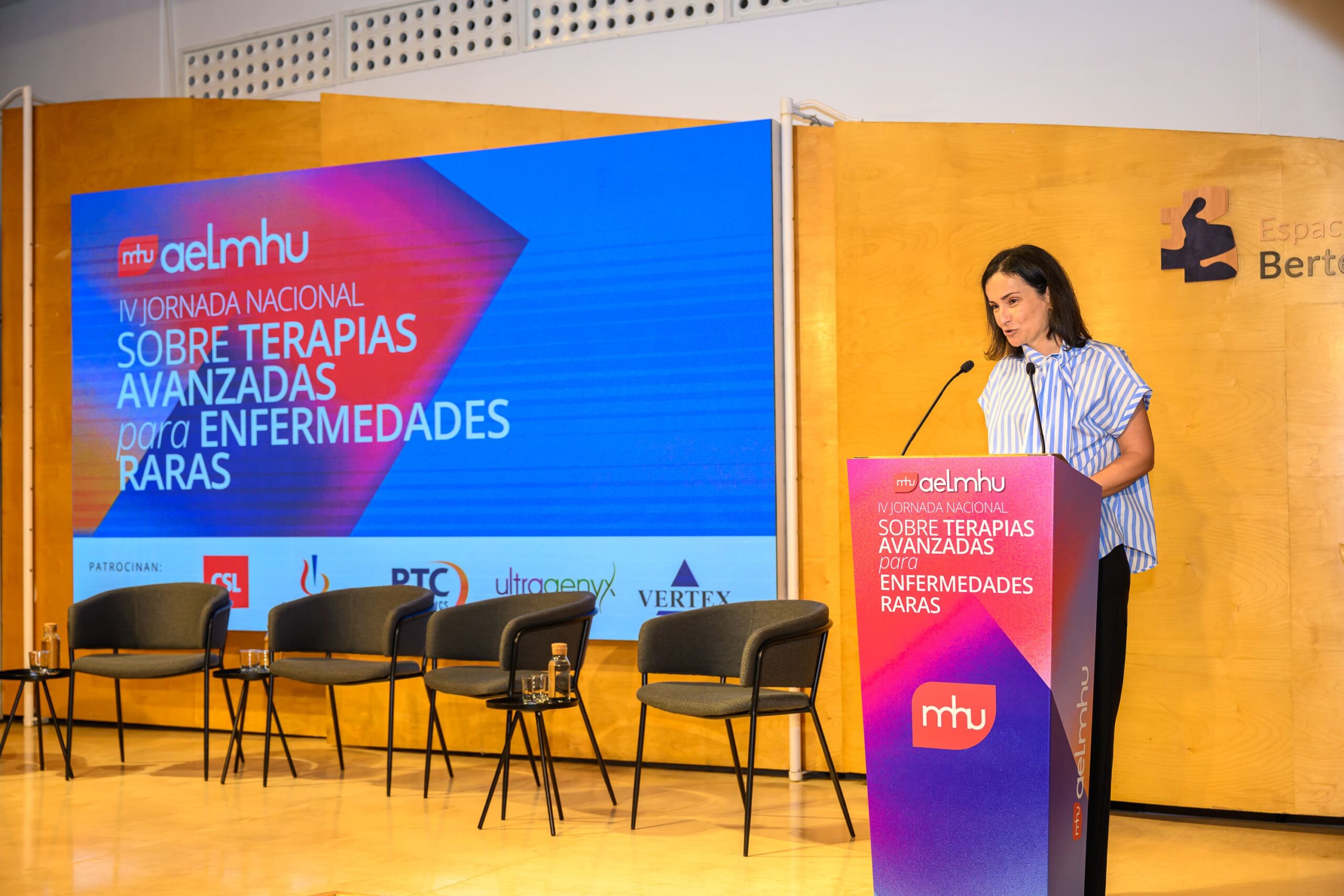
The event, organized in collaboration withCSL, Novartis, PTC Therapeutics, Ultragenyx Pharmaceutical, and Vertex, was opened by AELMHU PresidentBeatriz Perales, who emphasized that advanced therapies“are redefining the natural history”of many rare diseases and, in many cases, offering the first treatment option for patients.
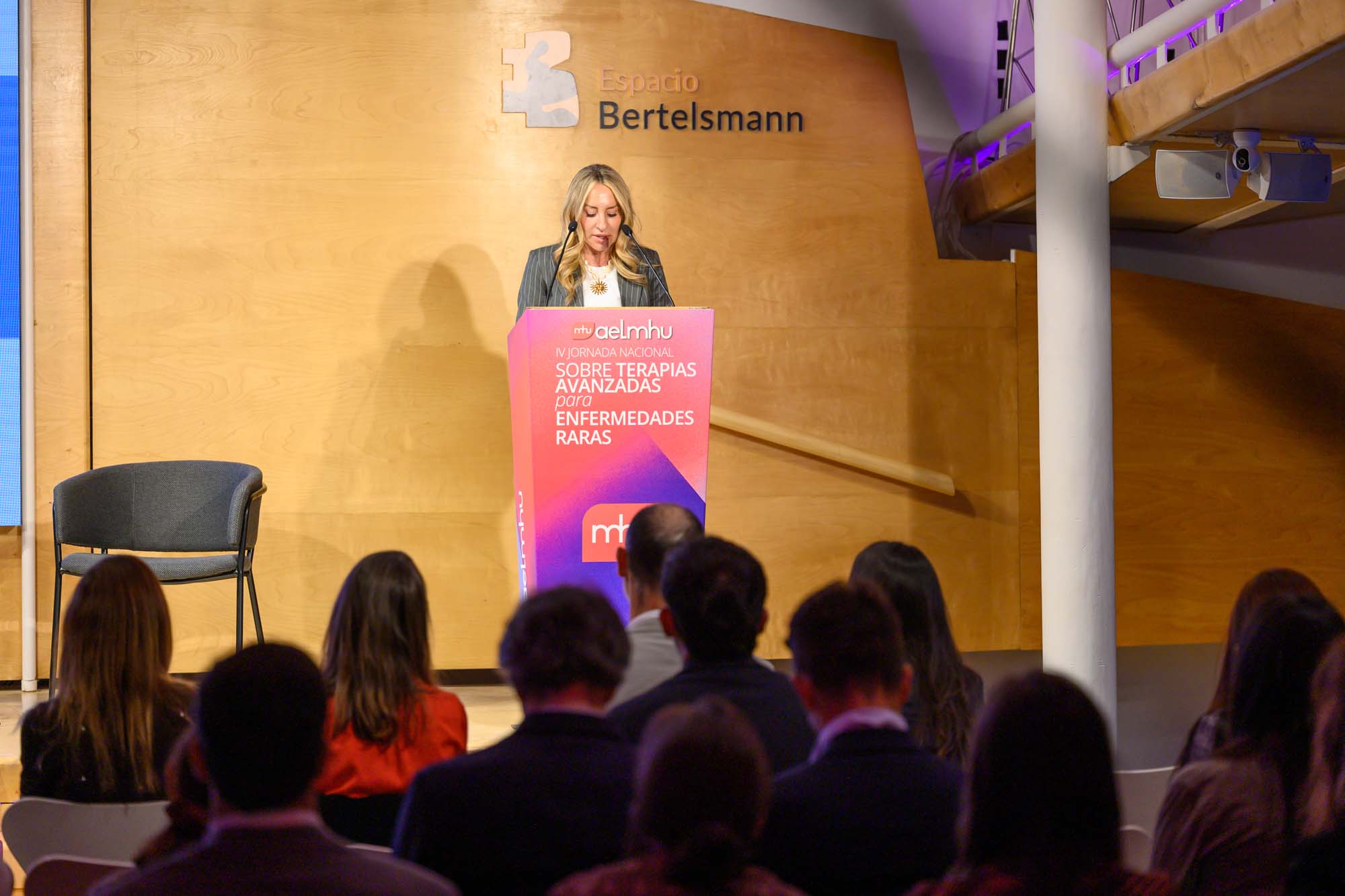
In this context, Perales noted that, although the National Health System’s (SNS) Advanced Therapies Plan represents a significant step forward, it needs to be better tailored to the specific characteristics of rare diseases. Among the priorities, he mentioned the promotion of specific funding mechanisms, more streamlined evaluation procedures, and greater public-private collaboration.
“We needa clear and ambitious roadmap that can anticipate the growth of these therapies and prepare the healthcare system to ensure that innovation reaches patients effectively and equitably,” he said.
The Role of Patients and Health Assessment
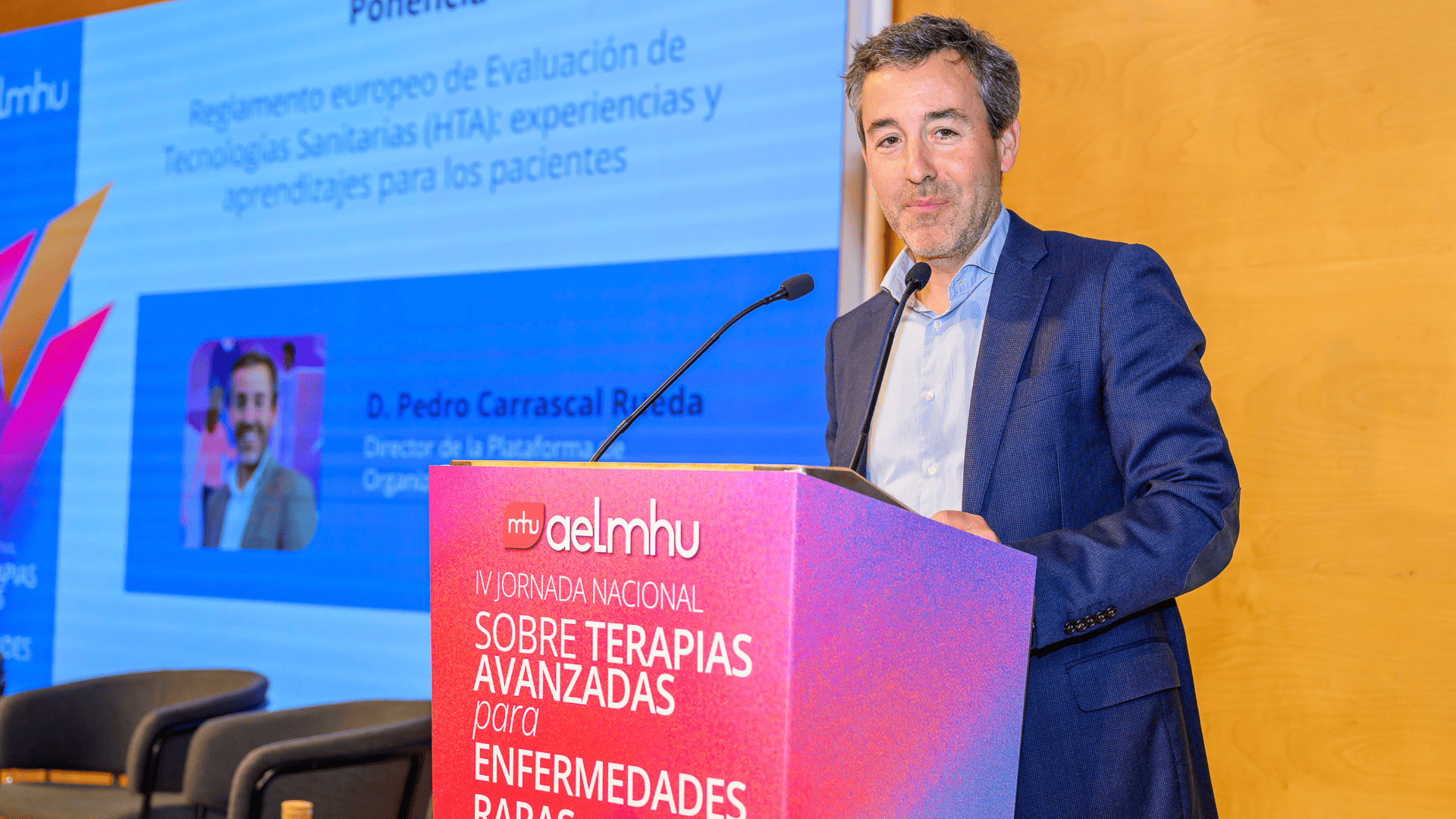
The event also featured a presentation byPedro Carrascal, director of the Platform of Patient Organizations (POP), focusing on patients’ experiences with theEuropean Regulation on Health Technology Assessment (HTA).
As he explained, the work of patient organizations has ensured that the perspectives of those affected are represented in a“more useful, understandable, and structured” wayin health assessment processes.
Research, Collaboration, and Leadership in Clinical Trials
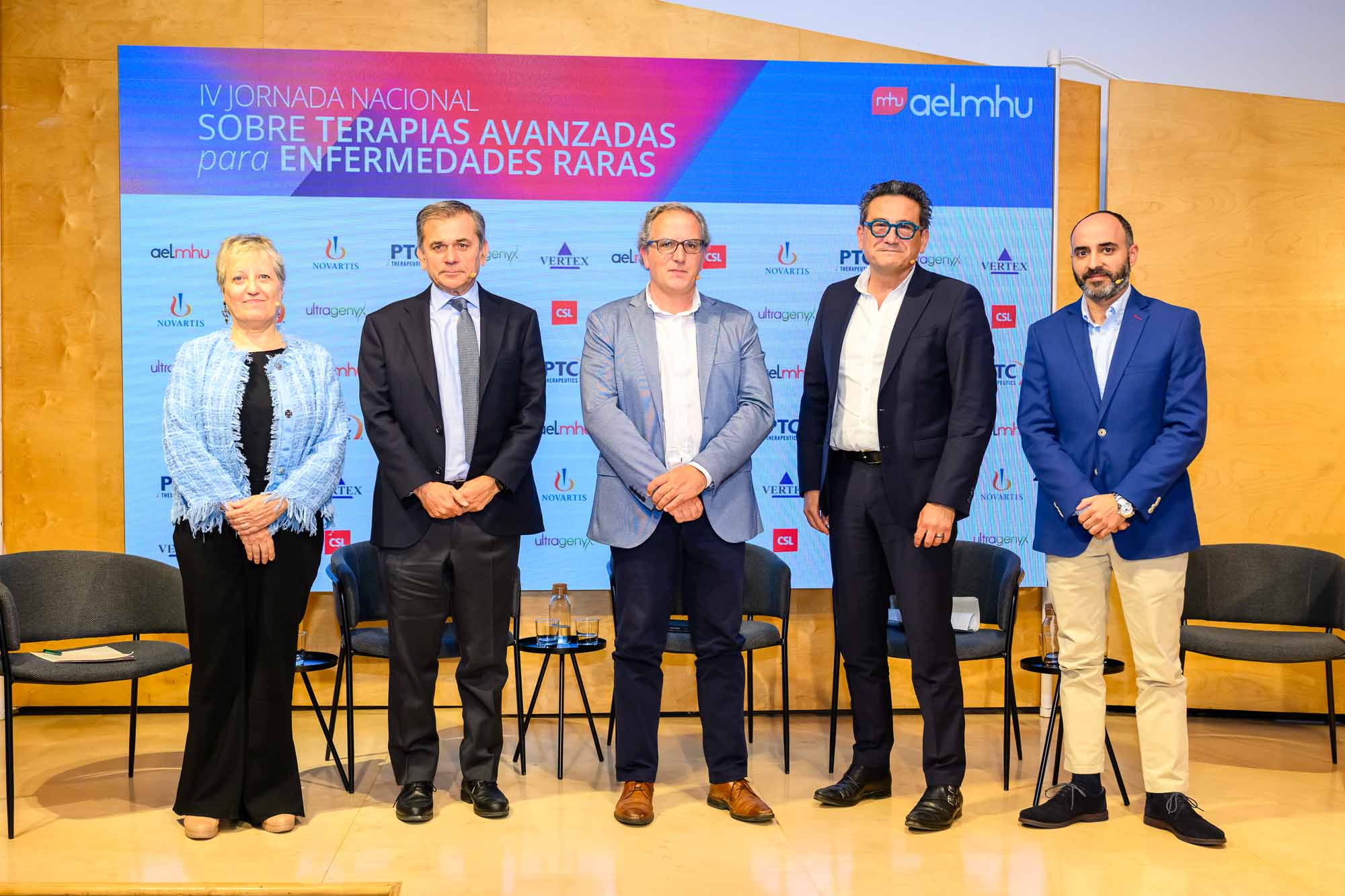
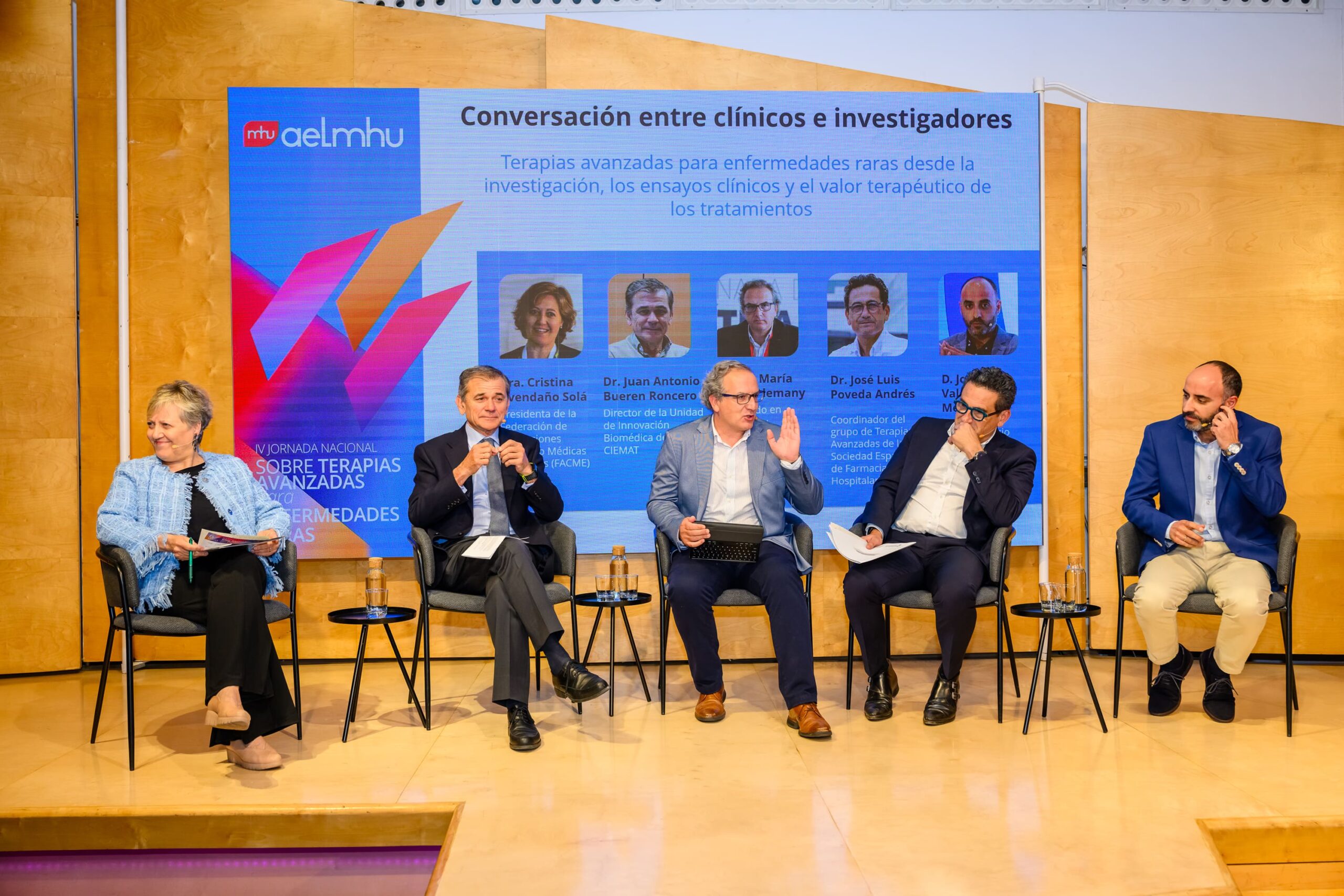
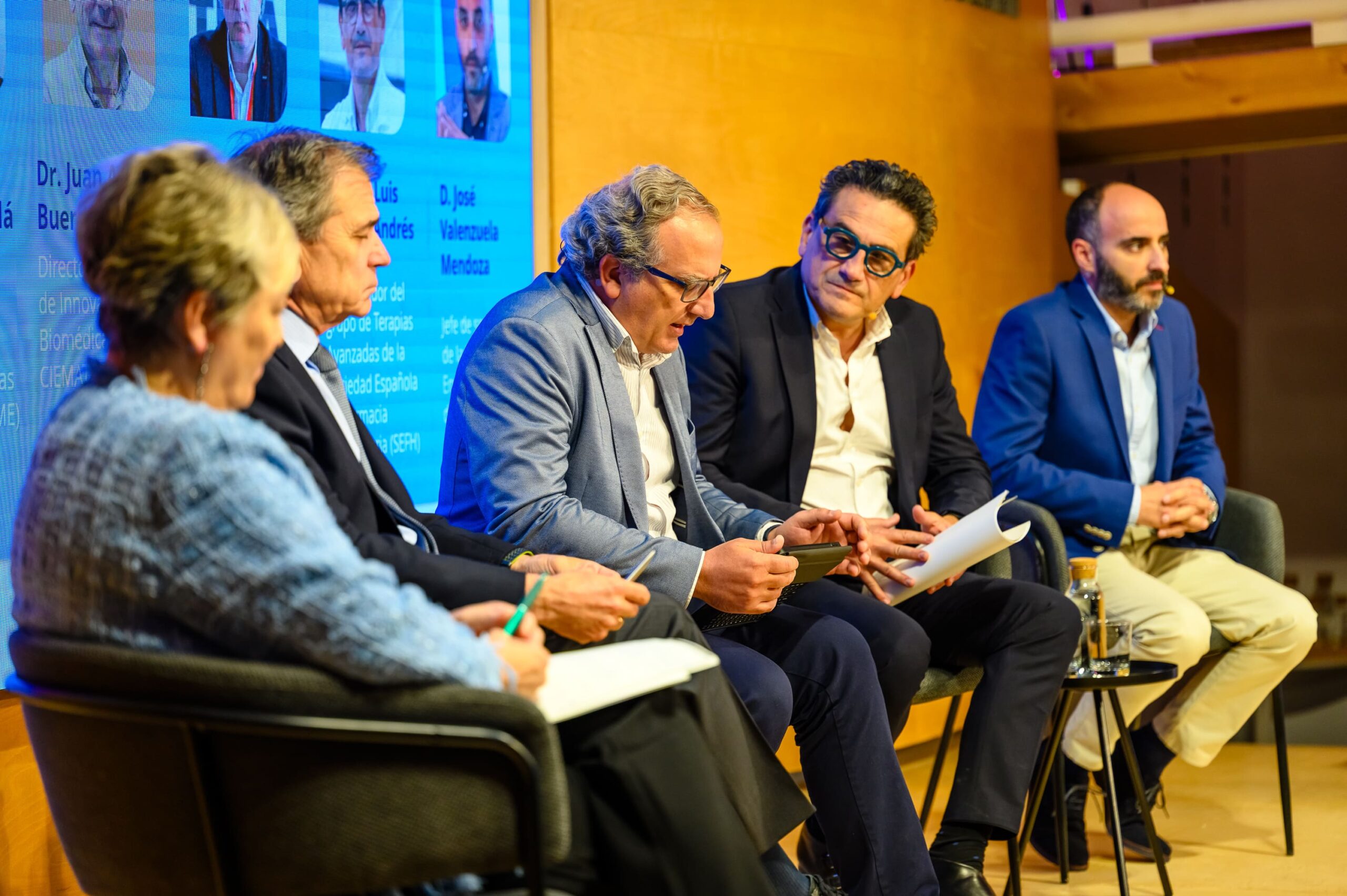
One of the central discussions of the conference addressed the relationship between research and clinical practice in the field of advanced therapies. The panel included Cristina Avendaño, president of the Federation of Spanish Scientific-Medical Associations (FACME); Juan Antonio Bueren, director of the Biomedical Innovation Unit at the Center for Energy, Environmental, and Technological Research (CIEMAT); José Luis Poveda, coordinator of the Advanced Therapies group at the Spanish Society of Hospital Pharmacy (SEFH); and José Valenzuela, head of the Clinical Trials Division at the Spanish Agency for Medicines and Health Products (AEMPS).
Experts have agreed that Spain has made significant progress in advanced therapies for rare diseases, although they have emphasized the need to strengthen research and improve collaboration between clinicians and researchers.
They also called for greater public-private collaboration and better use of health data to optimize decision-making and strengthen Spain’s leadership in clinical trials.
Adapt the regulatory and funding framework
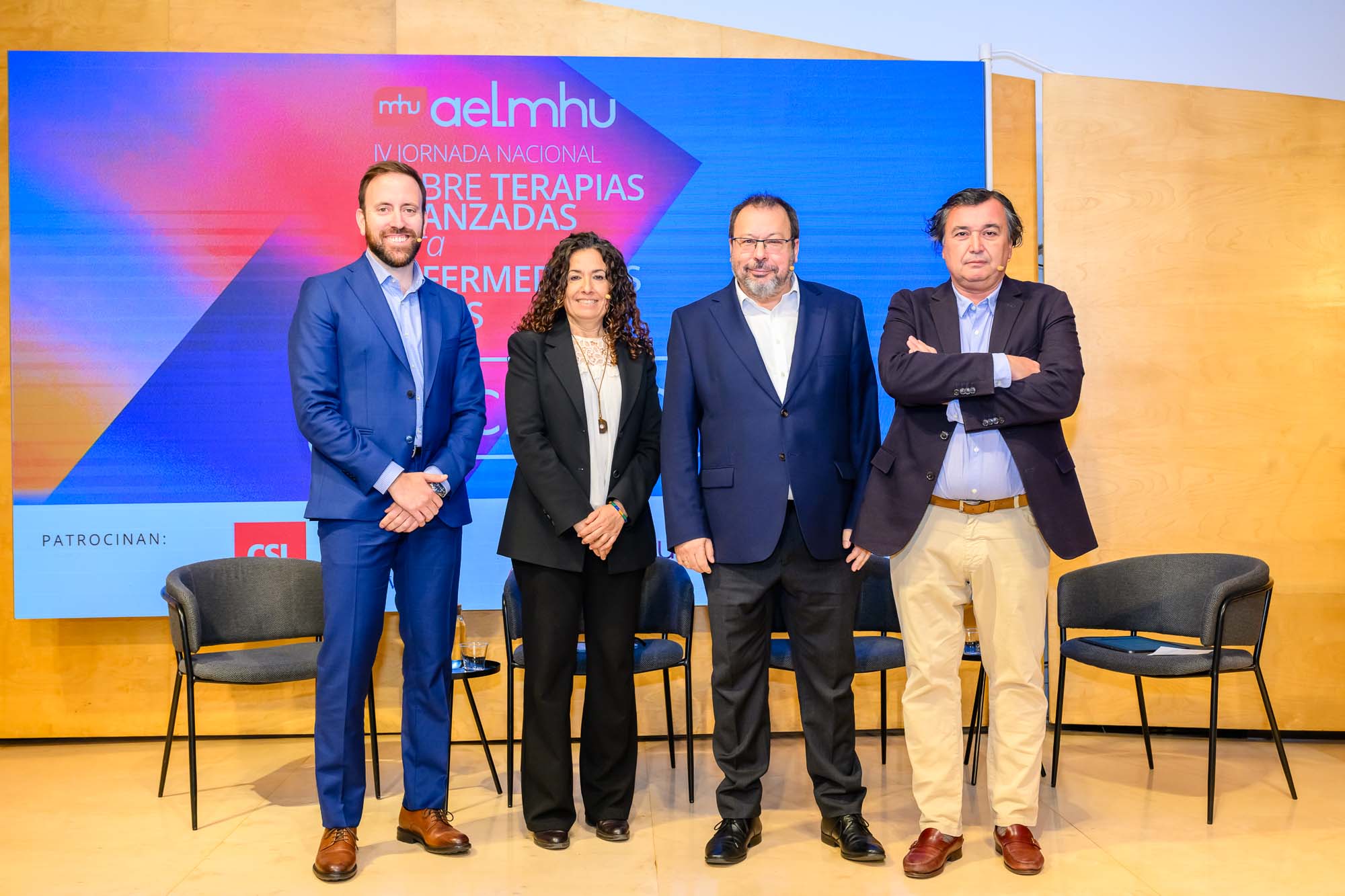
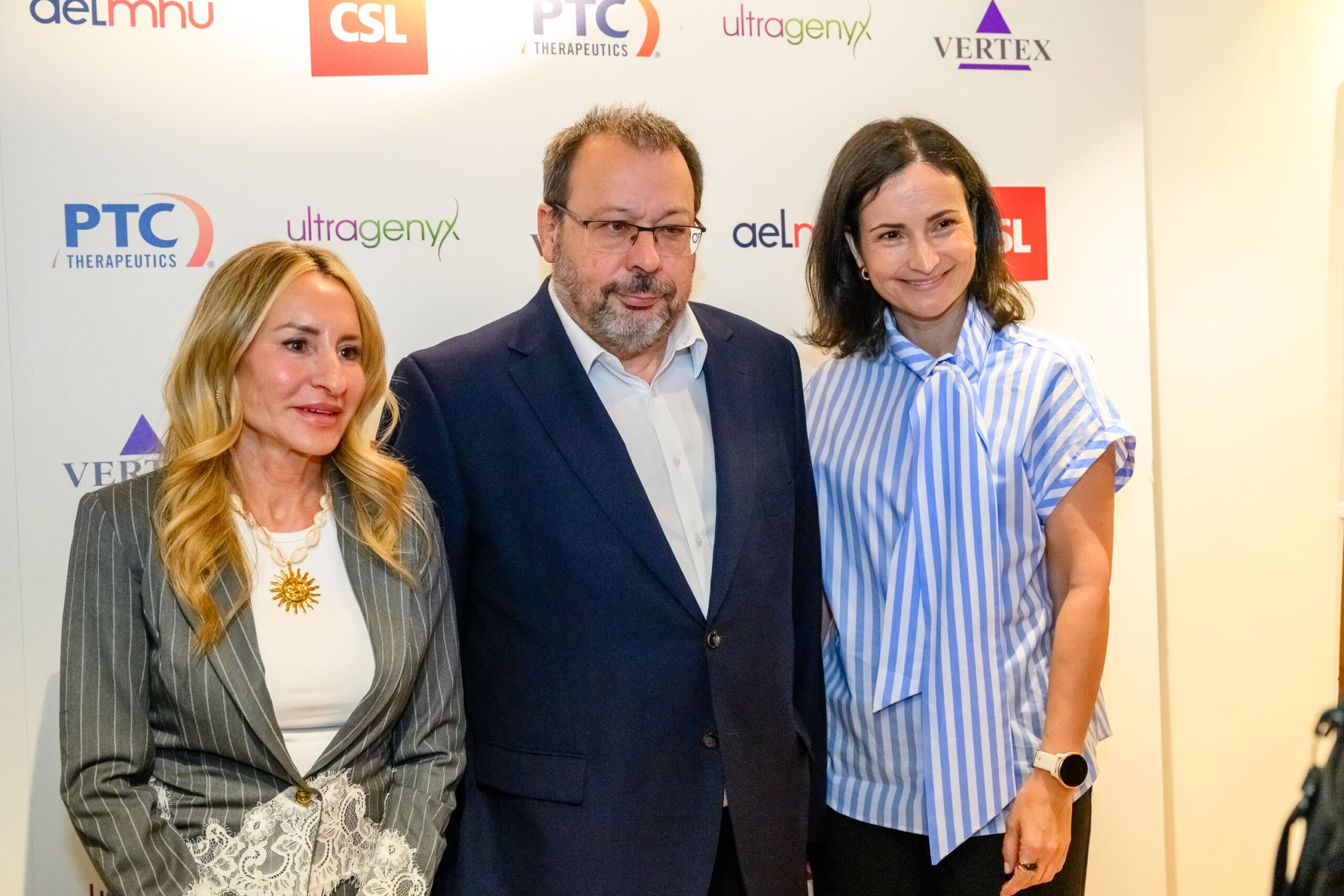
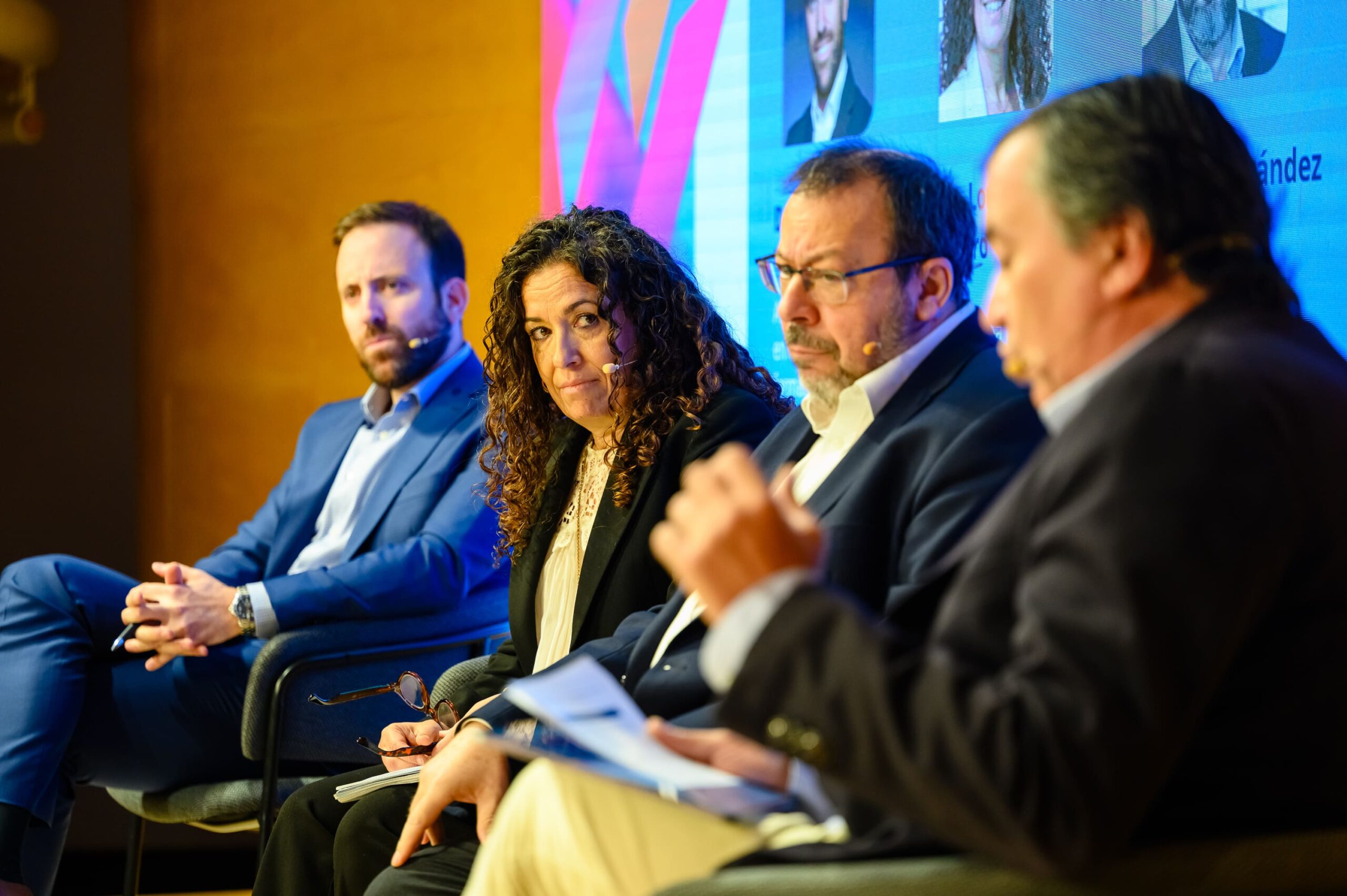
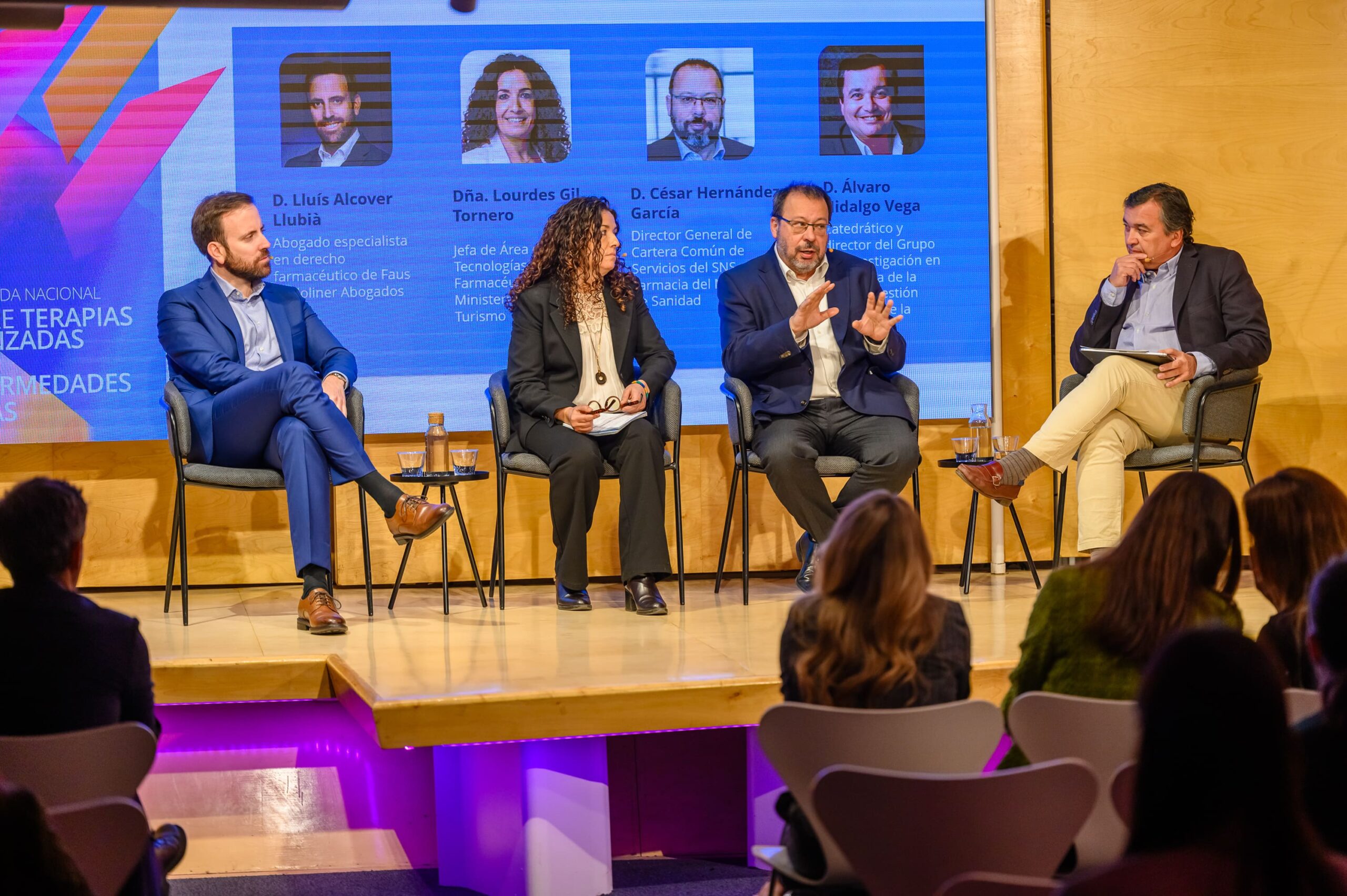
The second panel discussion focused on the challenges of access to and funding for advanced therapies. Moderated by Álvaro Hidalgo, professor and director of the Research Group on Health Economics and Health Management at the University of Castilla-La Mancha, the session featured Lluís Alcover, a lawyer specializing in pharmaceutical law at Faus Moliner; Lourdes Gil, head of the Pharmaceutical Technologies Division at the Ministry of Industry and Tourism; and César Hernández, Director General of the Common Portfolio of Services of the National Health System and Pharmacy at the Ministry of Health.
During the discussion, participants emphasized the need to adapt the regulatory and financial framework to respond more flexibly and predictably to the unique characteristics of these therapies. They also advocated for the creation of an ecosystem that integrates health and industrial policy and incorporates appropriate incentives to ensure the development of pharmaceutical innovation and its delivery to patients.
Coordination among autonomous communities
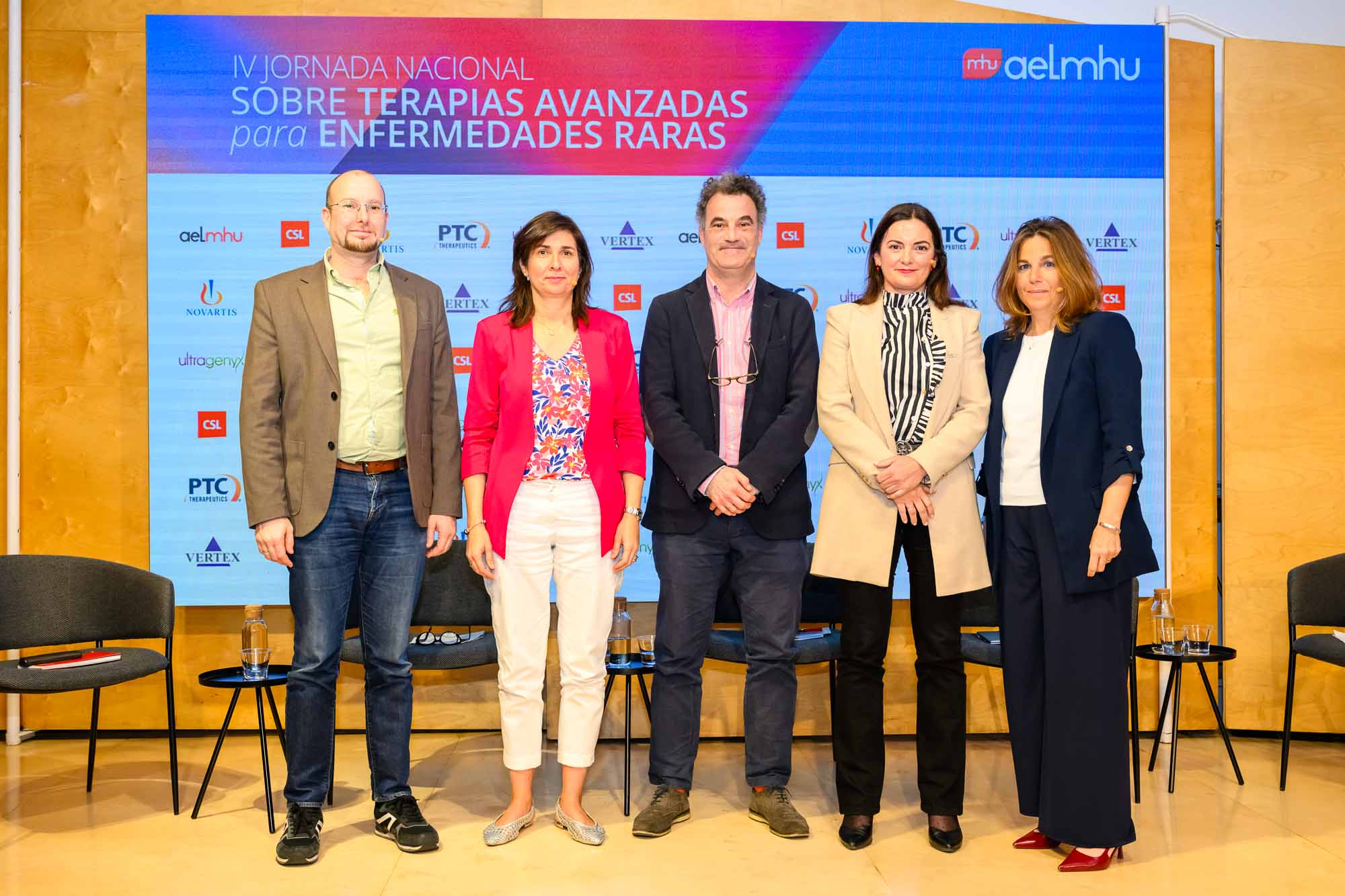
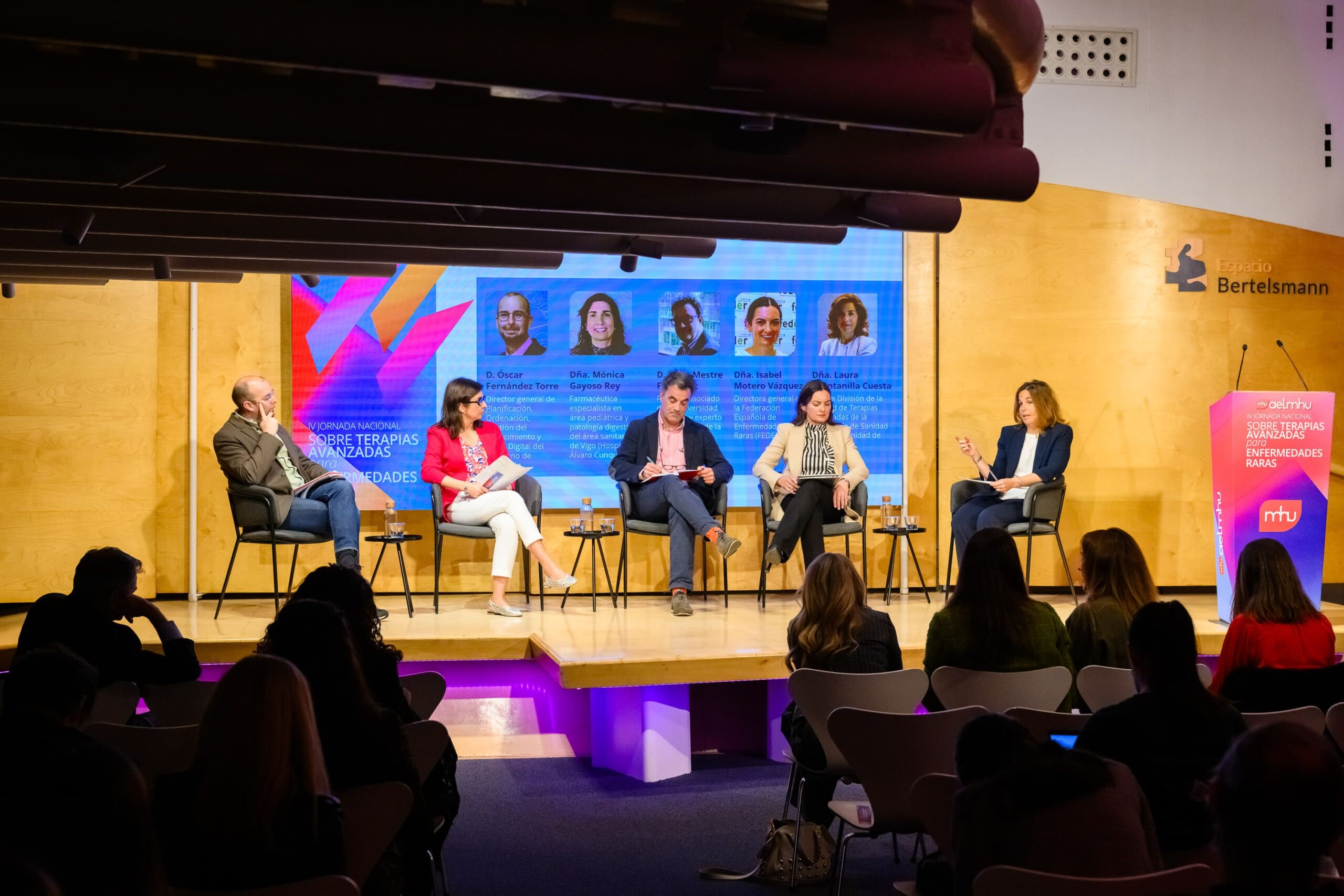
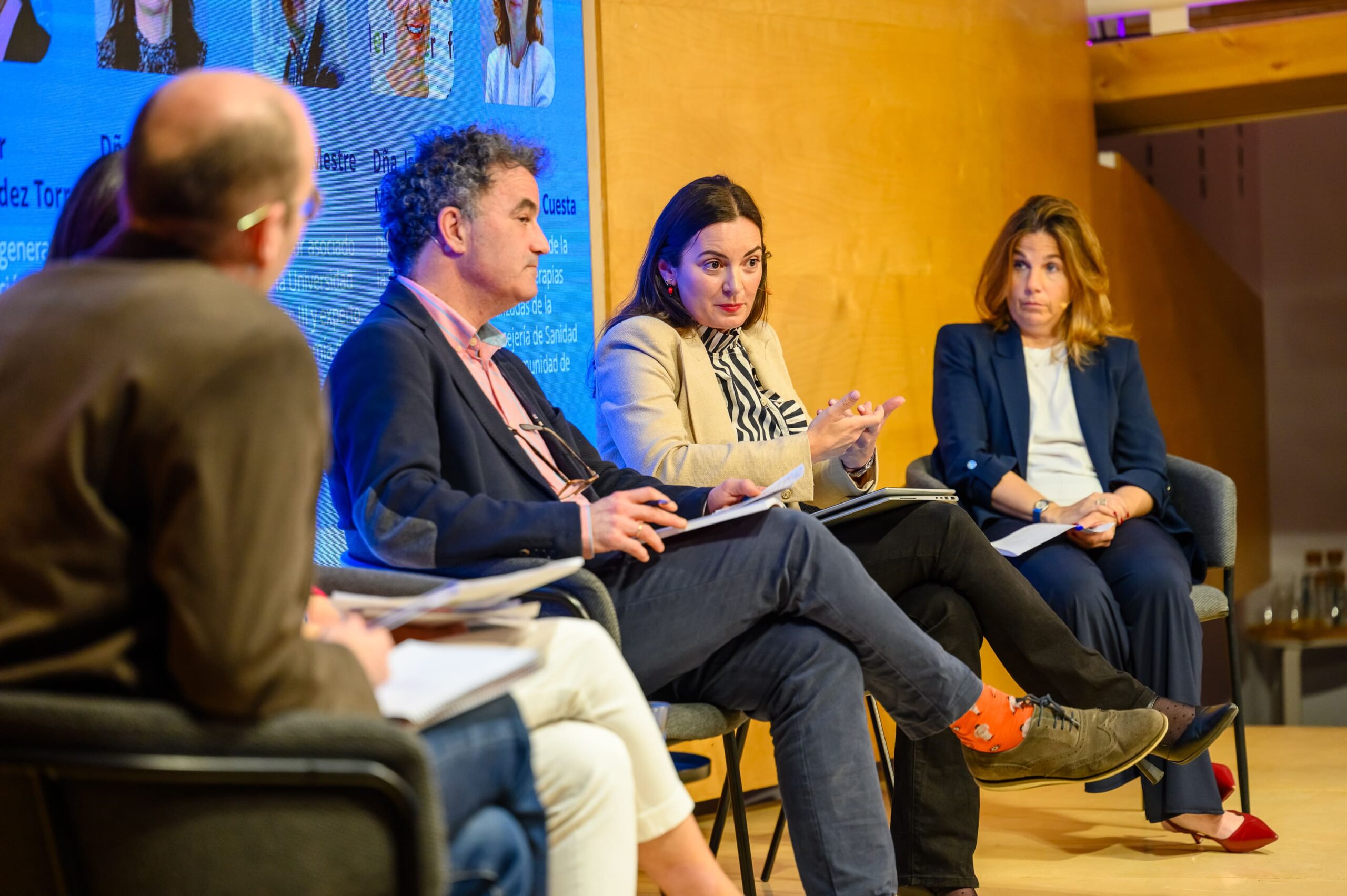
The day concluded with a panel discussion on the regional approach to advanced therapies in Spain, moderated by Jorge Mestre, an associate professor at Carlos III University and an expert in health economics.
Participants included Óscar Fernández, Director General of Planning, Zoning, Knowledge Management, and Digital Health for the Government of Cantabria; Mónica Gayoso, a hospital pharmacist at the Álvaro Cunqueiro Hospital in Vigo; Isabel Motero, Director General of the Spanish Federation for Rare Diseases (FEDER); and Laura Quintanilla, Head of the Advanced Therapies Unit at the Community of Madrid.
The participants agreed on the importance of sharing knowledge and coordinating protocols and structures among the various autonomous communities in order to move toward more consistent and equitable care throughout the country.
In addition, they have emphasized the role of digitalization and networking as key tools for building a more coordinated and patient-centered care model.
3rd National Conference on Advanced Therapies for Rare Diseases
The 3rd National Conference on Advanced Therapies for Rare Diseases, organized by the Spanish Association of Orphan and Ultra-Orphan Drug Laboratories (AELMHU), brought together experts from the healthcare sector with the aim of fostering an open and constructive dialogue on advances in the treatment of rare diseases in Spain.
The event was made possible thanks to sponsorship from Amgen, CSL Behring, PTC Therapeutics, Ultragenyx, and Vertex Pharmaceuticals, all of which are members of AELMHU.
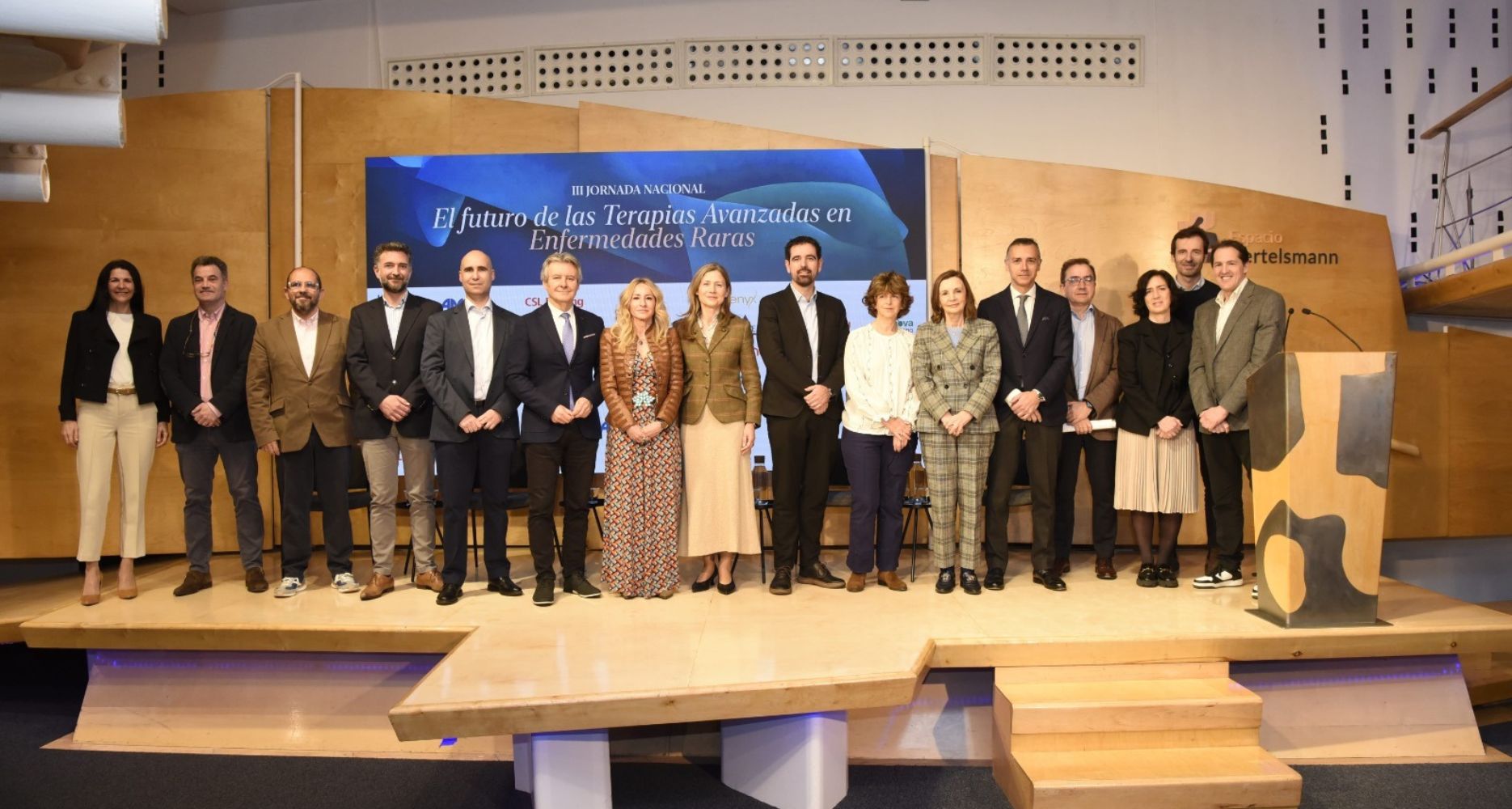
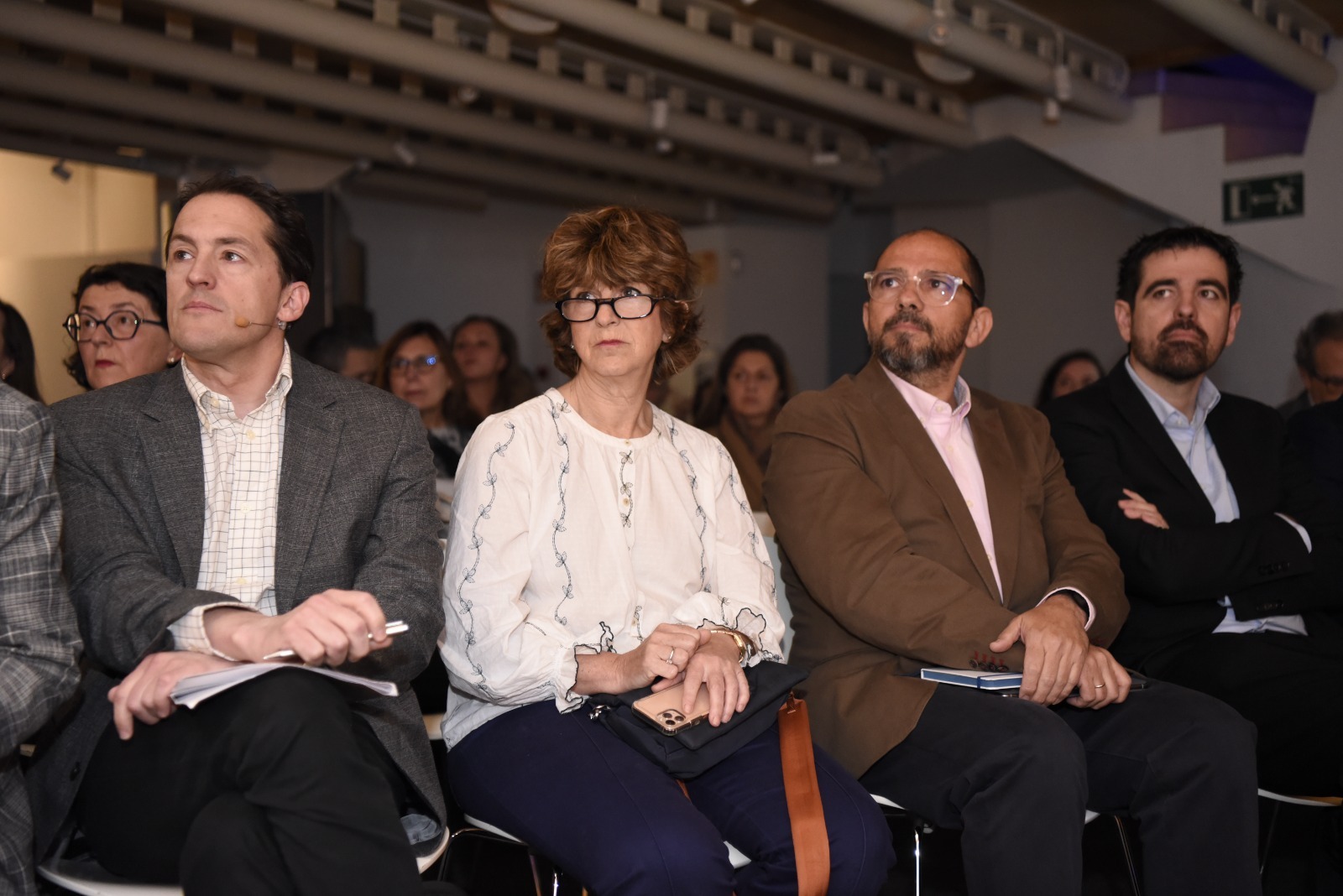
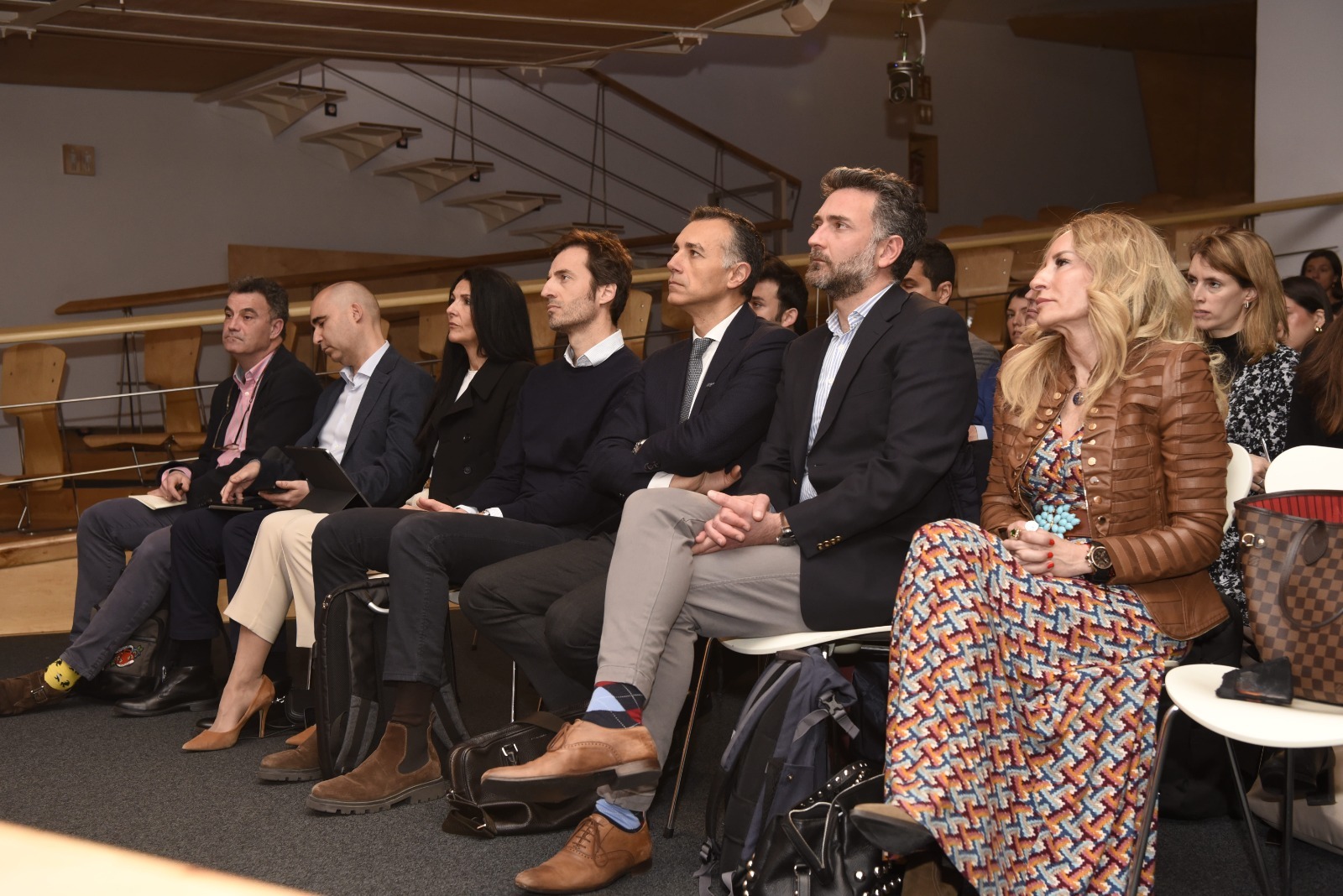
The event was attended by patients, clinicians, healthcare administrators, health economists, and representatives of the public administration, among others. All of them agreed on the importance of the therapeutic and social value of advanced therapies and the need to work together to improve the approach to rare diseases. This involves addressing the major challenges—at the European, national, and regional levels—related to diagnosis, research, development, funding, and access to these treatments.
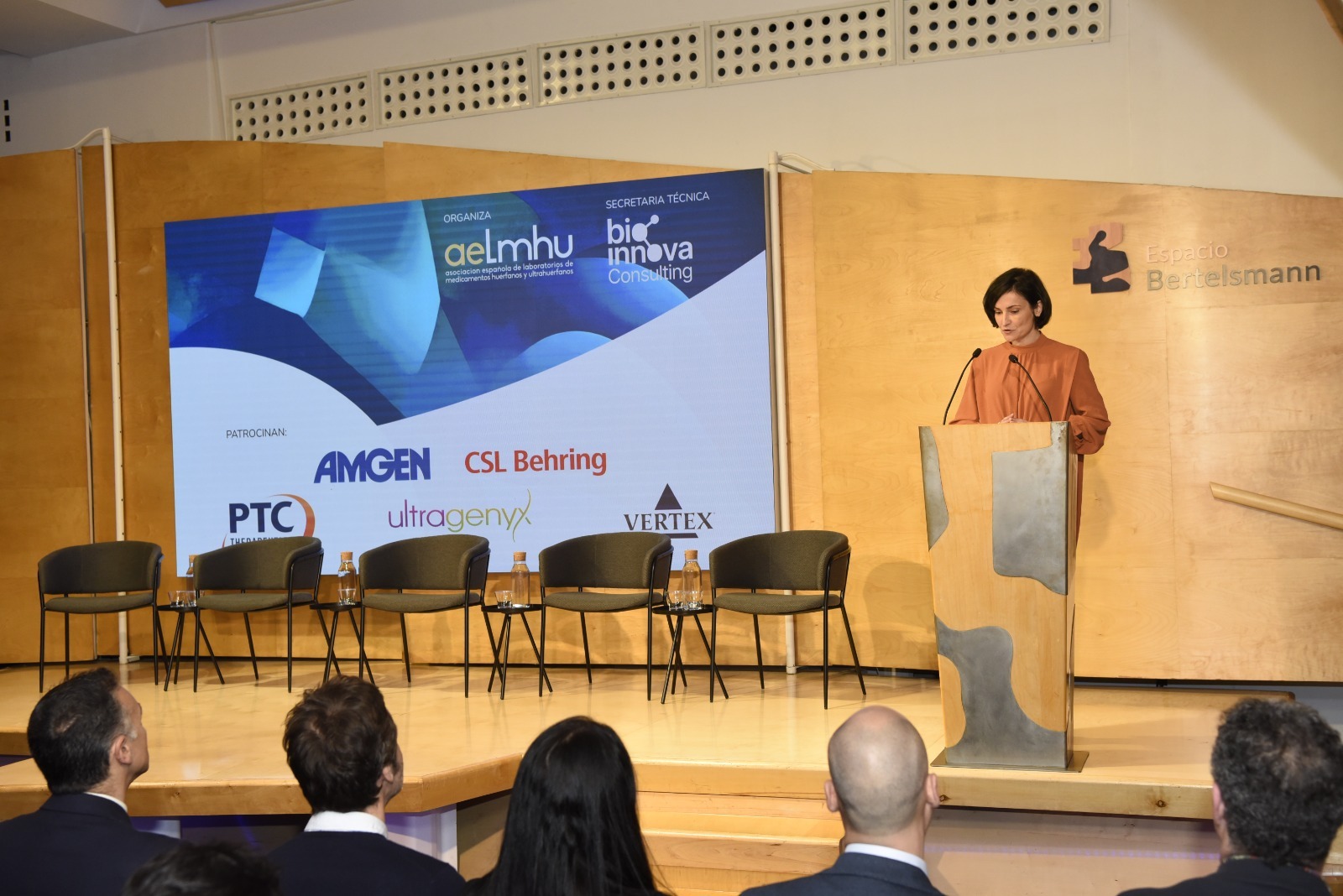
Beatriz Perales, president of AELMHU, opened the event and welcomed the participants. In her remarks, she emphasized that “this gathering demonstrates, once again, AELMHU’s firm commitment to working together and in collaboration on initiatives that help strengthen and advance research into rare diseases and the development of new therapies for them.” She also stated that advanced therapies represent a paradigm shift, which constitutes an unquestionable advance in the treatment of numerous rare and ultra-rare diseases. For this reason, she believed that “we must take the necessary steps to ensure that the healthcare system adapts to a scenario very different from the current one so that we can guarantee the medicine of the future.”
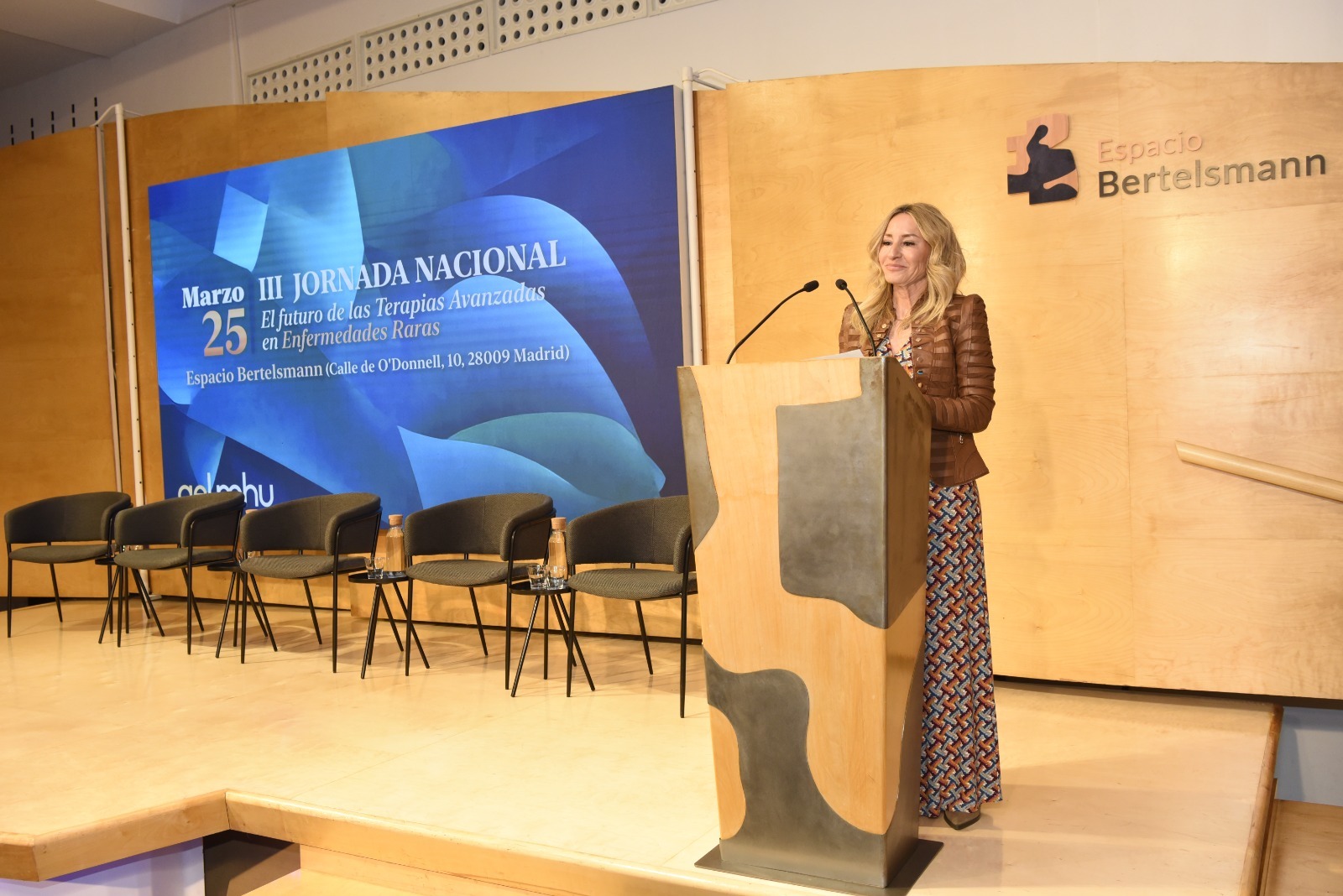
Regulatory engagement and advances in joint clinical evaluation
The event also featured remarks by Maria Jesús Lamas, director of the Spanish Agency for Medicines and Health Products (AEMPS), who highlighted the Agency’s commitment to patients and their families. Lamas emphasized that the AEMPS’s priority is to create a favorable regulatory environment that drives innovation in orphan drugs and that, in this regard, they are committed to being not merely passive observers of innovation, but “active catalysts in the development of innovative therapies.” In her remarks, Lamas noted that the AEMPS works to maintain a regulatory framework accessible to both research groups and companies developing medicines for rare diseases, thereby ensuring that advances in this field reach patients as quickly as possible.
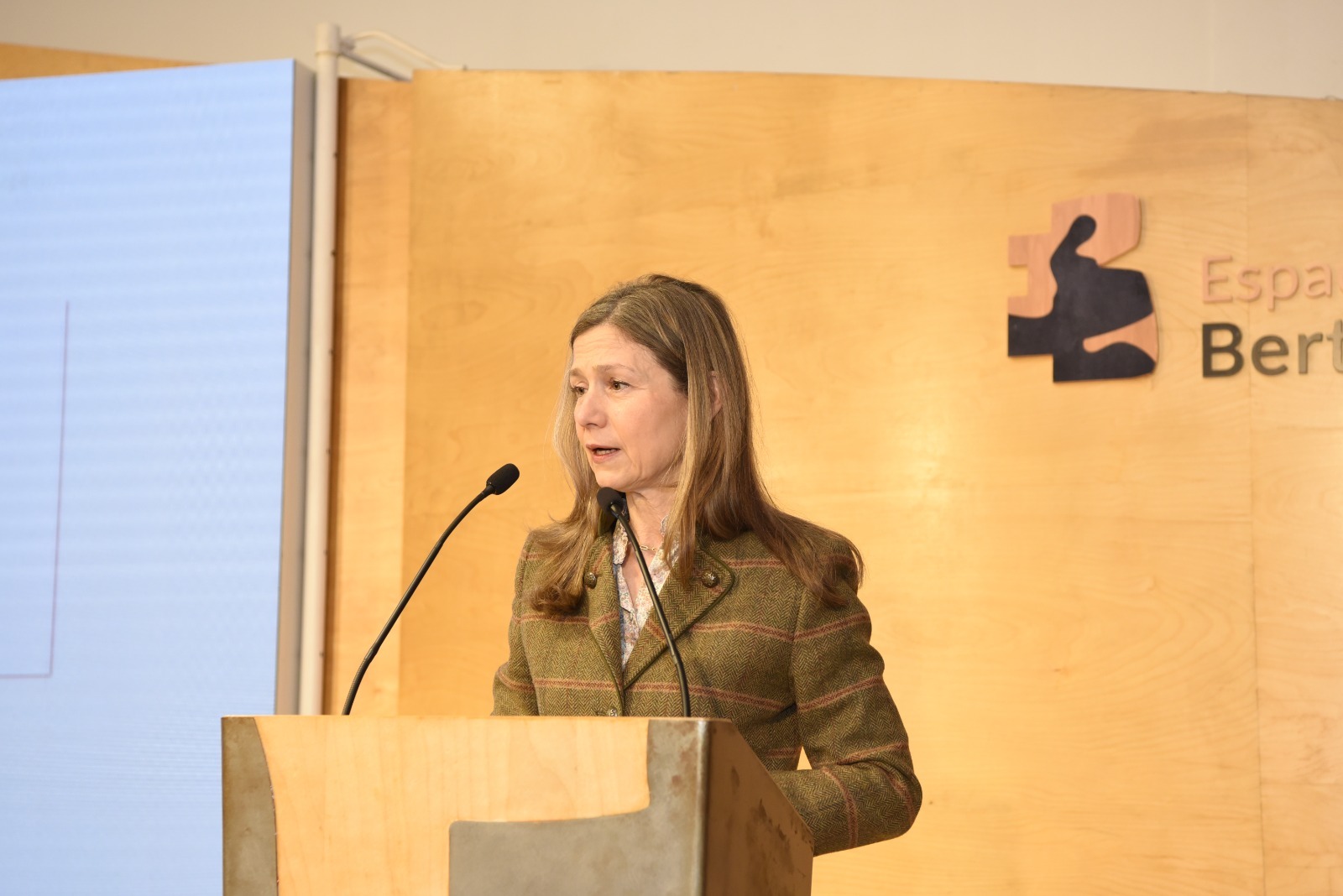
Alejandro G. Solís, a representative of the Health Technology Assessment and Therapeutic Positioning Reports Unit at the AEMPS, explained to attendees the progress made in the joint clinical assessment process. These assessments enable faster and more efficient access to innovation across all European Union member states, making it easier for patients to benefit from new therapies in a more equitable manner.
Roundtable discussions on diagnosis and legislation
The day was structured in two round tables with the participation of high-level speakers who shared their experiences and perspectives on the future of advanced therapies.
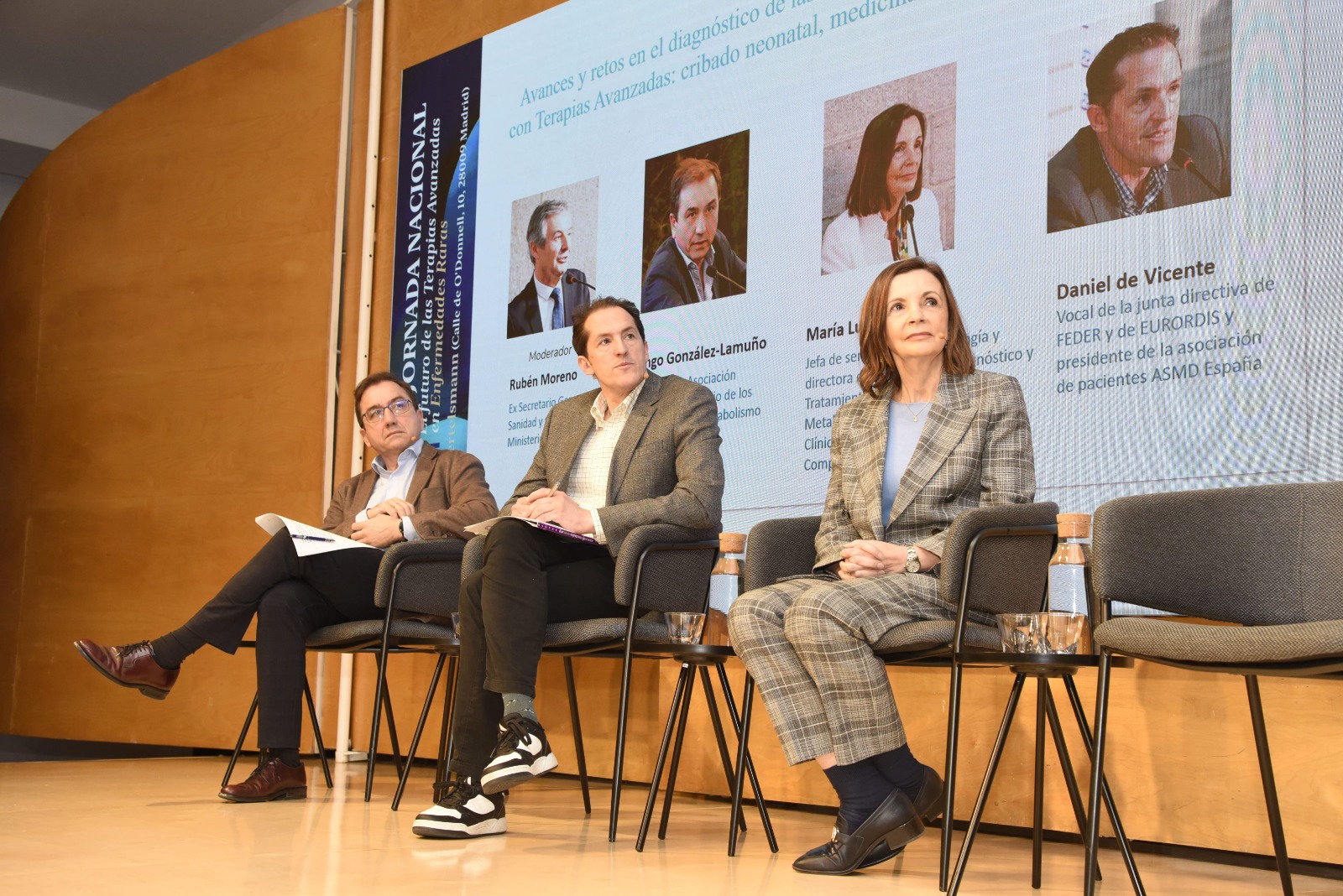
Thefirst panel, titled “Diagnosis of Rare Diseases: Neonatal Screening, Precision Medicine, and Data Management”, moderated byRubén Moreno,former Secretary General of Health and Consumer Affairs,key topics related to early diagnosis and personalized treatment wereaddressed. Experts such asDomingo González-Lamuño, president of the Spanish Association for the Study of Inborn Errors of Metabolism (AECOM); Daniel de Vicente, member of the board of directors of FEDER and EURORDIS and president of the patient association ASMD Spain; andMaría Luz Couce, head of the Neonatology Department and director of the Unit for the Diagnosis and Treatment of Congenital Metabolic Diseases atthe University Clinical Hospital of Santiago de Compostela, highlighted the importance of neonatal screening in improving patient prognoses and quality of life. In addition, special emphasis was placed on the role of precision medicine and data management in the early identification of rare diseases and the optimization of treatments. The speakers agreed that collaboration among different stakeholders is essential to continue making progress in this field and to ensure equitable access to the most advanced tools.
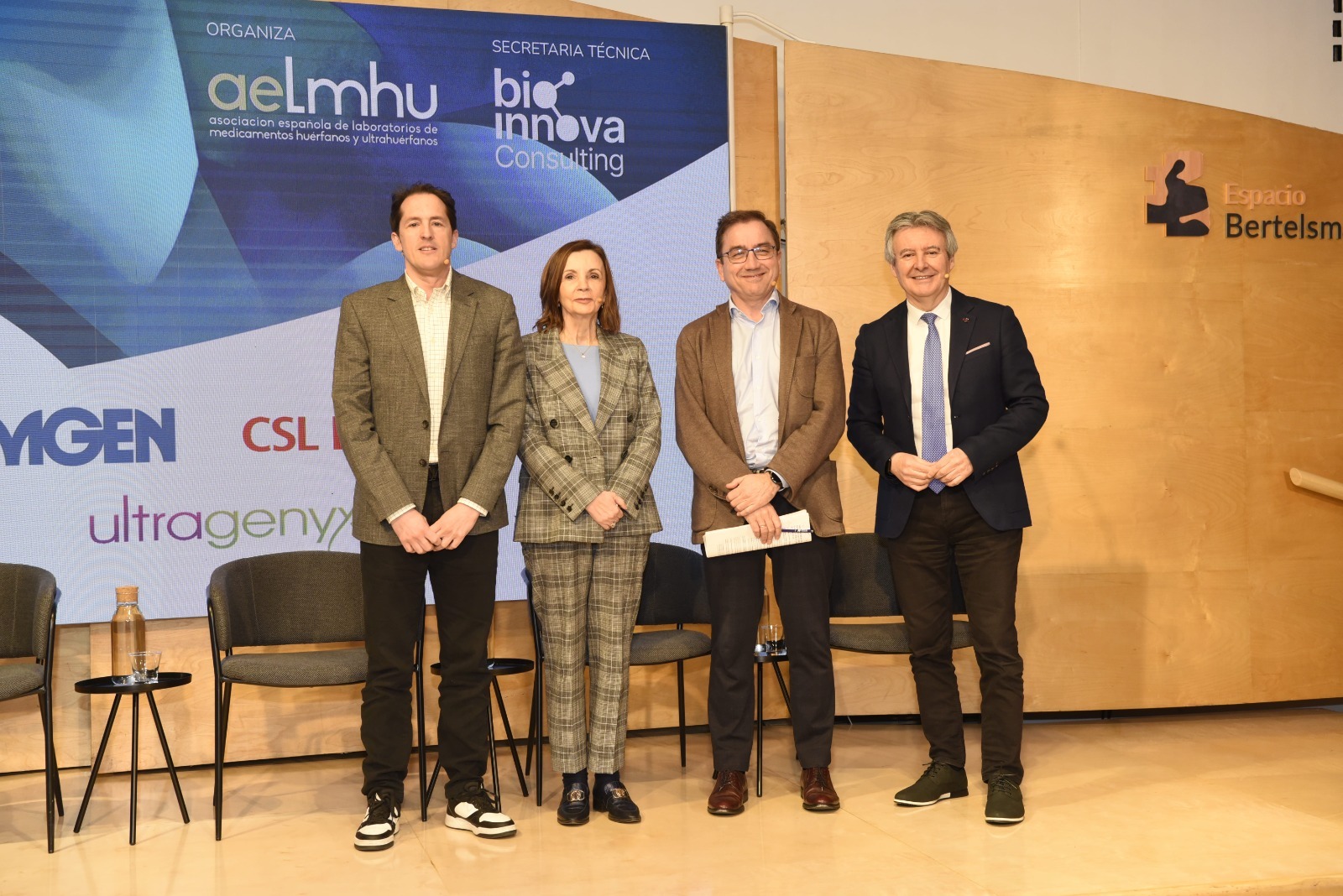
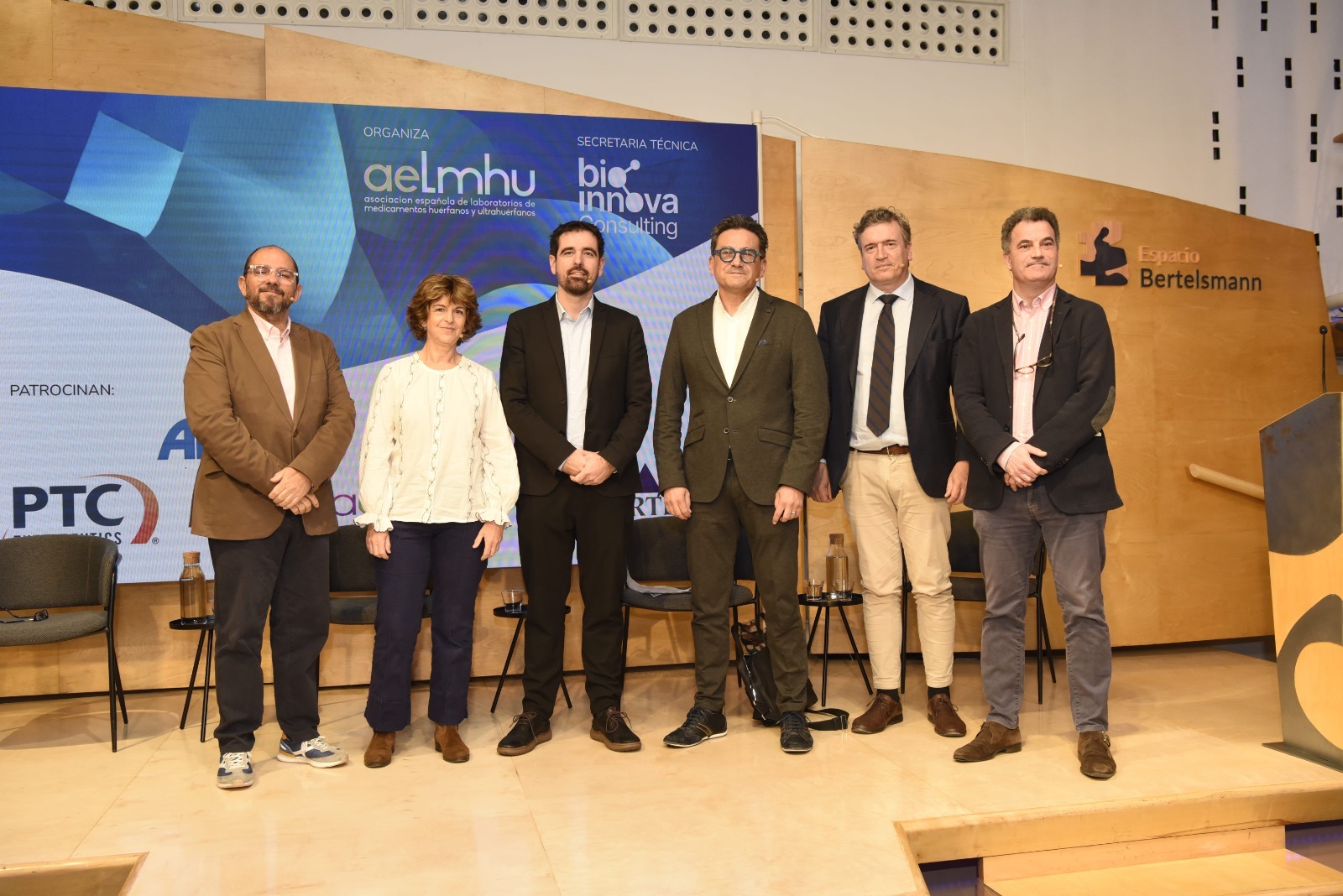
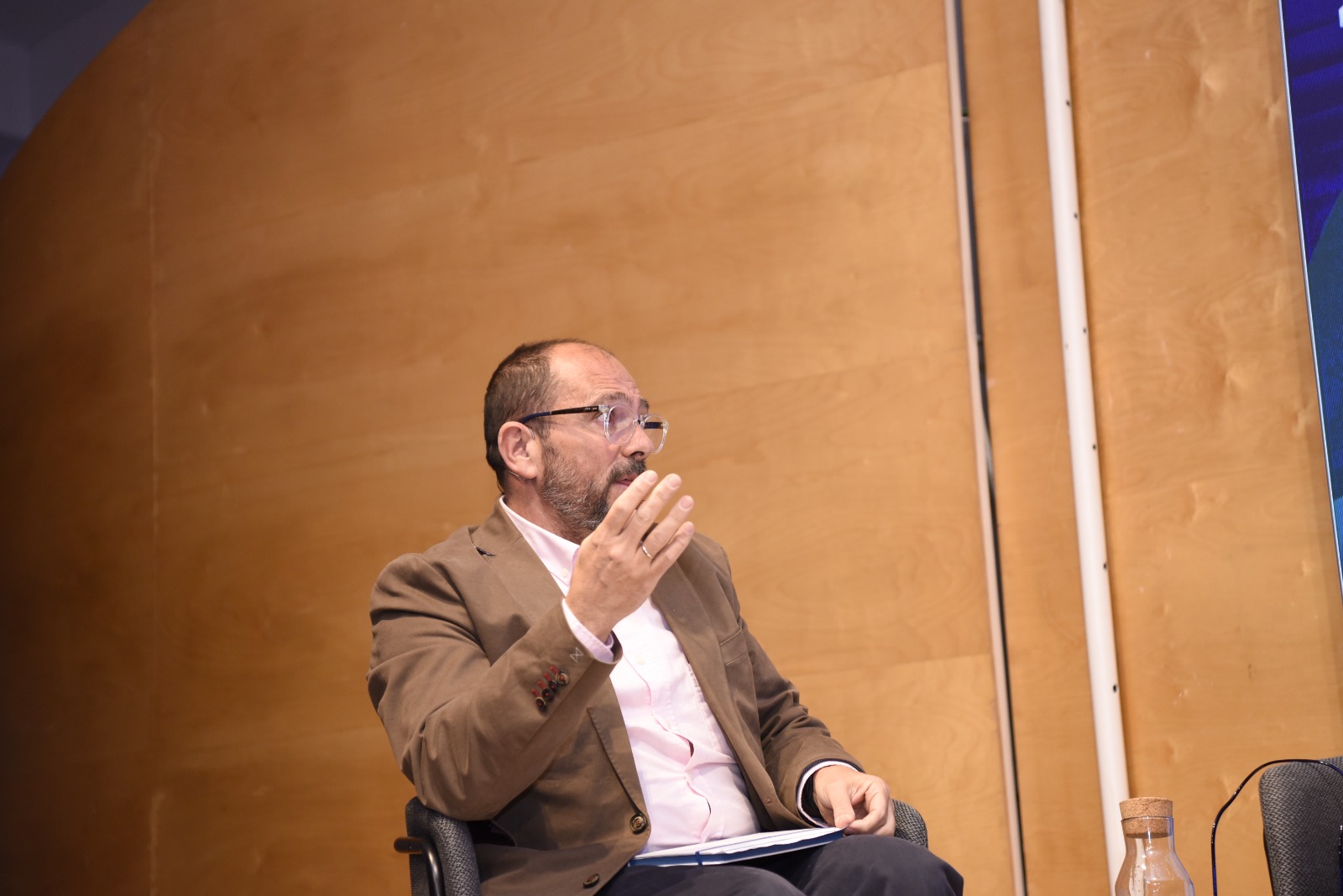
Thesecond panel, titled “Legislative Advances and Challenges in the Approach to and Financing of Advanced Therapies for Rare Diseases”and moderated by Jorge Mestre, a health economist, the panel discussed the need to update the Plan for the Approach to Advanced Therapies in the National Health System (SNS). The speakers— Carlos Martín Saborido, director of theISCIII Agency for Health Technology Assessment; Nekane Murga, coordinator of Advanced Therapies at Osakidetza; José Luis Poveda, coordinator of the Advanced Therapy Medicines Working Group of the Spanish Society of Hospital Pharmacy (SEFH);Gerardo García-Álvarez,principalinvestigatorof the project “Innovation for Cutting-Edge Healthcare: Public Procurement, Technology, Environmental Sustainability, and Socioeconomic Factors, and Josep María Guiu, director of the Medication Pharmacy Department at the Consorci de Salut i Social de Catalunya(CSC), noted that the update to this plan must go beyond CAR-T therapies, focusing on three key areas: access, evaluation, and financing of advanced therapies. They also emphasized the need to establish a clear strategy that allows patients to access these innovative therapies more quickly and efficiently.
Conclusions and future prospects
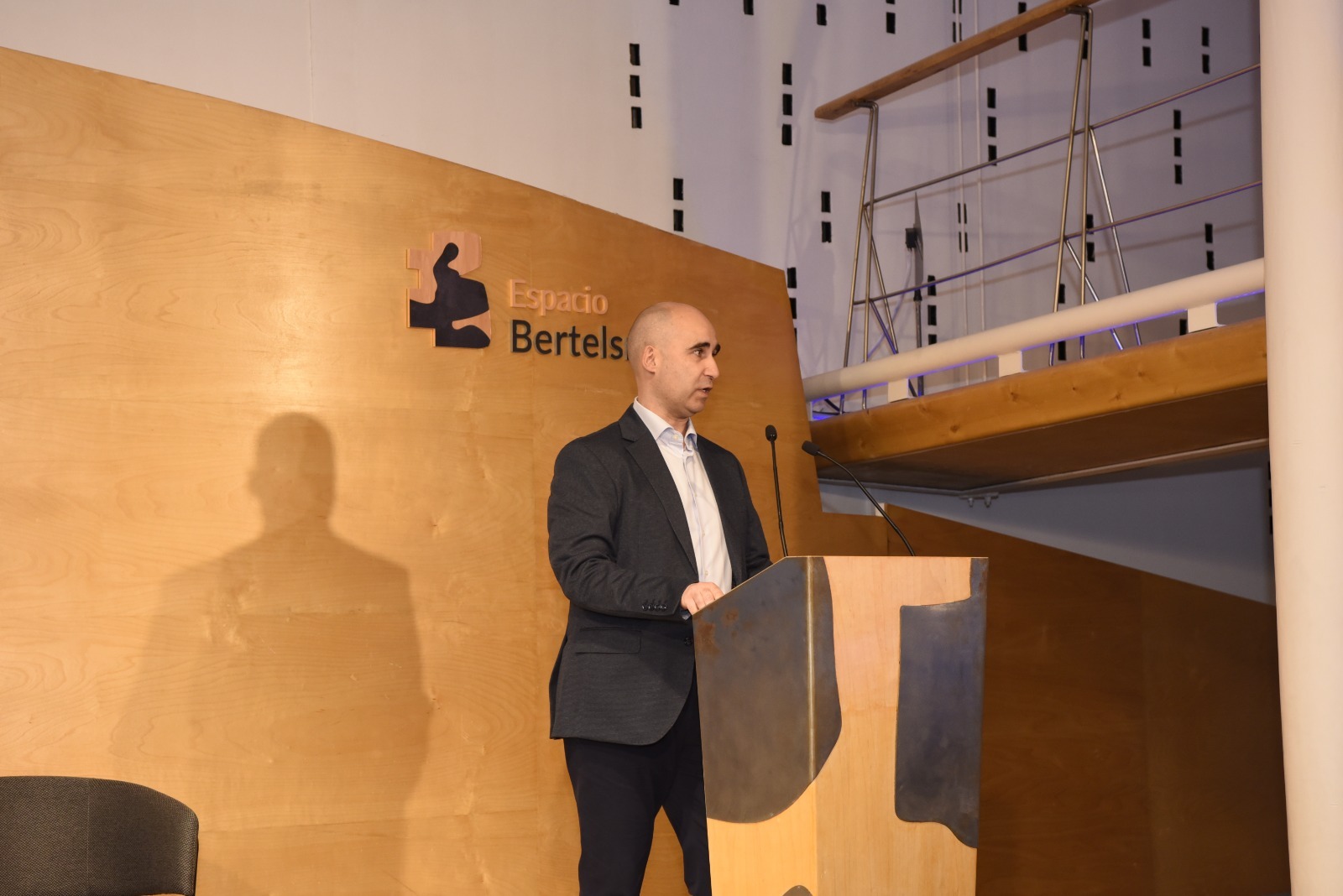
The event concluded with remarks by Marian Corral, executive director of AELMHU, who used her speech to highlight the importance of updating the Action Plan for Advanced Therapies, involving the autonomous communities, clinicians, researchers, and the pharmaceutical industry in this process. She also noted that it is essential to ensure that all stakeholders in the healthcare system work together to improve patient access to advanced therapies, especially in the case of rare and ultra-rare diseases, which often lack effective treatments.
The Third National Conference on Advanced Therapies for Rare Diseases highlighted the importance of closer collaboration to advance the development of innovative treatments and ensure that they reach those who need them most. Advances in precision medicine, newborn screening, and advanced therapies are bringing about a significant shift in the treatment of these conditions, but there is still a long way to go to ensure universal and equitable access to these innovative treatments. Collaboration between the public and private sectors and civil society is key to ensuring that all patients can benefit from these advances.
2nd National Conference on Advanced Therapies for Rare Diseases
The Spanish Association of Orphan and Ultra-Orphan Drug Laboratories (AELMHU) held the Second National Conference on “The Future of Advanced Therapies for Rare Diseases” in the auditorium at Camilo José Cela University.
This event, whose main objective was to foster dialogue and critical reflection among the various stakeholders in the healthcare system, highlighted the development of advanced therapies for rare diseases and the need to work together to ensure their availability and accessibility.
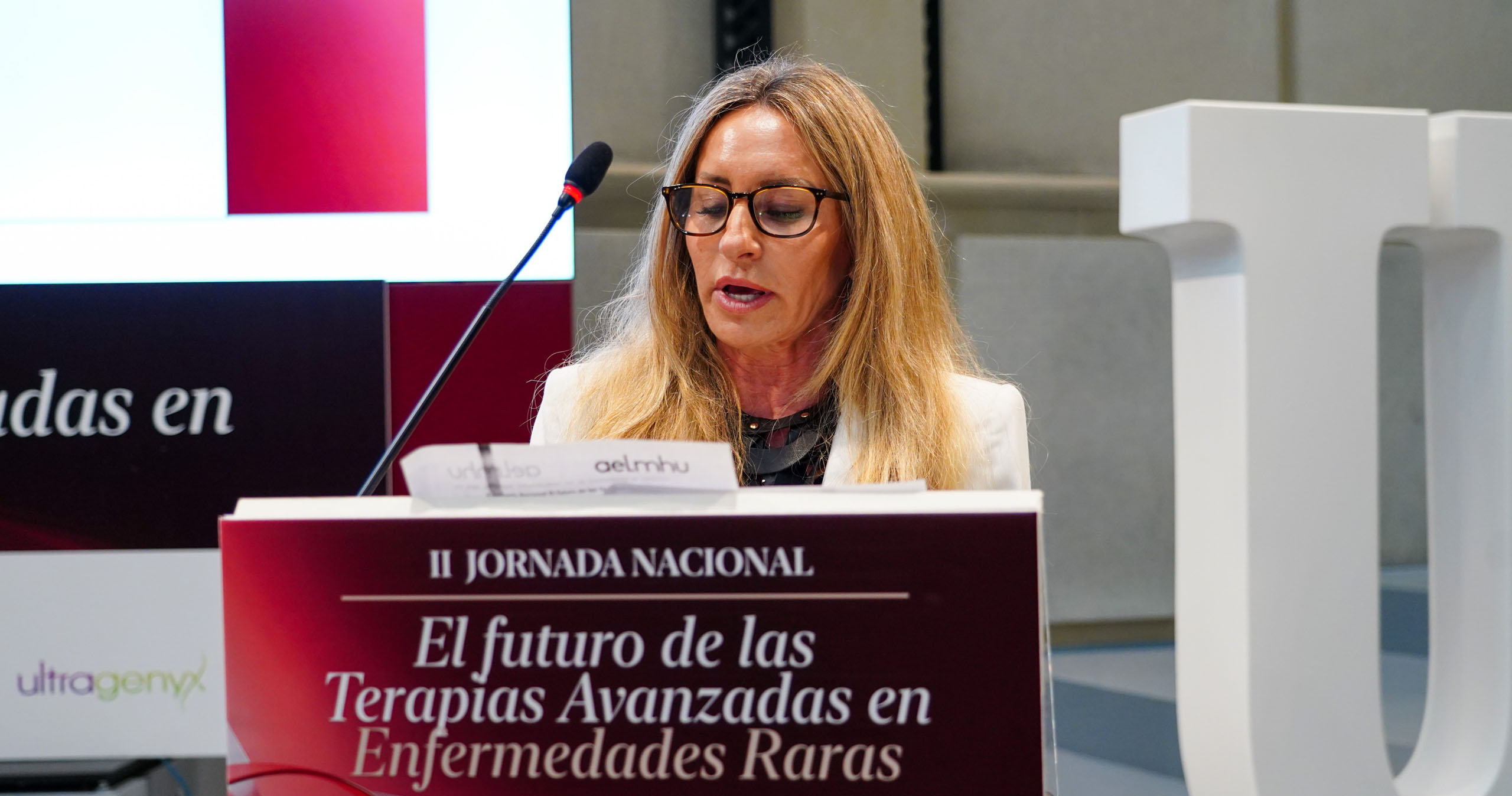
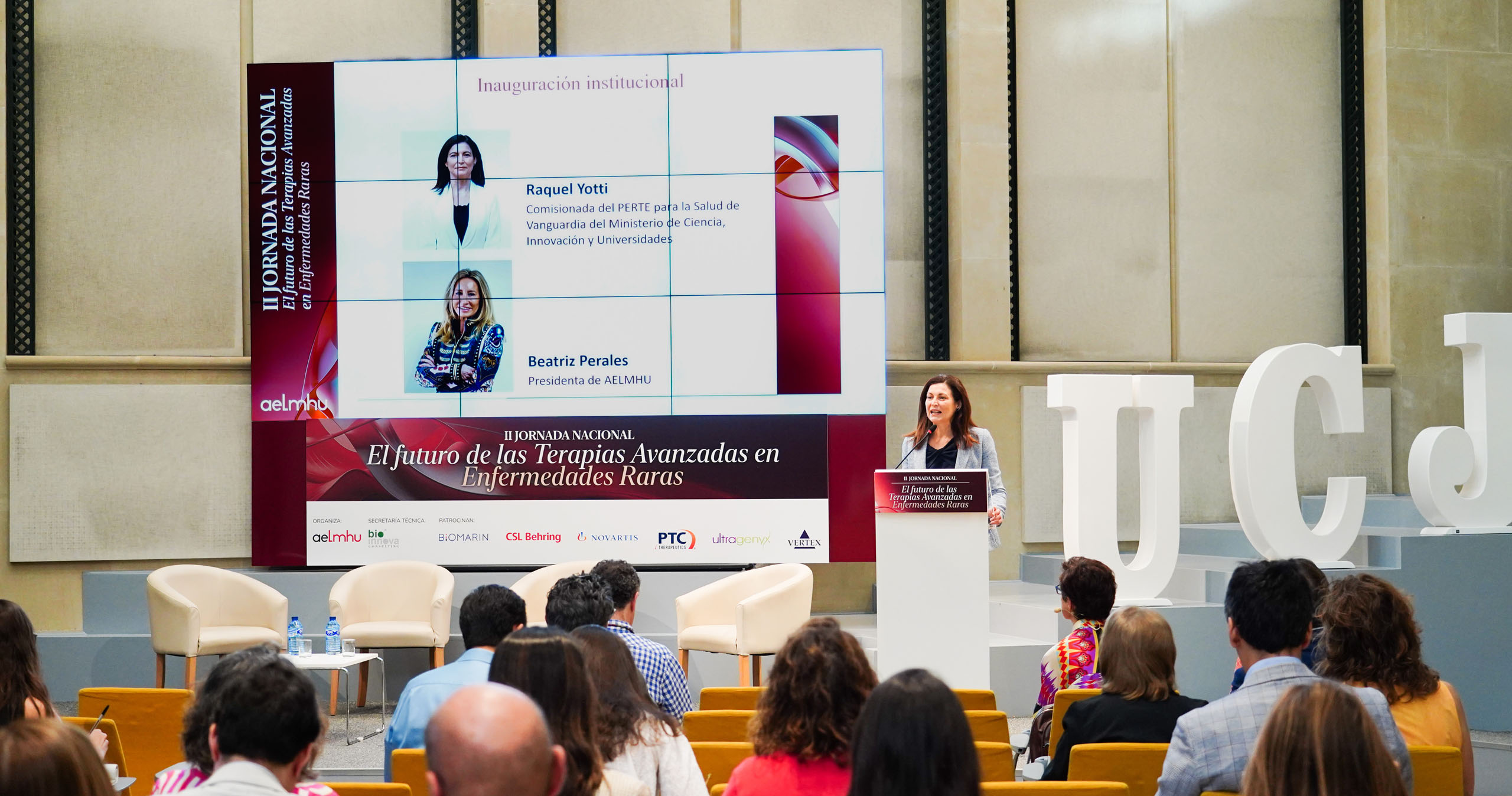
The event, which featured AELMHU DirectorMarian Corralas master of ceremonies,began with opening remarks byBeatriz Perales, president of AELMHU, followed by the official opening address delivered byRaquel Yotti, PERTE Commissioner for Cutting-Edge Health at the Ministry of Science, Innovation, and Universities.
Key Topics and Featured Speakers
During the event, participants discussed a range of relevant topics, including clinical advances in the field of advanced therapies, challenges related to their evaluation, financing, and public procurement, as well as potential economic models that could facilitate access to these treatments. Emphasis was placed not only on the health and quality-of-life benefits for patients and their families, but also on the significant economic and social value of these therapies.

Sol Ruiz, head of the Division of Biological Products, Advanced Therapies, and Biotechnology at theAEMPS, focused her remarks on the current state of advanced therapies, highlighting the difficulties in accessing them
For his part,Álvaro Hidalgo, a health economist, professor, and director of the Research Group on Health Economics and Health Management at the University of Castilla-La Mancha (UCLM), discussed economic models designed to facilitate access to these therapies.

Discussion Tables
The first panel discussion ‘Evaluation, Financing, and Public Procurement’, moderated by Jorge Mestre, a health economist, featured the following participants:
- José Luis Poveda, manager of the Hospital Universitari i Politècnic La Fe.
- Juan Manuel Fontanet, representative of the Medicines Area of the Catalan Health Service.
- Elena Casaus, head of the Division of the Advanced Therapies Unit of the Community of Madrid.
- Lluís Alcover, lawyer specialized in pharmaceutical law at Faus & Moliner Abogados.
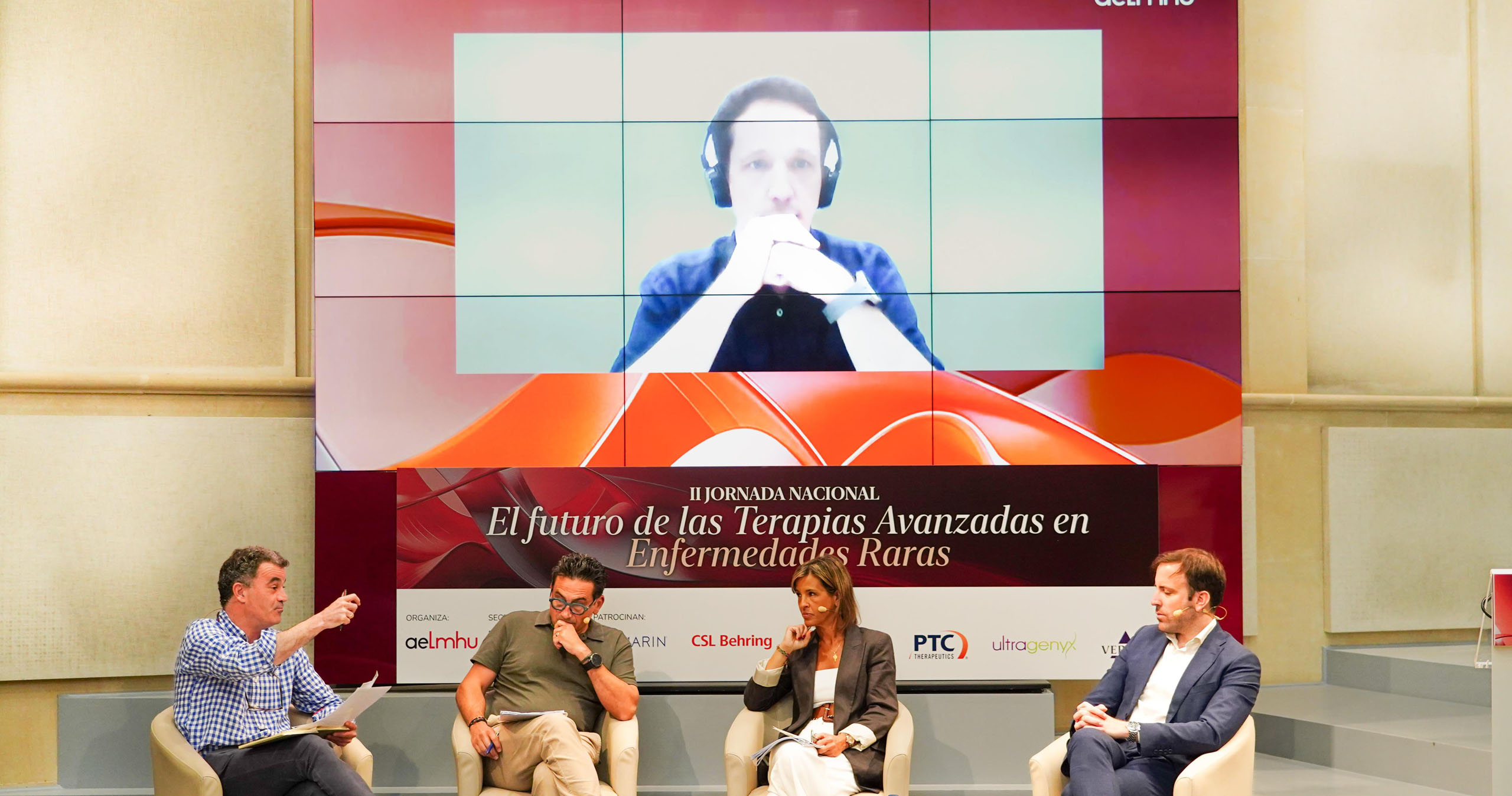
This roundtable addressed such important issues as the obstacles and challenges evaluators face when dealing with limited data, as well as the assessment of the economic value of advanced therapies—not only in terms of direct costs, but also in terms of long-term savings for the healthcare system.
The second panel discussion ‘Clinical Advances and Challenges’, moderated by Borja Smith, CEO of BioInnova Consulting, featured the following panelists:
- Víctor Jiménez, head of the Hematology Department of the Hospital Universitario La Paz.
- Alessandra Magnani, head of the Platform for Advanced Therapies and Immunotherapy at the Hospital Sant Joan de Déu.
- Javier García, director of the Department of Drug Development of Advanced Therapies of the ISCIII.
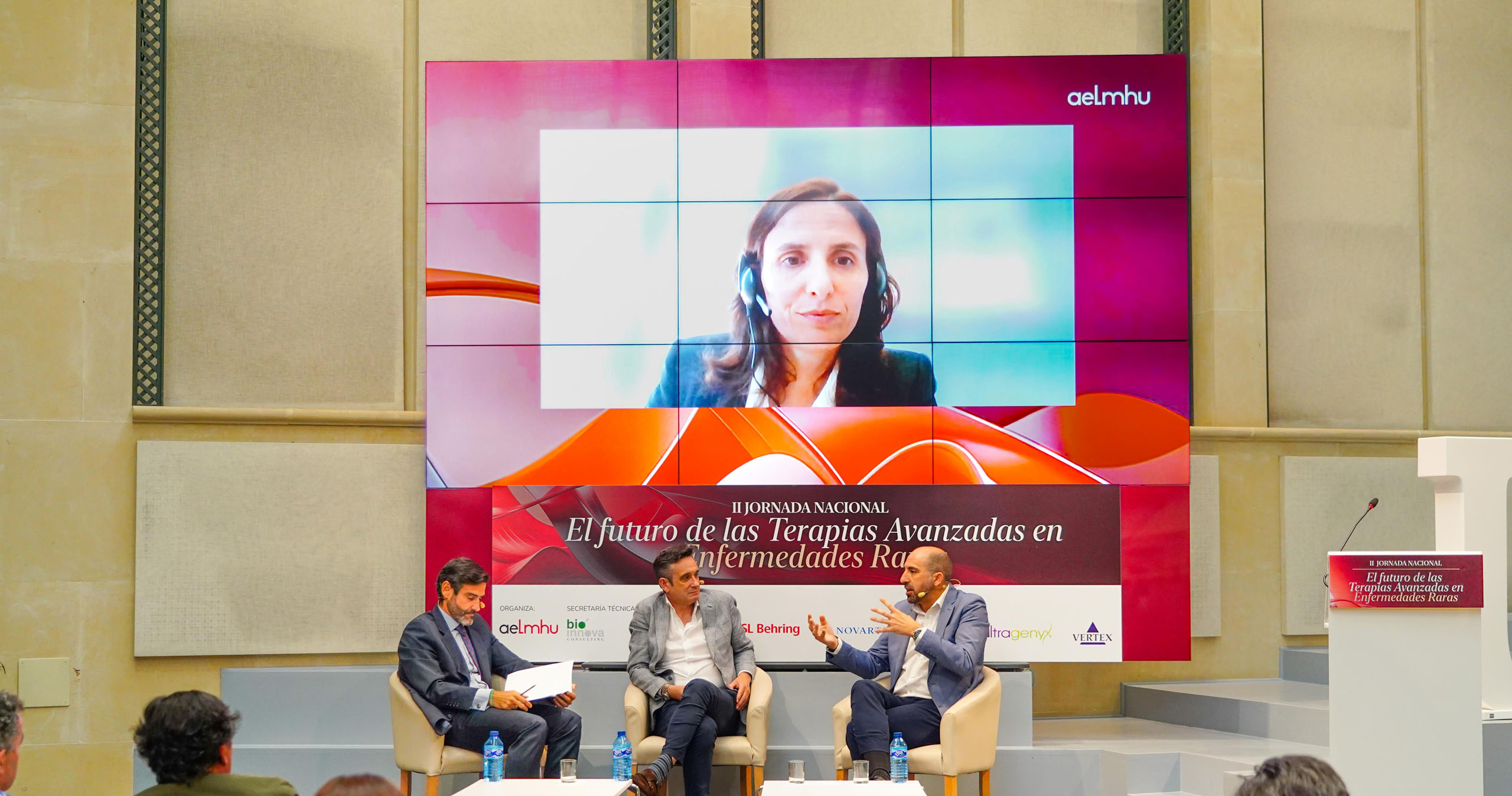
Medical experts highlighted innovation as the primary driver of advanced therapies. They also discussed the challenges involved in the regulatory approval process for new therapies, as well as current research projects and future directions in the field of advanced therapies.
Closing
To conclude the event,Isabel Motero, director of the Spanish Federation for Rare Diseases (FEDER), spoke on behalf of patients, emphasizing the importance of these therapies and their impact on the lives of those living with rare diseases.
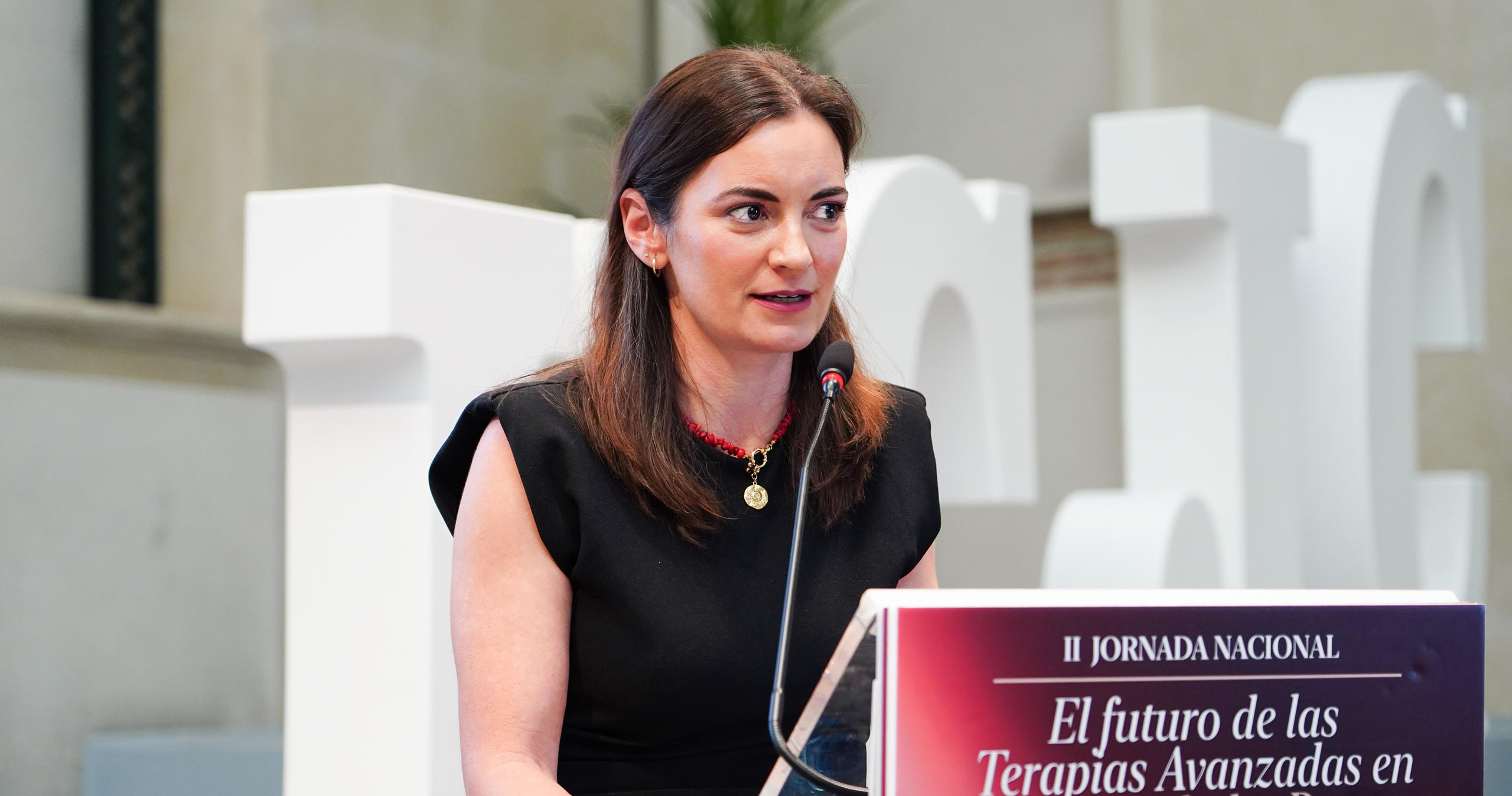
Iván Silva, a member of the AELMHU Board of Directors, closed the event by thanking all participants for their involvement and highlighting the success of the gathering, as well as the need to foster collaboration and work together, bringing together a multidisciplinary perspective to continue making progress in this field.
This event reaffirmed AELMHU’s commitment to continuing to promote initiatives that facilitate collaboration among the various stakeholders in the healthcare system, with the shared goal of improving the quality of life for patients with rare diseases.
The event was sponsored by BioMarin, CSL Behring, Novartis, PTC Therapeutics, Ultragenyx, and Vertex Pharmaceuticals, with BioInnova Consulting serving as the technical secretariat.
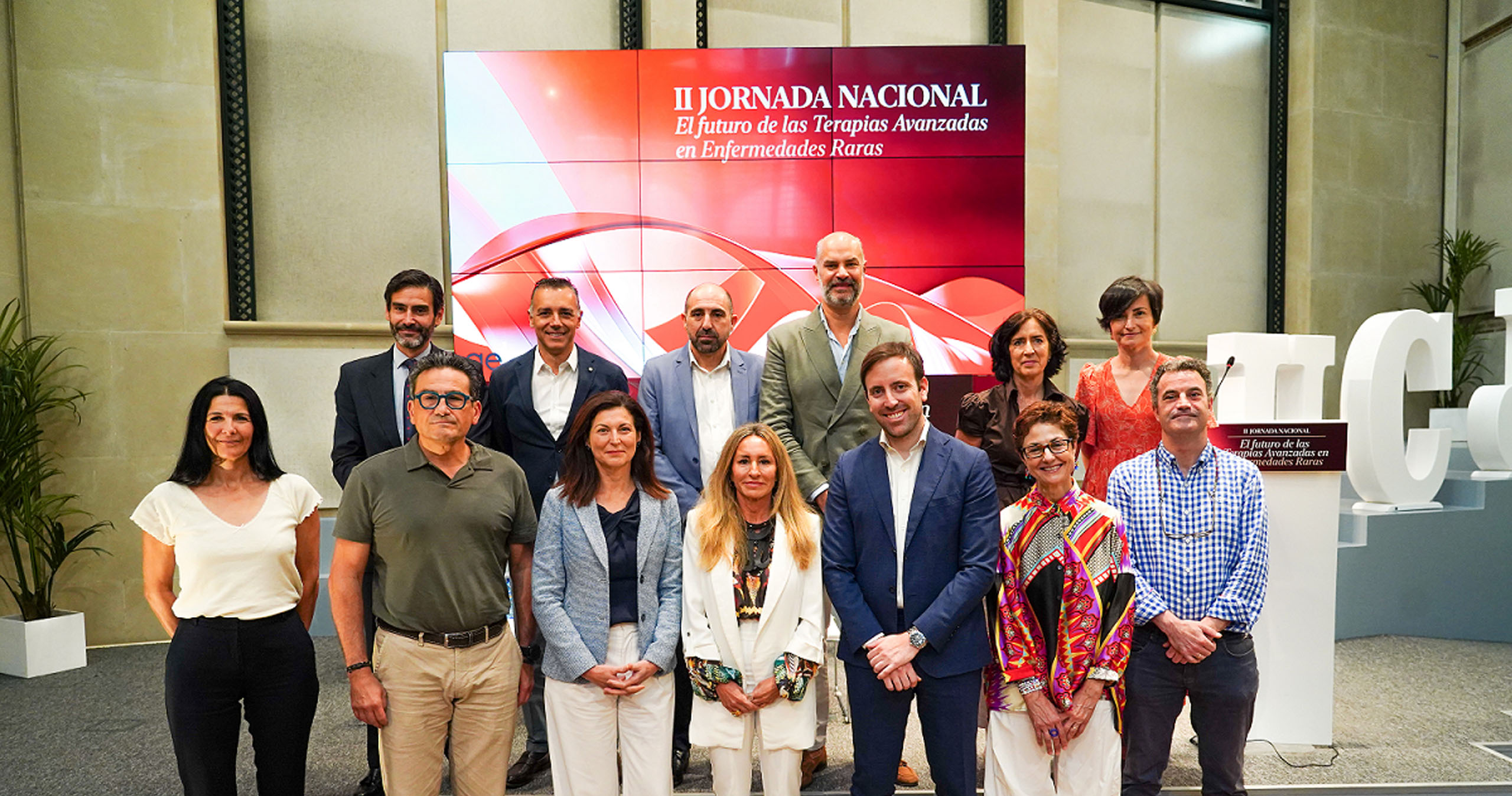
He also thanks the participants and attendees for their dedication and commitment, which are essential to continue advancing the development of and access to advanced therapies for rare diseases.
You can watch the complete event on our YouTube channel
1st National Conference on Advanced Therapies for Rare Diseases
AELMHU, represented by its director, Marian Corral, collaborated and participated in the event organized by Bioinnova Consulting at Carlos III University in Madrid, with the aim of addressing “The Future of Advanced Therapies for Rare Diseases.”
The event was opened by César Hernández, Director General of the Common Portfolio of National Health System Services and Pharmacy at the Ministry of Health, and Eva Bermejo, Director of the Institute for Research on Rare Diseases at the Carlos III Health Institute (ISCIII).
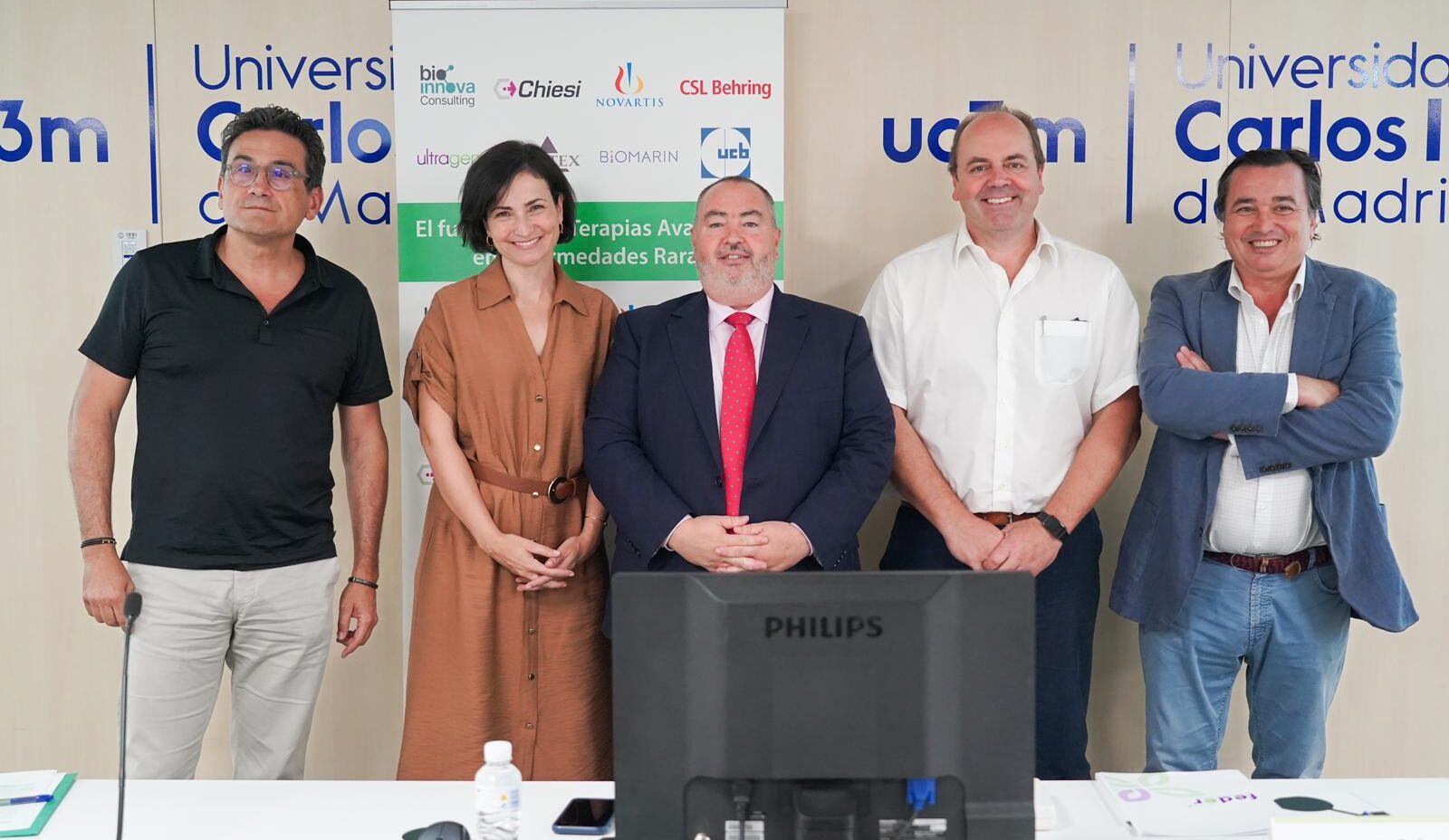
The event featured Mireia del Toro, coordinator of the Metabolic Unit within the Pediatric Neurology Department at Vall d’Hebron University Hospital; Mª Teresa Álvarez Román, a specialist in Hematology and Hemotherapy at La Paz University Hospital; Manuel Ferro Osuna, head of the Ophthalmology Department at 12 de Octubre University Hospital; and Andrés Nascimento, coordinator of the Neuromuscular Pathology Unit at Sant Joan de Déu Hospital, to discuss the future of these therapies from a clinical perspective.
Next, to discuss how the autonomous communities are addressing these types of therapies with orphan drug designation, the following speakers took the floor: Nekane Murga, coordinator of the Department of Personalized Medicine, Precision Medicine, and Advanced Therapies at Osakidetza; Elena Casaus, head of the Division of the Advanced Therapies Unit of the Community of Madrid; and Icíar Martínez López, coordinator of the Genetics and Genomics Unit at ibSalut, a statutory physician in the Pharmacy Department at Son Espases University Hospital and acting deputy head of the Pharmacy Department at Son Dureta University Hospital.
The final panel of the morning addressed the future of advanced therapies for rare diseases from the perspective of hospital pharmacy, featuring José Luis Poveda, coordinator of the Advanced Therapies Group and the Rare Diseases Group of the Spanish Society of Hospital Pharmacy (SEFH) and head of the Pharmacy Department at the U.P. Hospital La Fe in Valencia; from an economic perspective with Álvaro Hidalgo, health economist, professor, and director of the Research Group on Health Economics and Health Management at the University of Castilla-La Mancha (UCLM); patients, represented by Antonio Cabrera, member of the Board of Directors of the Spanish Federation of Rare Diseases (FEDER); and from the pharmaceutical industry, Marian Corral, director of the Spanish Association of Orphan and Ultra-Orphan Drug Laboratories (AELMHU). Also participating in this panel was Josep Torrent-Farrell, full professor in the Department of Clinical and Therapeutic Pharmacology at the Autonomous University of Barcelona.
The event was sponsored by six companies affiliated with AELMHU: BioMarin, Chiesi, CSL Behring, Novartis, Ultragenyx, and Vertex.
Please contact us if you have any questions: informacion@aelmhu.es