Hypophosphatasia: From Underdiagnosis to Care That Remains Inadequate
Chronic pain, fractures, mobility issues, and premature tooth loss. These are some of the symptoms that may affect people with hypophosphatasia (HPP), an inherited metabolic disorder that disrupts the mineralization of bones and teeth. However, its symptoms vary widely and can appear at any stage of life, making it difficult to identify and causing some patients to wait years before receiving a diagnosis.
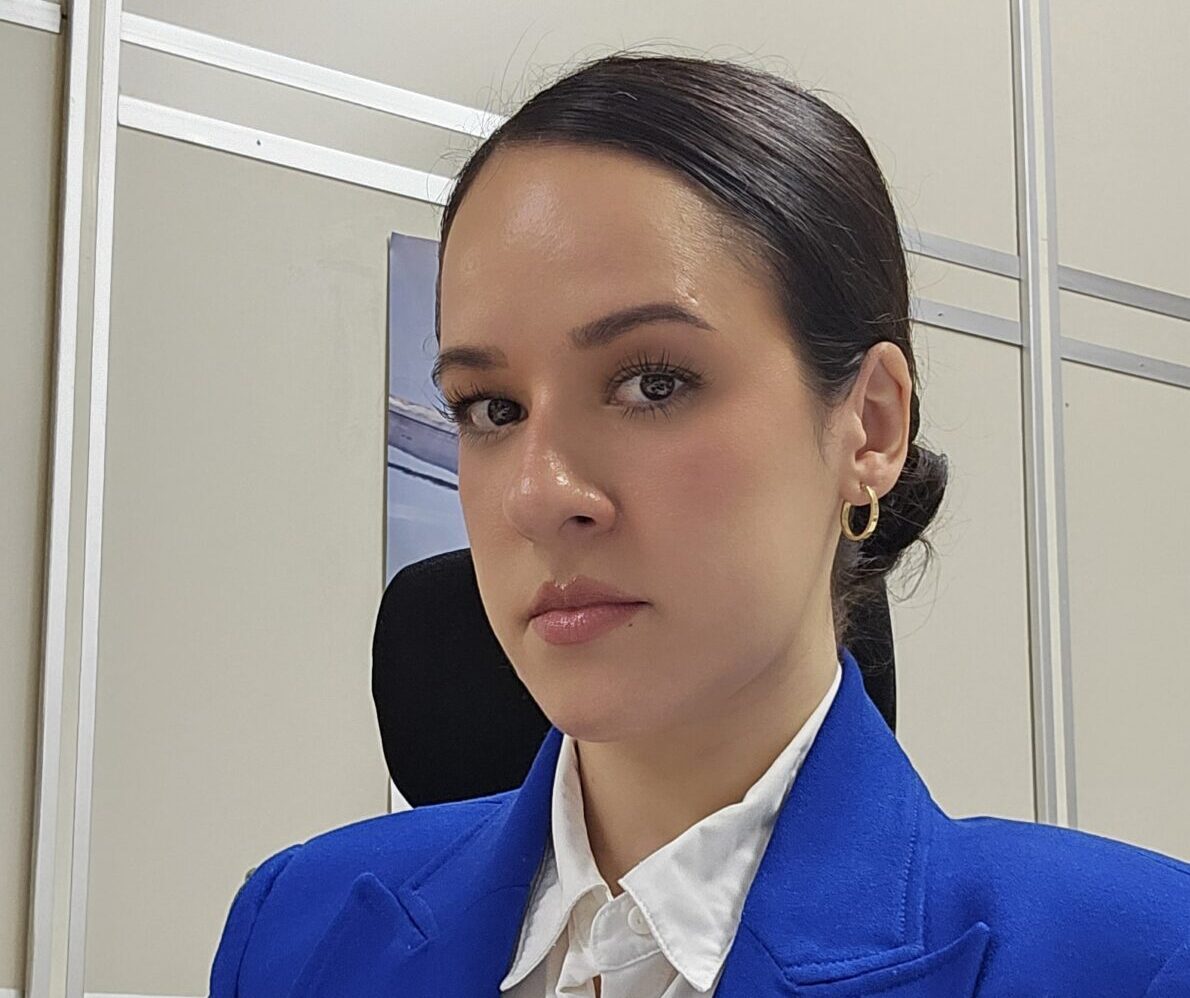
“What is not researched is not known, and what is not known is forgotten,” warns Ainhoa Notario, coordinator and international representative of the Spanish Association for Hereditary Rickets and Osteomalacia (AERyOH). Her message sums up one of the main challenges of this disease: advancing our understanding of it so that those affected are not left out of the research, health care, and resources they need.
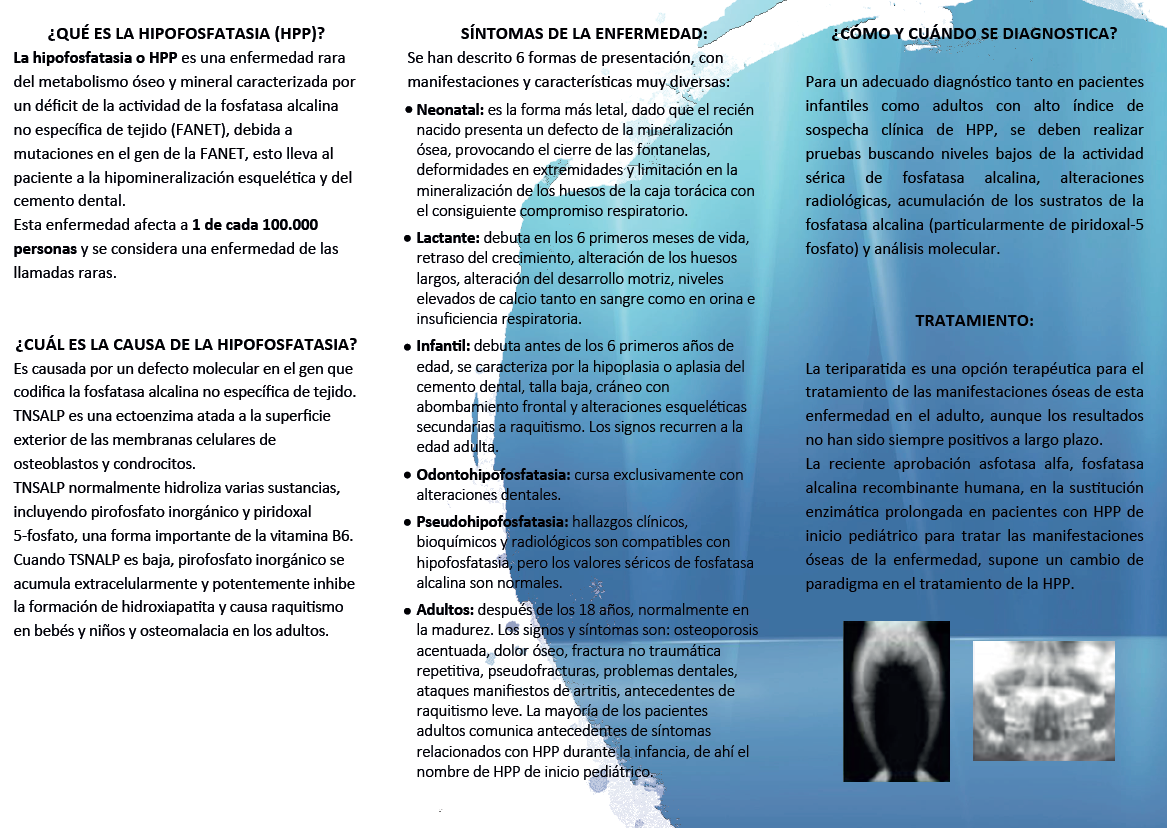
What is hypophosphatasia, and how does it affect patients?
Hypophosphatasia is a genetic disorder caused by mutations in the ALPL gene, which encodes tissue-nonspecific alkaline phosphatase, an enzyme essential for proper bone and tooth mineralization.
When this enzyme is not active enough, substances build up that interfere with the proper formation of mineralized tissue. As a result, bones and teeth may develop abnormalities that affect their strength and function.
The disease presents a very broad clinical spectrum. In its most severe forms, it can manifest before birth or during the first few days of life, with significant skeletal abnormalities and life-threatening complications. In childhood, it can cause rickets, growth problems, and bone deformities. In adulthood, it may be associated with persistent pain, muscle weakness, fractures, and difficulty walking. In some people, the symptoms primarily affect oral health.
This diversity explains why hypophosphatasia is not always easy to recognize. Not all patients experience the same symptoms or the same severity of symptoms, and some symptoms may be mistaken for those of other, more common diseases.
Furthermore, the impact is not limited to the physical realm. “Patients often need a great deal of help because they are very dependent,” explains Notario, who highlights how pain, functional limitations, and environmental barriers can affect their independence and emotional well-being.
In addition to these challenges, families sometimes face issues such as housing and workplaces that are not adapted to their needs, difficulties accessing certain services, and a lack of social understanding. During childhood, families may also face bullying at school and a lack of resources to meet their children’s specific needs.
A diagnosis that can begin with a blood test
Early identification of hypophosphatasia is essential for guiding clinical management and avoiding treatments that could be harmful. However, a lack of awareness about the disease and the variety of its manifestations can delay its diagnosis.
One of the main warning signs is the presence of persistently low levels of alkaline phosphatase in a blood test. This result, when interpreted in light of the patient’s age and the corresponding reference ranges, may warrant a specific evaluation. The diagnosis is confirmed, when appropriate, by evaluating other biochemical parameters, conducting a clinical assessment, and performing genetic testing.
At AERyOH, specialists on its medical advisory committee are working to expand knowledge of the disease and improve the identification of potential cases. The association notes that some people may experience mild or predominantly dental symptoms, which can lead to HPP going unnoticed.
His research includes the study of regions of the ALPL gene that may not be covered by certain conventional genetic tests. The goal is to improve the detection of variants that help explain cases with clinical and biochemical suspicion but without a conclusive molecular diagnosis.
“It’s very difficult to diagnose,” says Notario, who calls for “better training for healthcare professionals and more research to understand how the disease manifests itself over the course of a person’s life.”
In this regard, AERyOH has promoted training activities aimed at professionals in primary care, pediatrics, and nursing. Early detection and coordination among professionals are essential steps toward reducing underdiagnosis and promoting an appropriate approach.
Treatment and Access to Necessary Resources
In terms of treatment, there are no options in Spain. “There is no publicly funded treatment for this disease in Spain. The only thing patients have are palliative medications to relieve pain,” Ainhoa points out.
But in addition to potential treatments, it is essential to address pain, bone and dental complications, and functional limitations.
Physical therapy and rehabilitation can be important for maintaining mobility and independence, while oral health care is essential for preventing and treating dental complications. Psychological and social support should also be part of person-centered care.
However, accessing these resources is not always easy. Notario highlights the inadequacy of some benefits and the financial burden of having to resort to private services when public coverage does not meet the patient's needs.
“The rehabilitation the healthcare system can provide you with right now is once a month—if you’re lucky,” Ainhoa laments.
The coordinator of AERyOH calls for the needs of people with HPP to be taken into account throughout their lives and for easier access to the support services that help improve their quality of life.
Oral health is another area that requires special attention. Illness can affect the teeth and lead to premature tooth loss, with both functional and emotional consequences. For some patients, the cost of dental treatment poses an additional barrier on top of the mental health burden of finding themselves at a very young age without healthy teeth or having lost most of their teeth—along with the social pressure that comes with today’s beauty standards.
In addition to these demands, there is a need for disability and dependency assessment procedures to accurately reflect each person’s actual limitations. Administrative recognition can be decisive in gaining access to benefits, accommodations, and support resources.
Support is also part of the care
Living with a rare disease can lead to a feeling of isolation. It is not always easy to find others who understand your experience or to access practical information about health, social, and employment resources.
In this context, patient organizations play a role that complements clinical care. They provide information, guidance, and opportunities for mutual support to those affected, their families, and their caregivers.
“It’s a place where they can unburden themselves, where they can be understood, where they can be heard, share experiences, and share advice,” explains Notario about the value of having a community that knows firsthand the challenges of the disease.
AERyOH works in several areas: raising public awareness, training professionals, collaborating with researchers, and developing projects aimed at facilitating access to physical therapy, rehabilitation, and oral health care. The association also offers an online information and guidance service that addresses issues related to mental health, employment, workplace accommodations, and social rights.
This support is especially important when patients' needs go beyond strictly clinical matters. Coordination among healthcare professionals, social services, and organizations can help ensure that people receive a more comprehensive response tailored to their circumstances.
A Future to Transform
Our understanding of hypophosphatasia has advanced, but significant challenges remain in its diagnosis, research, and care. Gaining a deeper understanding of its various manifestations, identifying individuals who have not yet been diagnosed, and improving access to necessary treatments and resources are essential steps in meeting patients’ needs.
To achieve this, it is necessary to strengthen collaboration among researchers, healthcare professionals, associations, public agencies, and other stakeholders. Networking allows for the sharing of knowledge, the identification of unmet needs, and the promotion of coordinated solutions.
AERyOH celebrated its tenth anniversary on October 16, 2026—a decade dedicated to raising awareness of these diseases and improving the lives of those affected. For Notario, the road ahead requires the involvement of society as a whole.
“We’ve been raising awareness for a decade, but we have a future to transform,” he says. He adds a call to action that sums up the meaning of this commemoration: “Our patients cannot be forgotten, no matter how small a minority they may be.”
On World Hypophosphatasia Day, the message is clear: learning about the disease is the first step toward recognizing the needs of those living with it. Research, early diagnosis, and comprehensive care are essential for moving toward a future with more opportunities and a better quality of life for patients and their families.