
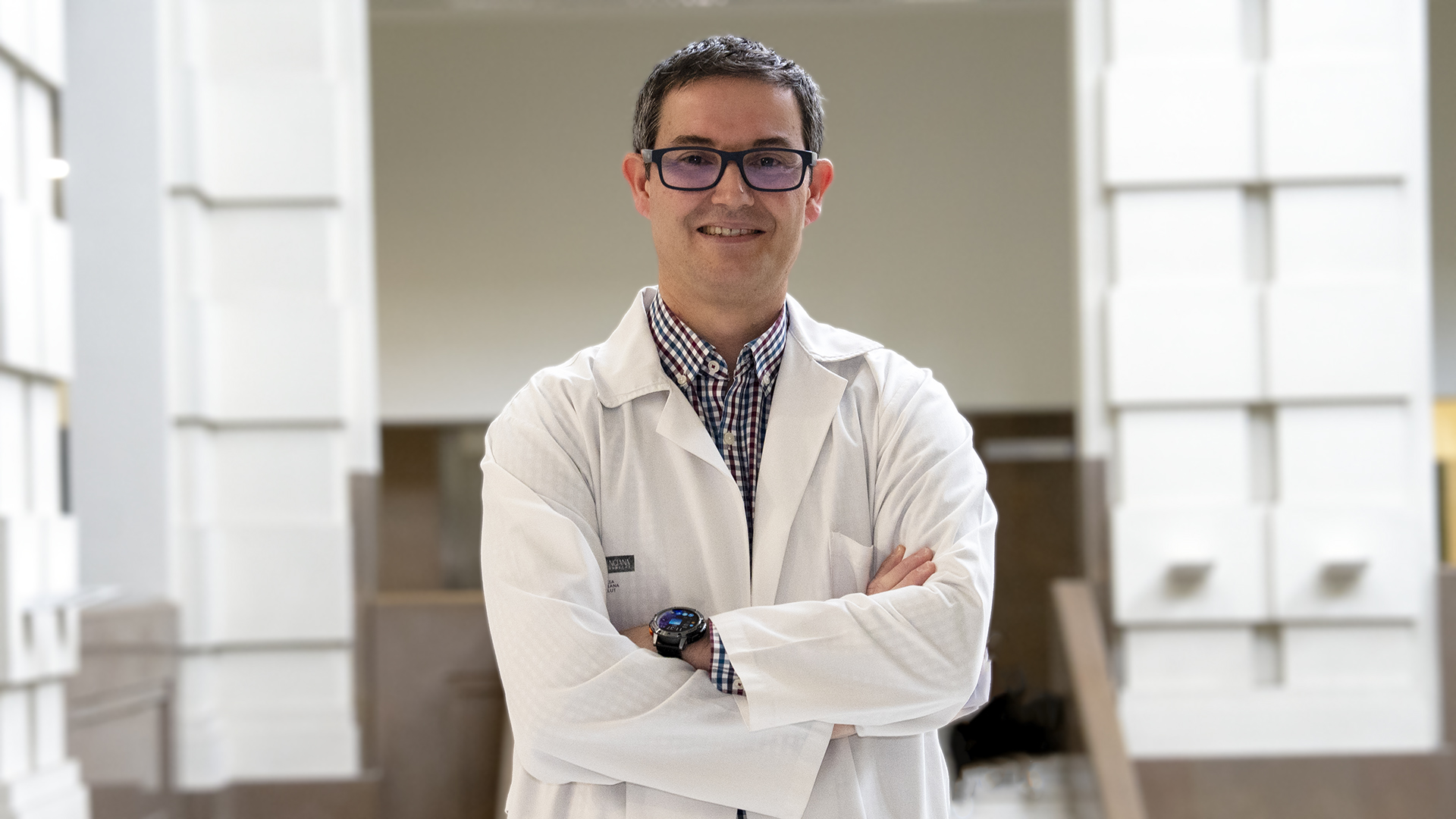
September 24 marks World Familial Hypercholesterolemia Day, and for this reason, AELMHU interviewed a leading expert on this condition, Dr. Sergio Martínez, Professor of Medicine at the University of Valencia and head of the Lipid Unit in the Endocrinology and Nutrition Department at the University Clinical Hospital of Valencia. He is also a researcher at INCLIVA and a member of CIBERDEM.
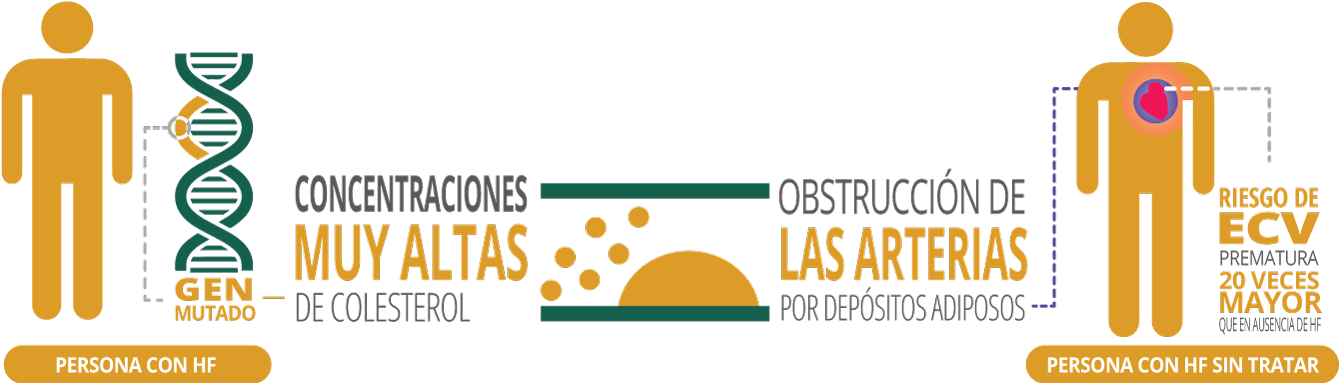
Familial hypercholesterolemia is a common hereditary disorder (it is estimated that at least 1 in every 250 people has it) characterized by elevated plasma levels of LDL (“bad”) cholesterol. Although there are different forms of familial hypercholesterolemia, the homozygous variant is the most severe and requires particularly early intervention.
Homozygous familial hypercholesterolemia (HFHo) is an ultra-rare disease (estimated to affect 1 in 300,000 people worldwide) that occurs when both parents pass on a defective copy of the gene, leading to higher levels of LDL cholesterol in the blood from a very early age and a more severe clinical form of the disease. This results in the rapid development of atherosclerosis beginning in childhood. In Spain, it is estimated that there are approximately 150 people who may have this form of the disease.
Dr. Sergio Martínez states that such high cholesterol levels from birth mean that, “without proper treatment, by adolescence, the damage to the arteries would be greater than that seen in an elderly person, and patients could even suffer—at a very young age—from suffer "life-threatening cardiovascular events."
In fact, until the 1990s, without lipid-lowering treatments, the potential life expectancy of patients with HoF was less than 20 years.
“Fortunately, there are now drugs that can significantly extend the life expectancy of these patients, especially if they are administered starting in childhood,” says Dr. Martínez.
The Need for Screening in Childhood
Homozygous familial hypercholesterolemia is a silent disease that has no symptoms until a cardiovascular event occurs. In some cases, it manifests as xanthomas, which are accumulations of fat or cholesterol under the skin and can be detected by a dermatologist.
For this reason, one of the greatest challenges posed by this disease remains early diagnosis, as it is underdiagnosed and undertreated. This is due, in part, to a lack of awareness about cholesterol management in childhood.
“Therefore, it would be necessary to implement a screening program for children, "Children's cholesterol levels should be tested," says Dr. Martínez. "That way, if their levels are abnormally high, treatment could be started in childhood, significantly reducing cardiovascular damage, improving patients' quality of life, and increasing their life expectancy."
Promising New Drugs
Until relatively recently, the only treatment available—in addition to standard treatment for hypercholesterolemia—for these patients was LDL apheresis, an extracorporeal procedure similar to dialysis that removes LDL cholesterol particles from the blood before returning it to the body. However, the procedure takes two hours, must be performed at least once every one or two weeks, and is not available at all hospitals. For these reasons, this procedure can have a significant impact on the quality of life of patients and their families, especially when they must travel periodically to hospitals far from their homes.
Fortunately, recent scientific advances have opened up new treatment options that have made a significant difference for patients and specialists alike.
“For several years now, there have been specific treatments that lower cholesterol levels in a cost-effective manner,” says Dr. Sergio Martínez, noting that “they reduce cardiovascular events, improve patients’ quality of life, and increase their life expectancy.” Even so, “access to these therapies should be made more flexible, as there are differences in how they are administered across different hospitals,” the specialist points out.
Furthermore, since this is an ultra-rare disease, Dr. Martínez recommends that patients with HFHo seek care at specialized centers, where the staff has sufficient experience to provide the best possible follow-up and treatment.
And, looking ahead, the outlook is promising thanks to the targeted therapies currently available. However, Dr. Sergio Martínez is clear on this point: “The greatest potential future breakthrough in the treatment of homozygous familial hypercholesterolemia would be gene therapy—that is, editing genes to ‘repair’ the genetic mutation.” The ultimate goal would be to directly correct the genetic defect responsible for the disease, a possibility that various research groups are currently exploring.