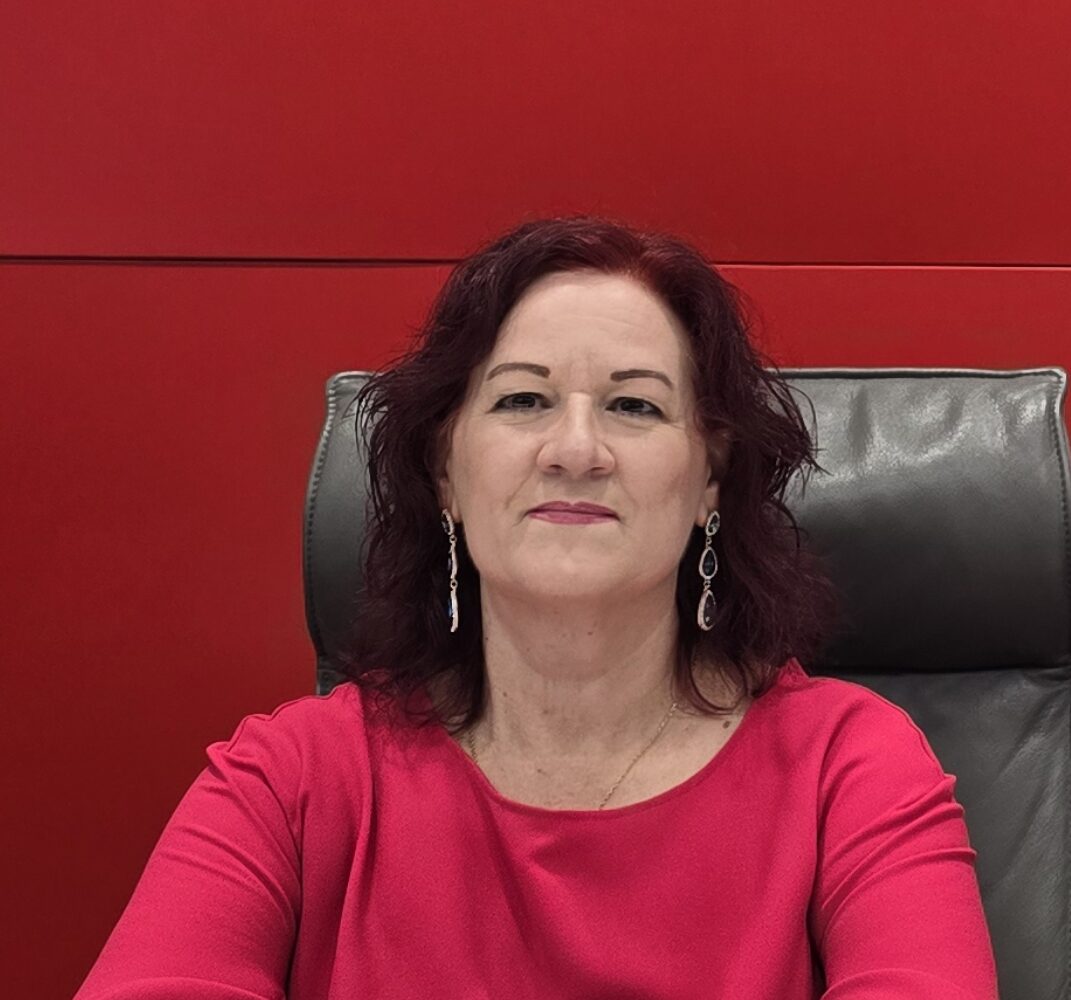
To mark World X-Linked Hypophosphatemia (XLH) Day, we explore the reality and challenges of this rare disease through the experience and voice of Sonia Fernández, president of AERyOH, in a particularly significant year in which the association is celebrating its tenth anniversary.
X-Linked Hypophosphatemia (XLH) is a rare genetic disorder of phosphate metabolism that affects approximately 1 in 20,000 people. The disease is characterized by excessive renal loss of phosphate caused by mutations in the PHEX gene, leading to chronically low levels of phosphorus in the blood (hypophosphatemia).
Sonia Fernández, president of the Spanish Association for Hereditary Rickets and Osteomalacia (AERyOH) and a patient with the disease, explains that “our kidneys are healthy, but genetically, they’ve been programmed since birth to excrete all phosphorus. Since bones are composed mainly of calcium and phosphorus, the lack of this mineral results in poor-quality bones, and our skeleton does not develop properly.”
Clinical Manifestations: The Impact of Phosphorus Throughout Life
A persistent phosphorus deficiency affects the body at every stage of life, leading to various complications as the years go by. When children begin to walk, their own body weight causes their legs to bend into a bow-legged or “X”-shaped stance. Short stature, growth retardation, and joint or muscle pain are also common .
Later, in adulthood, the condition leads to osteomalacia (softening of the bones). This results in hairline fractures and pseudofractures thatare difficult to heal, early-onset osteoarthritis, stiffness, enthesopathies ( calcification of ligaments), and constant chronic pain.
Furthermore, it also affects oral and hearing health. A lack of mineralization affects the structure of the jaw, leading to premature tooth loss. In addition, changes in the bones of the skull can impair hearing.
Regarding the implications for daily life and the oral health consequences, Sonia highlights the psychological and social burden that this entails.
“Without good-quality bone, your teeth fall out on their own. Finding yourself toothless at age 20 when you’re looking for a job takes a huge psychological toll. On top of that, your skull also becomes misshapen, and there comes a point where you can hear but can’t understand, requiring a hearing aid that isn’t covered by the healthcare system either,” says Sonia.
The Challenge of Diagnosis and the Lack of Understanding of “Invisible” Disabilities
The path to an accurate diagnosis is often long and complex. XLH is frequently mistaken for achondroplasia, osteogenesis imperfecta, or—in adulthood—for rheumatic diseases such as fibromyalgia or ankylosing spondylitis, due to widespread pain.
In addition to diagnostic delays, there is the difficulty in getting government agencies to recognize the impact of invisible symptoms. “In childhood, leg deformities are very visible, but this is not the case in adulthood if they have been corrected. Pain is something intangible that isn’t quantified or evaluated in medical boards. When you apply for disability benefits because you’re in excruciating pain but it isn’t visible, you aren’t recognized as being unable to perform your usual job,” says Sonia.
Added to this is the experience of daily pain and the toll it takes on everyday activities:“We get by on pain and painkillers. By the afternoon, your ‘batteries’ start to run low until you can’t control your body anymore. It’s very difficult to live with XLH without anyone noticing, because people don’t understand the level of pain this disease subjects us to,” adds the president of AERyOH.
AERYoH: Ten Years of Support, Networking, and Science
To mark this global observance, AERyOH is celebrating 10 years since its official registration. The association was born out of a joint effort by several families who connected through social media. Today, it serves as an essential source of support and guidance.
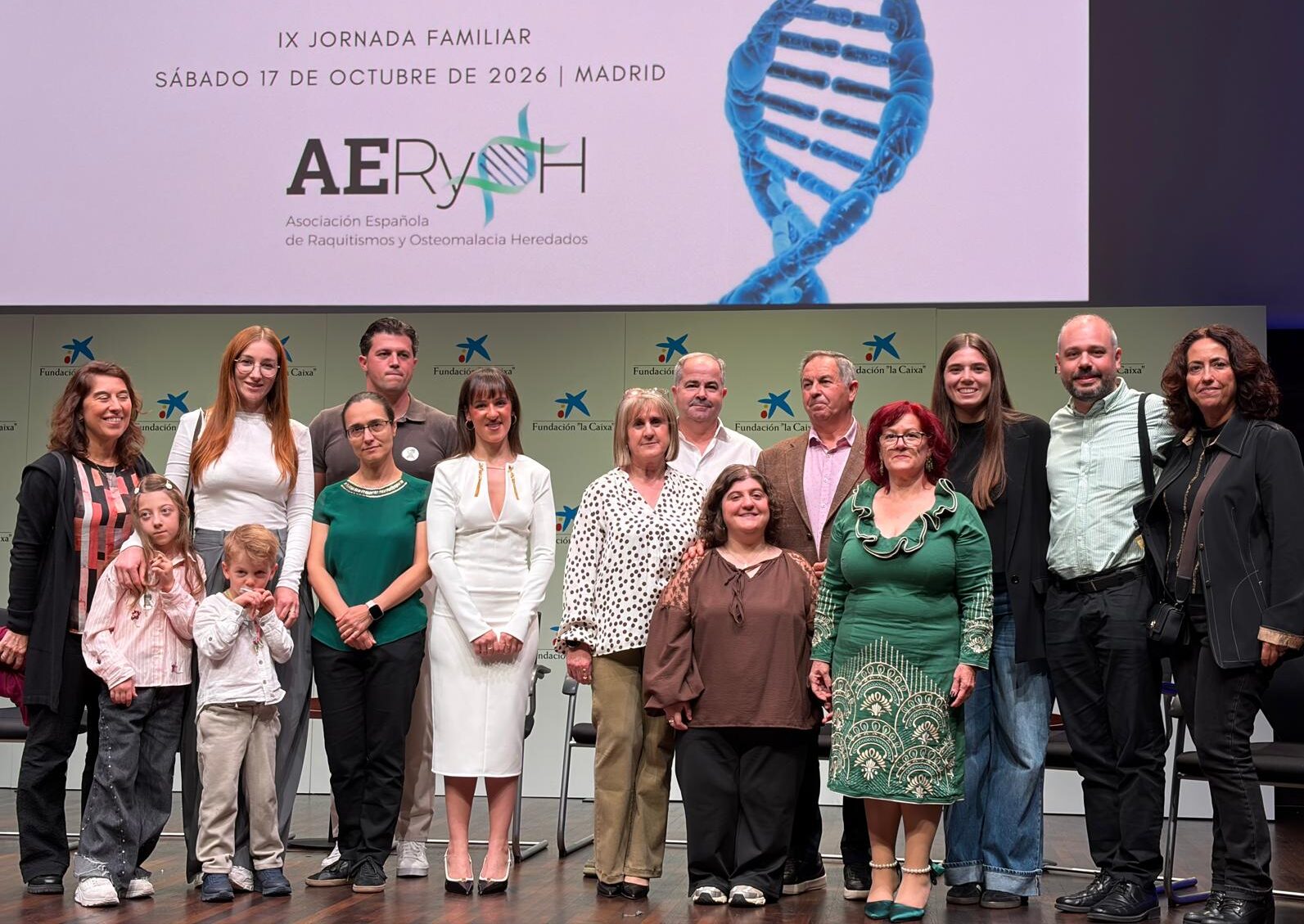
“Many families come to the association in tears and devastated when they’re told their child has XLH. For me, it’s essential to reassure the parents, to tell them that their children will lead as normal a life as possible. At AERyOH, they find a medical advisory committee that understands the disease, as well as psychological support and legal counseling; it’s like opening the doors to another world,” says Sonia.
In the scientific sphere, the president highlights the association’s involvement in national and international biomedical research ( as part of networks such as FEDER, ALIBER, and EURORDIS). “Without research, we cannot make progress or develop innovative treatments that improve patients’ quality of life. “In Spain, we have excellent scientists and researchers, and our association is ready to collaborate on any project that benefits people with XLH,” Sonia notes.
A Call for Empathy and Inclusion
In her closing remarks on World Day, Sonia Fernández calls on society and public institutions to promote the genuine inclusion of patients and their families.
“I’m calling for a little more empathy—not just from people, but from public institutions as well. Please take our health issues into account: just because we don’t use a wheelchair or have bowed legs doesn’t mean our daily lives aren’t difficult. We need our disabilities to be recognized, and we need our children in schools to have the necessary accommodations, such as not having to carry heavy loads. If we all help each other, we can make the world a much better place,” Sonia concludes.