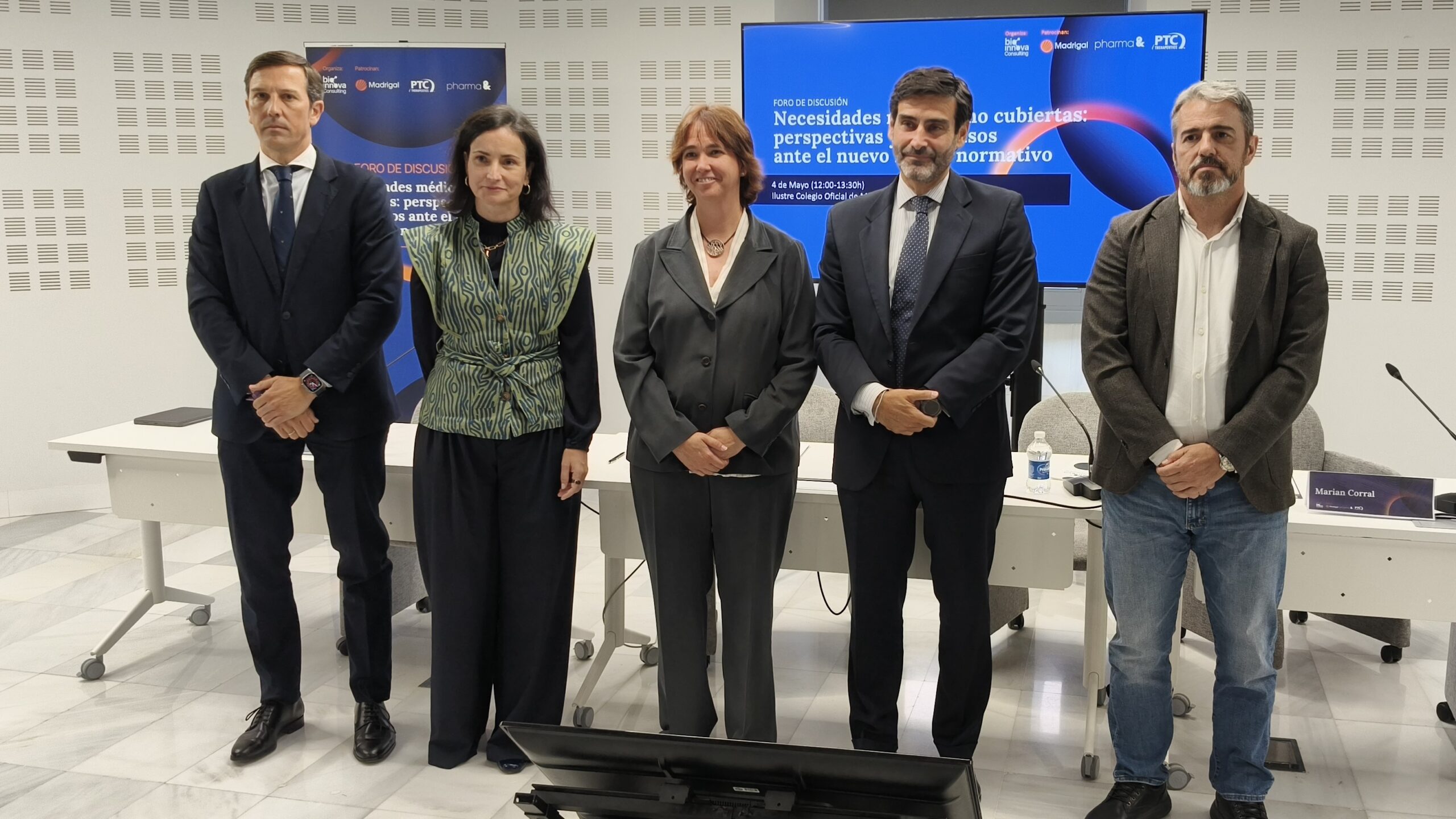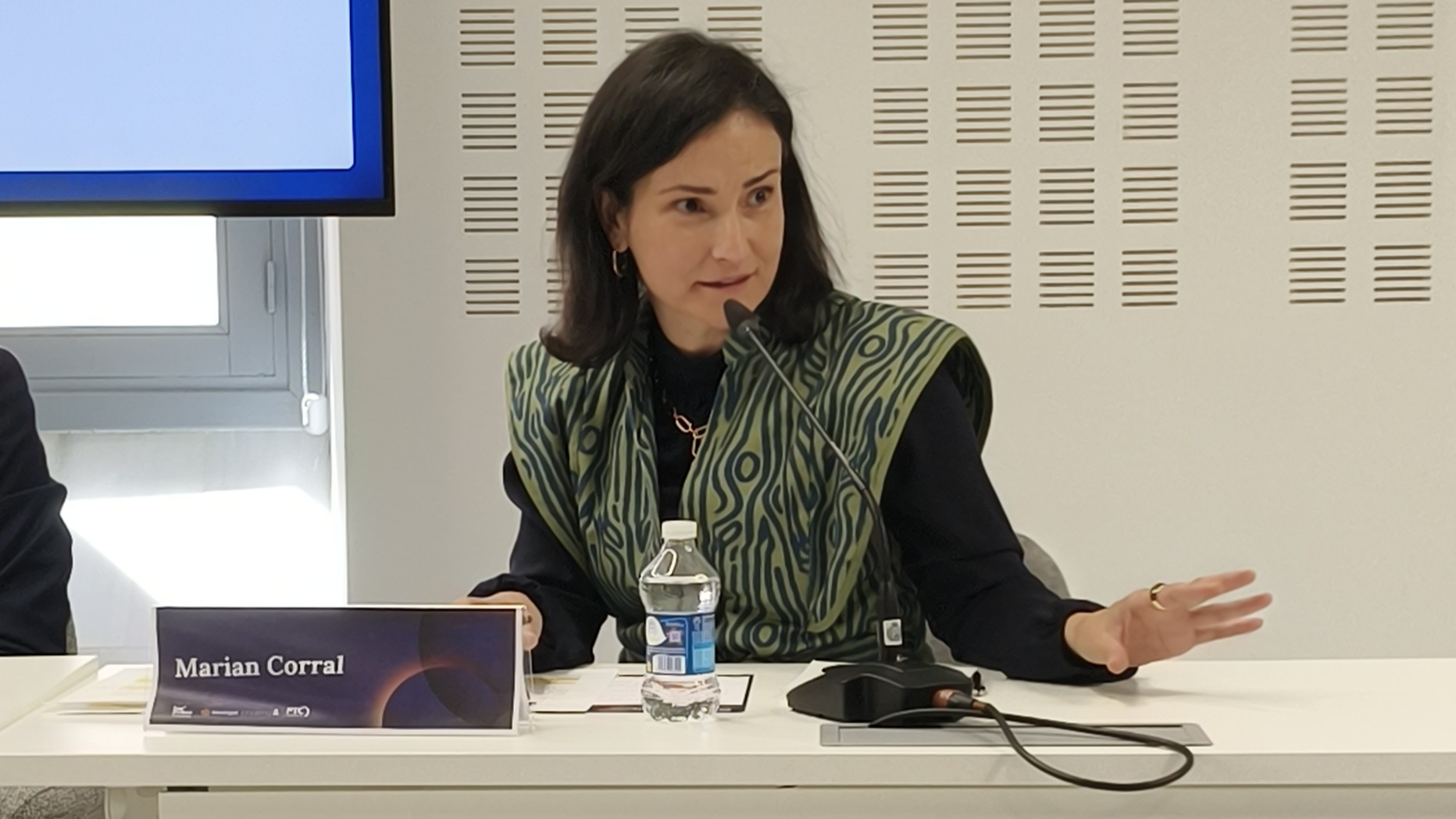
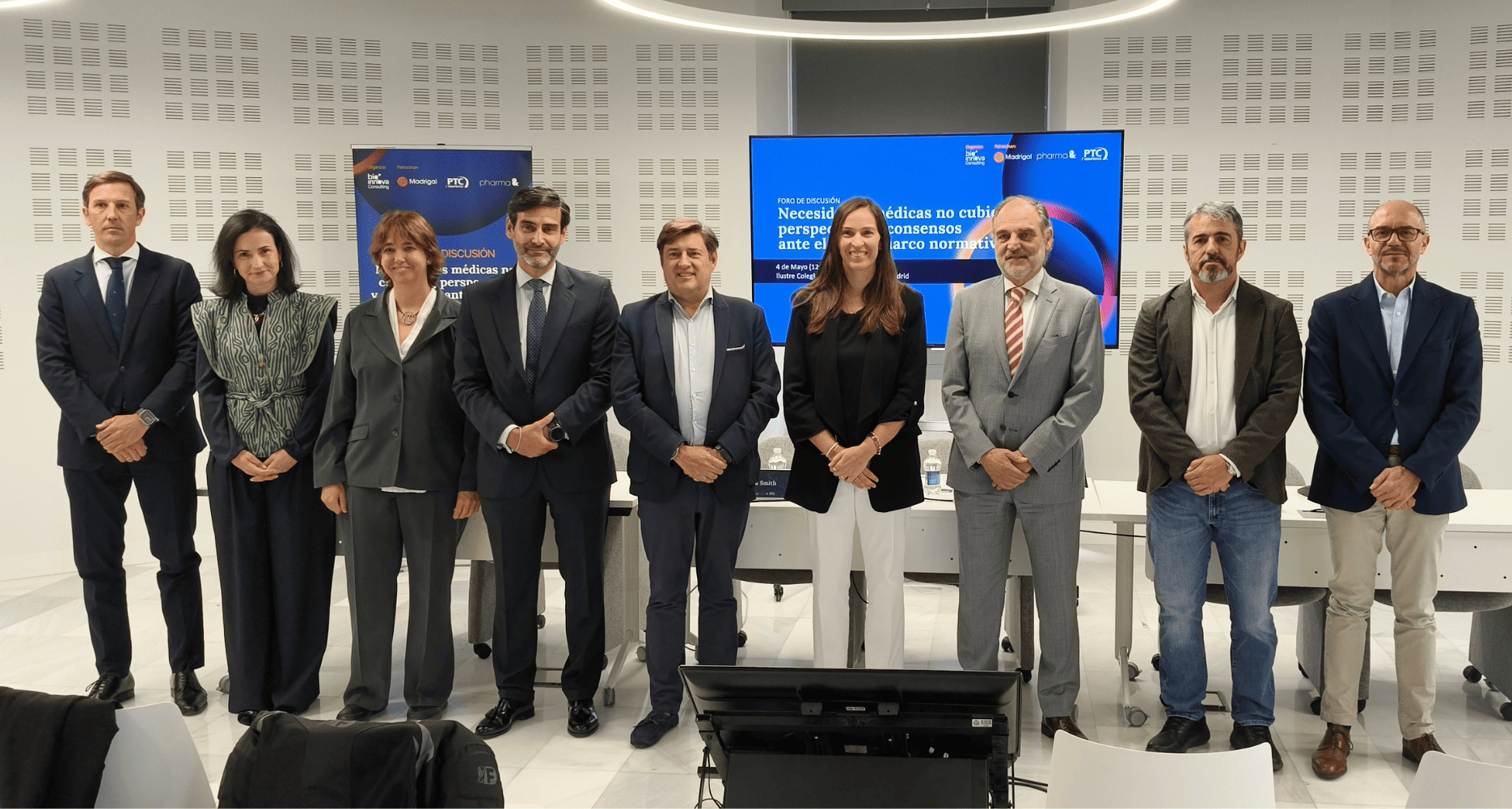
Marian Corral, director of the Spanish Association of Orphan and Ultra-Orphan Drug Laboratories (AELMHU), participated on Monday in the discussion forum “Unmet Medical Needs: Perspectives and Consensus on the New Regulatory Framework, ’ organized by Bioinnova Consulting. The forum analyzed the impact of the new European pharmaceutical package on drug development, how the definition of unmet medical need is addressed, and what implications this may have for innovation in Europe.
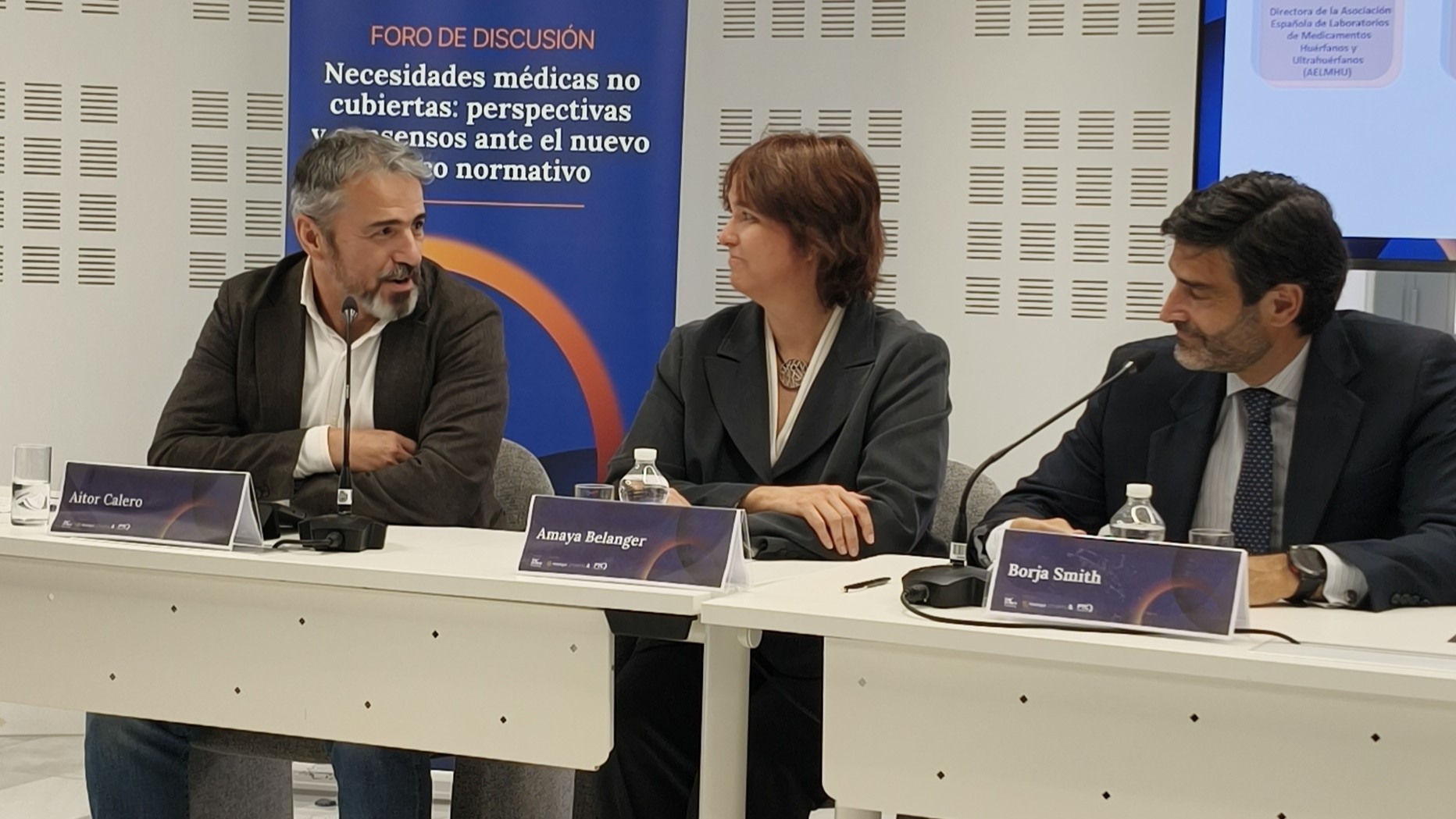
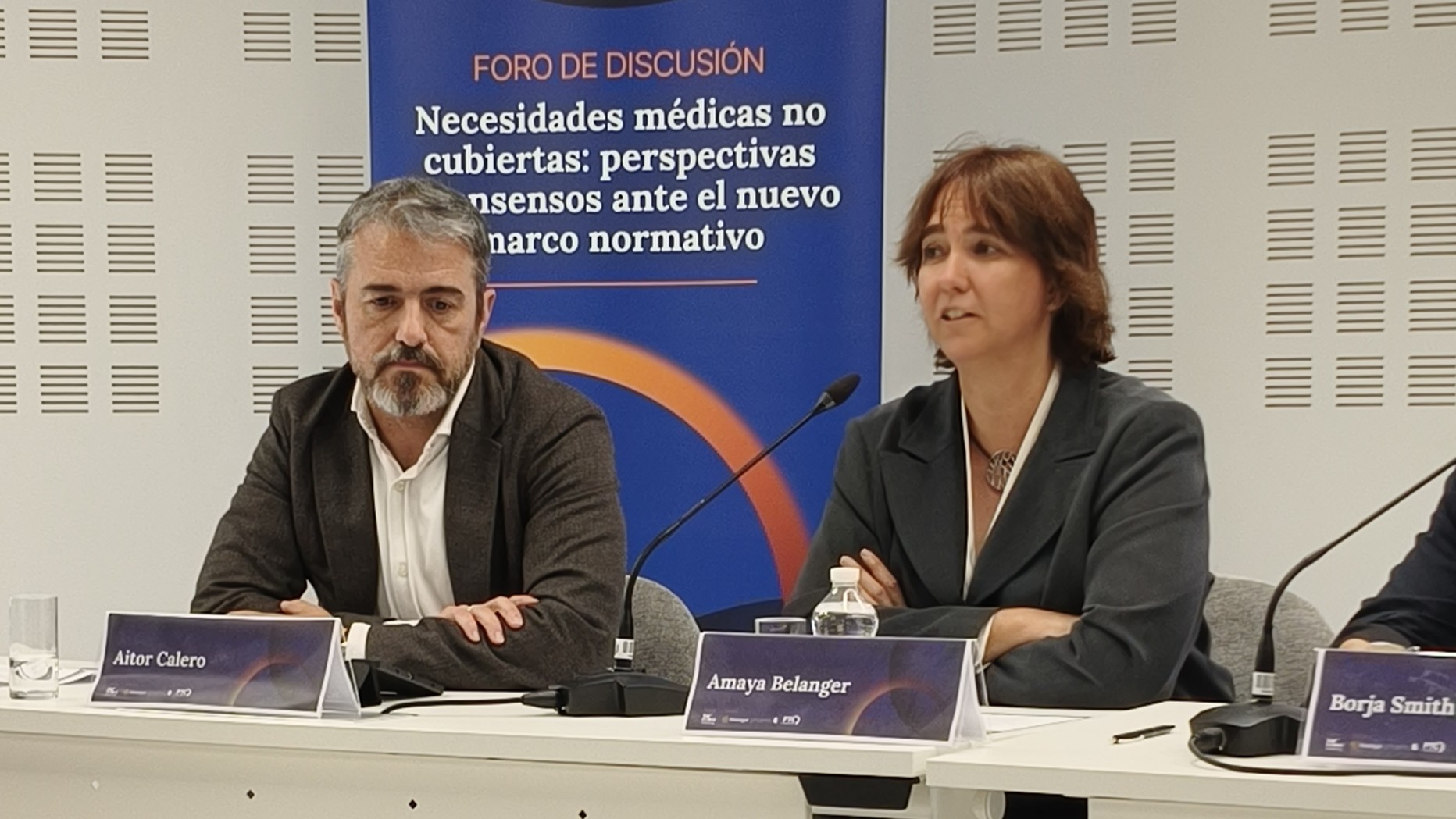
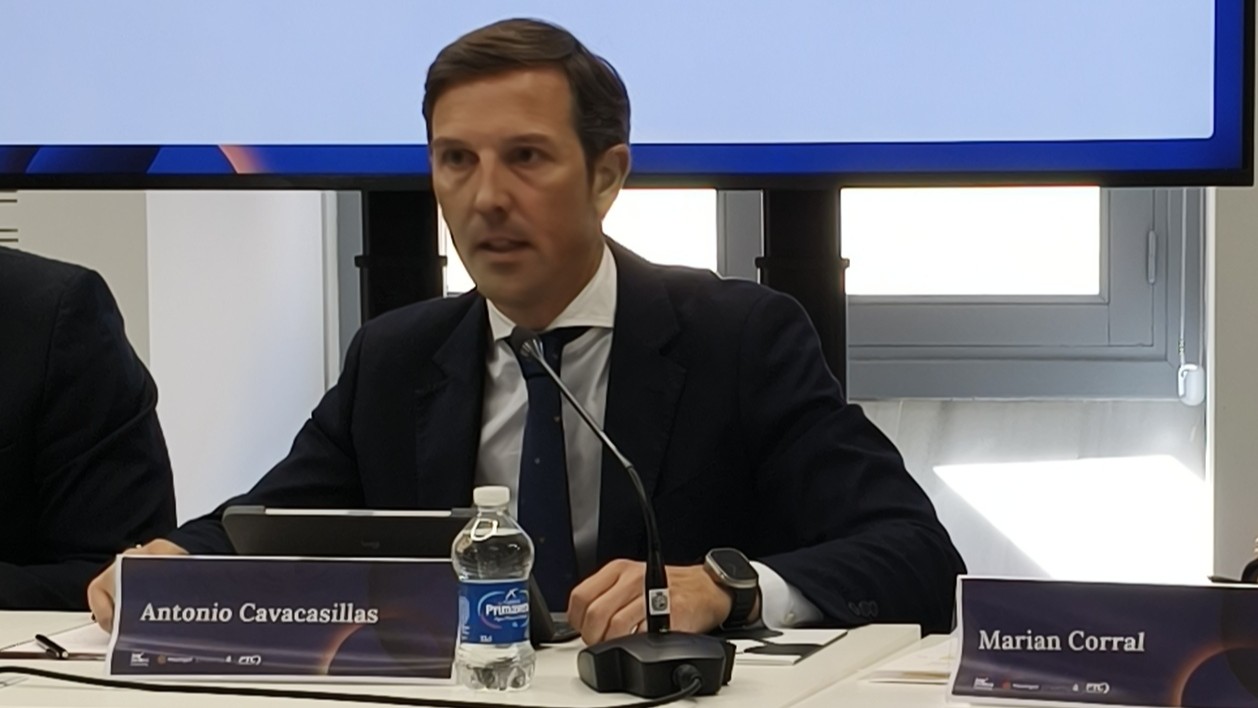
At the panel discussion ‘Building Consensus: Implications for Defining Unmet Medical Needs,’ the director of AELMHU was joined by Antonio Cavacasillas, spokesperson for the Health Committee of the Popular Parliamentary Group in the Congress of Deputies; Amaya Belanger, from the Metabolic Diseases Unit at Ramón y Cajal University Hospital; and Aitor Calero, president of the Spanish Federation of Hereditary Metabolic Diseases (FEEMH).
Marian Corral has emphasized the importance of moving toward a clear, harmonized, and not overly restrictive definition of unmet medical need, since incentives and R&D investment decisions will depend directly on how this concept is defined.
He also emphasized that this debate is particularly relevant in the field of rare diseases, where uncertainty is an inherent part of the scientific reality and should not become an additional barrier to innovation.
“Having a clear definition will make it possible to focus the pharmaceutical industry’s investment on these types of conditions. What companies conducting research on rare diseases need is predictability and clarity,” he noted.
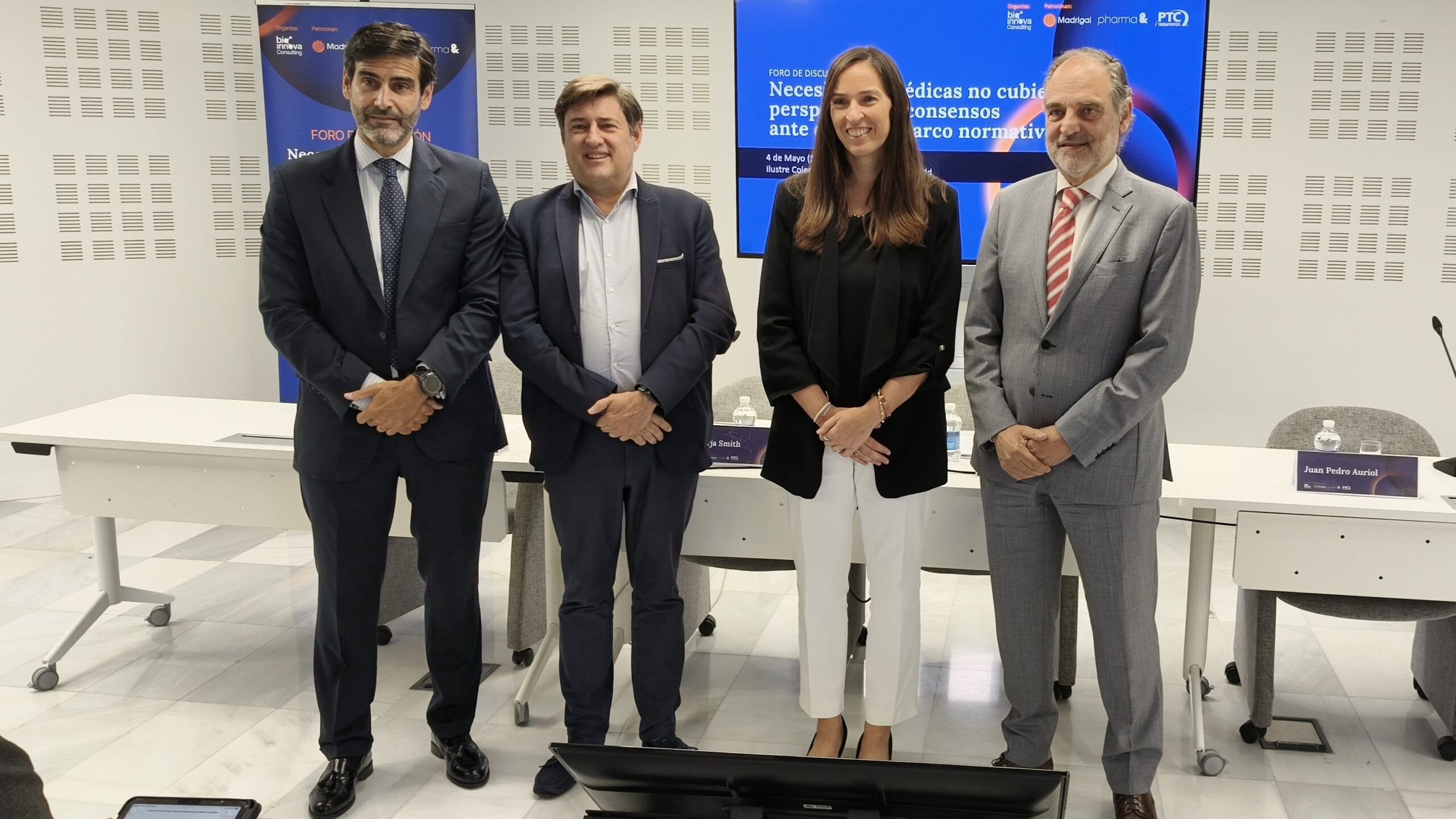
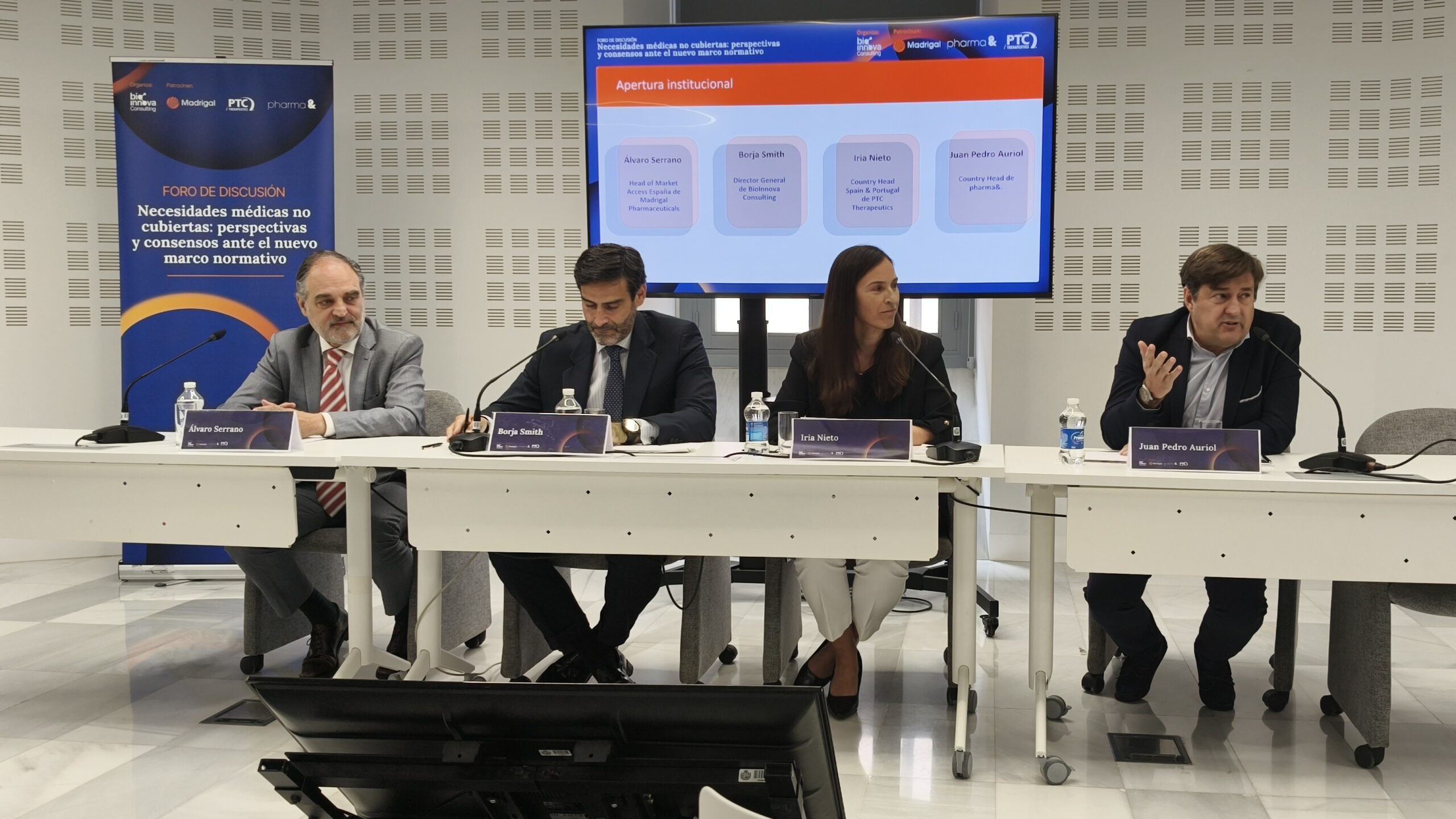
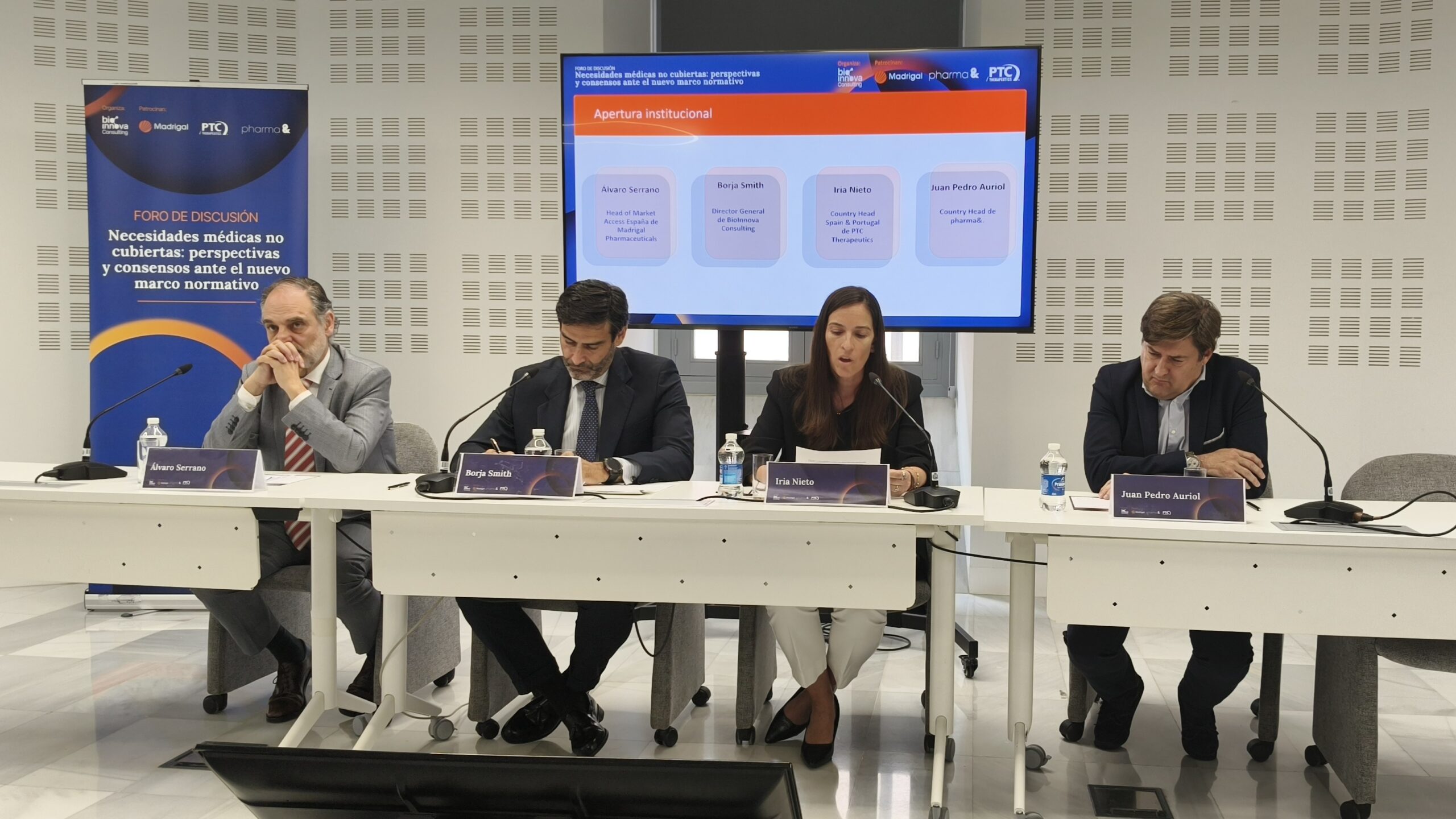
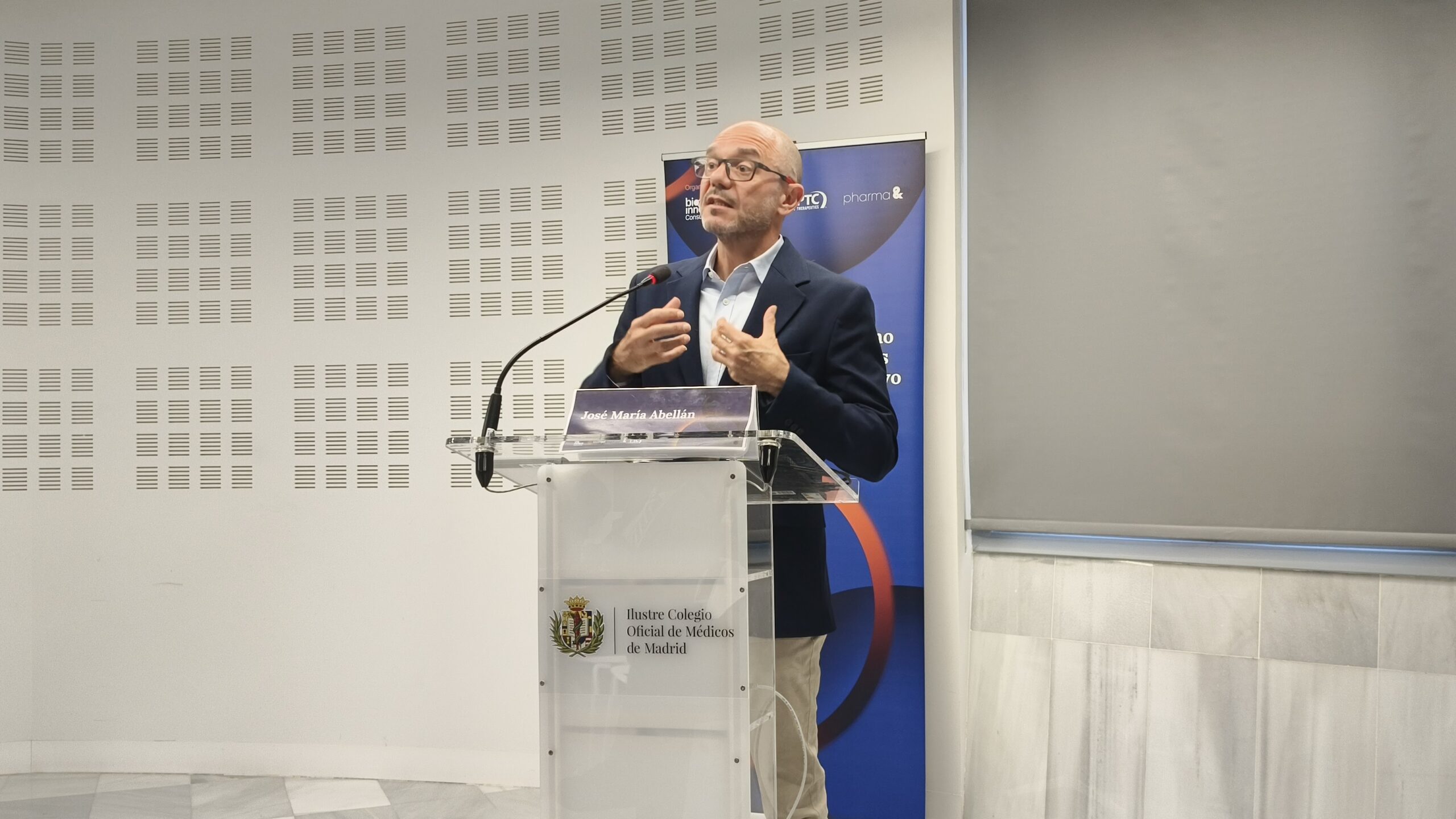
The event, sponsored by Madrigal, pharma&, and PTC Therapeutics, was opened by Borja Smith, CEO of BioInnova Consulting; Álvaro Serrano, Head of Market Access Spain at Madrigal Pharmaceuticals; Juan-Pedro Auriol, Country Head of pharma&; and Iria Nieto, Country Head for Spain & Portugal at PTC Therapeutics. In addition, José María Abellán, professor in the Department of Applied Economics at the University of Murcia, delivered a presentation titled “Defining Unmet Medical Needs within the Framework of New European Legislation.”