
AELMHU has been present, one more year, in the summer course organized by the University of Castilla - La Mancha, in collaboration with the Weber Foundation in Toledo, under the title 'New strategies and trends in the management of rare diseases'.
The conference, which has become a reference event for the sector, aims to generate a space for meeting, analysis and multidisciplinary debate on advances in the field of rare diseases, addressing diagnosis, treatments and access to therapeutic innovation.
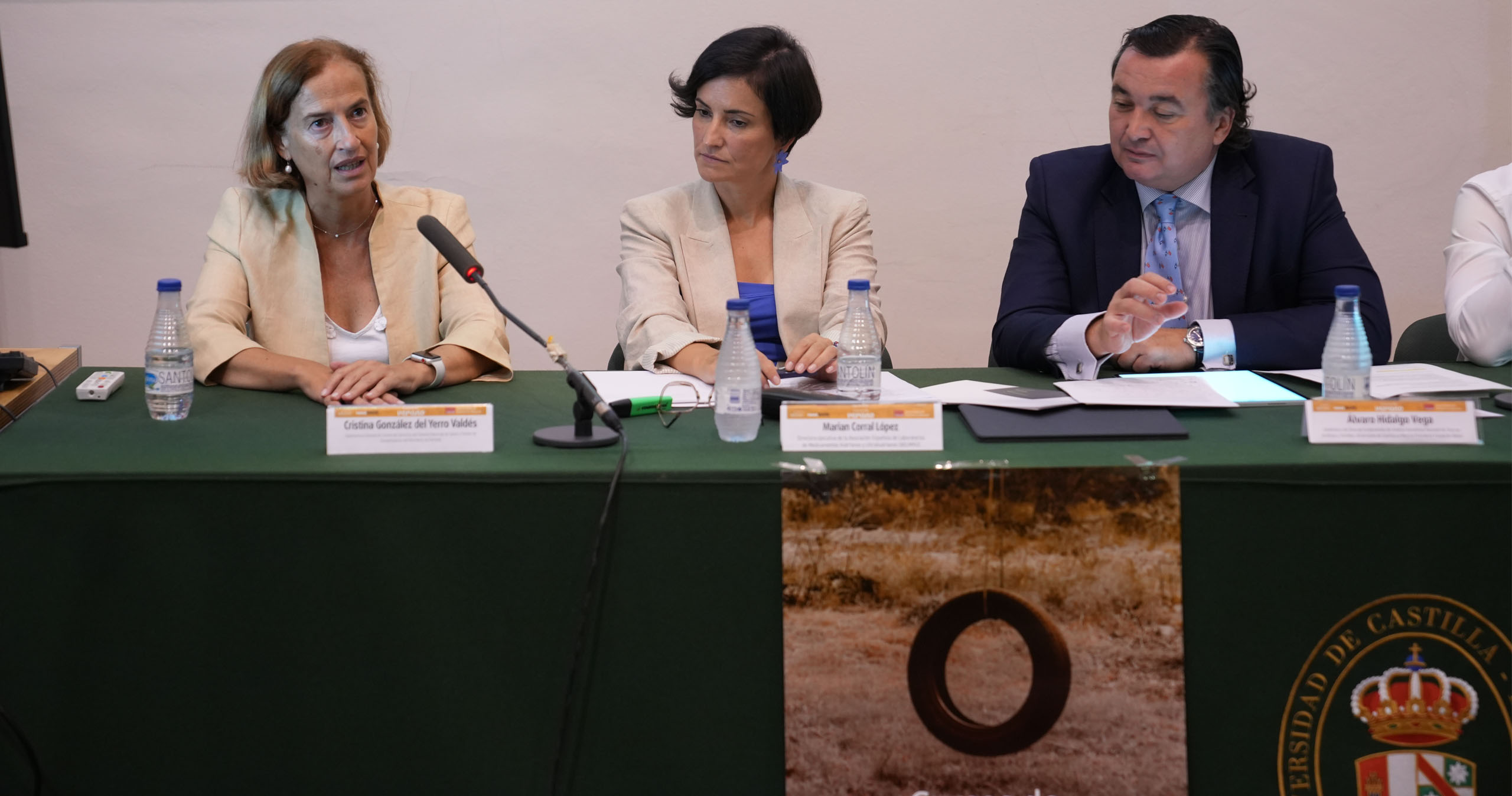
This year, its director, Marian Corral, took part in the round table 'European, national and regional strategies: towards an equitable and sustainable system', accompanied by Cristina González del Yerro Valdes, Deputy Director General of the National Health System Services Portfolio and Compensation Funds of the General Directorate of the National Health System Common Services Portfolio and Pharmacy; Carolina Rodriguez Gay, Head of Information and Patient Care. Subdirección General de Humanización de la Asistencia, Bioética e Información y Atención al Paciente de la Consejería de Sanidad de la Comunidad de Madrid and Roberto Saldaña, representative of the European Patients Academy (EUPATI).
Thus, from AELMHU we highlight the most evident changes that affect orphan drugs (OMHM) and especially the changes that the Orphan Drug Regulation has undergone. This was created with the aim of promoting and encouraging the development of orphan medicinal products, ensuring that they do not fall behind in the race and access to these drugs in comparison with the rest of Europe, Japan and the USA. The revision and updating of the Regulation has been included in the European Pharmaceutical Strategy.
In the same vein, the entire round table agreed that after reviewing the regional, national and European strategies aimed at achieving an equitable and sustainable healthcare system that seek to comprehensively improve the care and attention of people with RDD, it was concluded that, although the direction to follow is clear, it is crucial to engage in dialogue and reach agreements by listening to all the actors involved.