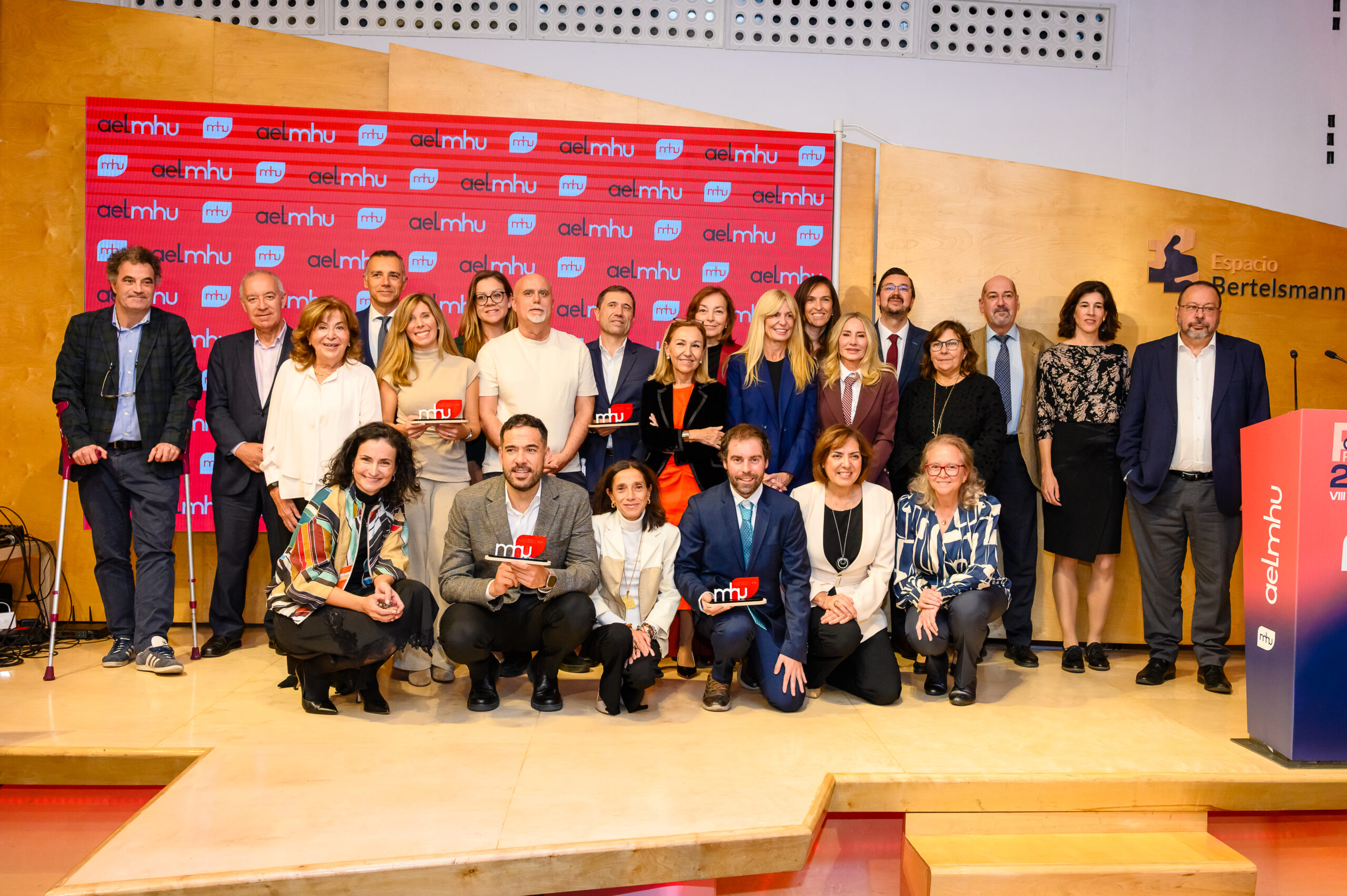
The Spanish Association of Orphan and Ultra-Orphan Drug Laboratories (AELMHU) has presented the 8th edition of its annual awards, which recognize the most outstanding contributions by institutions, patient associations, and healthcare professionals in the field of rare diseases.
The ceremony, hosted by journalist Ruth Jiménez, was attended by representatives from healthcare institutions, the pharmaceutical industry, healthcare professionals and researchers, patient associations, as well as the members of the jury for this eighth edition.
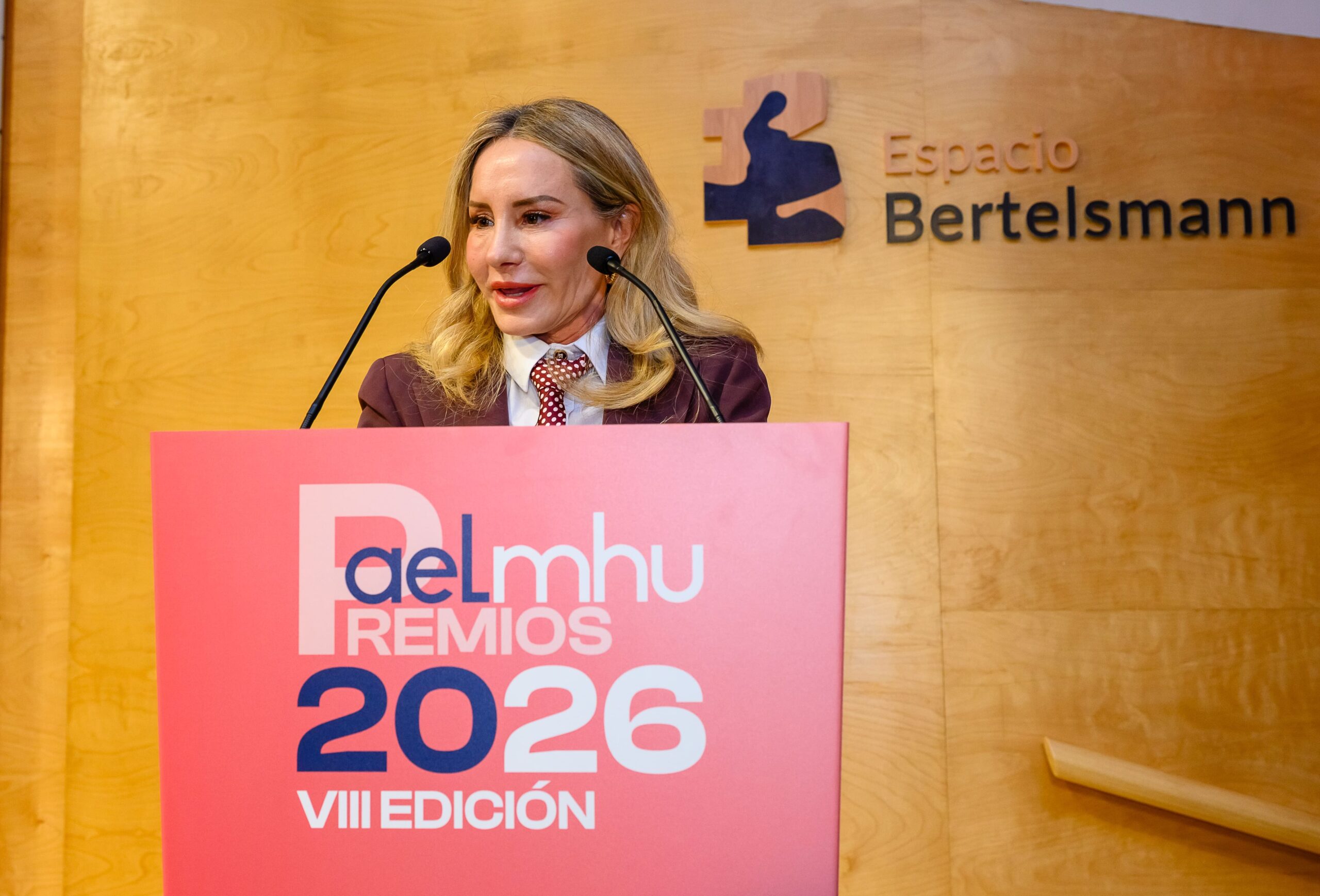
Ms. Beatriz Perales, president of AELMHU, emphasized that these awards recognize the recipients’ commitment to people with rare diseases —a goal shared by AELMHU. She also noted that, over the course of its 15-year history, the association “has strengthened its dialogue with health authorities. “This is a dialogue we value and wish to continue strengthening so that we can work together to address the issues that still require progress, always with the goal of making Spain an attractive destination for companies and investment.” In fact, a couple of weeks ago, AELMHU presented the document “AELMHU’s 10 Priorities for the Next Legislative Term”with the goal of “contributing to the debate with proposals that continue to keep rare diseases on the public agenda and foster a broad and lasting commitment,” noted Beatriz Perales.
The event was opened by Dr. Raquel Yotti, PERTE commissioner for Cutting-Edge Health at the Ministry of Science, Innovation, and Universities, who highlighted the challenges that still persist in addressing rare diseases—in research, healthcare, and public awareness. “In research, there are still many areas where knowledge needs to be generated; in healthcare, we must consider that things can be done differently—more precisely, with greater personalization, and supported by new technologies; and in society, because what is not known is very unlikely to be among society’s priorities,” she emphasized.
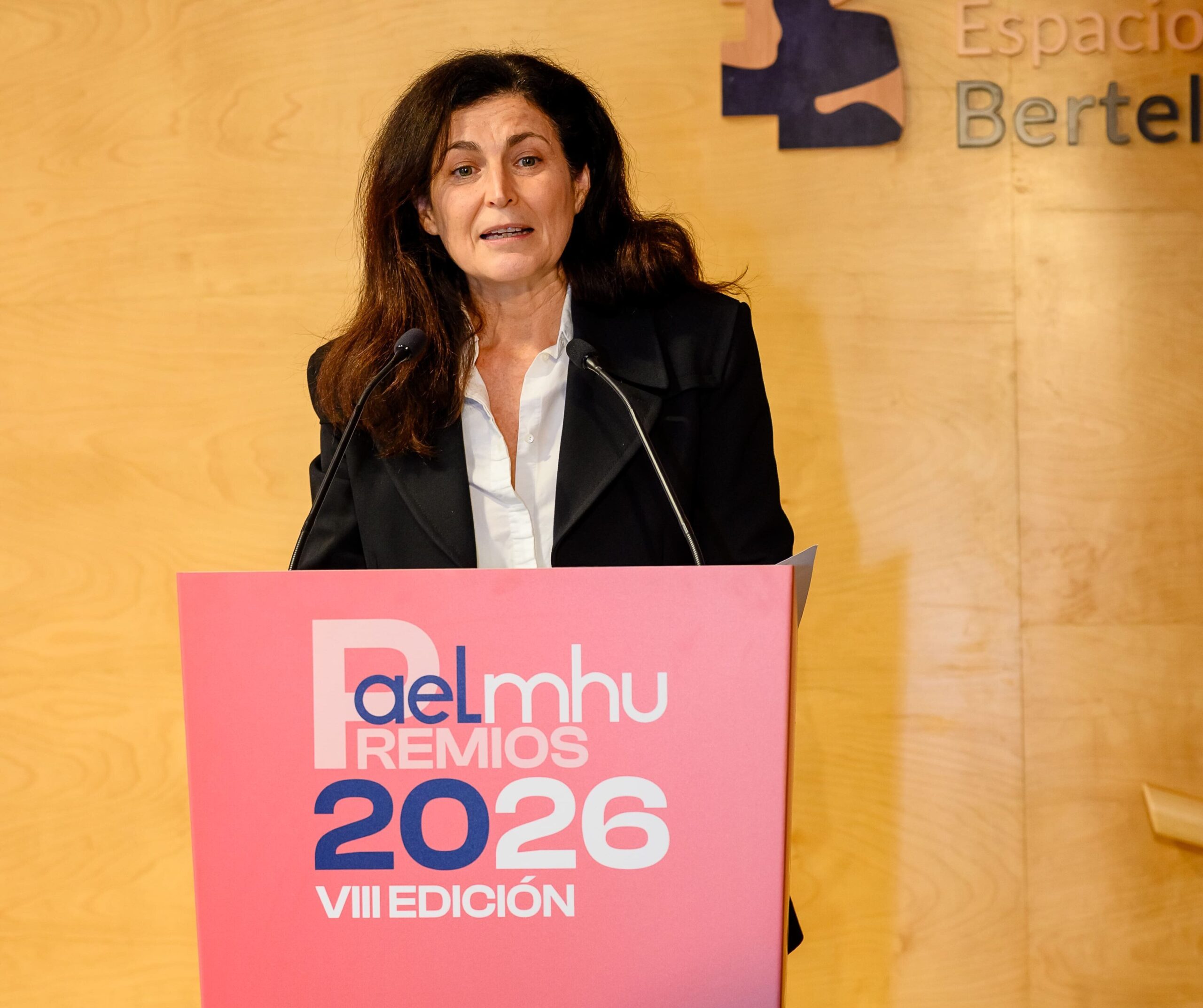
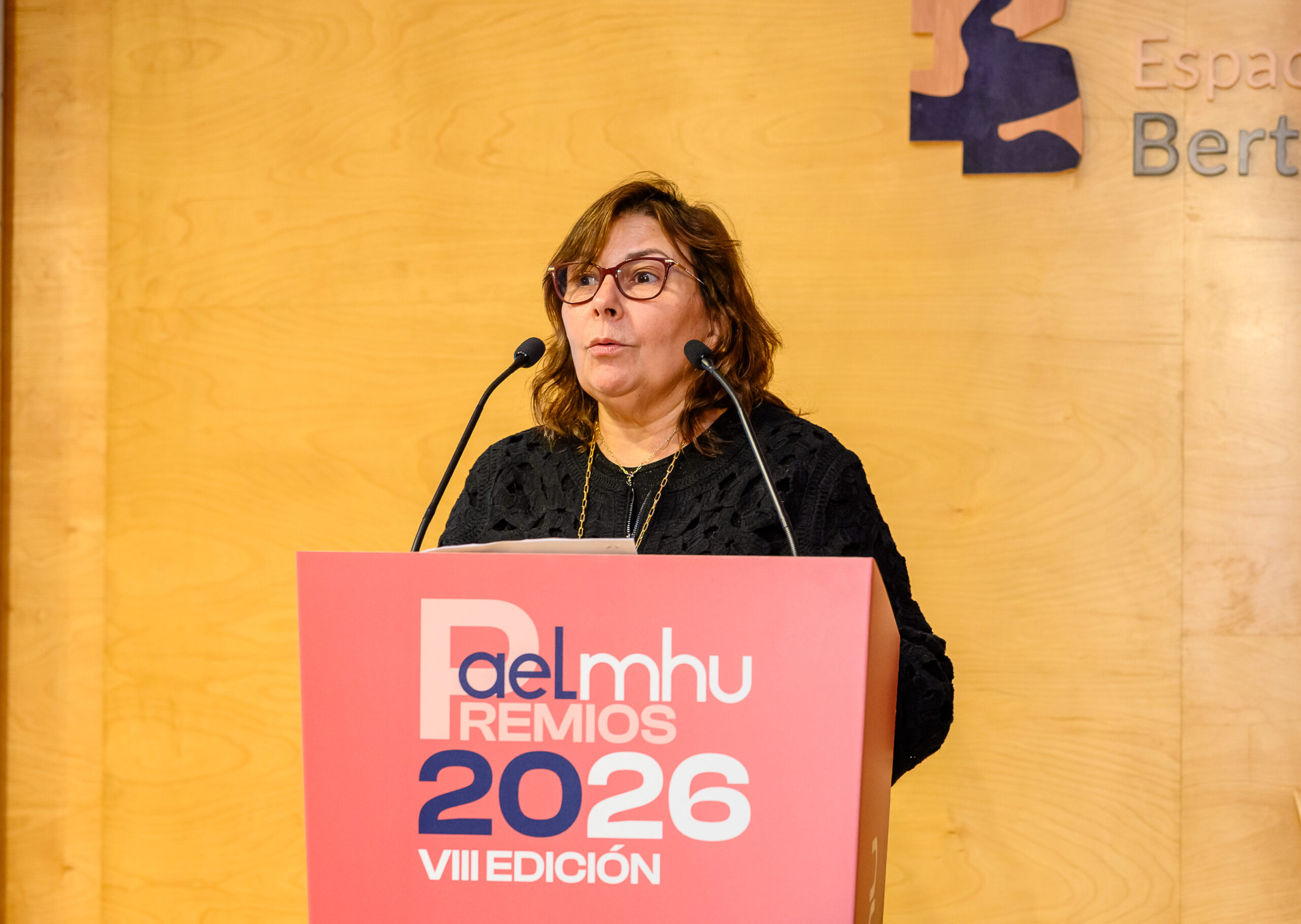
For her part, Dr. Belén Pérez, president of the Spanish Association of Human Genetics (AEGH), spoke on behalf of the jury and highlighted the growing participation and the quality of the nominations submitted. “This year we received 78 nominations, 11% more than last year. The quality of the projects submitted was very high, and in some cases, the evaluations were very close.” She also noted that these results reflect the consolidation of the AELMHU Awards as a benchmark in the field of rare diseases and the commitment of those who work every day to improve the lives of people living with these conditions.
The award recipients reflect the progress made in the field of rare diseases
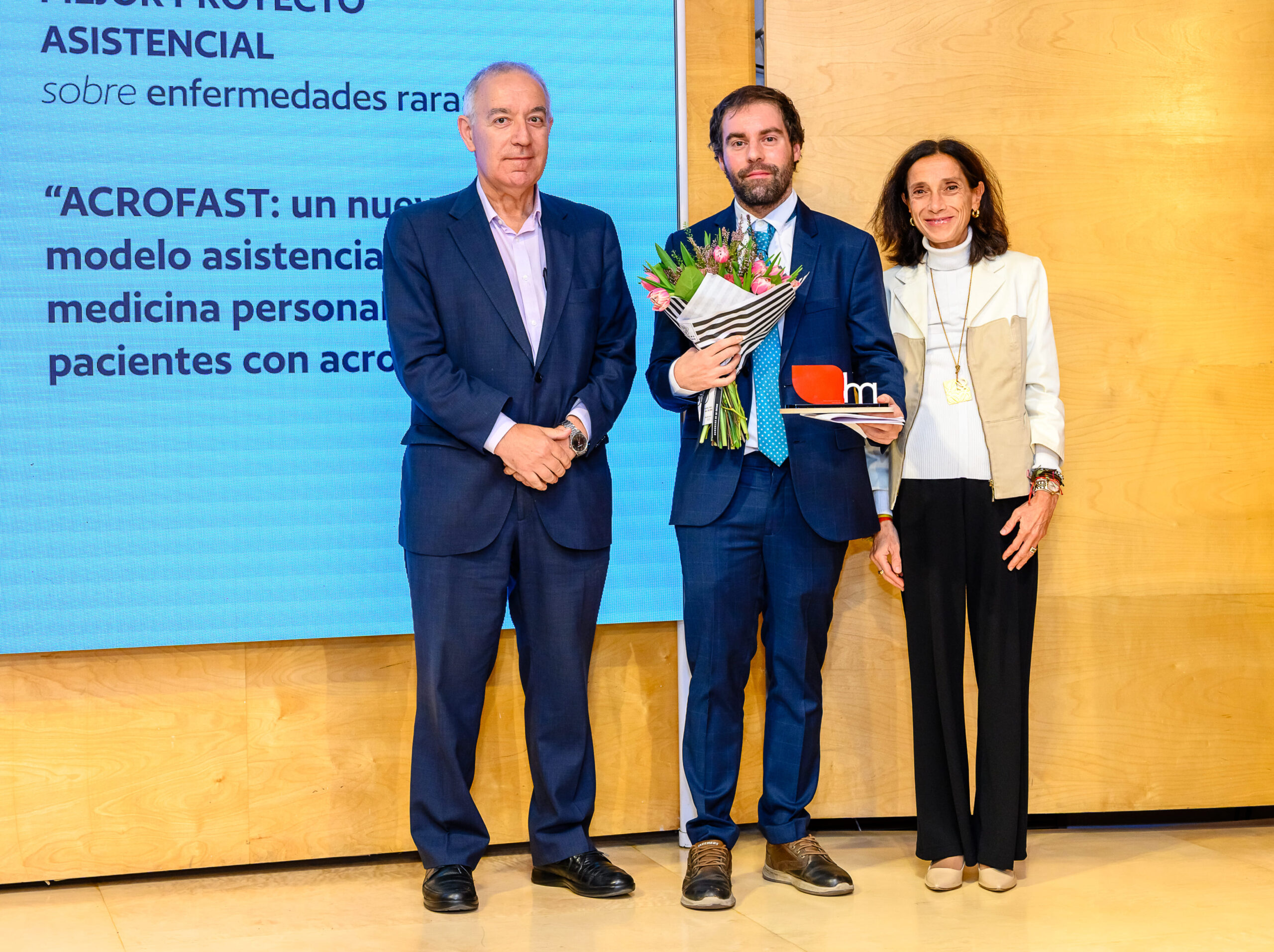
During the ceremony, the award for the best patient care project on rare diseases went to“ACROFAST: a new personalized medicine care model for patients with acromegaly,” a multicenter project led by endocrinologists and researchers specializing in acromegaly. The project aims to implement a personalized medicine care model for this rare disease, which is characterized by its clinical complexity and its impact on quality of life. Dr. Joan Gil Ortega, from the Biomedical Research Network Center for Rare Diseases (CIBERER), accepted the award on behalf of all participants.
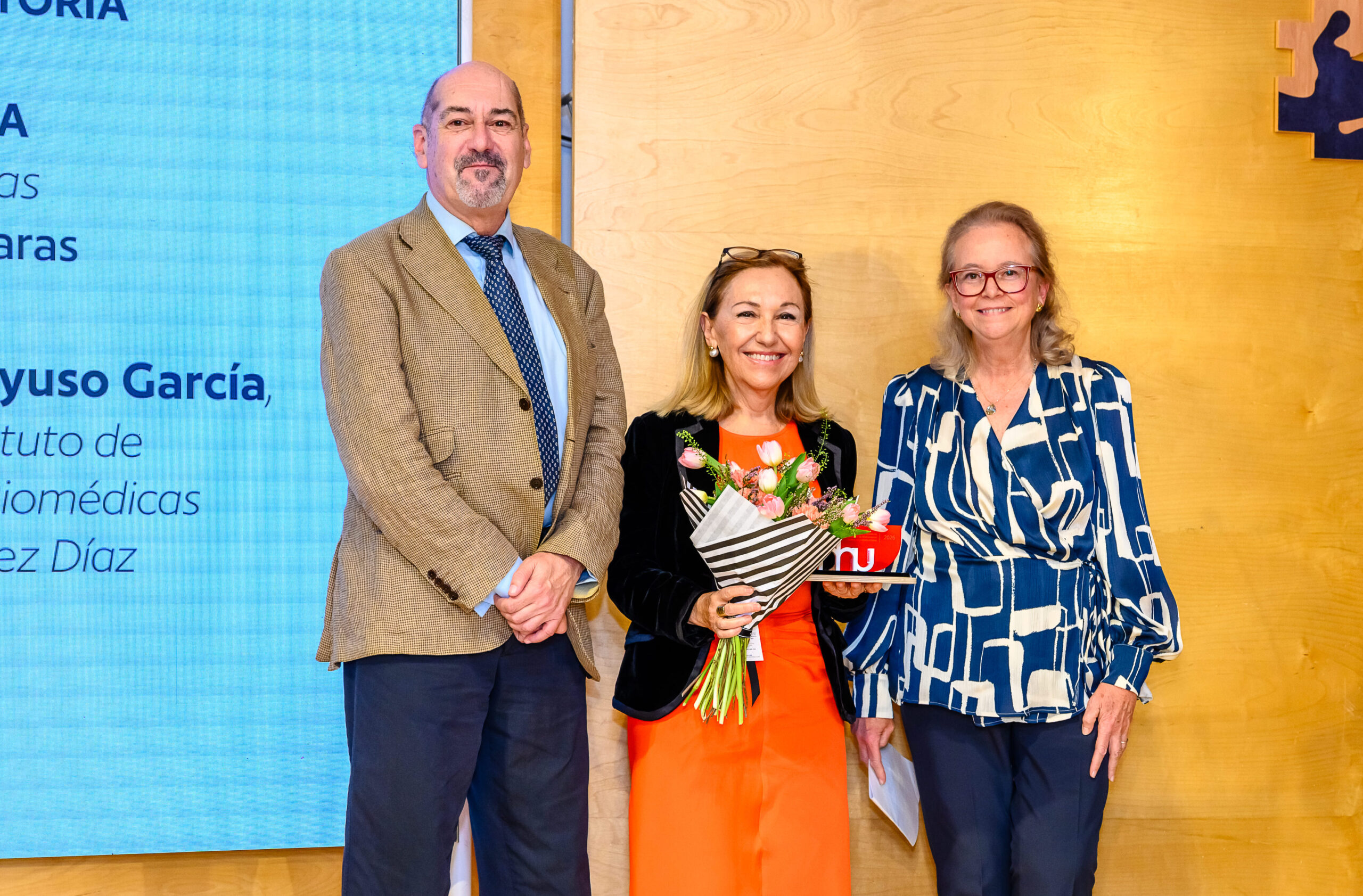
For her part, Dr. Carmen Ayuso García has been honored with the award for the best professional research career for her decades-long contribution to our understanding of rare diseases, both through genetic research and through the coordination of national and international projects. Dr. Ayuso is head of the Genetics Department at the Jiménez Díaz Foundation University Hospital, scientific director of the Jiménez Díaz Foundation Institute for Health Research (IIS-FJD), and co-coordinator of IMPaCT Genomics at the Carlos III Health Institute. During her remarks, she emphasized the need to “continue working to ensure that people with rare diseases receive diagnoses as quickly as possible, have access to better treatment options, and can fully benefit from the scientific and technological advances we are witnessing.”
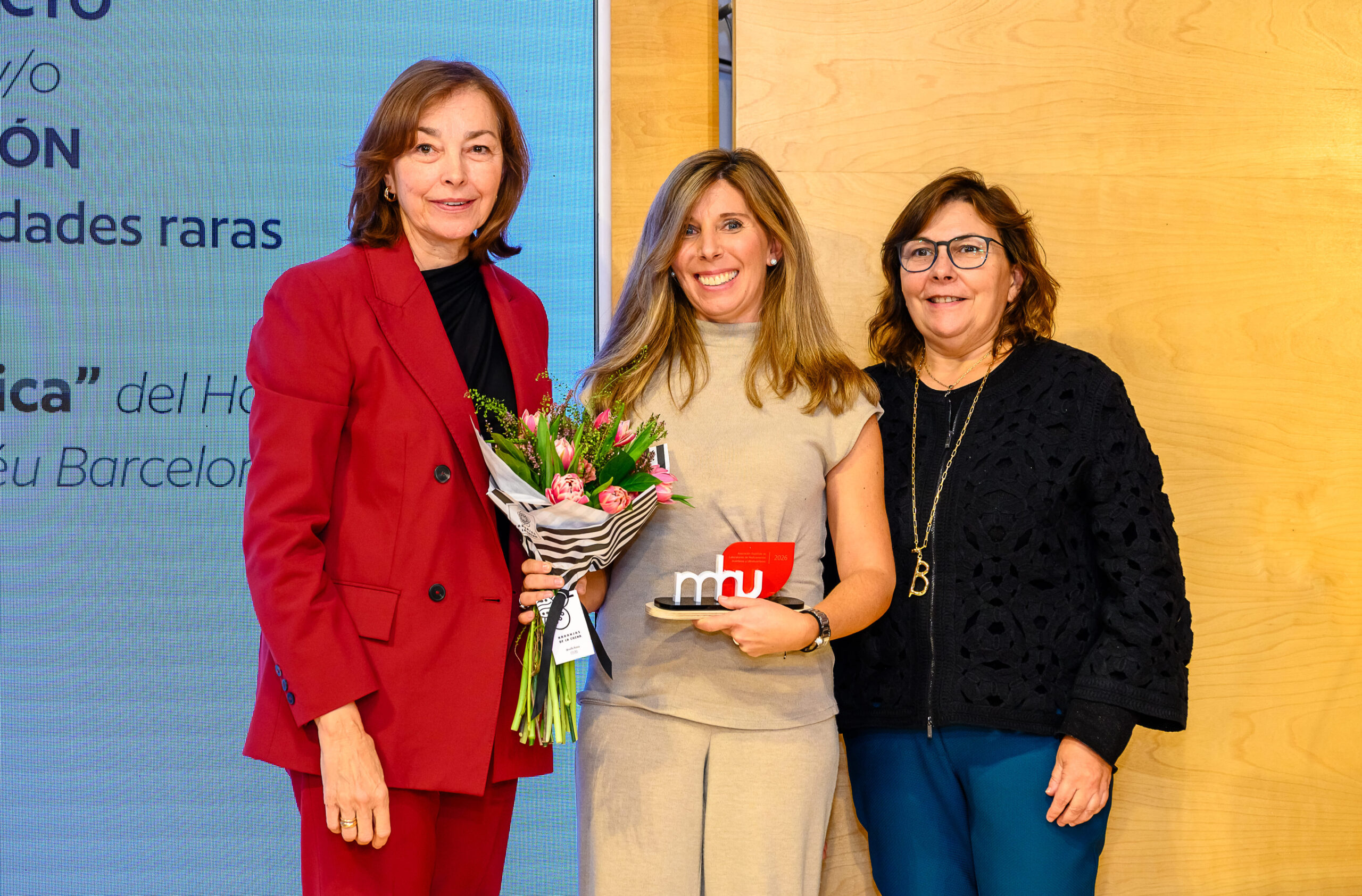
The award for the best project promoting awareness and/or education about rare diseases went to the “El Viaje de Nica” campaign, an initiative that seeks to highlight the consequences of delayed diagnosis and promote equitable access to advanced genomic diagnosis through the IMPaCT-GENÓMICA program, launched by the Carlos III Health Institute and coordinated by CIBERER. Its goal is to ensure that no child is left behind due to a lack of resources or because of where they live.Ms. Mariana Romero, campaign manager at the Sant Joan de Déu Hospital in Barcelona, accepted the award.
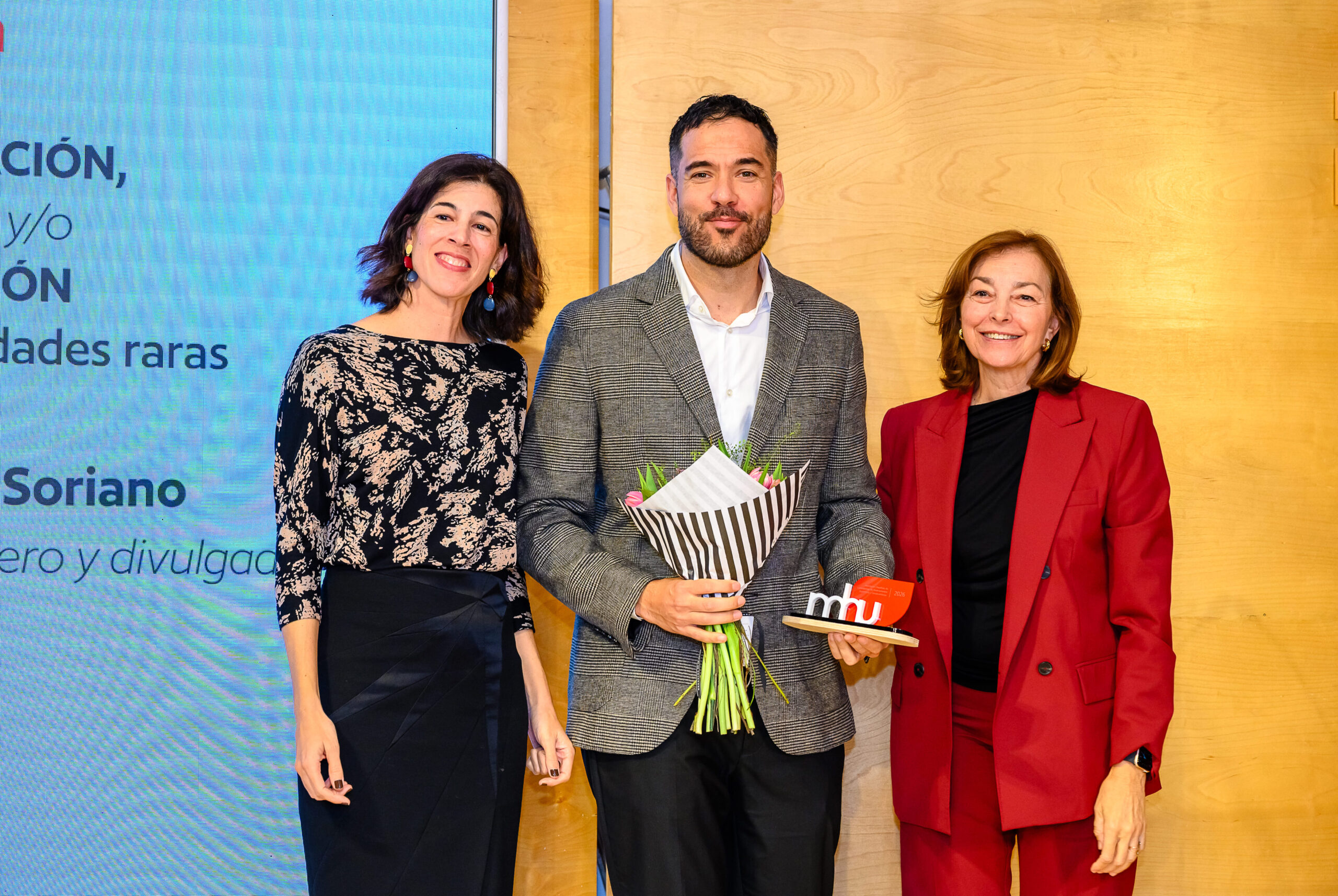
In the category of best work in communication, outreach, and/or awareness-raising regarding rare diseases, the award went to nurse Pedro José Soriano Martín for his career in health outreach through digital media and social media. In his acceptance speech, he emphasized the importance of communication as a tool for bringing information to people with rare diseases and their families, as well as for increasing knowledge and awareness of these conditions among society as a whole.
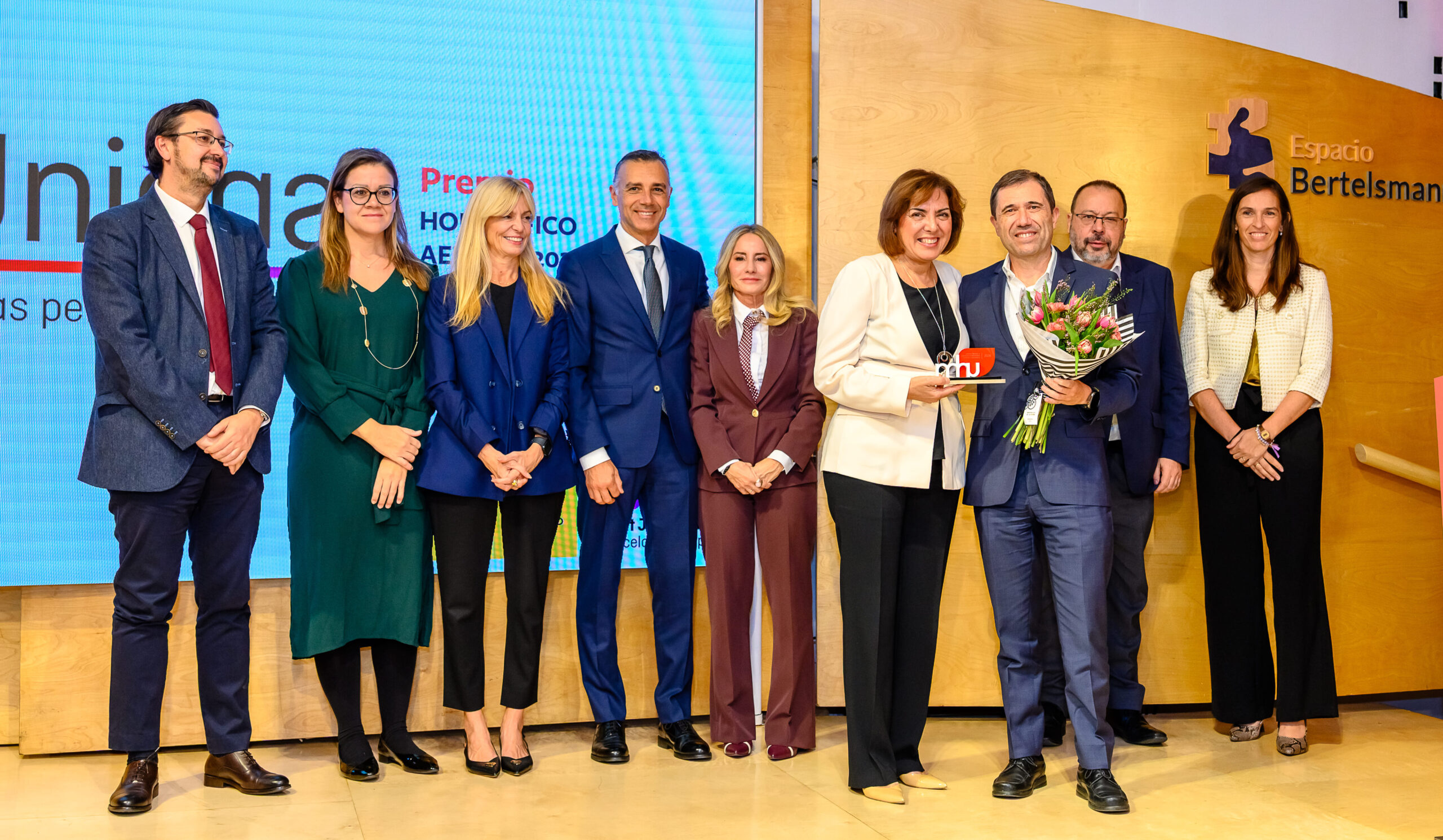
Finally, the Honorary Award, presented by companies affiliated with AELMHU, was awarded to Red ÚNICAS—a network promoted by the Interterritorial Council of the National Health System—in recognition of its contribution to the development of a model for caring for people with rare diseases based on coordination among 30 reference centers, healthcare professionals, researchers, and patient associations. Mr. Juan Fernando Muñoz, Secretary General for Digital Health, Information, and Innovation of the National Health System, and Dr. Encarna Guillén, strategic advisor to Red ÚNICAS, accepted the award and noted that “all the autonomous communities are participating in this project, and it is an example of coordination and of how, with hard work and dedication, initiatives can become a reality to fulfill our dreams and improve people’s lives.”
A Shared Commitment to People with Rare Diseases
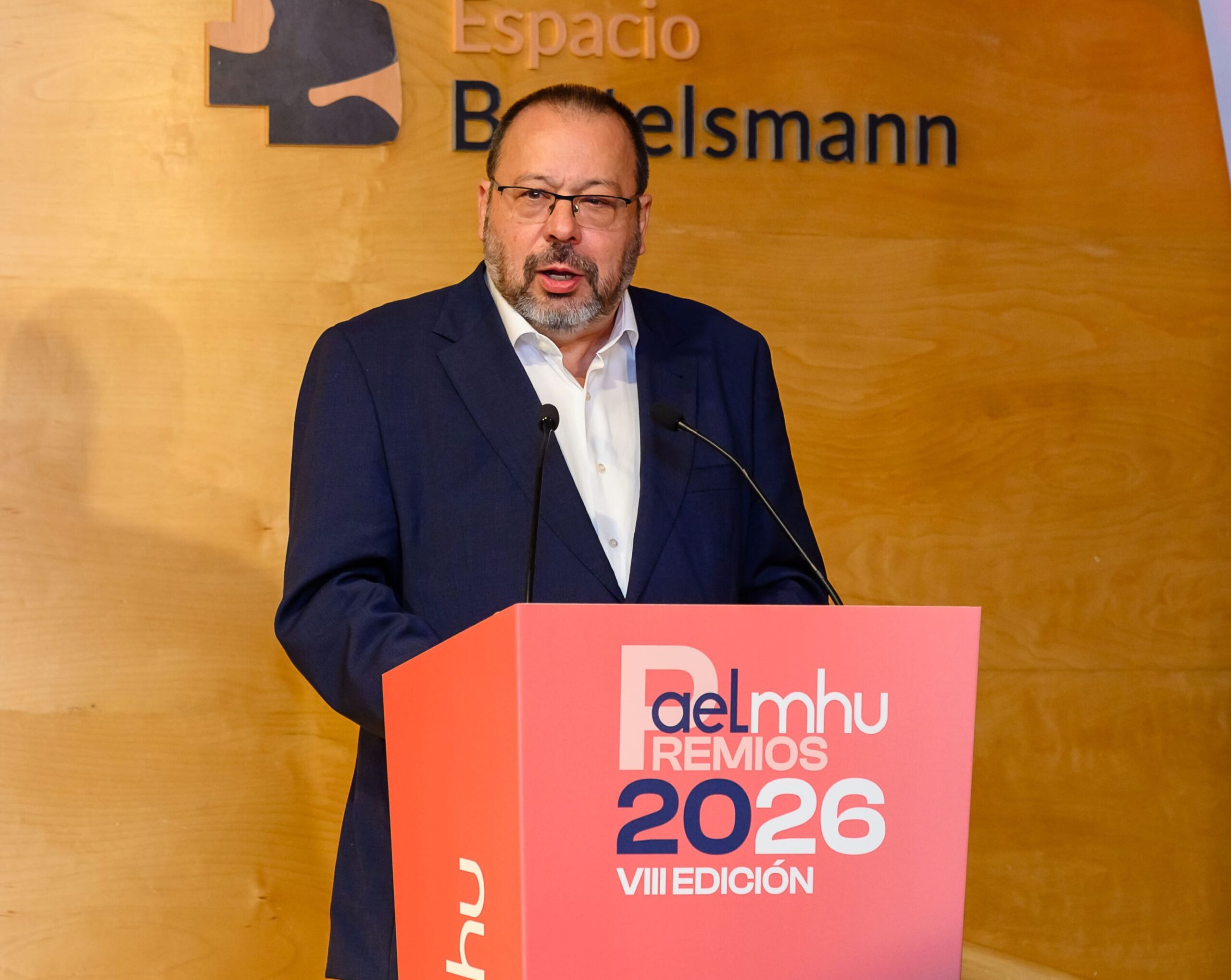
The official closing remarks of the ceremony were delivered by Dr. César Hernández, Director General of the Common Services Portfolio of the National Health and Pharmacy System at the Ministry of Health, who emphasized that “the funding of orphan drugs and the care for rare diseases is a social commitment that goes far beyond the mere availability of a medication. It means creating an entire system that serves individuals, families, and caregivers of people with rare diseases.”
He also called for a shared commitment from all stakeholders involved in addressing these conditions and emphasized the importance of taking a comprehensive approach: “We must all stand together, committed to ensuring that no one is left behind and that everyone has access to solutions, no matter where they come from. We should be proud to be part of a society that leaves no one behind.”
The Beginning of the Story of Rare Diseases
The ceremony concluded with a special, participatory initiative organized by Musical Thinkers, in which award recipients, jury members, institutional representatives, patient associations, scientific societies, companies affiliated with AELMHU, and other attendees helped create the first notes of what will become the melody of rare diseases.
This project, which will be unveiled in the coming months, began as a collective initiative that aims to become an anthem of unity and commitment to people with rare diseases, symbolizing the importance of joining forces, strengthening collaboration, and raising awareness of these conditions.