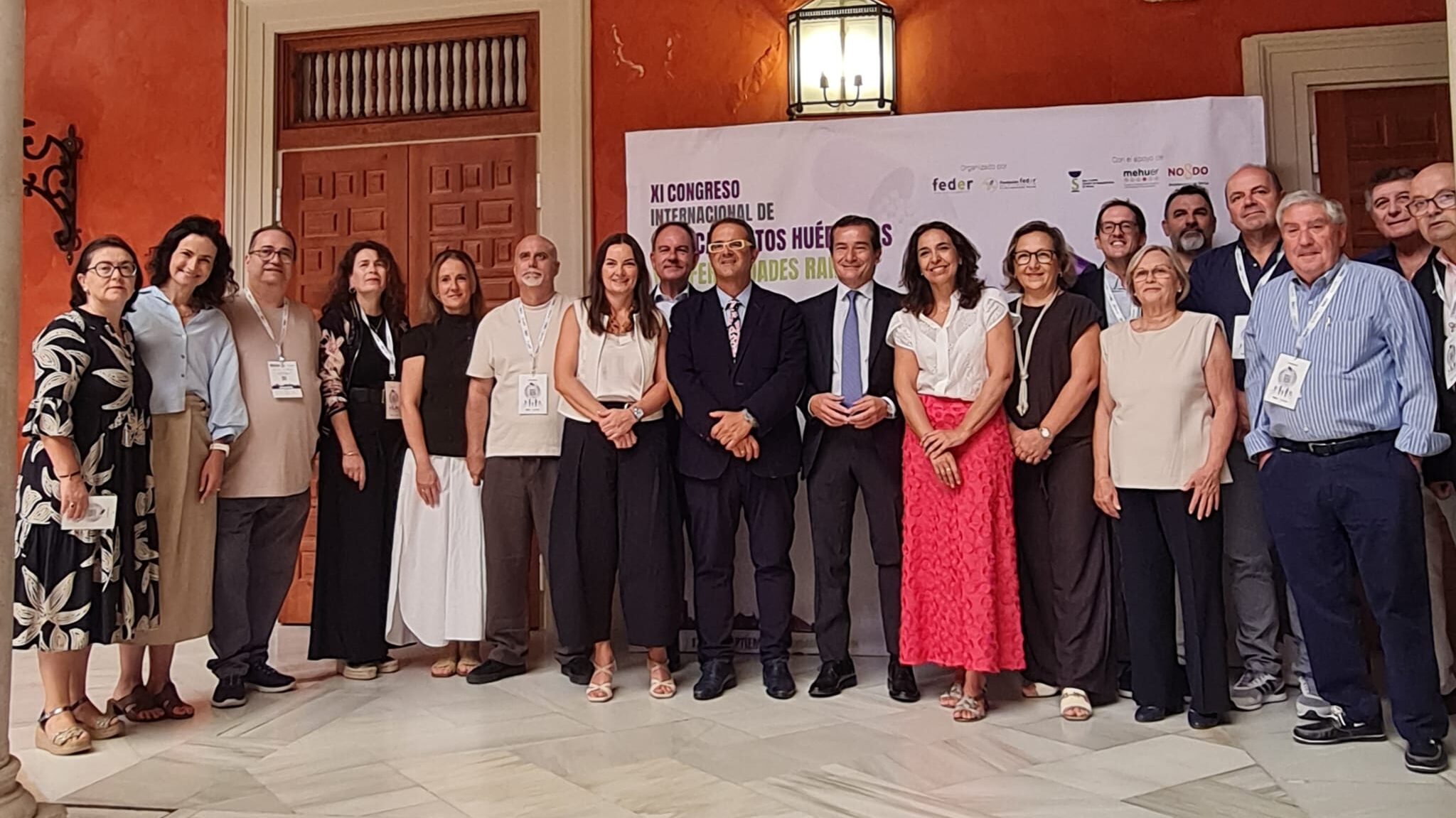
AELMHU participated in the 11th FEDER International Congress on Orphan Drugs and Rare Diseases, held in Seville, which brought together more than 250 patients, professionals, and representatives from patient associations, industry, and health authorities. The association served on the event’s scientific committee and organizing committee.
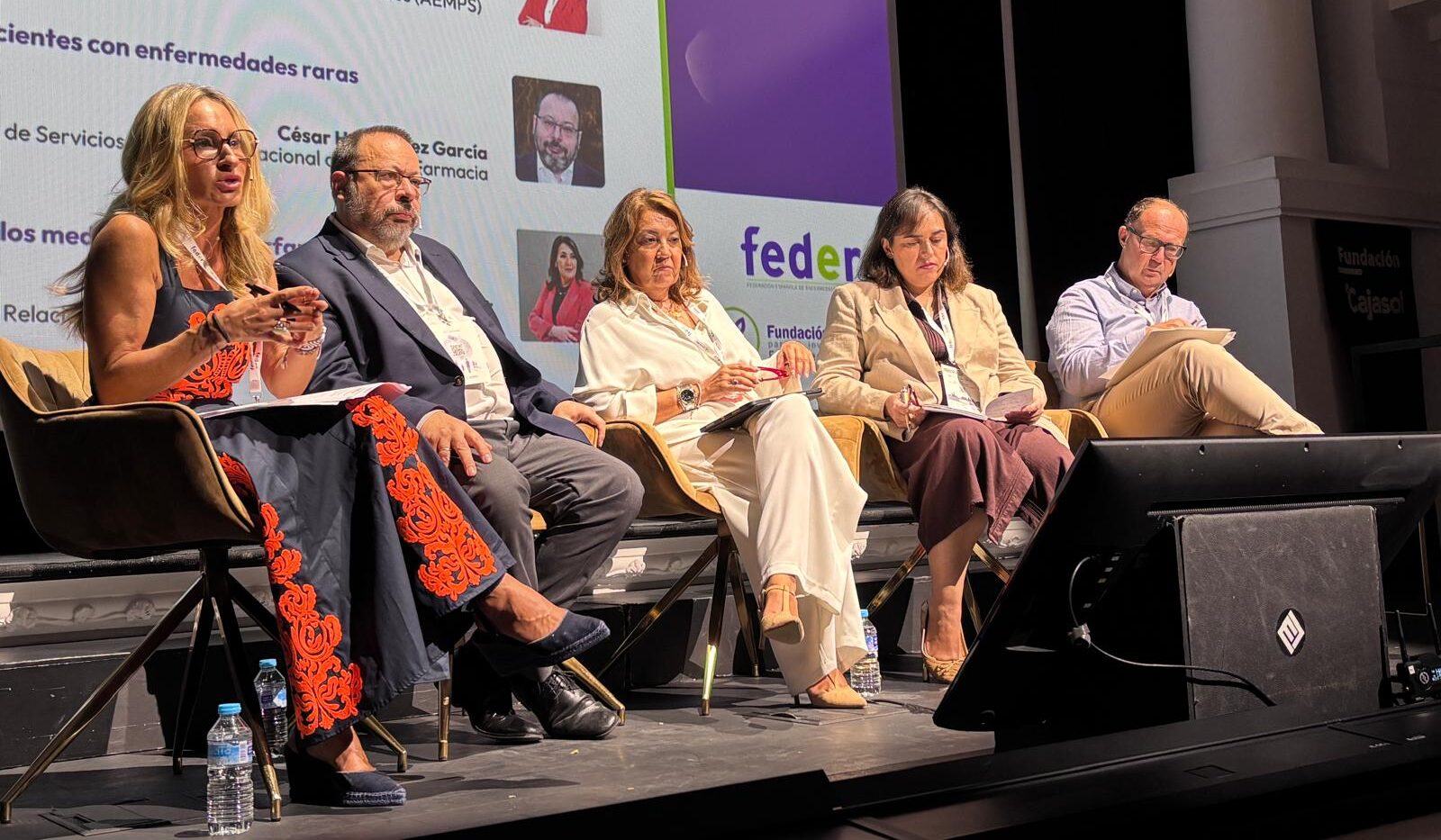
In addition, our president, Beatriz Perales Zamorano, moderated the panel discussion titled “Access and Equity in Orphan Drugs and Advanced Therapies: Progress, Challenges, and Decisions That Impact Patients,” which addressed one of the major current challenges surrounding orphan drugs: how to accelerate evaluation processes and decision-making to expedite access to these treatments.
“When we talk about access, we’re not just talking about whether a drug is covered or not, but also about how long it takes to reach that decision, how uncertainty is managed, what conditions are established, how it is subsequently incorporated into the system, and what differences may arise in its availability and use across different regions,” Beatriz noted in her opening remarks for the panel.
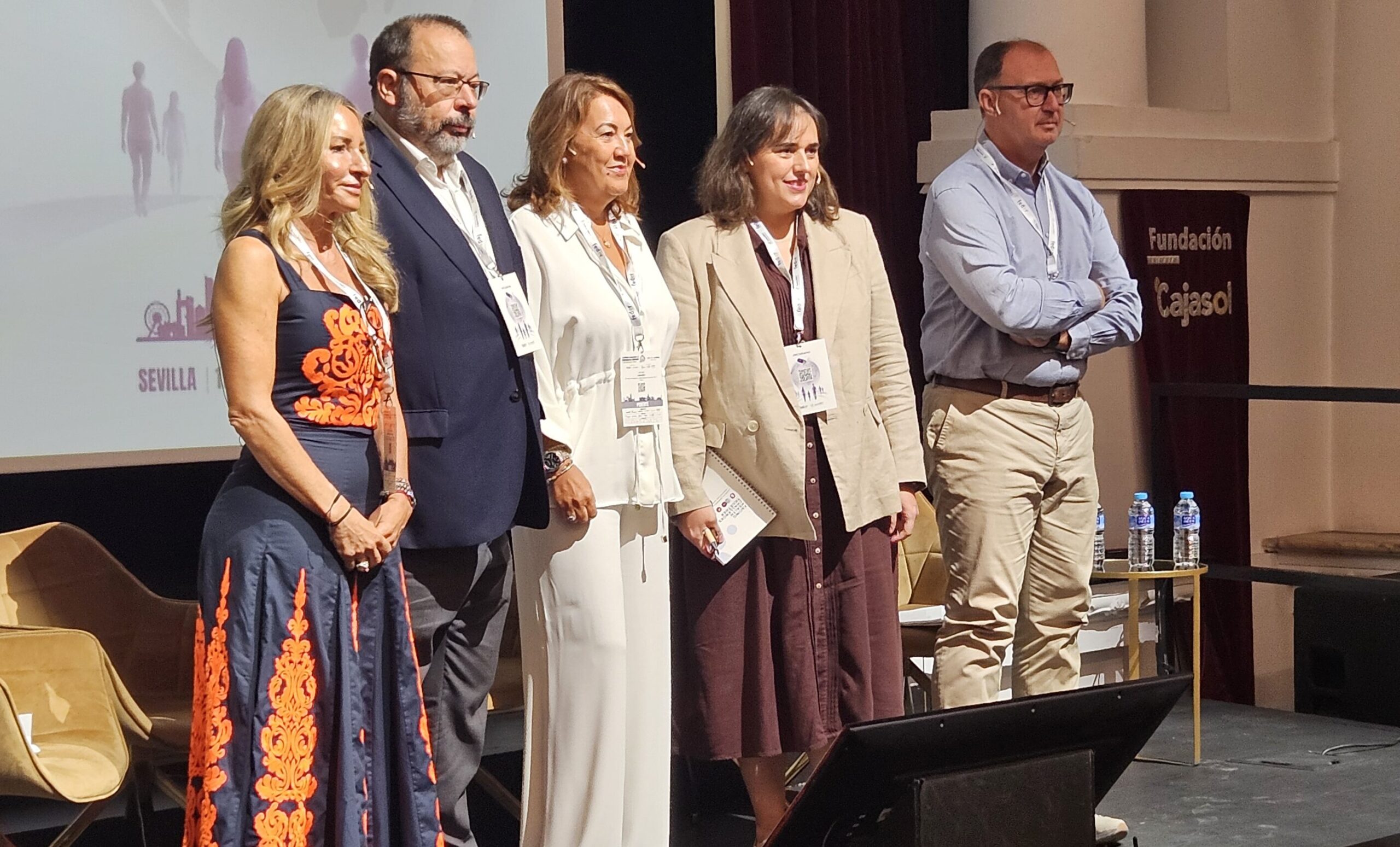
Participants included Jaime Espin, a health economist and professor at the Andalusian School of Public Health (EASP); César Hernández García, Director General of the Common Portfolio of Services for the National Health System and Pharmacy; Gloria Palomo Carrasco, representative of the Orphan Drugs Committee for the Spanish Agency for Medicines and Health Products (AEMPS); and Esther Sabando, Director of Institutional Relations at Duchenne Parent Project Spain.
This year’s conference is particularly significant given the regulatory changes currently affecting patients, healthcare professionals, and the pharmaceutical industry. “We are at a pivotal moment of change as we move forward in how we evaluate, fund, and incorporate orphan drugs into the National Health System,” Beatriz emphasized.
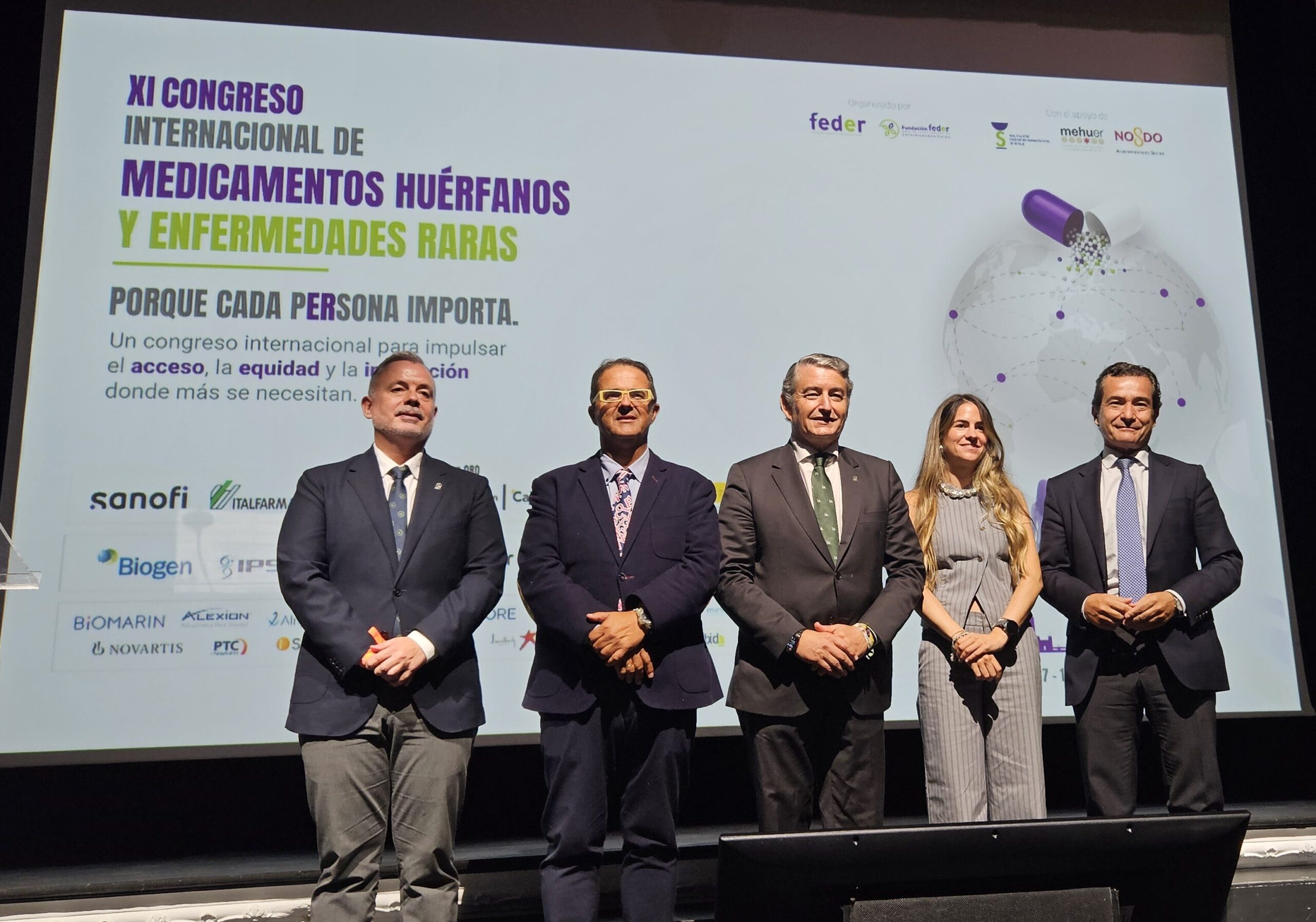
During the conference, patients—particularly Juan Carrión Tudela, president of the Spanish Federation of Rare Diseases —emphasized the role of patients as active participants in the healthcare and scientific systems. Among the conference’s key conclusions is the need to continue working toward greater equity in access to orphan drugs and advanced therapies, to improve and streamline diagnosis, and to strengthen coordination within the healthcare system to make this possible. FEDER calls for knowledge about rare diseases to translate into access and equity. The goal is to translate the advances being made in research, genomics, diagnosis, and new therapies into real opportunities for everyone, regardless of their disease or where they live.
For his part, Javier Padilla, Secretary of State for Health, participated via video, in which he stated that “orphan drugs and rare diseases are a priority for the Ministry of Health,” and highlighted advances such as the expansion of neonatal screening, the portfolio of genetic and genomic services, the Únicas project, and the expansion of the Reference Centers, Services, and Units (CSUR).
All of this is taking place at a time of great innovation and therapeutic research, which offers new opportunities to make progress toward these goals and, above all, to improve the quality of life for people with rare diseases.
At AELMHU, we will continue to work to contribute to this debate and promote a system that ensures innovation reaches patients equitably and as quickly as possible.