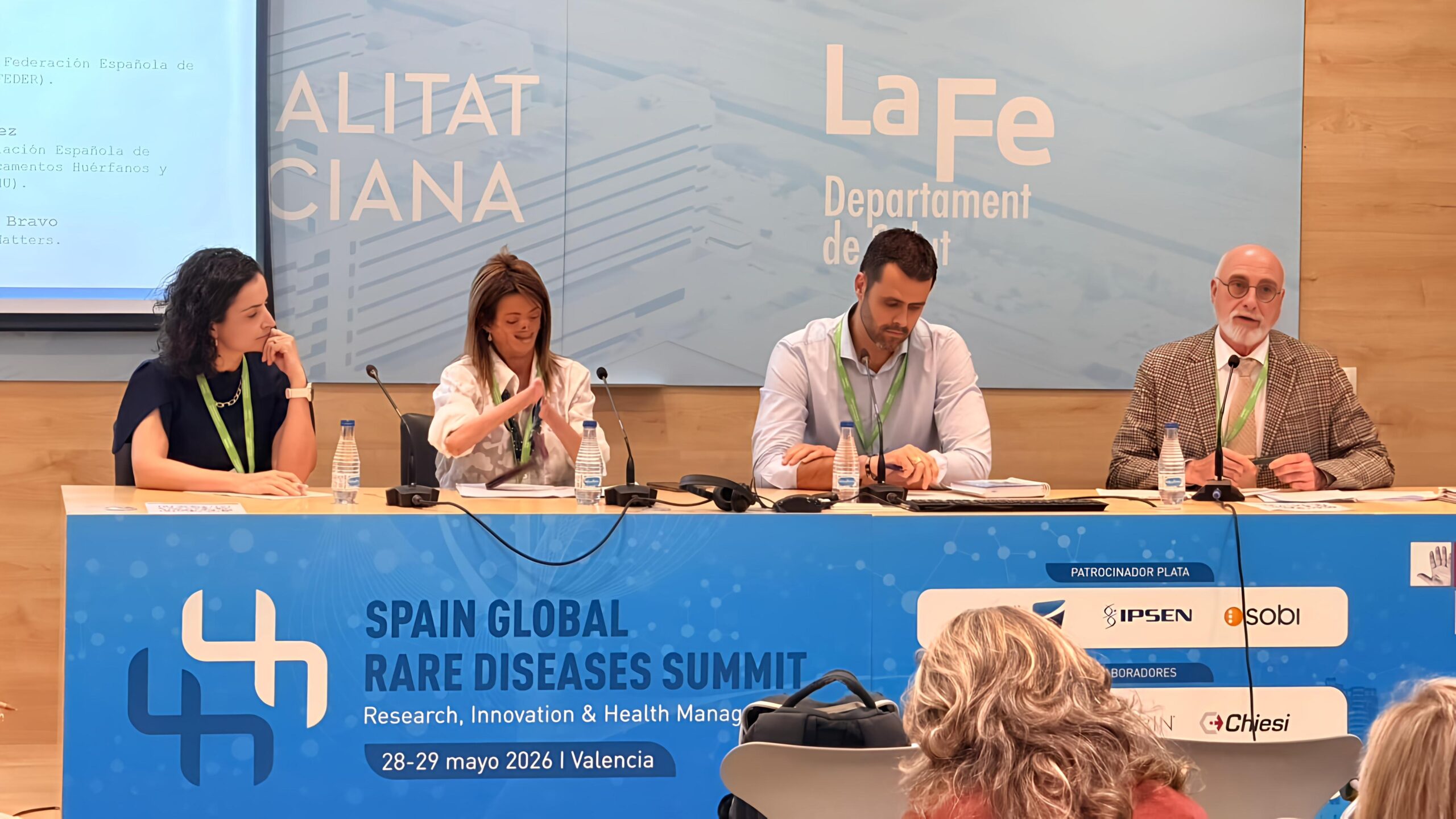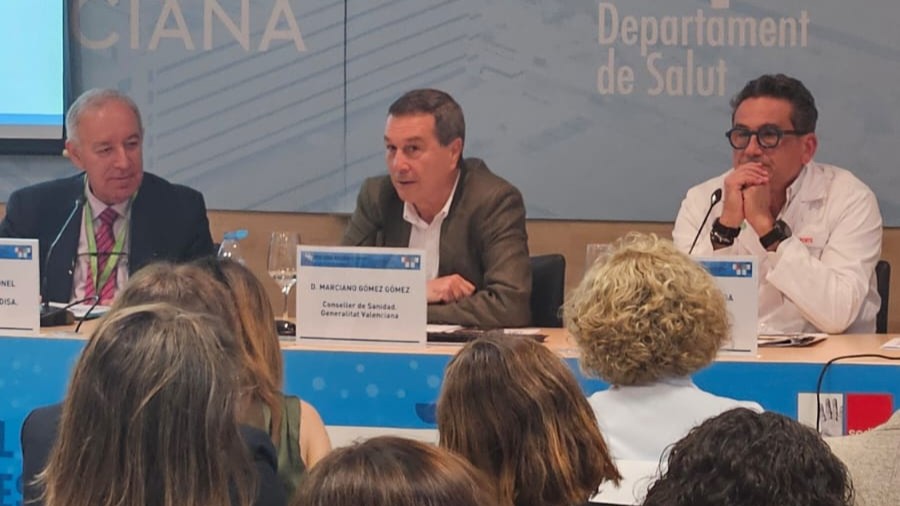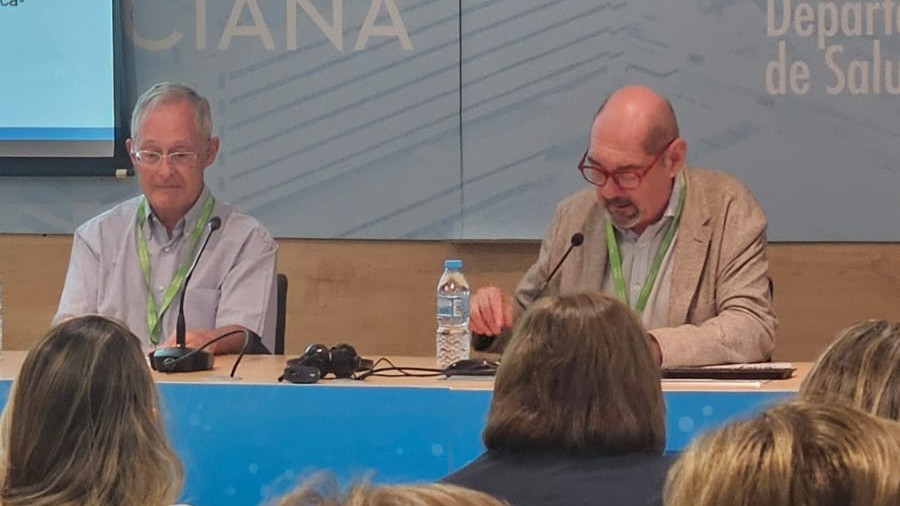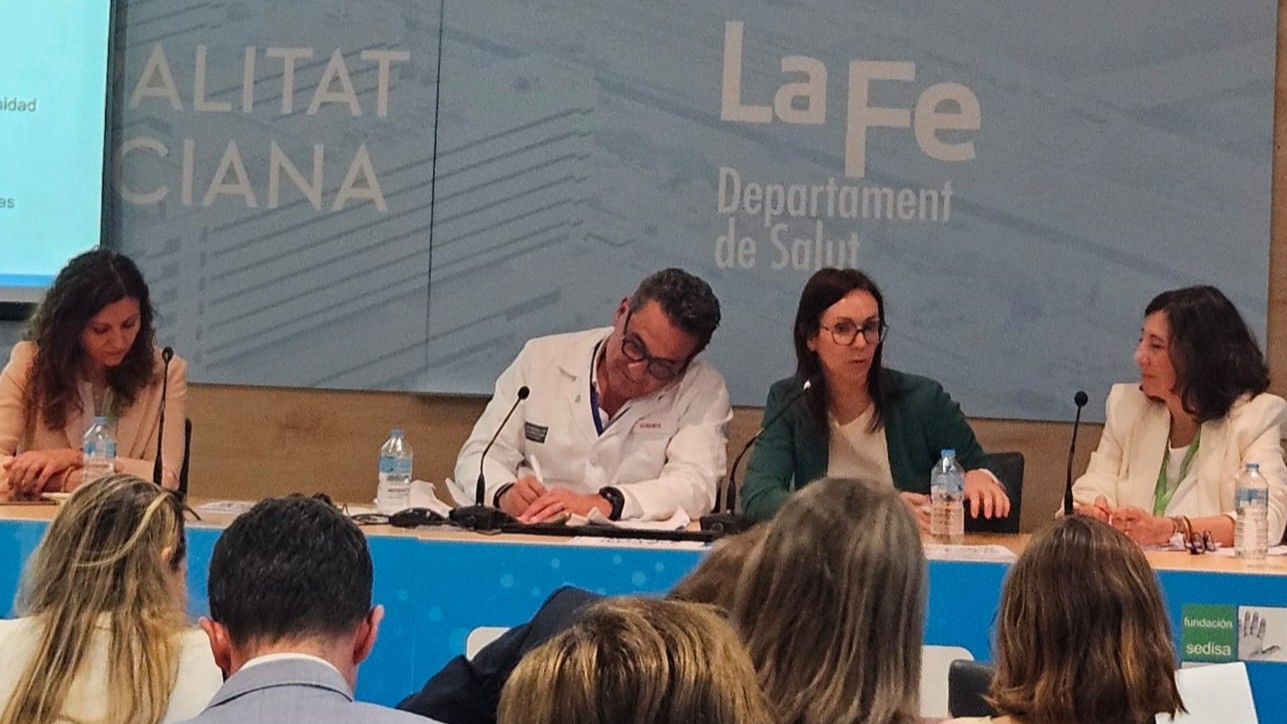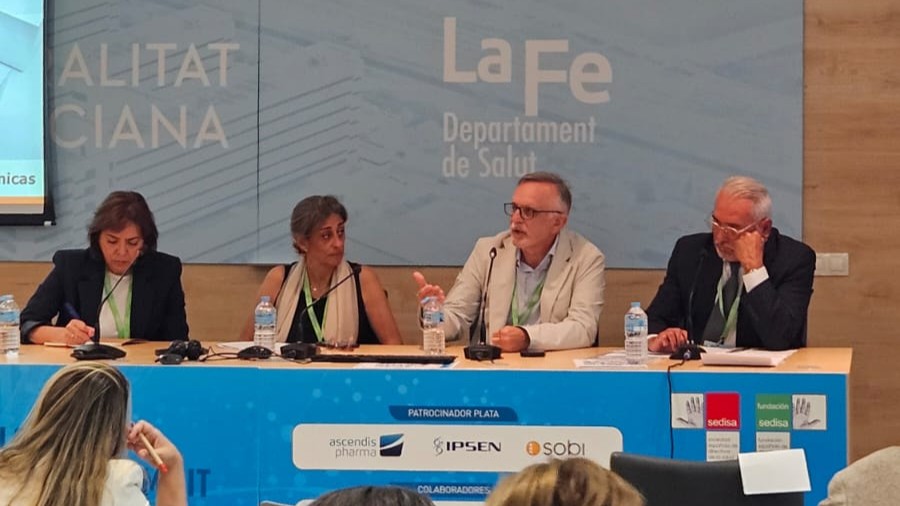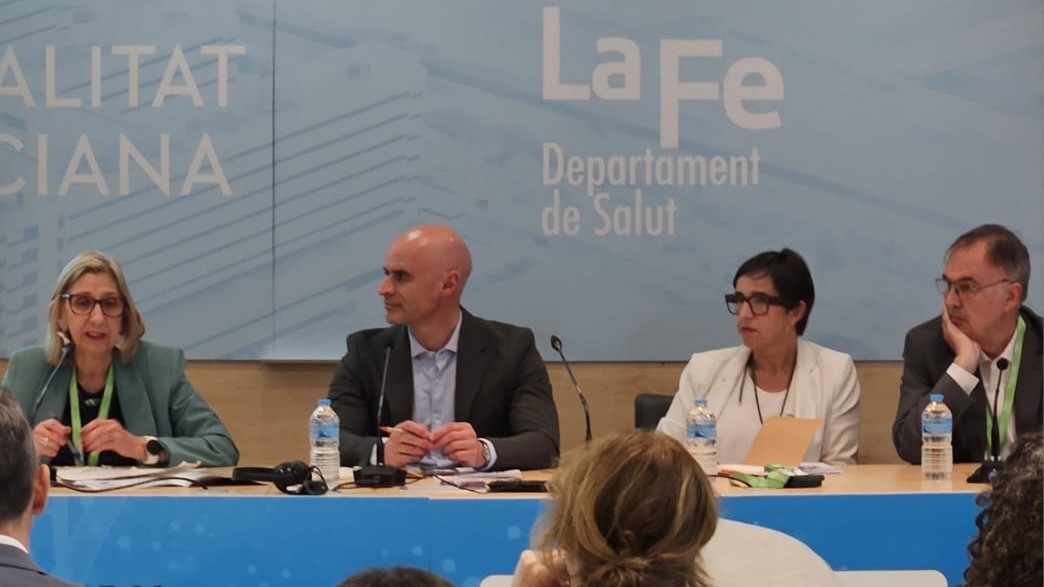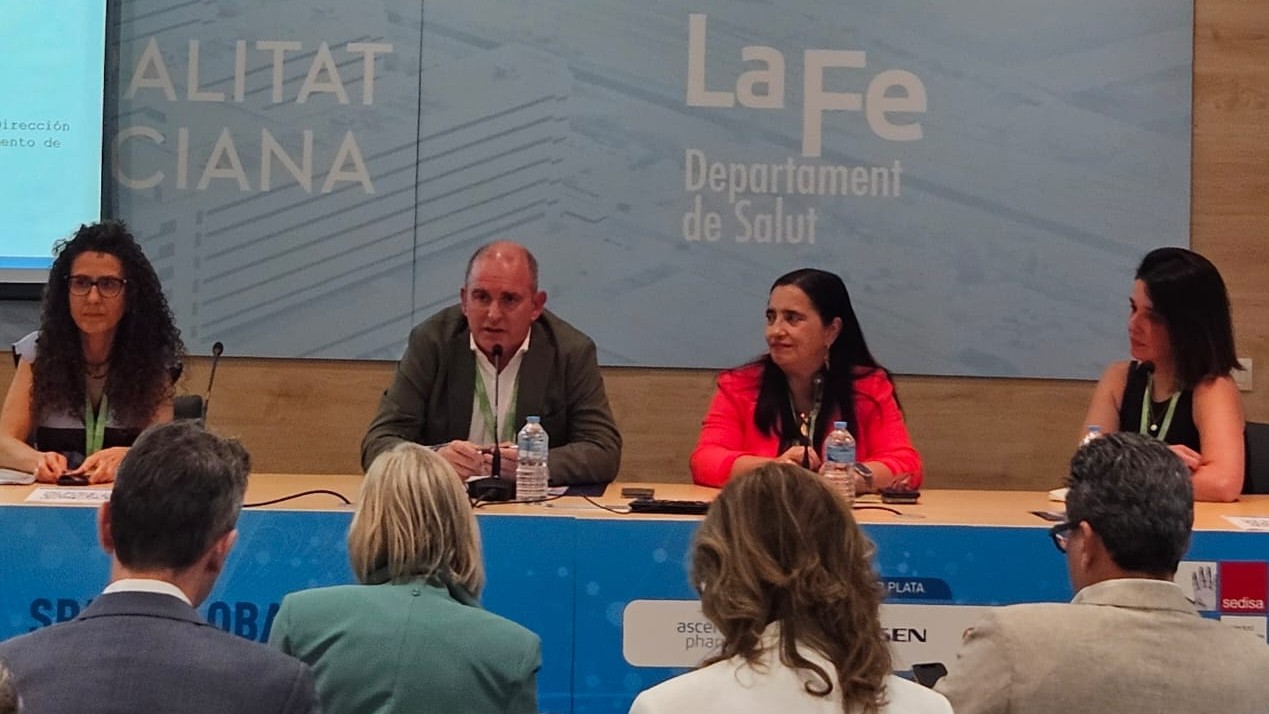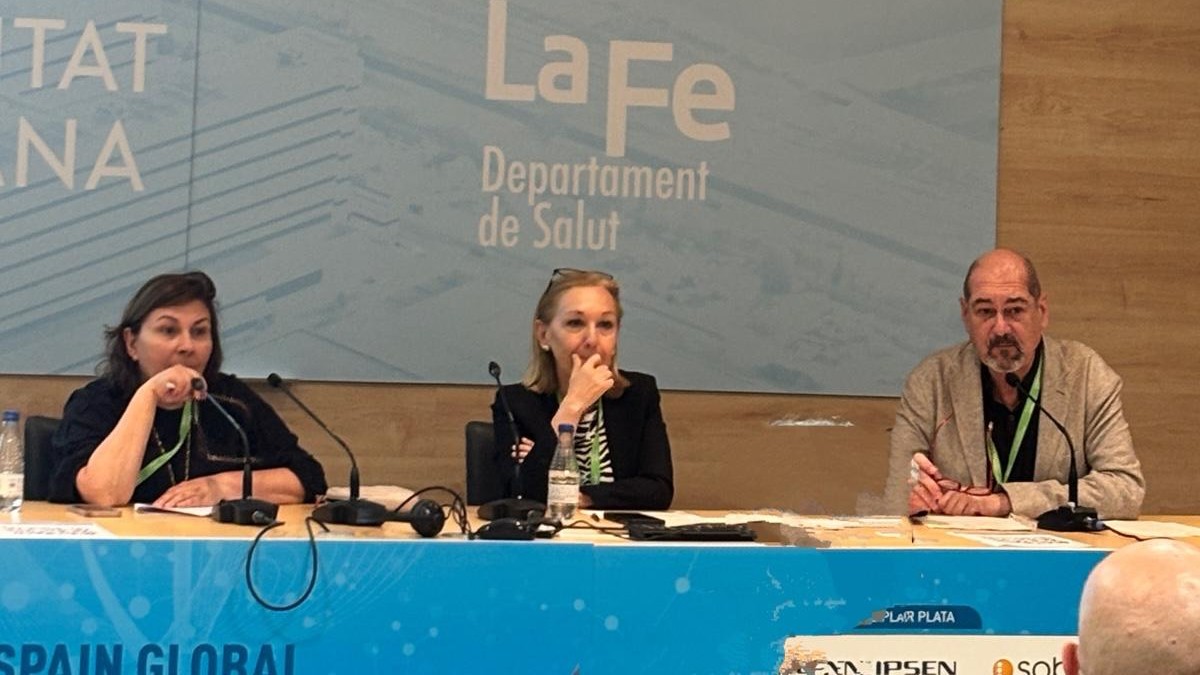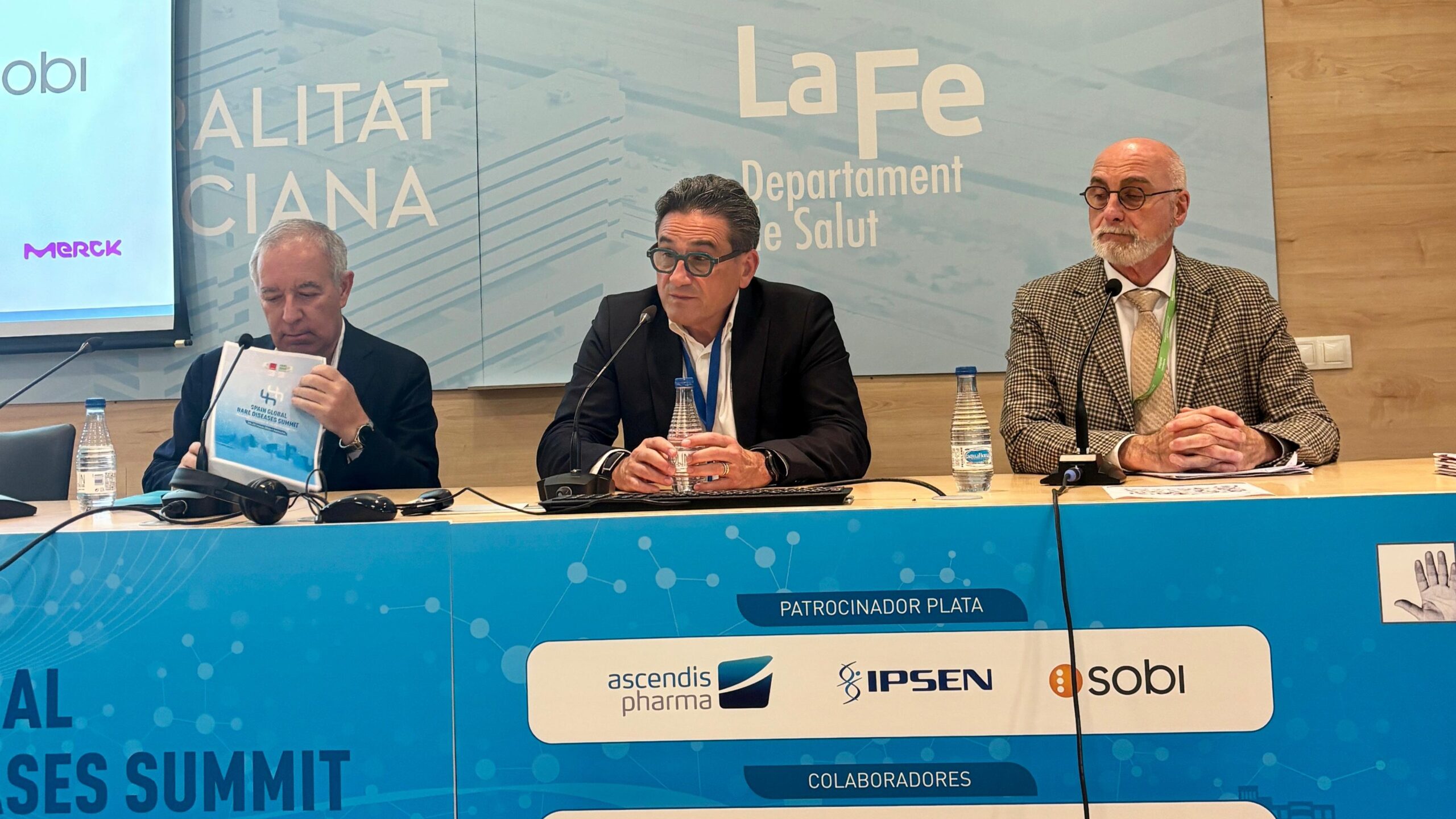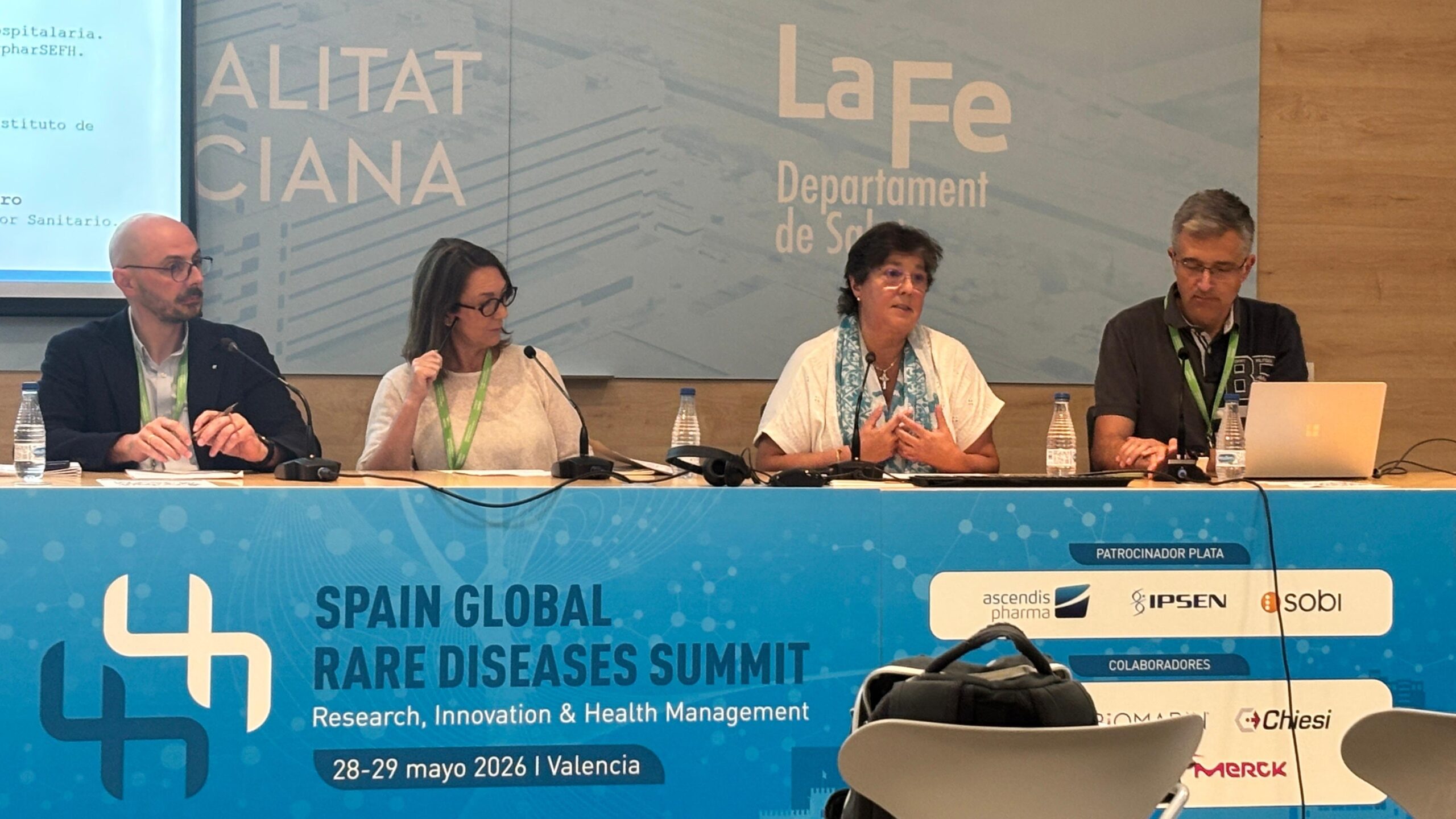
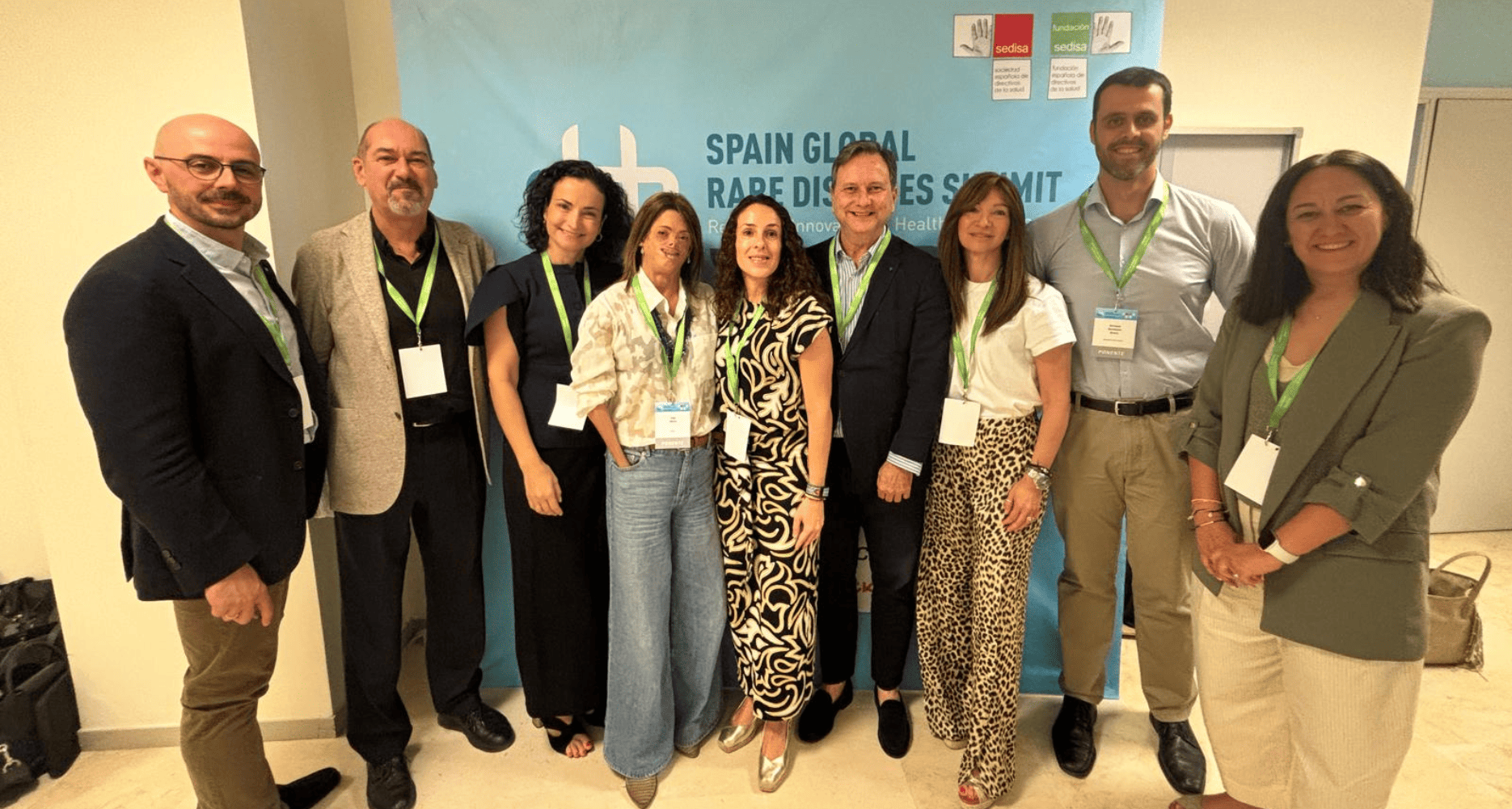
Marian Corral, director of the Spanish Association of Orphan and Ultra-Orphan Drug Laboratories (AELMHU), participated this Friday in the ‘Spain Global Rare Diseases Summit’, organized by the Spanish Society of Health Executives (SEDISA) in Valencia, as part of the panel discussion “From the Expert Patient to the Expert System.”
During her remarks, she highlighted the need to move toward a more agile, coordinated, and equitable healthcare system for people with rare diseases, capable of reducing diagnosis times and improving access to treatments.
He also emphasized the importance of moving toward models of co-creation among the pharmaceutical industry, patient associations, healthcare professionals, and public administrations, where the patient “ceases to be merely an informant and becomes an active participant in the design of therapies, services, and healthcare policies.”
“The healthcare system must learn from patients with rare diseases that the key is not just treatment, but also care and timely intervention. Their experience shows that public policies must prioritize faster diagnoses, coordinated care pathways, and equitable access to innovation. Listening to patients would help design a system that is more agile, more equitable, and better able to address the true complexity of rare diseases.”
Thank you to SEDISA for involving AELMHU and creating opportunities for dialogue and reflection that enable us to continue moving forward—through collaboration among all stakeholders—toward a better healthcare system for people with rare diseases.