
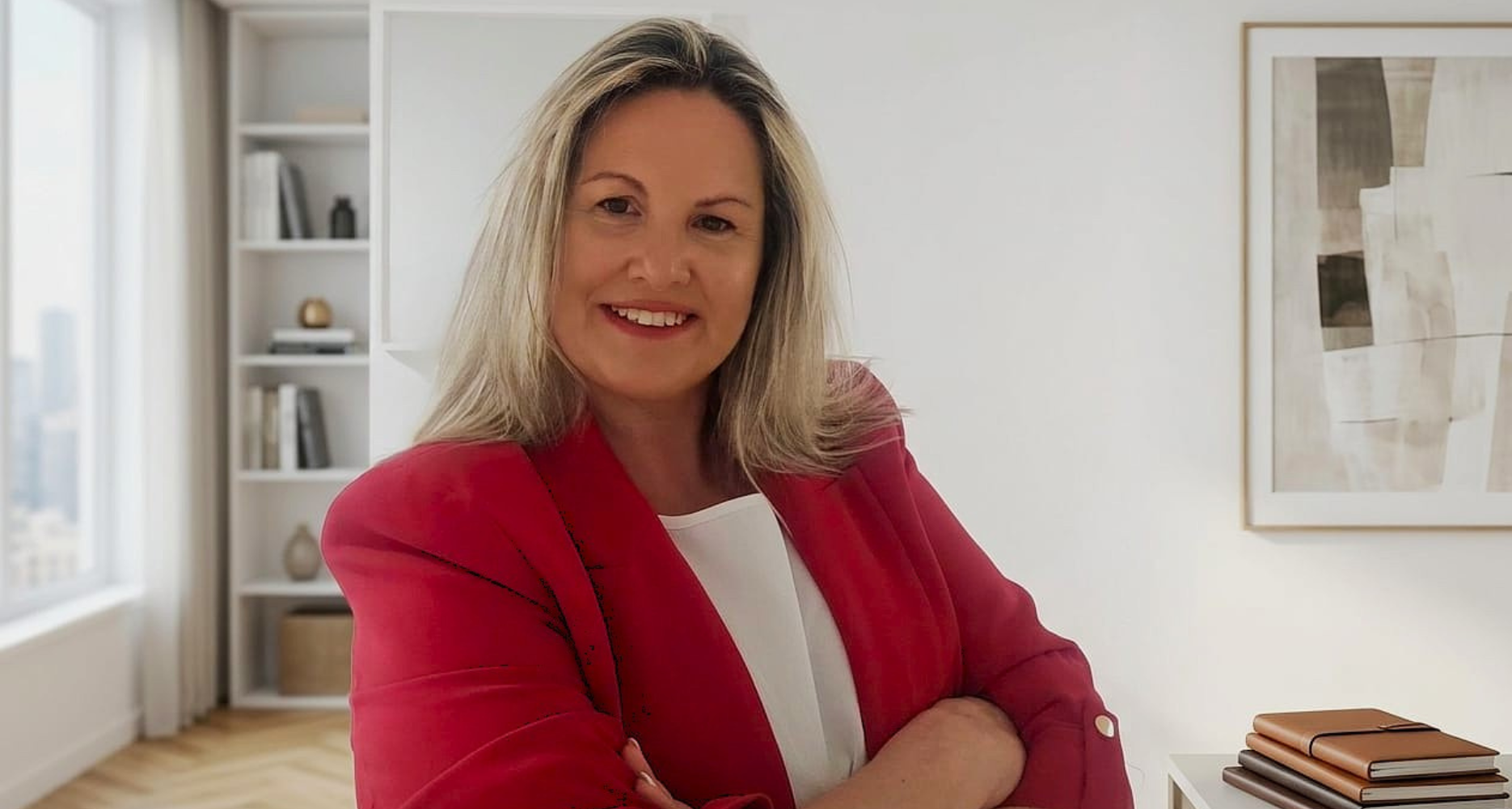
To mark World Duchenne Muscular Dystrophy Awareness Day, observed every September 7, we at AELMHU interviewed Silvia Ávila, president of Duchenne Parent Project Spain, an organization that works to advance research, advocate for patients’ rights, and provide comprehensive support to families living with this rare disease.
Duchenne muscular dystrophy is a genetic, degenerative, and progressive disease that primarily affects children. The condition is caused by the absence of dystrophin, a protein essential for muscle regeneration.
As a result, the muscles progressively weaken starting in childhood, leading to a gradual loss of mobility, respiratory problems, and, ultimately, cardiac complications that can significantly reduce patients' life expectancy.
Silvia Ávila explains that many patients need to use a wheelchair around the age of 10–12 and that, as the disease progresses, they require respiratory support due to the deterioration of the muscles involved in breathing. “Ultimately, it’s the heart that fails, which is why life expectancy is so short, ” she notes.
Research and support for families: two fundamental pillars
Duchenne Parent Project Spain focuses much of its work on promoting research and supporting families. The organization’s president, the mother of a 16-year-old boy with Duchenne, explains that her involvement stemmed precisely from the need to drive progress that would change the prognosis of the disease.
“We knew that if we didn’t support the research and drive it forward, no one else would. And that’s why this has become our life’s mission,” he says.
In addition to funding research projects and promoting participation in clinical trials, the association offers psychological care, social counseling, and advocacy for patients' rights. It also carries out initiatives to facilitate educational inclusion and raise public awareness about the realities faced by those living with Duchenne.
Among its projects, the national patient registry stands out as a tool that contributes both to research and to the recruitment of participants for international clinical trials. According to Silvia Ávila, the organization works to ensure that “no patient is excluded from these opportunities for geographic reasons” and supports families throughout the process to help them manage the expectations that these studies may generate.
In addition, through the “El Cole de Todos” program, the organization works with schools to provide information and resources to teachers and students, promoting inclusion and preventing situations of rejection or bullying.
The psychological impact of an illness that affects the entire family
One of the main challenges identified by the association is the lack of specialized psychological support from the moment of diagnosis. The association’s president laments that many families “receive the news of the diagnosis without the necessary support to cope with such a complex situation.”
“We’re on our own when it comes to diagnosis. It creates a sense of loneliness and uncertainty that’s very hard to overcome,” she says.
For this reason, it calls for psychological care to be an integral part of the treatment approach from the very beginning—not only for patients, but also for parents and siblings.
Silvia Ávila points out thataffected children soon begin to realize that they cannot perform certain activities at the same pace as their peers. As the years go by, their physical limitations become more apparent and can lead to feelings of frustration, anxiety, or social isolation.
“It’s something we’re seeing a lot in Duchenne—anxiety,” she warns.
Adolescence is another particularly challenging time. As she explains, it is a stage in which body image and physical abilities take on great importance, while at the same time she must use a wheelchair and rely on increasing amounts of assistance for daily activities.
Silvia Ávila also draws attention to the situation of patients’ siblings, who are often overlooked despite the important role they play within the family. “The sibling is the forgotten one, ” she laments.

Multidisciplinary Care and Unmet Needs
Beyond psychological support, the association is calling for “truly multidisciplinary” health care that would allow the various consultations patients require—such as neurology, cardiology, endocrinology, and rehabilitation—to be coordinated into a single appointment.
According to Silvia Ávila, the current model “forces families to make more trips and miss more work and school, making it difficult to balance work and family life and ensure continuity of care.”
He also criticizes the lack of coverage for services designed to maintain patients’ quality of life, such as physical therapy, occupational therapy, speech therapy, and certain specialized psychological support services. “As long as these resources remain outside the scope of public services or are insufficient, it is the families themselves who must bear the cost, which places a significant additional financial burden on them, ” he notes.
Furthermore, Silvia Ávila also emphasizes the importance of ensuring that access to treatment “is not determined by patients’ ZIP codes”, as she considers it essential to establish mechanisms that guarantee faster and more consistent access times throughout the country. “For us, time is muscle. As time passes, muscle is lost, ” she summarizes.
The Importance of Listening to Patients' Voices
Another issue the organization advocates for is greater involvement of patients and their organizations in the evaluation and decision-making processes related to their condition.
He therefore argues that those living with the disease “have valuable insight into the real impact of treatments on patients’ daily lives.”
“We’re really the ones who understand the disease and know what improves quality of life,” he says.
As an example, he points out that even seemingly small improvements can be of enormous value to those affected: “The simple fact that a person can pick up a glass from the table and bring it to their mouth represents a major improvement in quality of life for us.”
Raising Awareness to Move Forward
Ahead of World Duchenne Muscular Dystrophy Awareness Day, the association’s president emphasizes the importance of continuing to raise awareness about a disease that “remains unknown to much of society.”
Unlike other, better-known conditions, Silvia Ávila points out that with Duchenne, it is first necessary to explain what the disease is before raising awareness about its consequences and the needs of those affected.
For this reason, the association launches awareness campaigns every year and welcomes the fact that more and more institutions, city councils, and organizations are joining these support initiatives. “What is unknown can hardly be understood, ” the association notes in this regard.
As for future priorities, Silvia Ávila highlights the need to “increase investment in research, ensure multidisciplinary care in hospitals, and speed up access to treatments for rare diseases.”