Neuroendocrine tumors (NETs) are a heterogeneous group of tumors that can develop in different parts of the body, and their clinical diversity often makes them difficult to identify. Symptoms can be confused with those of other diseases, and a lack of awareness about these conditions contributes to delayed diagnosis. For this reason, on the occasion of World NET Day, observed every November 10, the patient association NET España is highlighting the need to improve understanding of the disease, expedite diagnosis, and ensure specialized and equitable care.
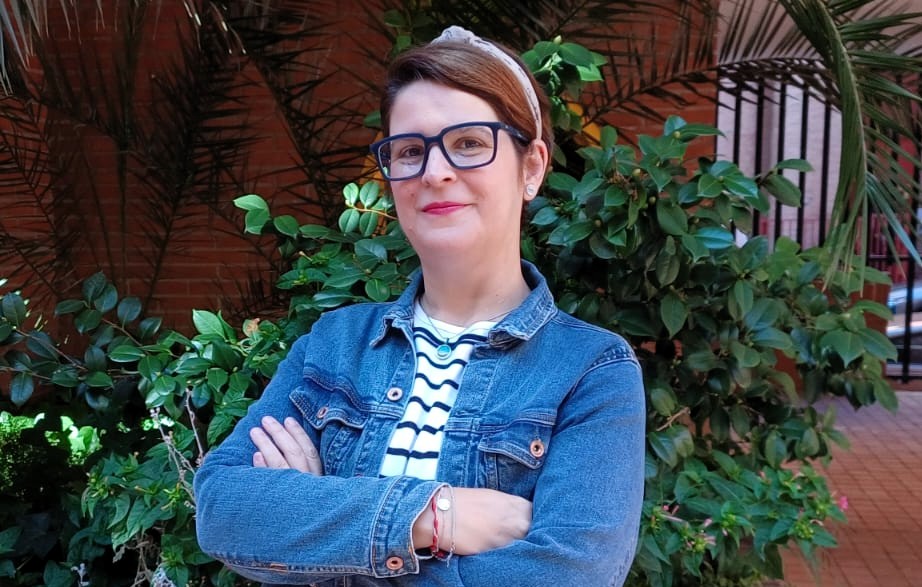
“Sometimes, doctors don’t consider a neuroendocrine tumor but instead think of many other conditions. There is a significant delay in diagnosis,” explains Amelia Guirao, a board member of NET España. For patients, discovering the cause of their symptoms is essential, but the journey to that point can be marked by uncertainty, tests, and repeated doctor visits.
A multifaceted disease that can go unnoticed
Neuroendocrine tumors originate in the cells of the neuroendocrine system, which are distributed throughout the body and are responsible for producing hormones that play a role in various bodily functions. Although they frequently occur in the digestive tract and the pancreas, they can also be found in the lungs and other organs.
This variety explains why there is no single form of manifestation. Some tumors produce excess hormones and cause symptoms; others do not produce any obvious hormonal activity and may go more unnoticed. When symptoms do appear, they may include diarrhea, abdominal pain, skin redness, sweating, or palpitations, among others, depending on the characteristics and location of the tumor.
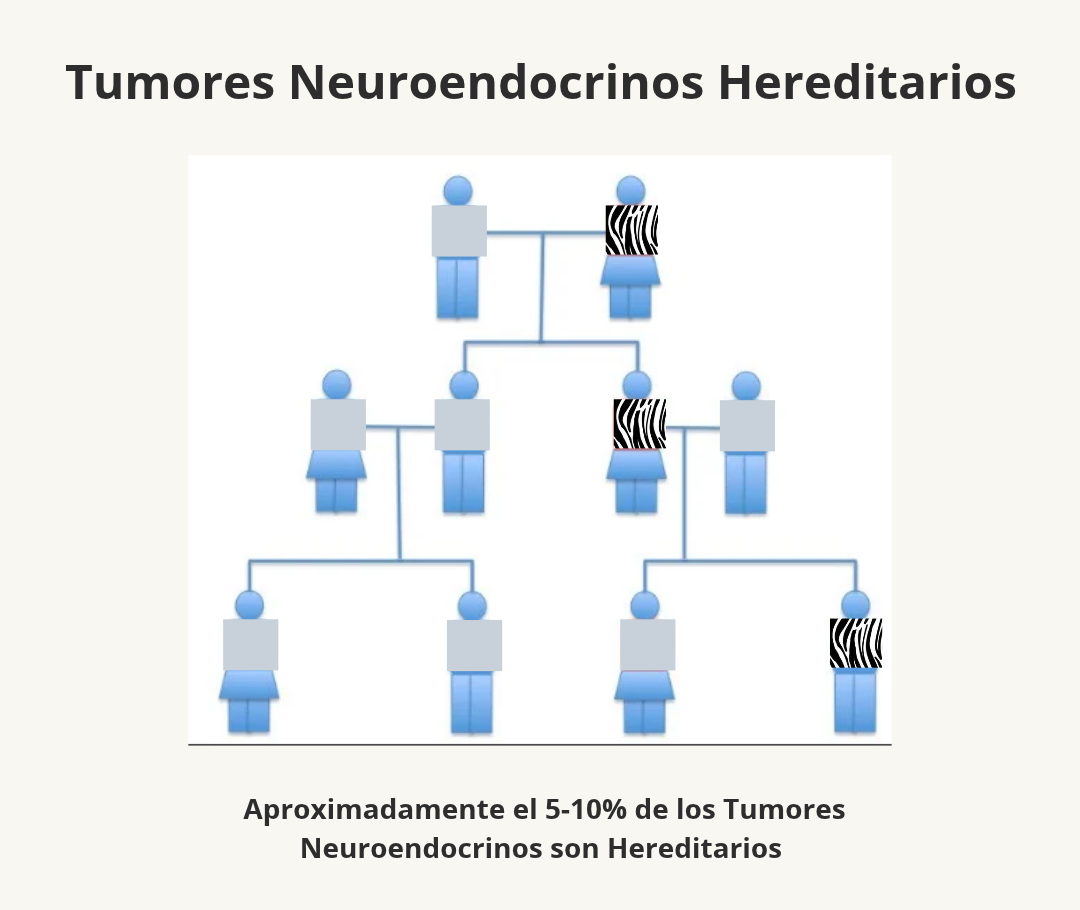
Most of these tumors are sporadic, although there are forms associated with hereditary syndromes that require specific evaluation. In these cases, identifying a possible genetic component may also have implications for the patient’s family members.
The wide variety of their manifestations and the absence of specific symptoms make it difficult to consider neuroendocrine tumors among the top diagnostic possibilities. Sometimes they are detected incidentally during tests performed for other reasons; in other cases, the diagnosis comes after a prolonged period of symptoms and medical consultations, including misdiagnoses.
For Amelia Guirao, raising clinical suspicion is one of the priorities. “We need doctors who know more about the disease and who are more likely to suspect it,” she says. Training primary care professionals is especially important for guiding diagnostic testing and facilitating early referral when a neuroendocrine tumor is suspected.
From the Relief of the Diagnosis to Uncertainty
For many patients, receiving a diagnosis is an experience that is difficult to explain. “It’s a twofold diagnosis,” says Guirao. On the one hand, there is relief in finally putting a name to what is happening after a period of uncertainty and anxiety; on the other hand, there is fear of a little-known disease and doubts about its progression, treatments, and the impact on daily life.
“Now you finally know what you’re dealing with,” explains the representative from NET Spain. However, the fact that it is a neuroendocrine tumor may raise new questions: what exactly does the diagnosis mean, what treatment options are available, and whether the medical team caring for the patient has experience with this type of tumor.
The information patients receive at the time of diagnosis is therefore essential. Understanding the disease, learning about treatment options, and being able to ask questions of experienced professionals helps patients face the process with greater confidence. When explanations are insufficient or the necessary specialized resources are not available, uncertainty can persist even after the diagnosis.
Added to this situation is the emotional impact that can accompany the illness.
“In hereditary cases, moreover, learning about the possible genetic involvement can raise concerns about children, siblings, or other relatives. These concerns require sensitive care that addresses doubts without adding guilt to a situation the patient did not choose,” Guirao emphasizes.
Specialized teams and multidisciplinary care
The management of neuroendocrine tumors depends on the characteristics of each case, including the tumor’s location, grade, and stage, the possible presence of metastases, and its hormonal activity. Surgery may be an option when the characteristics of the disease allow it, while other patients require different therapeutic strategies and treatments aimed at controlling symptoms.
The complexity of these conditions makes it necessary for professionals from different specialties to work in a coordinated manner. Oncology, endocrinology, surgery, and other disciplines may be involved, depending on each person’s needs.
"We need multidisciplinary teams specializing in neuroendocrine tumors," Guirao asserts
The expertise of healthcare professionals and coordination among centers are key factors in improving diagnosis and tailoring treatment to the specific characteristics of each tumor.
However, access to these resources is not the same across all regions. Although Spain has centers with expertise in these conditions, not all patients have a specialized unit near where they live. This situation can make referrals and access to expert evaluation more difficult.
For this reason, NET España advocates for enhanced training for healthcare professionals, improved communication among teams, and referral pathways that enable patients to reach the appropriate specialists as quickly as possible, including agreements and partnerships between hospitals. It is also important to identify potential hereditary syndromes and facilitate prompt access to the appropriate familial cancer units.
NET Spain: Listening, Guiding, and Supporting
The Spanish Association of Patients with Neuroendocrine Tumors, NET España, was founded in 2016 by people affected by this disease with the goal of serving as the voice of all NET patients and representing them in forums and working groups with various stakeholders (the Spanish National Health System, the pharmaceutical industry, government agencies, healthcare administrators, other patient groups, etc.), with the goal of improving the lives of patients and their families, defending their interests, raising awareness of this little-known condition, and offering support to patients and their families by increasing understanding of their condition.
Its work includes active listening, personalized counseling, outreach, education, and research. The association organizes workshops and educational events, promotes the exchange of experiences, and collaborates with healthcare professionals, patient advocacy groups, and national and international organizations. It also works to raise awareness about the disease and connect patients with available resources, with a strong commitment to research—including facilitating patient participation in clinical trials and raising funds for scholarships, among other activities.
For Guirao, personalized care is central. Everyone’s needs are different: some require guidance on their care process; others need psychological support, nutritional counseling, or help in coping with the work and family-related consequences of their illness.
“Above all, active listening and personalized attention are important,” she summarizes. The association can also help answer questions, refer people to specialists, and facilitate the process of obtaining a second opinion when necessary.
This support is especially important for a condition that can raise many questions and in which accurate information helps patients take a more active role in decisions regarding their health.
This year they are celebrating their tenth anniversary. “An achievement that makes us very proud. The road hasn’t been easy, but here we are.”
“Think of zebras”: A call to recognize what is different
NET Spain uses the image of zebras to remind us that, when symptoms arise, we shouldn’t always assume they’re caused by the most common diseases. The metaphor encourages us to also consider less common diagnoses, especially when symptoms persist and there is no satisfactory explanation.
“When you hear the sound of hooves, you think of horses, but you also have to think of zebras,” explains Guirao. This image symbolizes both the difficulty of recognizing neuroendocrine tumors and the diversity of the people living with them.
The representative from NET Spain insists that this diversity should not be viewed solely as a challenge, but rather as a reason to provide individualized care: “I don’t want to see diversity as a challenge, but as something special,” she says, advocating that every patient receive the care they need, both physically and psychologically.
On World Neuroendocrine Tumor Day, the message from patients is clear: raising awareness of the disease, promoting its early detection, strengthening specialized care, and ensuring coordinated care are essential steps toward improving quality of life.
And, as Amelia Guirao points out, support also depends on collective strength: “Together we are stronger and can reach more places.” A call to patients, family members, and loved ones to learn about NET España and help raise awareness of neuroendocrine tumors.