
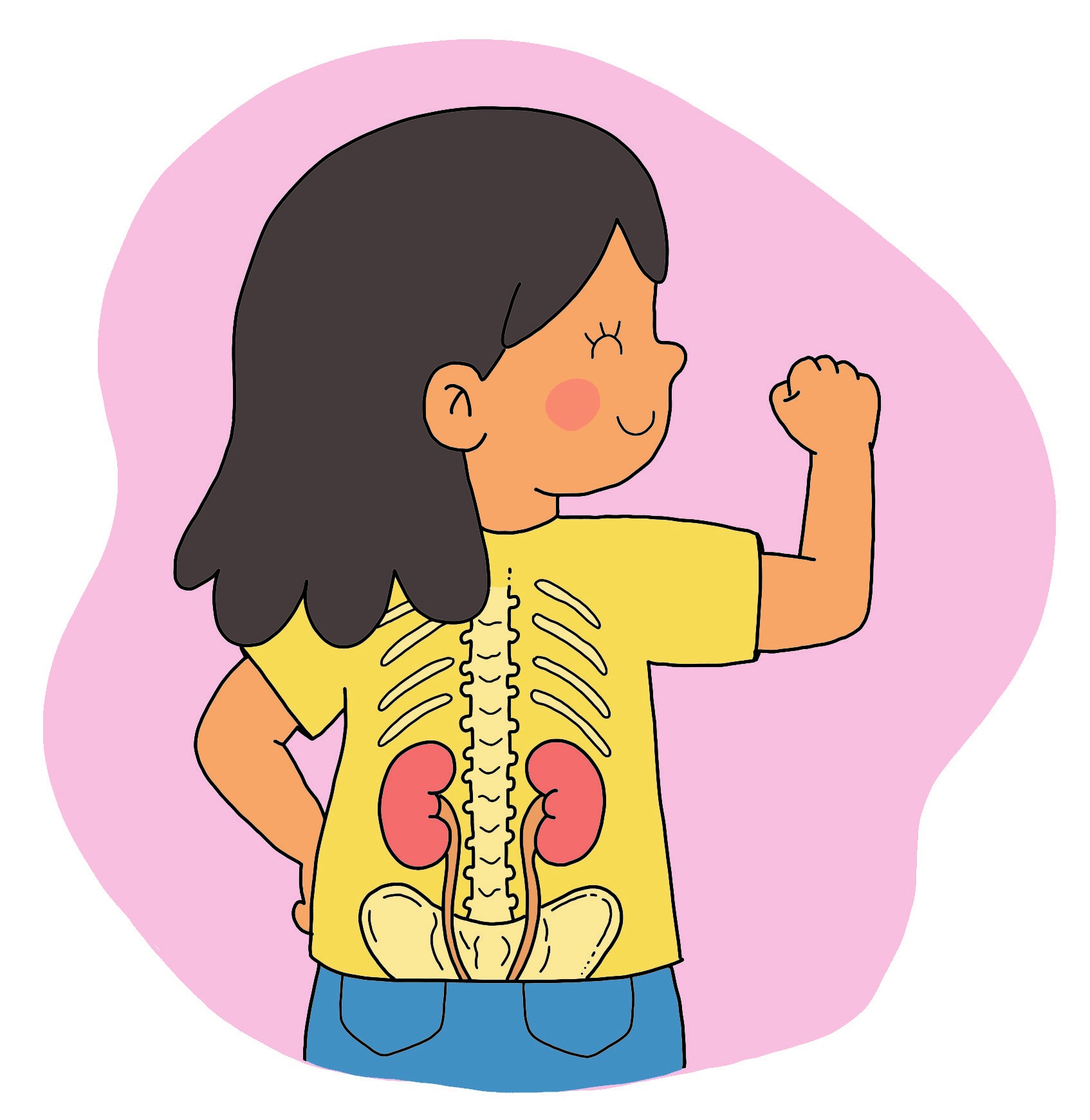
September 25 marks World C3 Glomerulopathy (C3G) Day, a chronic, ultra-rare kidney disease that affects the glomeruli—the structures responsible for filtering blood in the kidneys. The incidence ranges from one to three cases per million people, and it is estimated that, in Spain, about 90 people are living with a diagnosis of C3G—a disease whose silent nature can make it difficult to detect and allow kidney function to deteriorate before it is identified.
The disease can progress to a severe stage: approximately half of patients require dialysis or a kidney transplant within ten years of diagnosis. Furthermore, the disease can recur after transplantation, a situation estimated to occur in 60% to 86% of cases. These data highlight the need for continued progress in early diagnosis, research, and the development of new treatment options.

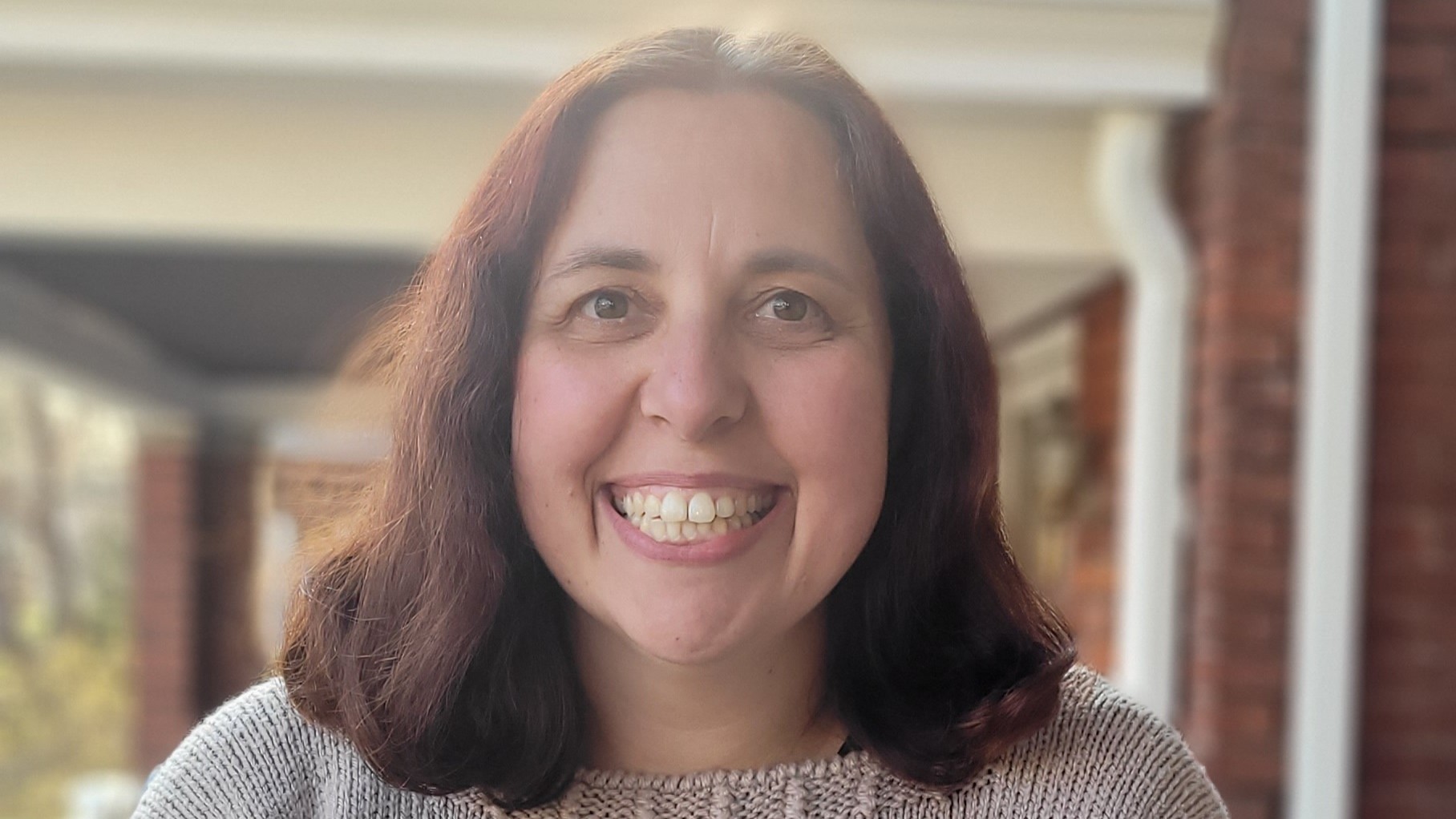
To raise awareness about this condition, we at AELMHU interviewed Marta Roger, president of the Association for Information and Research on Genetic Kidney Diseases (AIRG), an association composed of members of the medical community, patients, and family members of patients with genetic kidney diseases, whose goal is to improve the quality of life, diagnosis, and prognosis of patients with genetic kidney diseases.
“One of the problems faced by patients with C3G—as with all kidney diseases—is that it is a silent disease. Kidney function deteriorates gradually, and some of the symptoms that may signal the disease include high blood pressure and the onset of urinary tract infections,” says Marta Roger. “However, sometimes it isn’t until blood appears in the urine that the alarm bells ring and patients seek medical attention,” she notes.
However, as the president of AIRG points out, there is growing awareness of kidney disease, which makes it possible to diagnose patients in the early stages of the disease and thus slow the progression of kidney damage through dietary management and appropriate treatments.
New therapies offer a ray of hope
Fortunately, in recent years, the development of therapies aimed at blocking the complement system has opened up a much more promising outlook for reducing kidney damage and preserving kidney function. “These are still very new therapies, so we have to see how patients respond, but they offer great hope for patients in helping to preserve kidney function and, in cases where a transplant has already been necessary, to ‘protect’ that new kidney and extend its lifespan,” says Marta.
These treatments are the result of years of research, an aspect that AIRG considers essential for patients and that the organization supports to the greatest extent possible. In fact, this association was founded by Dr. Roser Torra of the Puigvert Foundation with the goal of fostering research into genetic kidney diseases. In this area, AIRG provides grants and awards designed to promote research into hereditary kidney diseases.
Information and Support: Key Resources for Patients and Their Families
Information and education about these types of diseases are essential. For this reason, AIRG aims to provide information on all aspects of genetic kidney diseases and their impact on the body and on patients’ lives, as well as to support patients and their families by offering them a place where they can be heard and receive support.
As such, they produce publications and informational materials on these diseases, with the participation of national and international specialists, aimed at both patients and nephrologists who need specific training on rare diseases such as C3G.
In addition, the association provides emotional support. “This disease causes a great deal of anxiety, since you know your kidneys are deteriorating and there’s practically nothing you can do to prevent it. Furthermore, in the case of pediatric patients, it’s a very hard blow for families, because it’s very difficult to know that your child is very likely to need dialysis and a transplant,” says the president of AIRG.
Diet: Key to Maintaining Kidney Function

One factor that can help preserve kidney function in patients with C3G is diet. Controlling intake of salt, phosphorus, potassium, and protein may be necessary depending on the stage of the disease and each patient’s specific needs. “However,” Marta notes, “in today’s society, it’s almost impossible to limit salt intake to 5 grams a day.”
For this reason, it is also essential “that nutritionists be available during appointments and that they understand kidney diseases and the nutritional needs of kidney patients, since each stage of the disease has different requirements,” Marta points out.
Moving Forward to Change Patients' Lives
C3 glomerulopathy remains a little-known disease that has a significant impact on the lives of those living with it and their families. But in the face of the uncertainty that has accompanied these patients for years, research is opening up new avenues for preserving kidney function and improving their future prospects.
Making progress in C3G, therefore, means much more than just developing new treatments. It means promoting earlier diagnosis, ensuring that patients receive specialized care tailored to their needs, facilitating access to reliable information, and offering support to those who must cope with the emotional impact of a chronic and ultra-rare disease. Because behind every diagnosis there is a person and a family who need answers, support, and hope. And with a disease like C3 glomerulopathy, conducting research, providing information, raising awareness, and offering support are also ways to make progress.