
Cystic fibrosis is undergoing an unprecedented transformation in Spain. What was for decades a serious pediatric disease with a limited life expectancy has gradually become a chronic condition that affects patients well into adulthood. However, this progress is not without its new clinical, organizational, and social challenges.
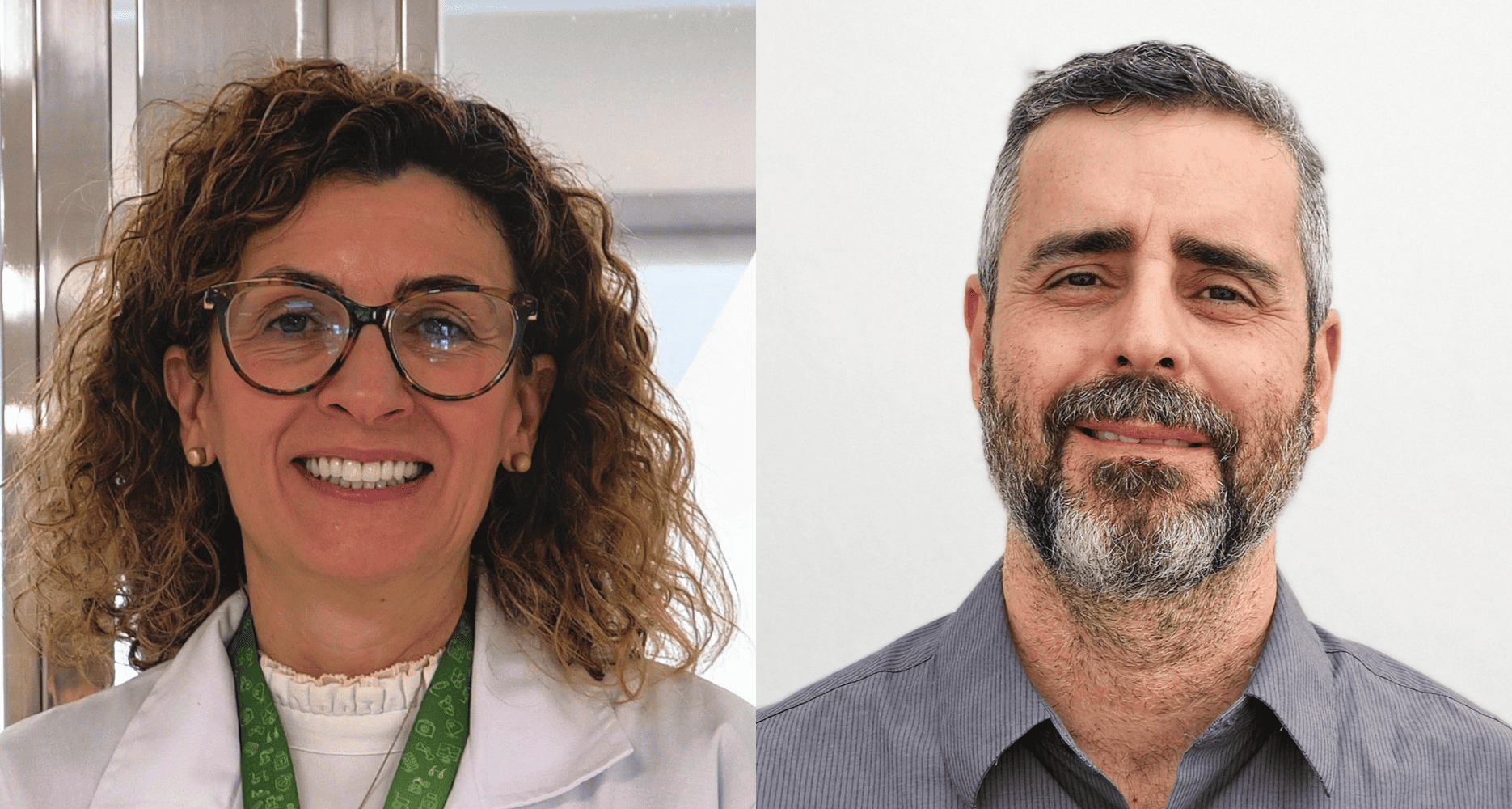
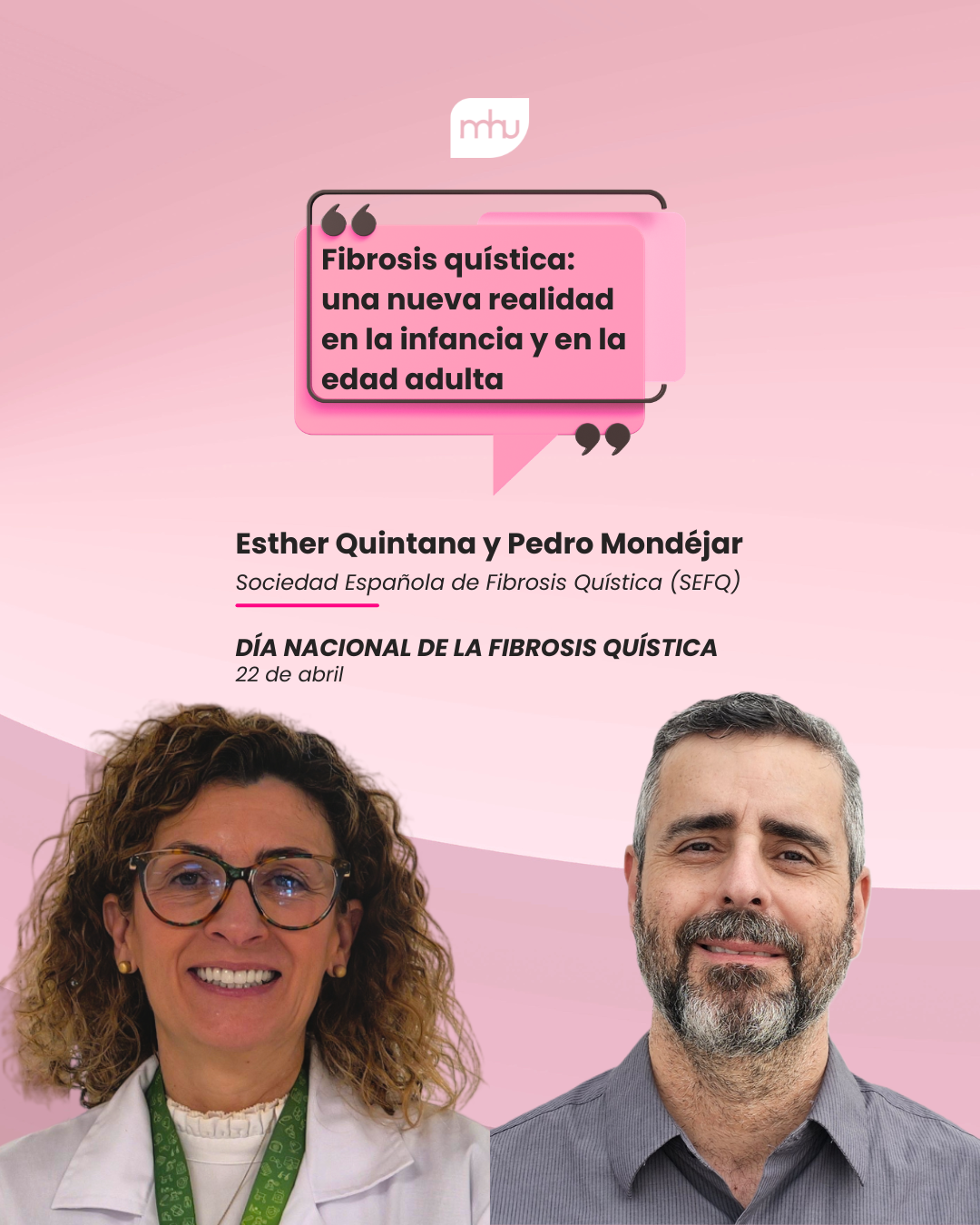
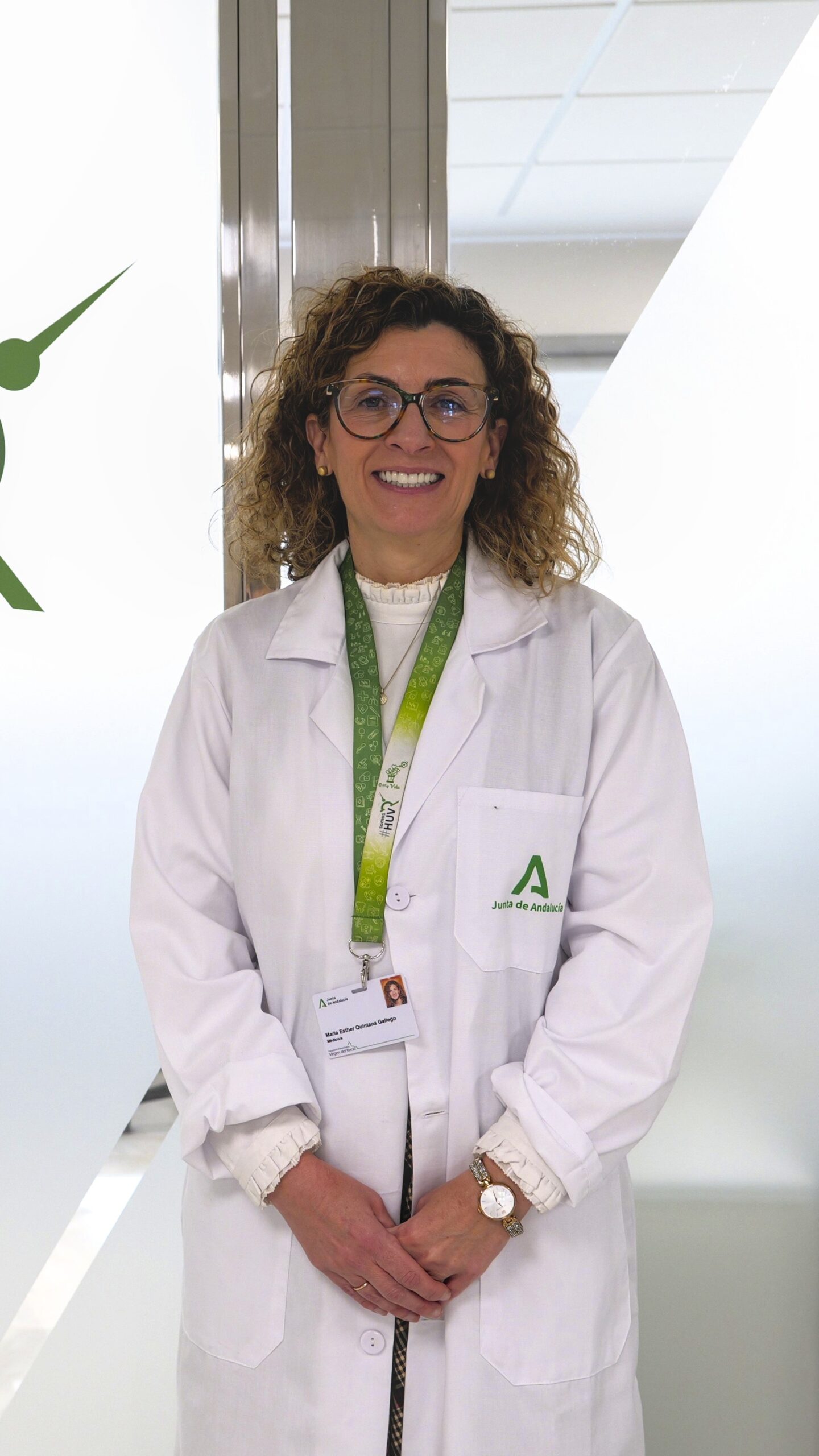
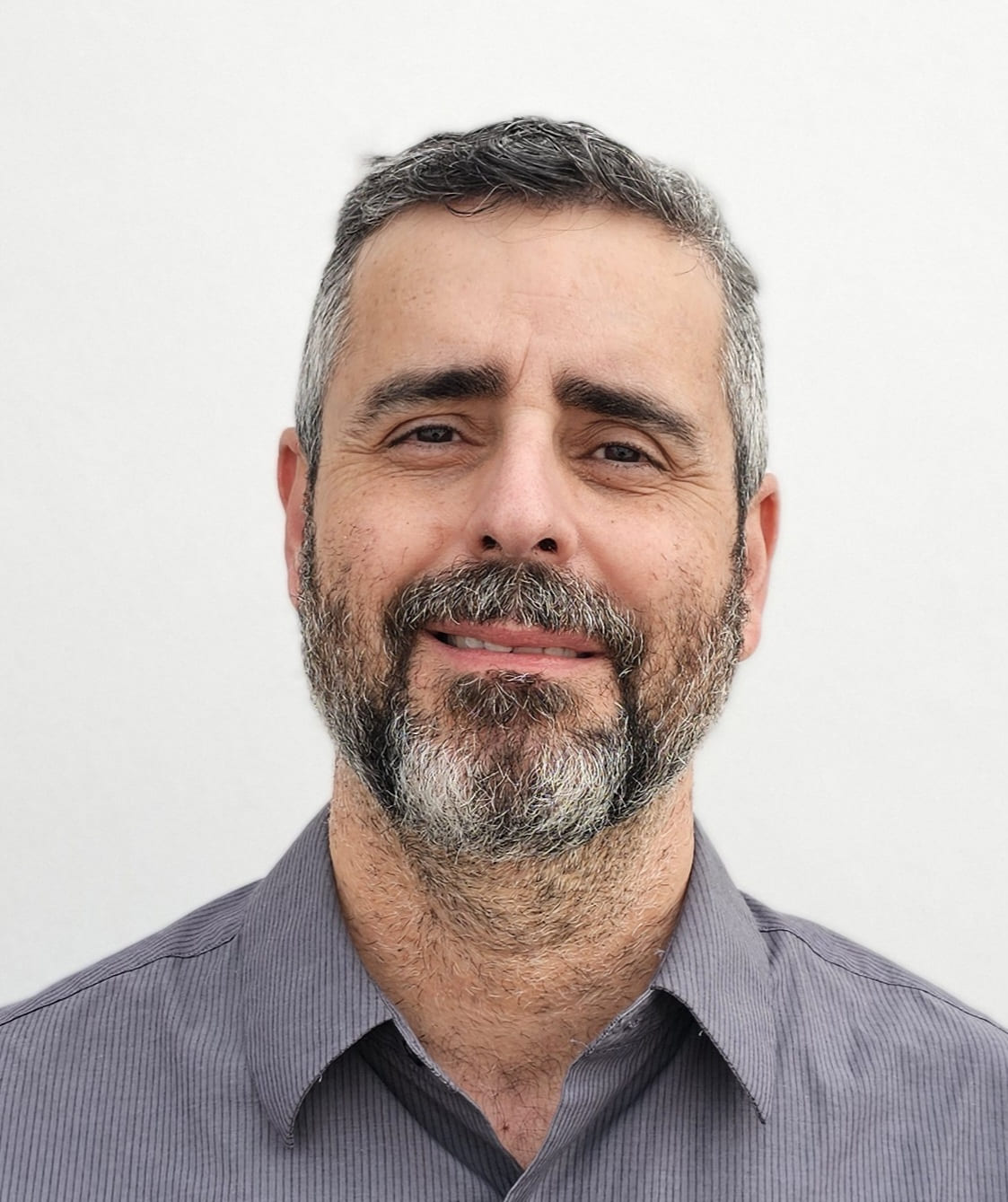
This is explained in an interview with AELMHU, on the occasion of National Cystic Fibrosis Day, by Esther Quintana, president of the Spanish Cystic Fibrosis Society (SEFQ), an adult pulmonologist, and head of the Cystic Fibrosis Unit at the Virgen del Rocío University Hospital in Seville, and Pedro Mondéjar, president-elect of the SEFQ, a pediatric pulmonologist and head of the Cystic Fibrosis Unit at the Virgen de la Arrixaca University Clinical Hospital in Murcia.
Cystic fibrosis is caused by a mutation in the CFTR gene, which causes the body's secretions to become abnormally thick and sticky, making it difficult to clear them and leading to the blockage of ducts in various organs.
This process triggers recurrent infections and chronic inflammation, particularly in the lungs and the digestive system, although it can also affect organs such as the liver, the pancreas, or the reproductive system.
A New Chapter in Childhood
Both experts agree that the therapeutic advances made in recent years have radically improved patient outcomes, but they emphasize that the disease continues to pose complex challenges that require a coordinated response from the healthcare system.
One of the most significant milestones in the management of cystic fibrosis in Spain has beenthe nationwide implementation of newborn screening since 2015, which has made it possible to identify patients at a very early stage and begin treatment as soon as possible.
Paradoxically, this situation has created new challenges in treating the disease. In the words of Pedro Mondéjar, cystic fibrosis “will become less severe and more common, ” to the point that many pediatric patients may not exhibit obvious symptoms.
This raises a key issue: adherence to treatment. The expert puts it this way: “It’s hard enough to take an antibiotic for seven days; sticking to a long-term treatment for a silent or invisible illness can be a major challenge.”
This challenge affects patients, families, and healthcare professionals alike. On the one hand, parents must understand the importance of continuing treatment even when there are no symptoms; on the other hand, patients themselves—especially adolescents—must take responsibility for their own self-care.
He also warns of an additional risk: younger generations of professionals may not have experienced the historical gravity of the disease, which could lead to a certain “loss of respect” for its complexity and scope.
Challenges in adult patients
While the challenge in pediatrics is to prevent disease, the challenge in adulthood is entirely different. In this regard, Esther Quintana recalls that “two decades ago, the biggest challenge was simply reaching adulthood.” In fact, these units traditionally focused on pediatrics because many patients did not survive to reach this stage.
Today, the situation has changed dramatically. “We now have more adult patients in cystic fibrosis units than children,” he says. This shift can be attributed to a number of factors: better control of infection and inflammation, greater understanding of the disease, care in specialized units, and, once again, the impact of newborn screening and new treatment options.
Increased survival rates have opened up a whole new world of possibilities.Patients not only live longer, butthey also aspire to lead full lives. Esther Quintana points out that patients now face challenges such as “entering the workforce, wanting to start a family, or even becoming parents.”
He even raises a question that was unthinkable until recently: aging with cystic fibrosis. “It’s an exciting challenge on every level, ” he notes, though he acknowledges that both patients and healthcare professionals are learning as they go how to cope with this new reality.
However, the expert cautions that not all patients start from the same point. Many adults began their current treatments in advanced stages of the disease, which affects their prognosis. “Some patients have been diagnosed with advanced lung disease, while others have already undergone transplants, which adds complexity to their clinical management, ” she explains.
The Transition: From Supported to Independent
One of the most challenging stages in the journey of patients with cystic fibrosis is the transition from pediatric to adult care. Both experts agree that this process is critical and, at the same time, complex.
Esther Quintana emphasizes that “transition is not a specific date, ” but rather “a period throughout one’s life, primarily during adolescence”. During this time, the patient must gradually gain autonomy, learning to manage their treatment and recognize their symptoms.
As he explains, the process should begin between the ages of 12 and 14, when the pediatrician starts to encourage the patient to take responsibility. The goal is for the patient to be ready to take control of their condition by the time they reach adulthood.
This approach takes on particular importance during a complex stage of life—adolescence— marked by hormonal and behavioral changes that can negatively affect treatment adherence. Esther Quintana notes that this is often a period characterized by “a particular rebelliousness, ” which requires adapting support strategies.
Pedro Mondéjar expands on this view by emphasizing that the transition must be “dynamic, ” “not forced,” and tailored to each patient. “It doesn’t have to be the same in every case, ” he says, since factors such as the severity of the illness, the treatment regimen, or even the family and sociocultural environment all play a role.
The expert also offers a self-critical reflection on the role of pediatricians. He acknowledges that, at times, they can fall into “paternalism, ” which hinders the development of patient autonomy: “Sometimes they are poorly trained or poorly advised, or their parents are too overbearing.” To avoid this, he advocates fostering responsibility from an early age. As an example, he already asks ten-year-olds if they are capable of managing their medication on their own.
Specialized Units: The Importance of a Multidisciplinary Approach
According to the two experts, the model of care for cystic fibrosis should be based on specialized units with a multidisciplinary approach: pulmonologists, pediatricians, microbiologists, radiologists, geneticists, gastroenterologists, and other specialists. In fact, the SEFQ has promoted an accreditation system to ensure the quality of these units, for both pediatric and adult patients.
In addition, the model is evolving. The specialist notes that many units are exploring the addition of new specialties, such as nephrologists, cardiologists, or physical therapists, depending on the needs of adult patients.
Despite the progress made, both experts acknowledge that disparities persist among the autonomous communities, although they believe the situation has improved in recent years. In this regard, they note that factors such as the geographic dispersion within very large autonomous communities or the territorial organization influence the ease of access to care.
In this context, both highlight the role of patient organizations, particularly the Spanish Cystic Fibrosis Federation (FEFQ), which provides guidance to families and helps them access the resources available to them.
Research, Collaboration, and Internationalization: The Role of the SEFQ
The Spanish Cystic Fibrosis Society plays a key role in advancing knowledge and improving care for this condition. As Esther Quintana explains, it is a scientific society with decades of experience, made up of professionals from various disciplines who are committed to improving patients’ quality of life.
Among its main areas of focus are organizing a biannual conference, promoting research through grants, and developing collaborative projects. “The goal is to provide significant support for both research and projects related to cystic fibrosis, ” he says.
For his part, Pedro Mondéjar emphasizes the importance of strengthening Spain’s international presence, particularly in Europe. In this regard, he notes that several Spanish centers and professionals are already participating in clinical trial networks and the European patient registry.