
08/09/2025
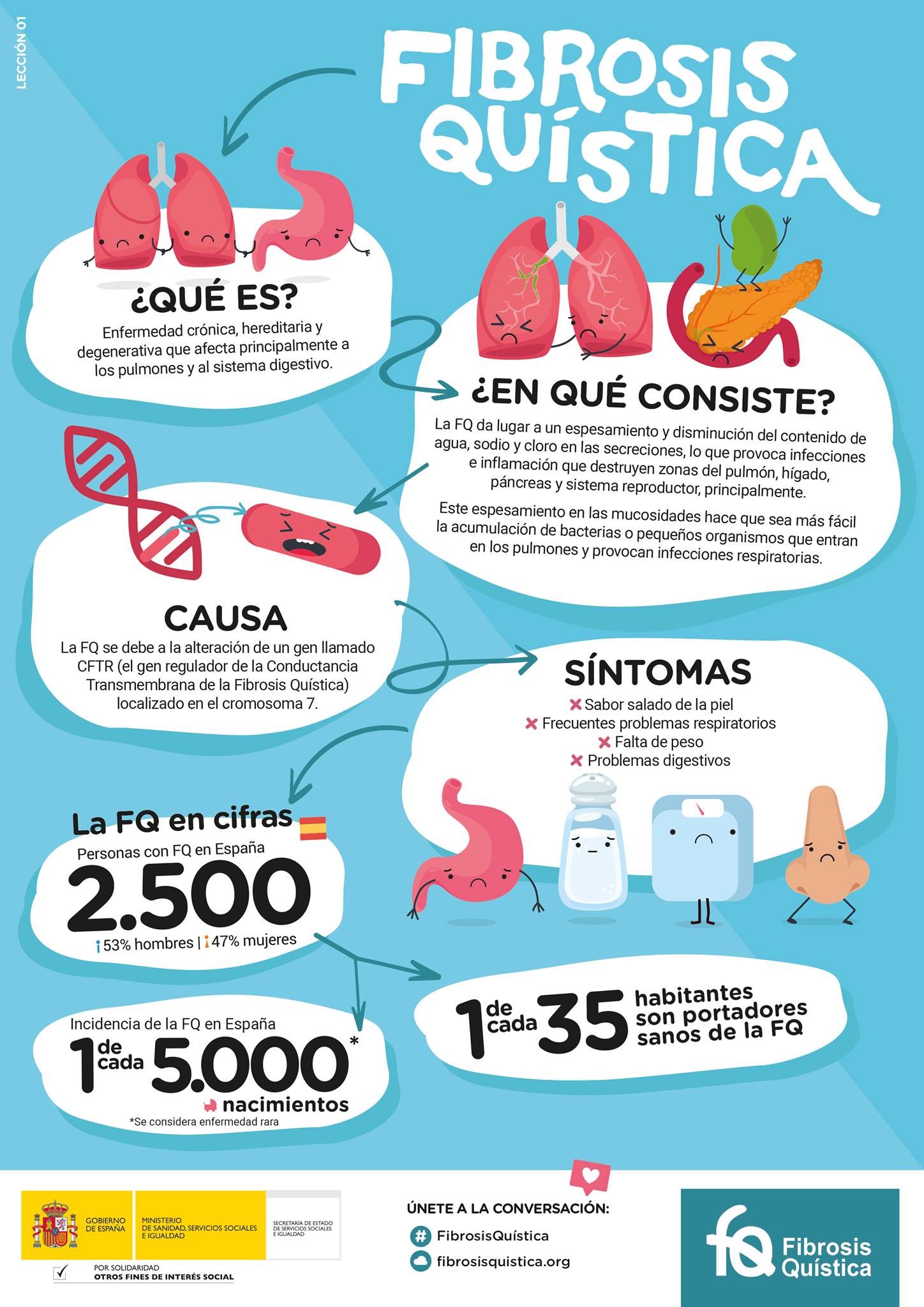
In Spain there are more than 2,500 people in Spain with cystic fibrosisone of the most common serious genetic diseases. This rare and degenerative disease, which mainly affects the lungs and digestive system, has become an example of how research, commitment to innovation and the drive of patient associations can transform the lives of thousands of people.
Cystic fibrosis is due to a genetic alteration that affects the areas of the body that produce secretions, which become thicker due to altered amounts of water and salts, clogging the channels through which they are eliminated. This accumulation of secretions produces infections and inflammations that affect various organs such as the lungs, liver, pancreas and reproductive system.
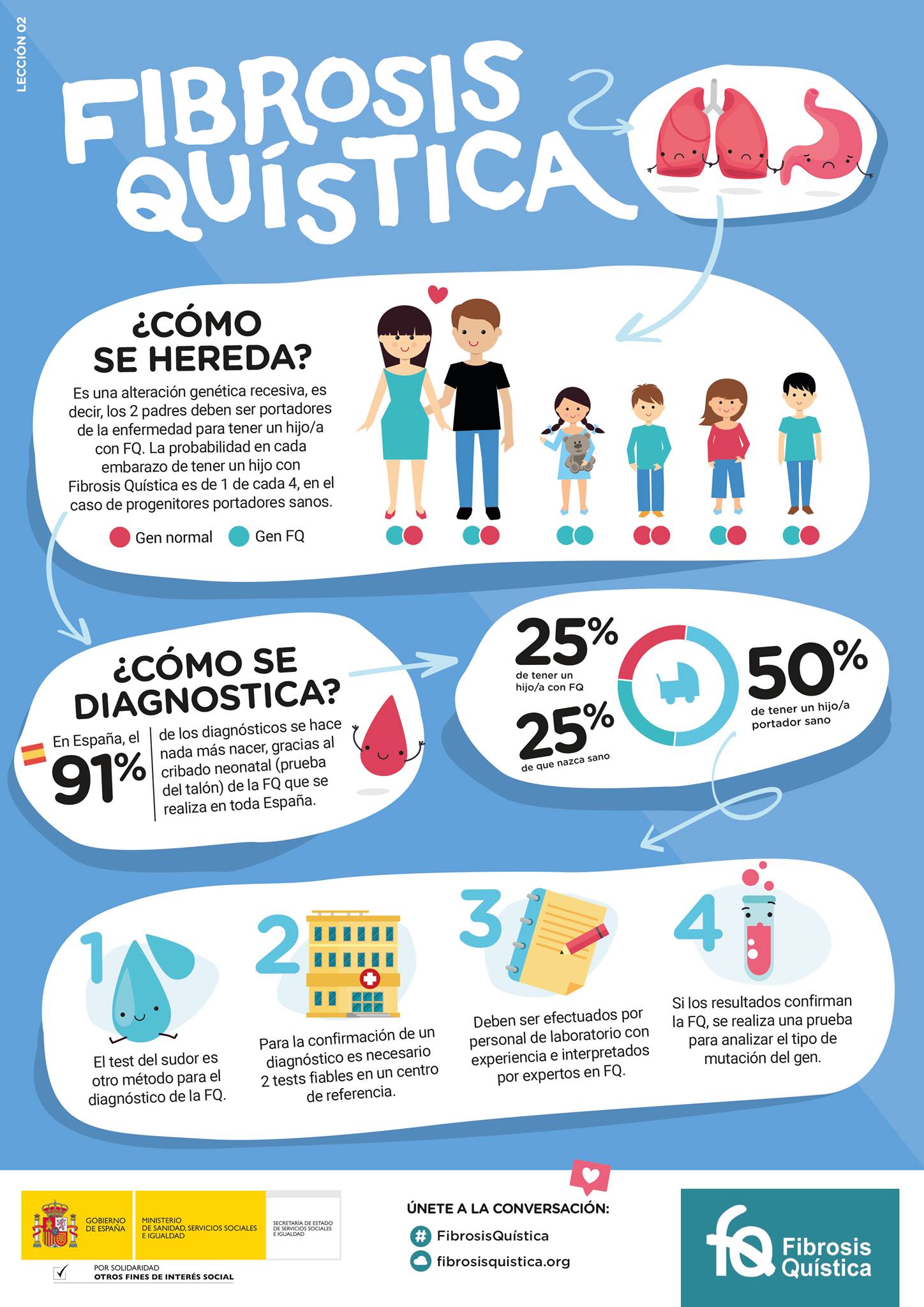
The pathology is caused by the recessive genetic alteration of the CFTR gene, so both parents must be carriers to have a child with cystic fibrosis. Therefore, the probability in each pregnancy of having a baby with the disease is one in four, in the case of healthy carrier parents. In Spain it is estimated that one in 35 citizens are healthy carriers and that the incidence of the disease is one case per 5,000 births.
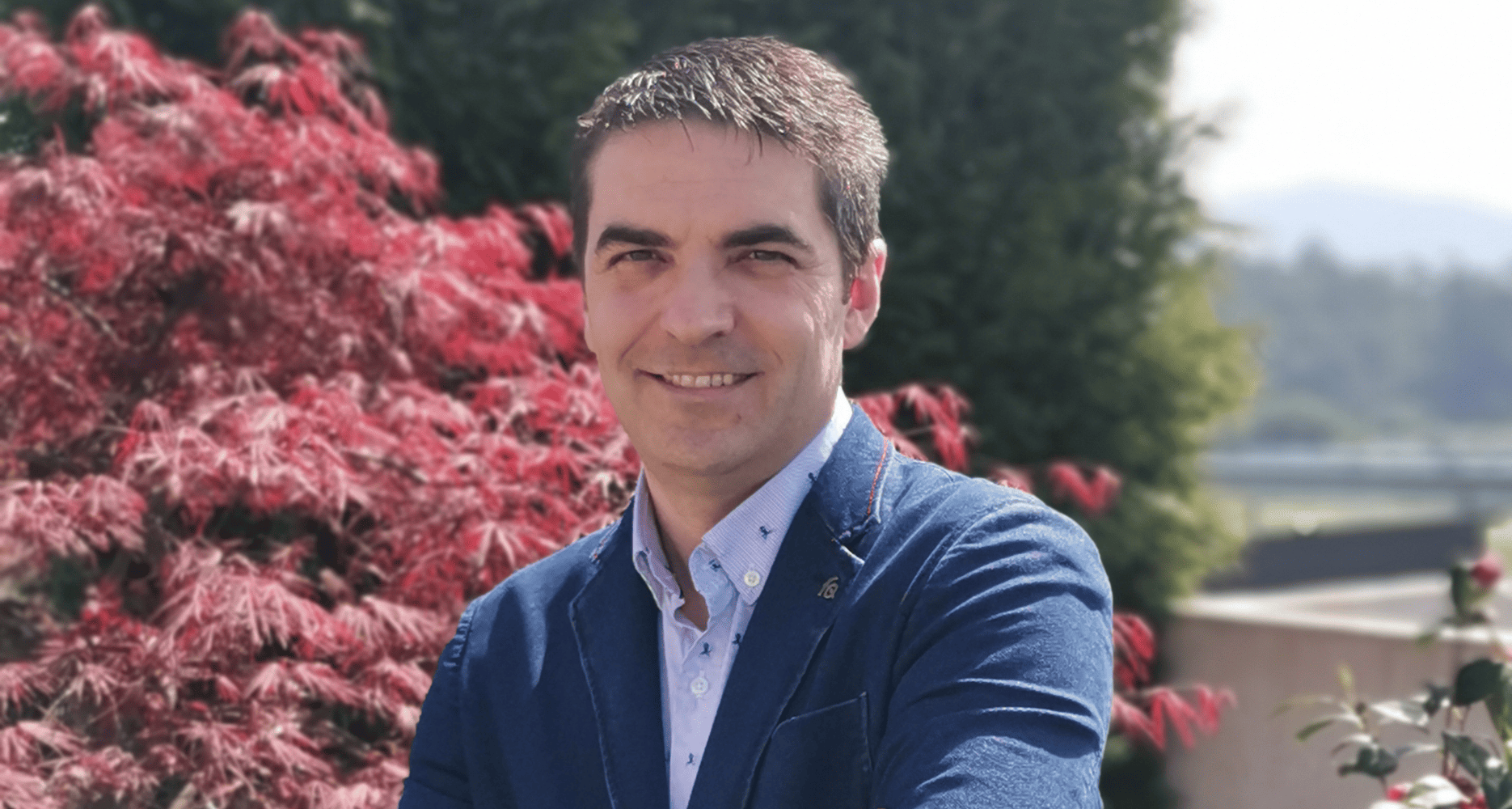
On the occasion of World Cystic Fibrosis Day, which is celebrated every year on September 8, we spoke with Juan Da Silva, president of the Spanish Federation of Cystic Fibrosis (FEFQ), who reviews the evolution of the collective, the achievements and the challenges still pending in the approach of this disease.
The history of the FEFQ
The Federation was born almost 38 years ago, due to the need to unite the regional patient associations that existed in Spain. "With the arrival of the first treatments, we realized that we needed to have a common voice to represent the collective. This union allowed us to articulate demands, coordinate actions and become a relevant interlocutor before the healthcare institutions," he explains.
The history of the Federation is linked to the great medical advances that have been made in this disease in recent decades. However, Juan Da Silva insists on the importance of continuing to accelerate access to treatment, especially in the pediatric population.
The reason is simple: "The sooner the lung deterioration caused by the disease is halted, the better the patient's chances of enjoying a good quality of life. Time is of the essence.. If a child can gain early access, we prevent irreversible damage from accumulating."
The president of the FEFQ denounces that, although mechanisms such as compassionate use exist, in practice early access to innovation in Spain "is still too slow". In this regard, he cites France as an example to follow, which allows "patients to receive the drug while the authorities negotiate financing with the pharmaceutical company that owns the product". "In contrast, in our country, this negotiation can take months, even years, which leaves many patients waiting and without alternatives," Da Silva points out.
Territorial inequality
Another of the issues of greatest concern to the Federation is the inequality in diagnosis according to the autonomous community of residence. Ninety-one percent of cystic fibrosis diagnoses are made at birth, thanks to its implementation in neonatal screening programs throughout Spain.
Another diagnostic method is the sweat test, which requires two tests at a referral center to confirm the diagnosis. If so, another test is then performed to analyze the type of gene mutation. In this sense, the FEFQ defends that this test "must be performed by experienced laboratory personnel and interpreted by experts in cystic fibrosis".
Despite the fact that neonatal screening is the reference test for the diagnosis of the disease, Juan Da Silva regrets that the way the heel prick test is performed "varies notably between communities." "In some autonomous communities, genetic screening is more complete; in others, it is more basic. This means that some newborns may receive a late diagnosis, thus losing the opportunity to start treatment from the onset of the disease. We are working to ensure that all communities have standardized and homogeneous screening. It cannot be that a child's future depends on where he or she is born," he laments.
In this regard, the president of the FEFQ reminds us that cystic fibrosis does not only affect the diagnosed person: "The impact extends to his or her family and society as a whole. A late diagnosis, for example, not only deteriorates the child's health, but also forces his parents to reorganize their work and personal life, with the consequent economic and emotional cost".
For this reason, he argues that the commitment to innovation should be seen as an investment, not an expense: "Medical advances not only prolong and improve patients' lives, but also their productivity and job opportunities. Early and equitable access to drugs is a matter of health justice, but also of economic and social sustainability.
In parallel, Juan Da Silva also calls for the recognition of cystic fibrosis reference units, where experienced multidisciplinary teams can attend patients in a comprehensive manner."It has been proven that those who receive care in these units have better results in terms of survival and quality of life," he says.
The importance of partnerships
But the approach to cystic fibrosis goes far beyond pharmacological treatments. Respiratory physiotherapy, regular physical exercise, proper nutrition and psychological support are fundamental pillars. However, the public health system "does not sufficiently cover these services", which forces the associations to supplement them with their own resources.
"We have been forced to go from being associations of small families to becoming professional structures that hire physiotherapists, psychologists, nutritionists... And that requires resources that cost a lot to obtain and maintain," says the president of the FEFQ.
The sustainability of the associative movement is, therefore, another major challenge: "The reduction in state aid and the dispersion of regional funding jeopardize the ability of organizations to continue offering these essential services to patients".
Research: a horizon of hope
Aware that research is the only way to achieve a definitive cure, cystic fibrosis associations in Spain also allocate their own resources to finance research projects that can change the course of the disease. "If from the associative movement we do not support scientists, many lines of research would be lost. Research must be a priority in the political and health agenda of our country, especially in the field of rare diseases", claims Da Silva.
Beyond these pending challenges, Juan Da Silva is hopeful about the outlook for research, especially with the emergence of advanced therapies. In fact, he recalls that in other rare diseases, such as sickle cell anemia, great strides have already been made thanks to research initiated in cystic fibrosis. " This fills us with pride: to see that the work done in our disease is helping other groups," he celebrates.
In this context, he argues that Spain should be prepared to lead access to these treatments as soon as they are approved in Europe. "We are not talking about a short-term investment, but about a commitment to the future. Every child who starts today with an innovative treatment is getting a chance at life. Health institutions and public administrations need to speed up procedures to guarantee equitable and timely access to innovative treatments," insists the president of FEFQ.
Remaining challenges
The approach to cystic fibrosis in Spain is going through "an unprecedented stage" of "a stage of unprecedented transformation".. Advances in treatments have changed the perspective of the disease, but "inequalities, delays in access and unmet needs still persist," points out the president of FEFQ.
Thanks to science, the involvement of professionals and the strength of patient associations, much progress has been made in recent years. But, as Juan Da Silva insists, the goal has not yet been achieved. For this reason, he makes a twofold demand: "to speed up access to treatments" and guarantee that "100% of patients benefit from the latest advances", as well as to ensure the viability of the associative movement, "increasingly weakened by the lack of a stable funding system".
"We are living a moment of great change, a leap in the way we approach cystic fibrosis. But there is still much to do: to reach those who have no treatment, to support research, to streamline processes and to keep our associations alive," concludes the president of the FEFQ.