According to data from the Spanish Federation for Rare Diseases (FEDER), more than 300 million people have a rare disease, 3.4 million of whom live in Spain. Half of these individuals and families wait more than six years to receive a diagnosis, but many of them still have not received one.
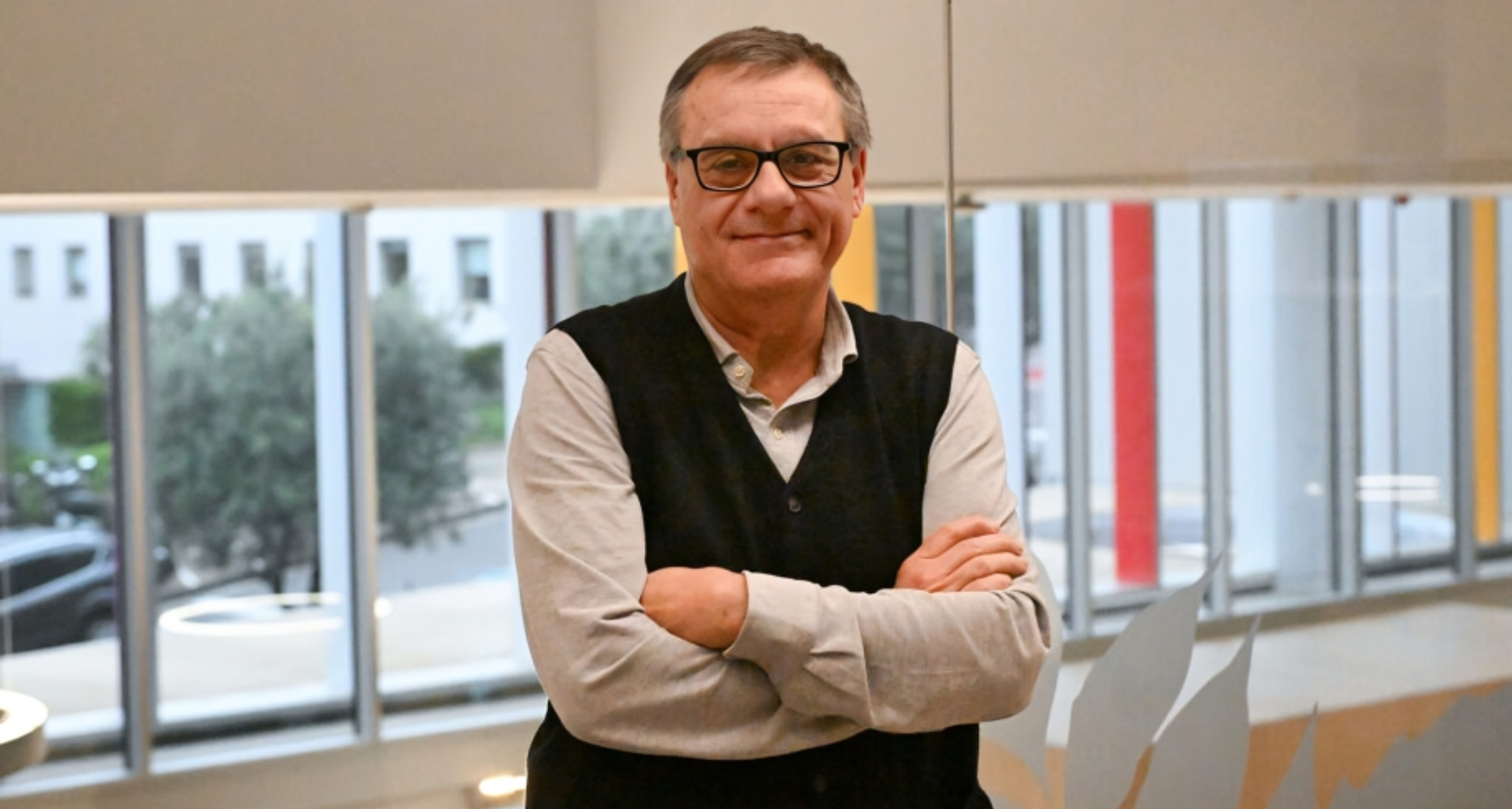
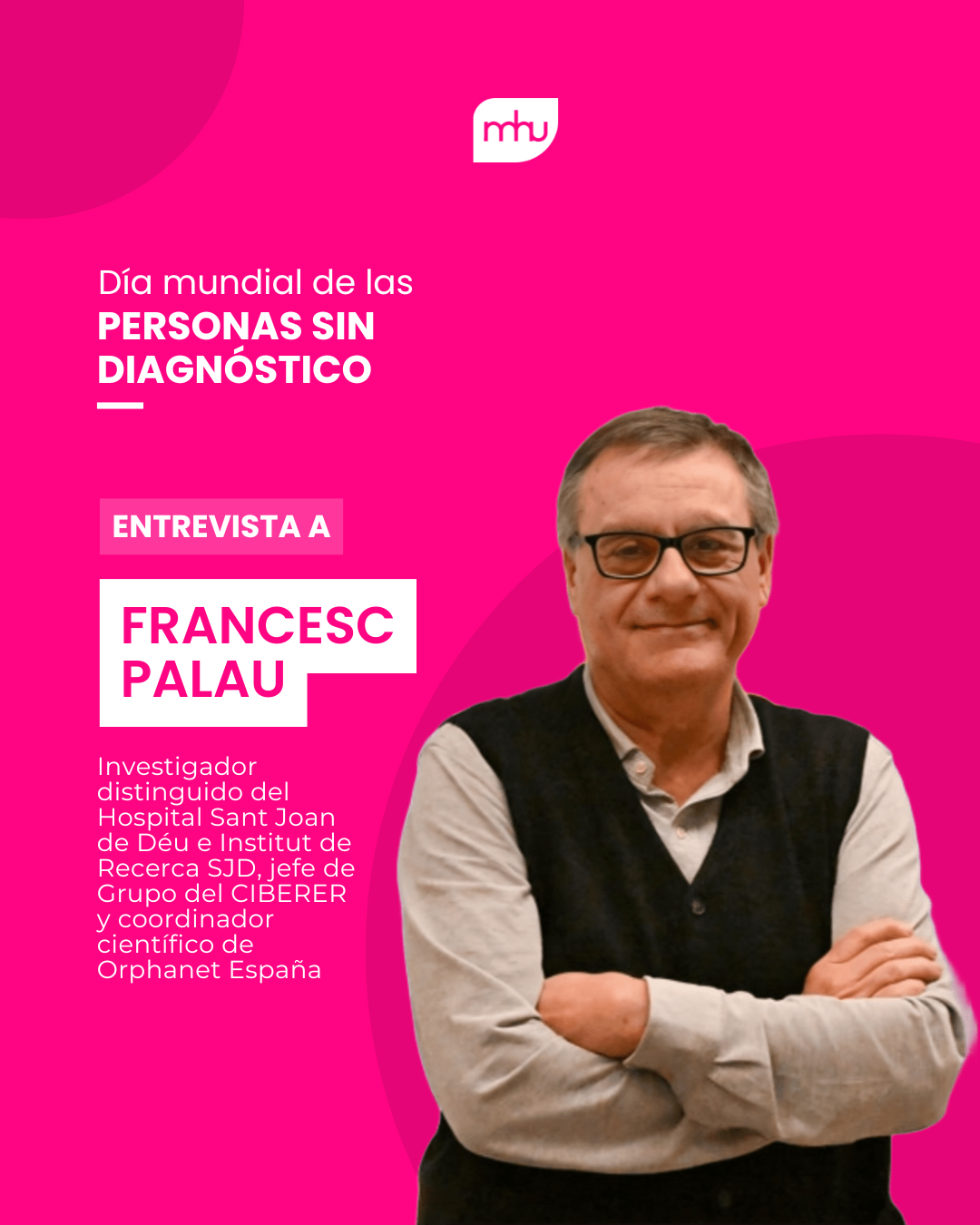
To mark World Undiagnosed Patients Day, we at AELMHU interviewed Dr. Francesc Palau, distinguished researcher at Sant Joan de Déu Hospital and the SJD Research Institute, group leader at CIBERER, and scientific coordinator of Orphanet Spain, to discuss one of the fundamental pillars in the field of rare diseases: diagnosis.
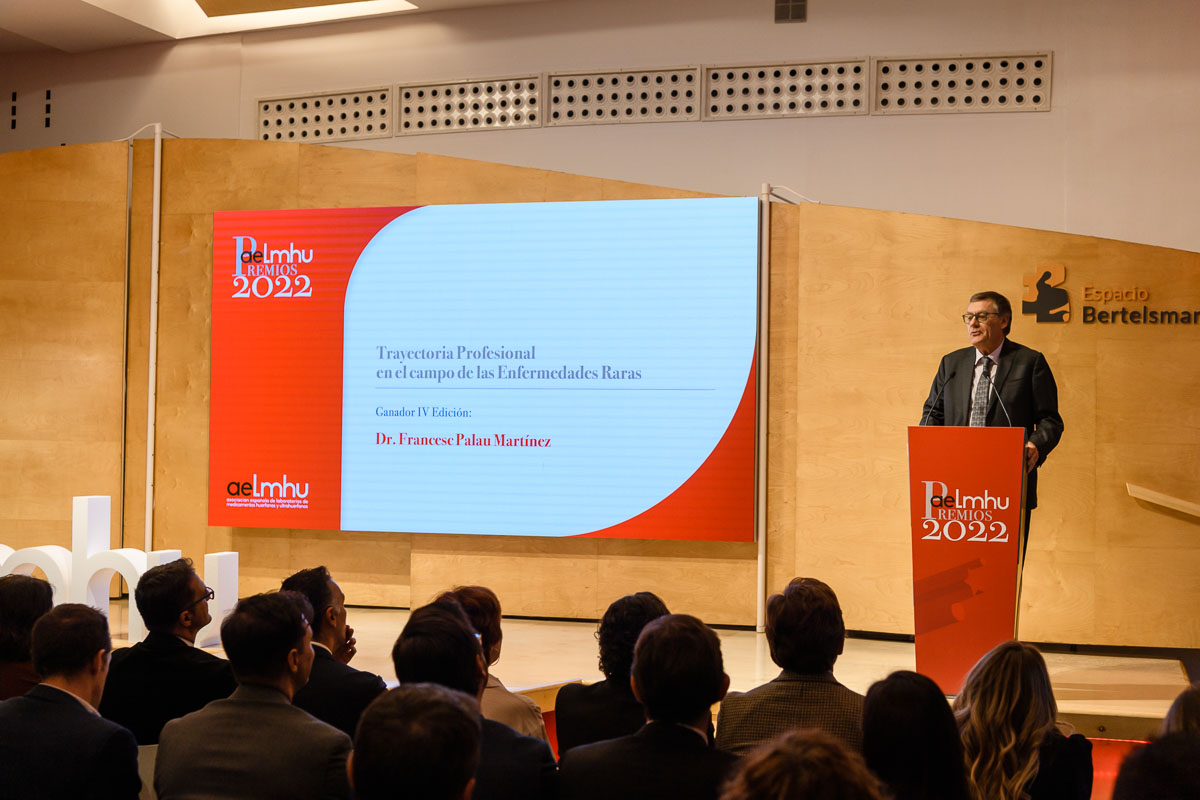
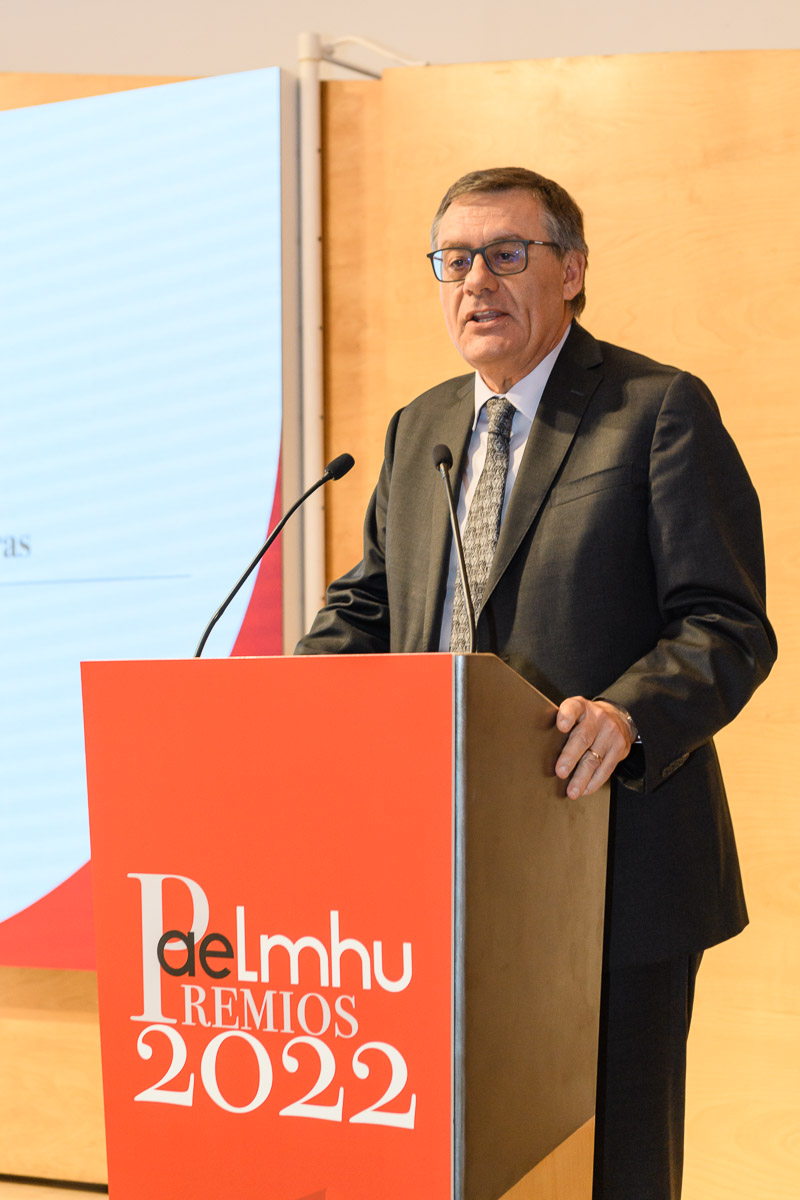
Dr. Palau has an outstanding track record in the field of rare diseases, both nationally and internationally. A pediatrician and clinical geneticist, he played a key role as scientific coordinator for the National Health System’s Rare Diseases Strategy, as well as in promoting the CIBERER research networks. His work has been recognized with various awards, including the award for the best professional career in the field of rare diseases, presented by AELMHU in 2022.
“Diagnosis is not just another step in the care process, but the cornerstone upon which the entire system rests. In medicine, there are two fundamental aspects, aside from other important considerations: diagnosis and treatment. Without that first step, it is impossible to make progress in prevention, treatment, prognosis, or comprehensive patient care,” explains the pediatrician and medical geneticist.
From this perspective, diagnosis takes on even greater importance in rare diseases, where clinical complexity and low prevalence make it difficult to identify cases. “Without a diagnosis, there can be no prevention, no possible treatment, and no proper clinical management in the future, ” notes Dr. Palau.
The role of the ORPHA code
One of the key elements in addressing rare diseases is the role of the ORPHA coding system, developed within the framework of Orphanet, the leading European portal on rare diseases and orphan drugs. This system allows a specific code to be assigned to each disease recognized as a distinct clinical entity.
“These codes help contextualize the person’s condition, making it easier to identify in different healthcare settings and improving both clinical care and biomedical research. It’s not about ‘labeling the person,’ but rather about bringing precision to the clinical process, ” the expert explains.
Within this system, ORPHA code 616874 is particularly significant, as it is intended for patients without a diagnosis. Although this code may seem technical, it has a profound impact on both patient care and organizational operations. As Dr. Palau explains, its purpose is clear: to identify individuals in whom a rare disease is suspected but who have not yet been linked to a specific condition.
“It allows us to identify at any time individuals who are suspected of having a rare disease but have not yet received a diagnosis. This identification is key to ensuring continuity of care, facilitating second opinions, and guiding future diagnostic testing,” he explains.
However, the specialist emphasizes that this code must necessarily be temporary: “It is very important that it be discontinued once the person receives a diagnosis. At that point, the patient is assigned a code specific to their condition.”
Regarding the implementation of ORPHA codes in Spain, Dr. Palau notes that the process is underway, albeit gradually and unevenly. Implementation is taking place at both the regional and hospital levels, with growing interest from health authorities.
“It is being implemented with great enthusiasm, particularly within the framework of the digital health systems promoted by the Ministry of Health and the Red Únicas network, as well as in the context of the National Health System’s Rare Diseases Strategy. One of the key objectives is to improve interoperability between regions, so that clinical information can follow the patient without the need for travel. It is essential to be able to share all that information without the patient having to move, but rather by moving the information,” he emphasizes in this regard.
Neonatal Screening: Progress and Challenges
Another key aspect of diagnosing rare diseases is the implementation of neonatal screening programs in Spain. Dr. Palau acknowledges that there has been “a slight acceleration” in recent years, driven by both healthcare professionals and patient organizations. In this regard, he highlights the role of organizations such as FEDER, as well as social and media initiatives that have helped raise awareness.
Inequality among autonomous communities, however, remains a reality, according to the doctor. As he explains, some regions have traditionally limited their programs to the National Health System’s Common Portfolio of Services, while others have expanded the number of conditions covered.
Even so, the specialist believes that the situation “is gradually improving and that there is a clear trend toward expanding screening programs.”
“Diagnostic Gap: An Ethical and Structural Challenge”
One of the arguments in favor of newborn screening isits impact on early diagnosis. According to Dr. Palau, detecting a disease in its early stages allows for “early intervention that can clearly alter the natural course of the disease.” The specialist sums up this idea clearly: “The sooner treatment begins, the more the prognosis changes.”
At this point, the expert introduces a key concept: the “diagnostic deficit”. This term refers to the gap between what could be diagnosed with current resources and what is actually being diagnosed.
According to Dr. Palau, this shortfall may be due to two situations: on the one hand, diagnostic processes that have not yet been completed; on the other, cases in which, despite having performed all available tests, a diagnosis cannot be reached. We would be facing a “diagnostic impasse.”
It is in this second scenario that the use of the ORPHA code for undiagnosed patients takes on particular importance, as it allows for the formal recognition of this situation and facilitates their follow-up.
However, the specialist goes further and frames the diagnostic gap as an ethical issue: “It is unacceptable in a public healthcare system like ours that there is a diagnostic gap compared to what could actually be achieved.”
In this regard, he calls for a joint commitment by professionals and institutions to narrow this gap, noting that there is “a professional duty, ” but also “an institutional duty” and, ultimately, “even an ethical duty” to diagnose all patients with rare diseases.
Training and Clinical Suspicion: Areas for Improvement
Another challenge identified by the expert is the training of healthcare professionals. Francesc Palau acknowledges that “there remains a knowledge gap regarding rare diseases”, which hinders their early detection.
In this context, he emphasizes the importance of maintaining a mindset of clinical suspicion, even in the face of seemingly common symptoms. As he points out, “it’s not just about the most common conditions, ” and professionals “must be able to consider less common diagnoses when the situation calls for it.”
“This ability to recognize potential issues is key to preventing diagnostic delays and improving patient care, especially in a setting where clinical variability is the norm,” he summarizes.
Uncertainty as an emotional burden
Beyond the clinical aspects, Dr. Palau highlights the emotional impact of a lack of diagnosis. The so-called “diagnostic odyssey” is a reality for many families, who spend years without clear answers.
Palau describes uncertainty as a particularly difficult burden to bear: “Living constantly in a state of uncertainty is very painful. This situation causes anxiety, fear, and, in many cases, false hopes among patients.”
In contrast, receiving a diagnosis—even for a serious illness—can be a relief: “Many people, after receiving a diagnosis, are grateful to have reached that point, as it allows them to put an end to a period of uncertainty and begin making informed decisions.”