- Greater flexibility in access, more research, better data management, a commitment to public-private partnerships, and the sharing of best practices among autonomous communities are among the challenges that remain
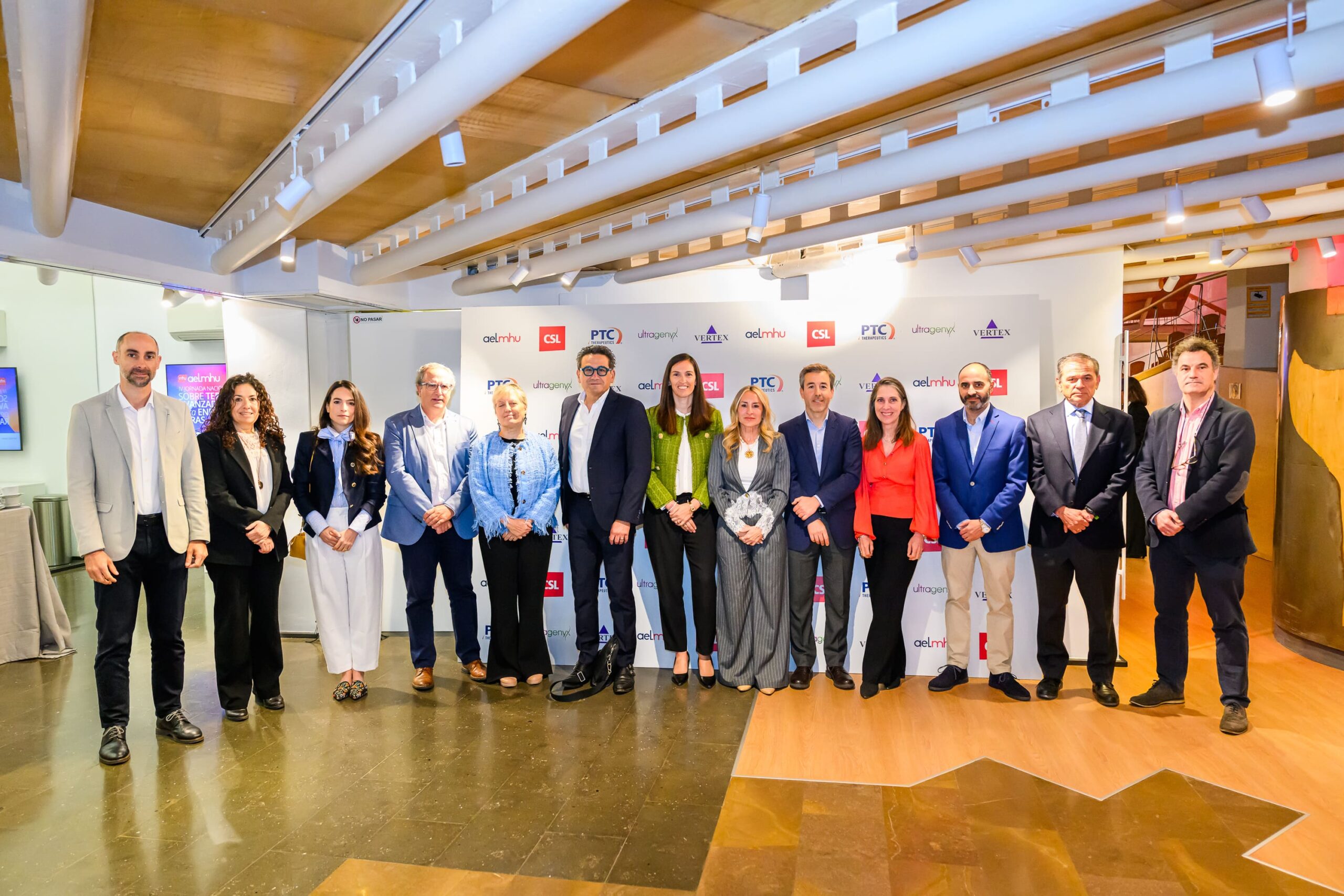
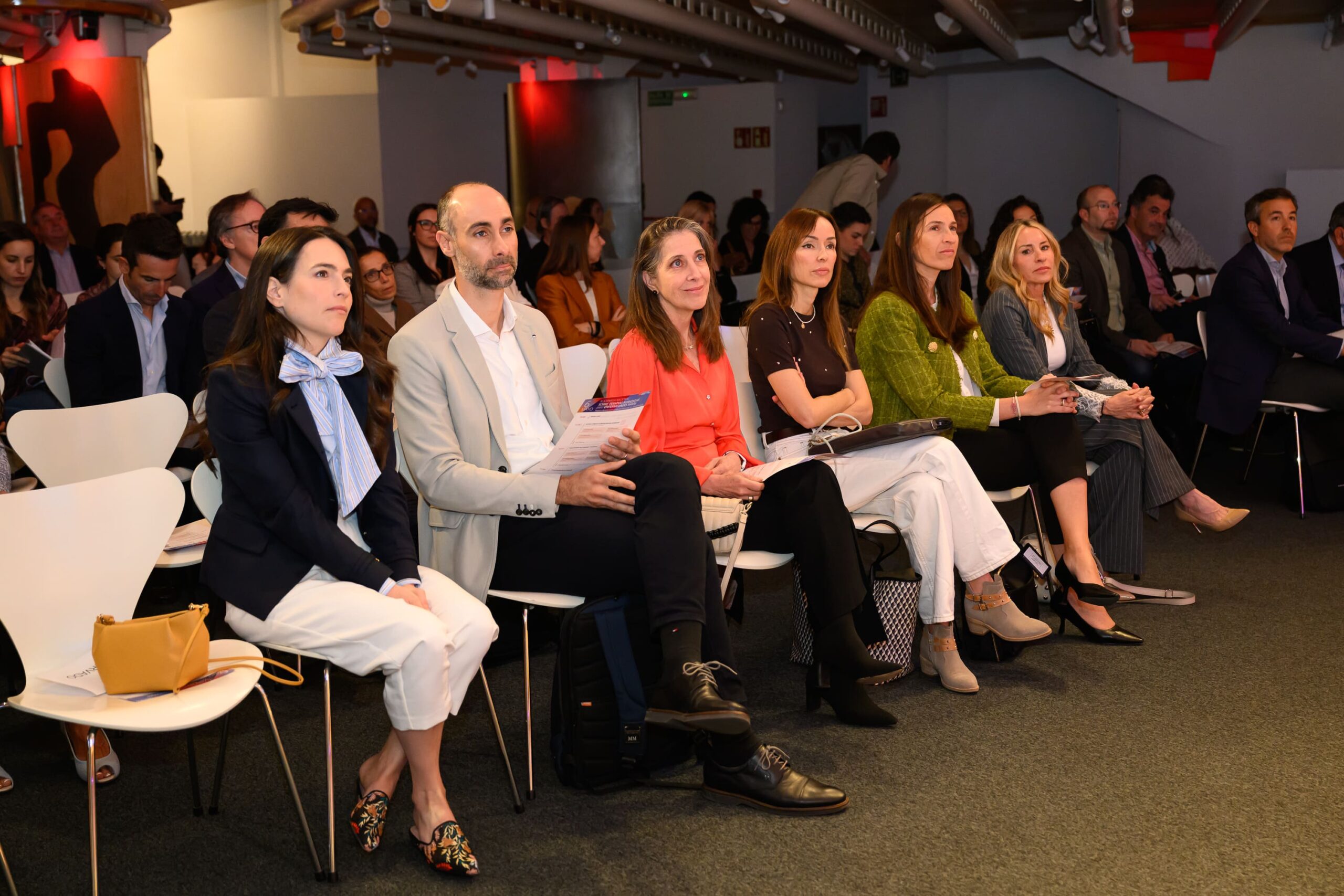
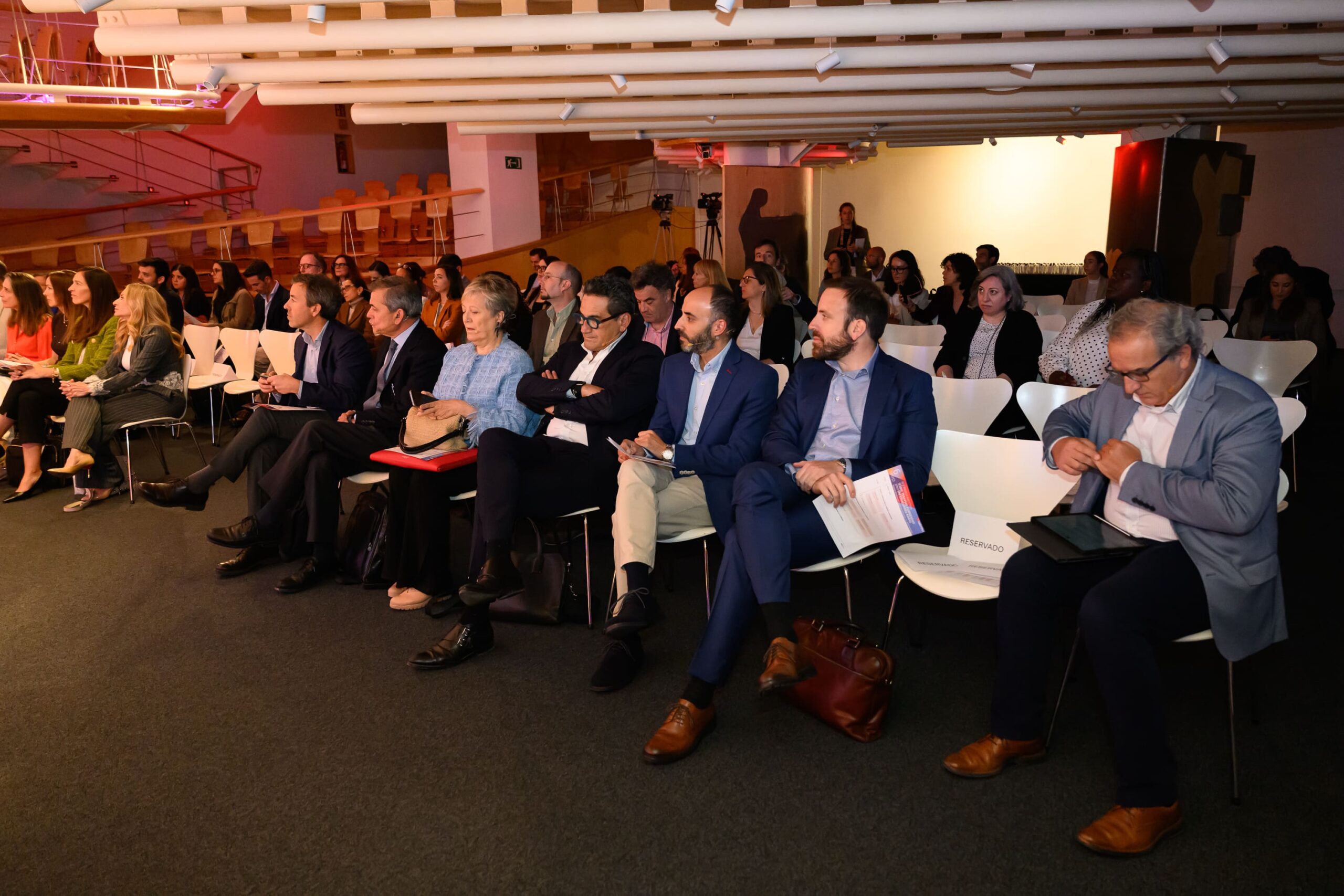
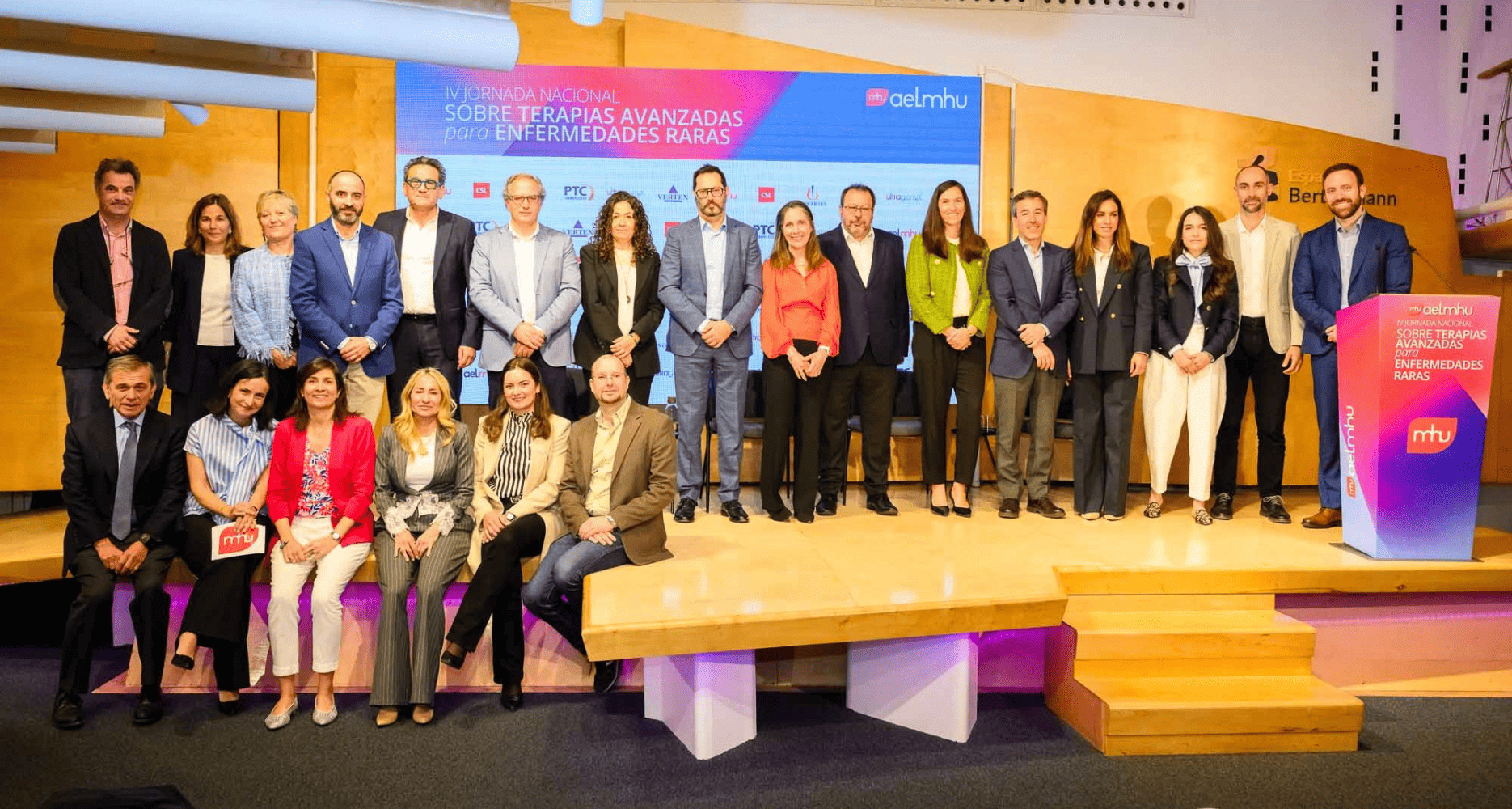
The Spanish Association of Laboratories for Orphan and Ultra-Orphan Drugs (AELMHU) has highlighted the need for a comprehensive approach to advanced therapies for rare diseases during its 4th National Conference on Advanced Therapies, an event that brought together experts, researchers, clinicians, patient organizations, and representatives from national and regional government agencies.
During the event, participants agreed that the development of and access to these therapies requires a coordinated strategy that goes beyond the strictly healthcare sector and also integrates scientific, industrial, economic, and social aspects.
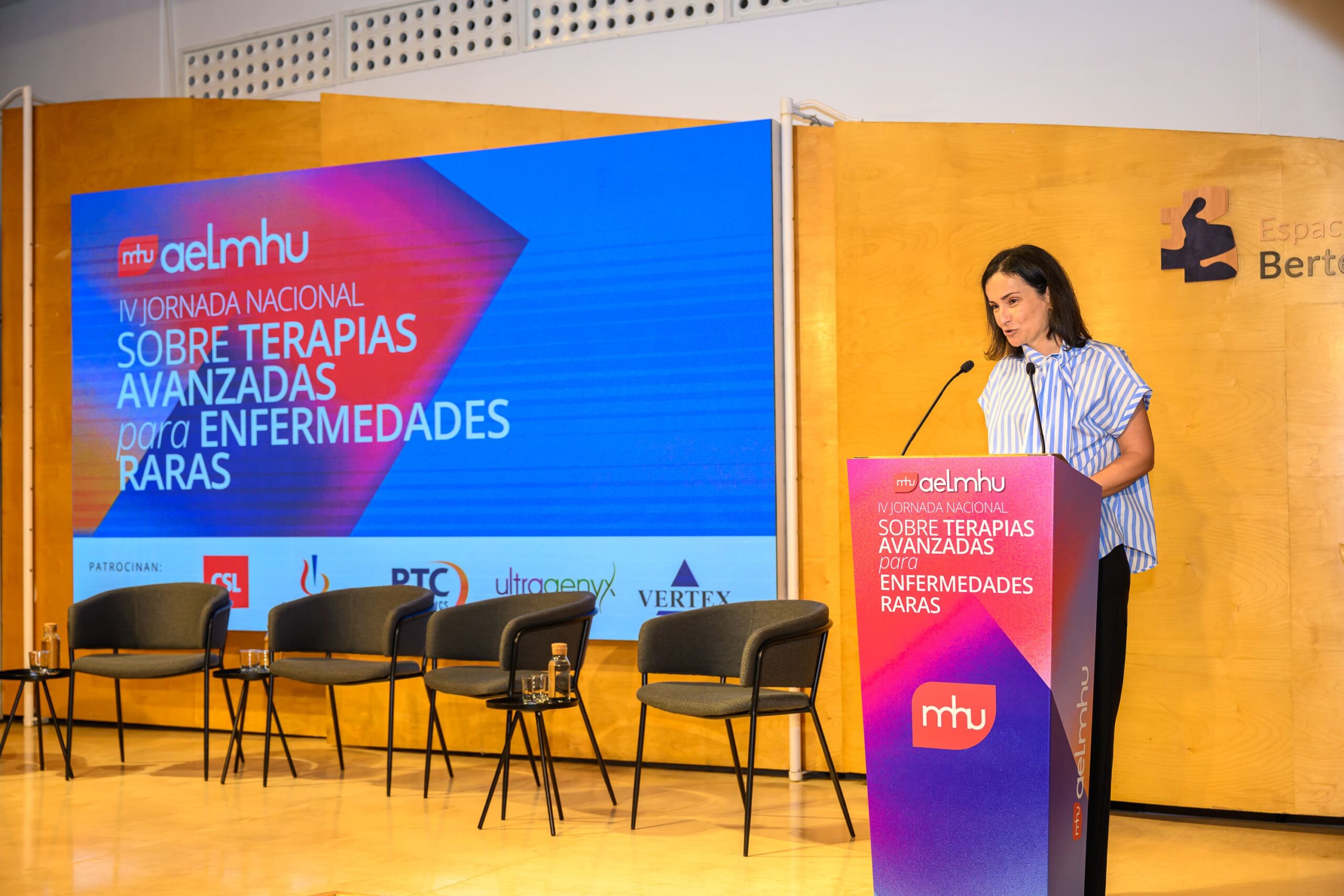
The event, organized in collaboration with CSL, Novartis, PTC Therapeutics, Ultragenyx Pharmaceutical, and Vertex, was opened by AELMHU President Beatriz Perales, who emphasized that advanced therapies “are redefining the natural history” of many rare diseases and, in many cases, offering the first treatment option for patients.
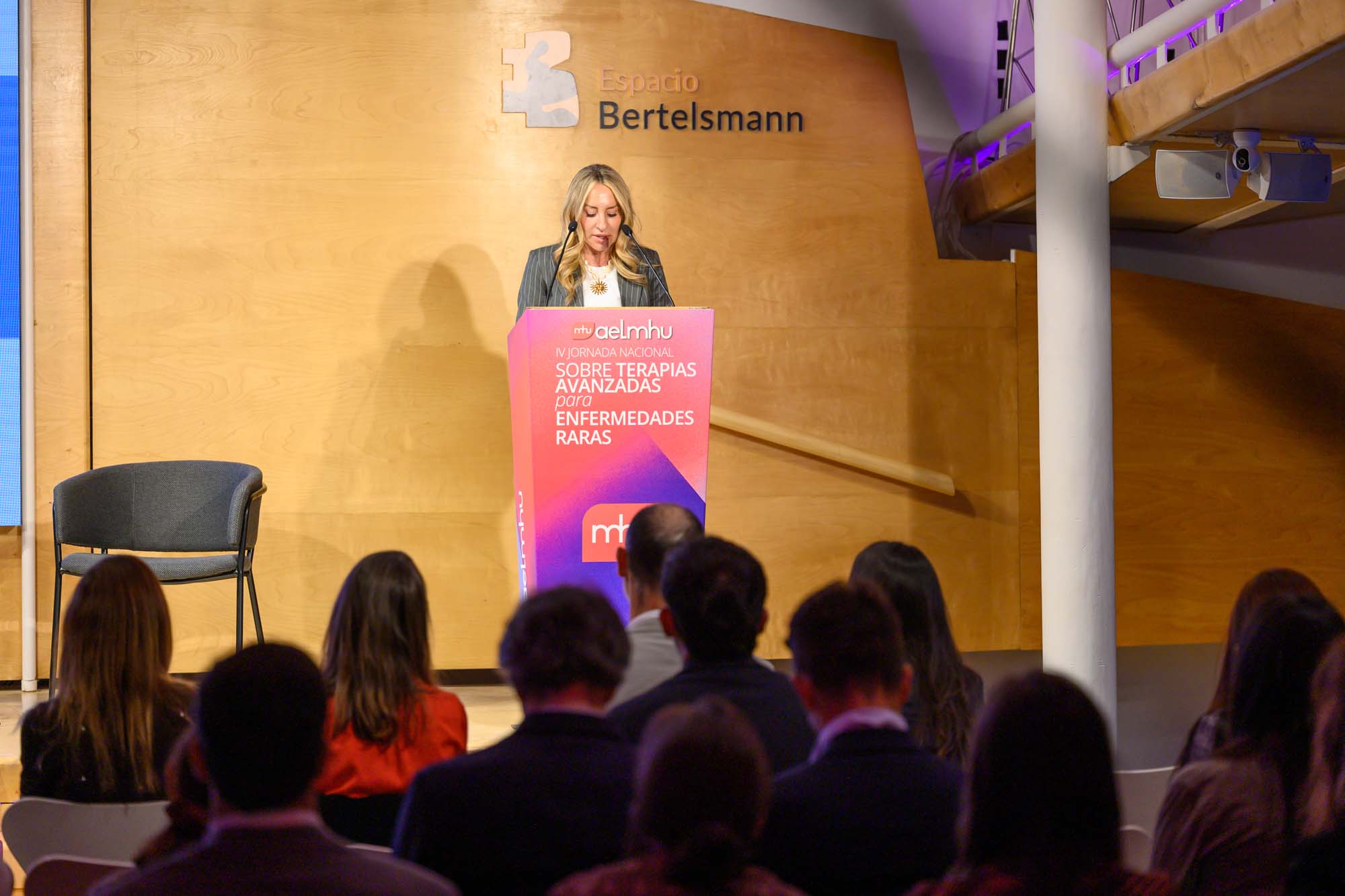
In this context, Perales noted that, although the National Health System’s (SNS) Advanced Therapies Plan represents a significant step forward, it needs to be better tailored to the specific characteristics of rare diseases. Among the priorities, he mentioned the promotion of specific funding mechanisms, more streamlined evaluation procedures, and greater public-private collaboration.
“We need a clear and ambitious roadmap that can anticipate the growth of these therapies and prepare the healthcare system to ensure that innovation reaches patients effectively and equitably,” he said.
The Role of Patients and Health Assessment
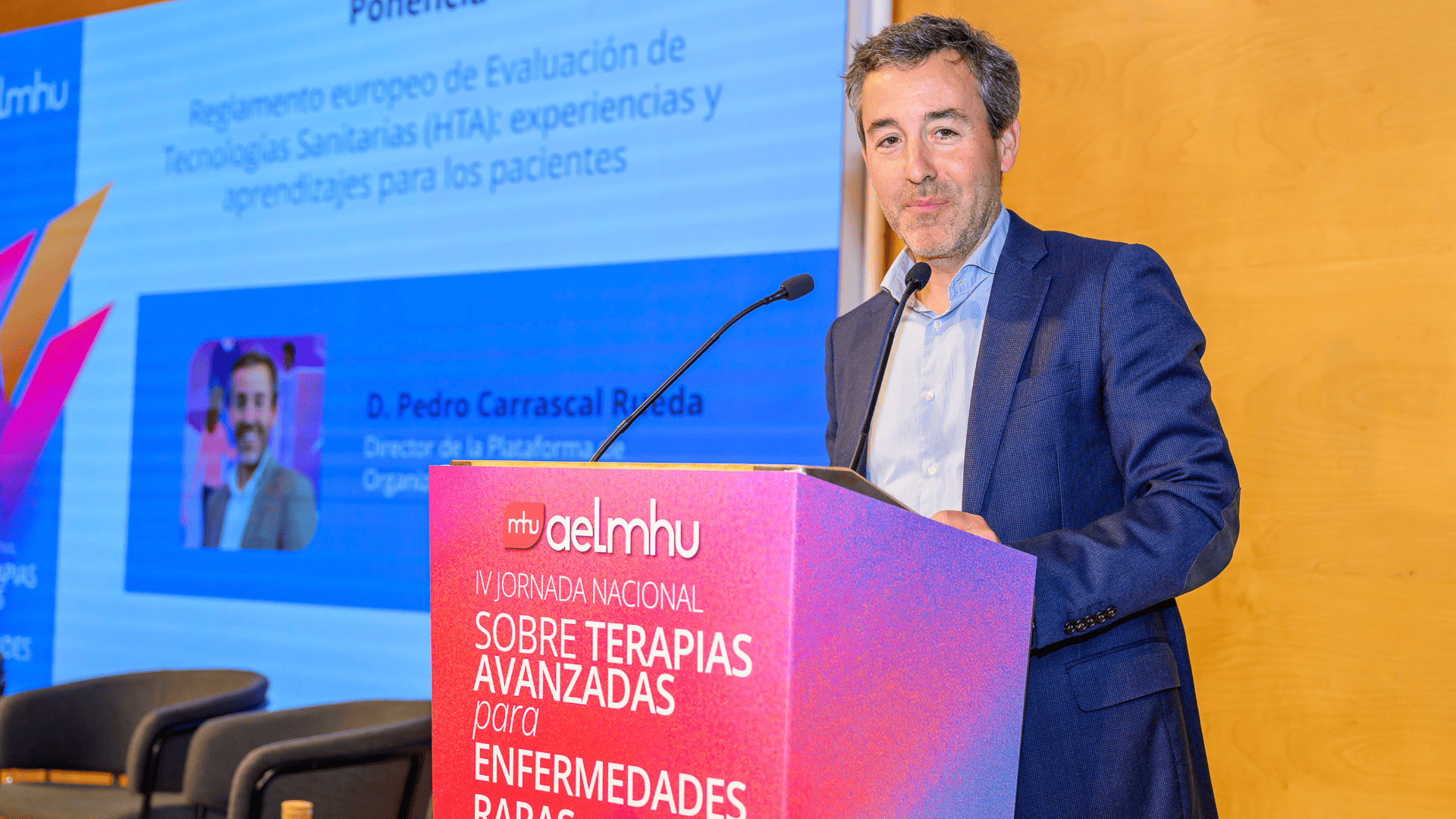
The event also featured a presentation by Pedro Carrascal, director of the Platform of Patient Organizations (POP), focusing on patients’ experiences with the European Regulation on Health Technology Assessment (HTA).
As he explained, the work of patient organizations has ensured that the perspectives of those affected are represented in a “more useful, understandable, and structured” way in health assessment processes.
Research, Collaboration, and Leadership in Clinical Trials
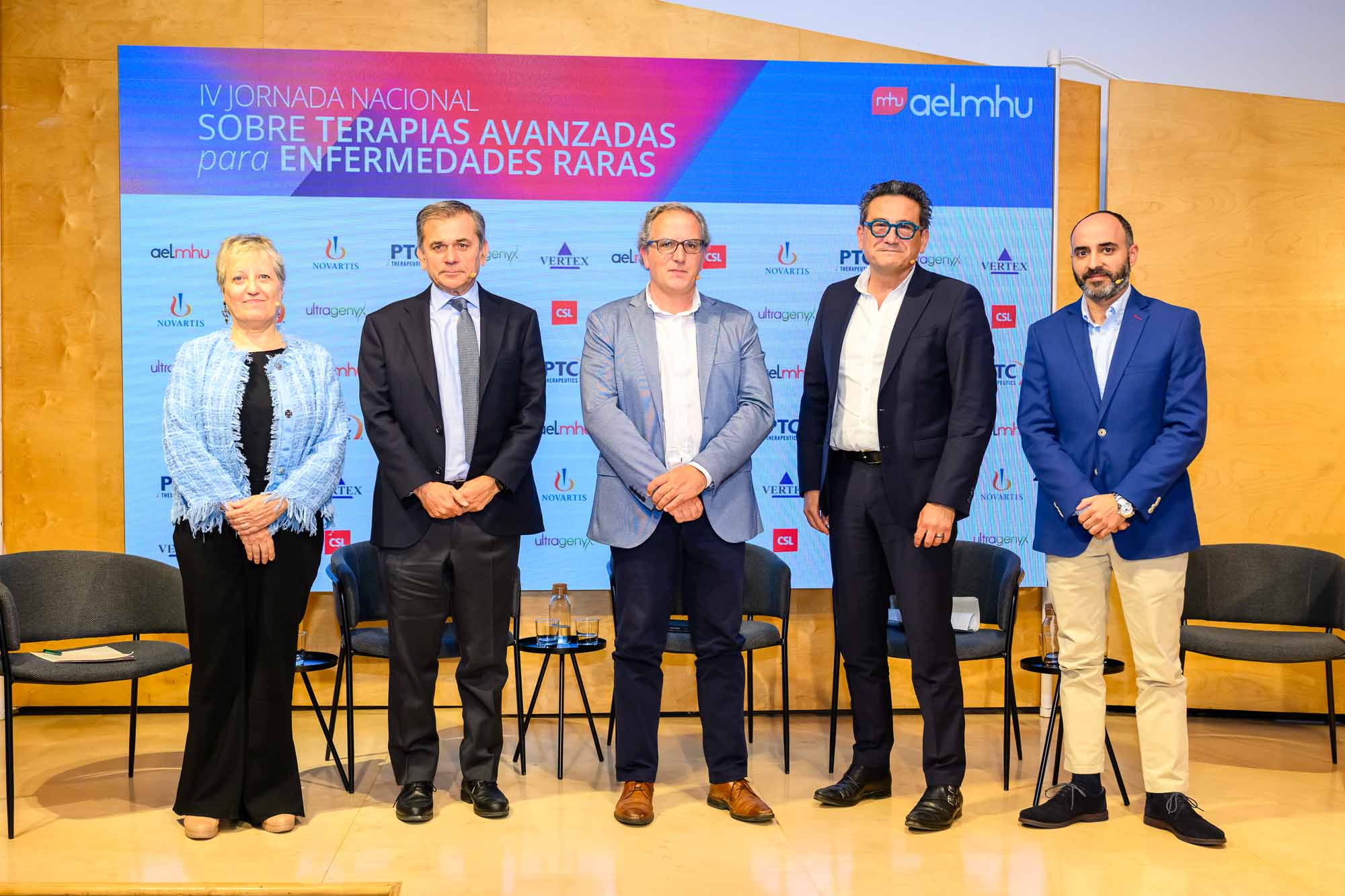
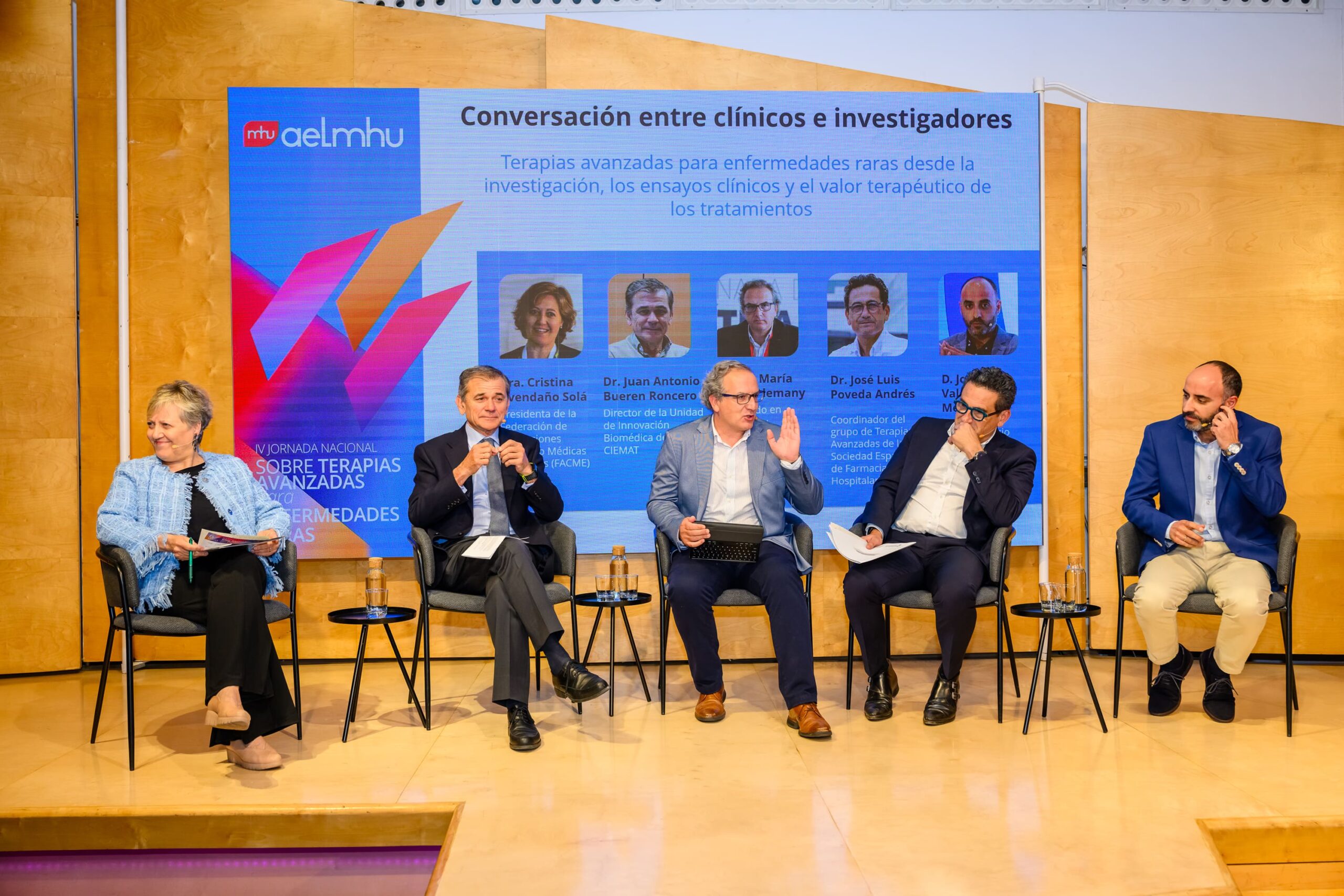
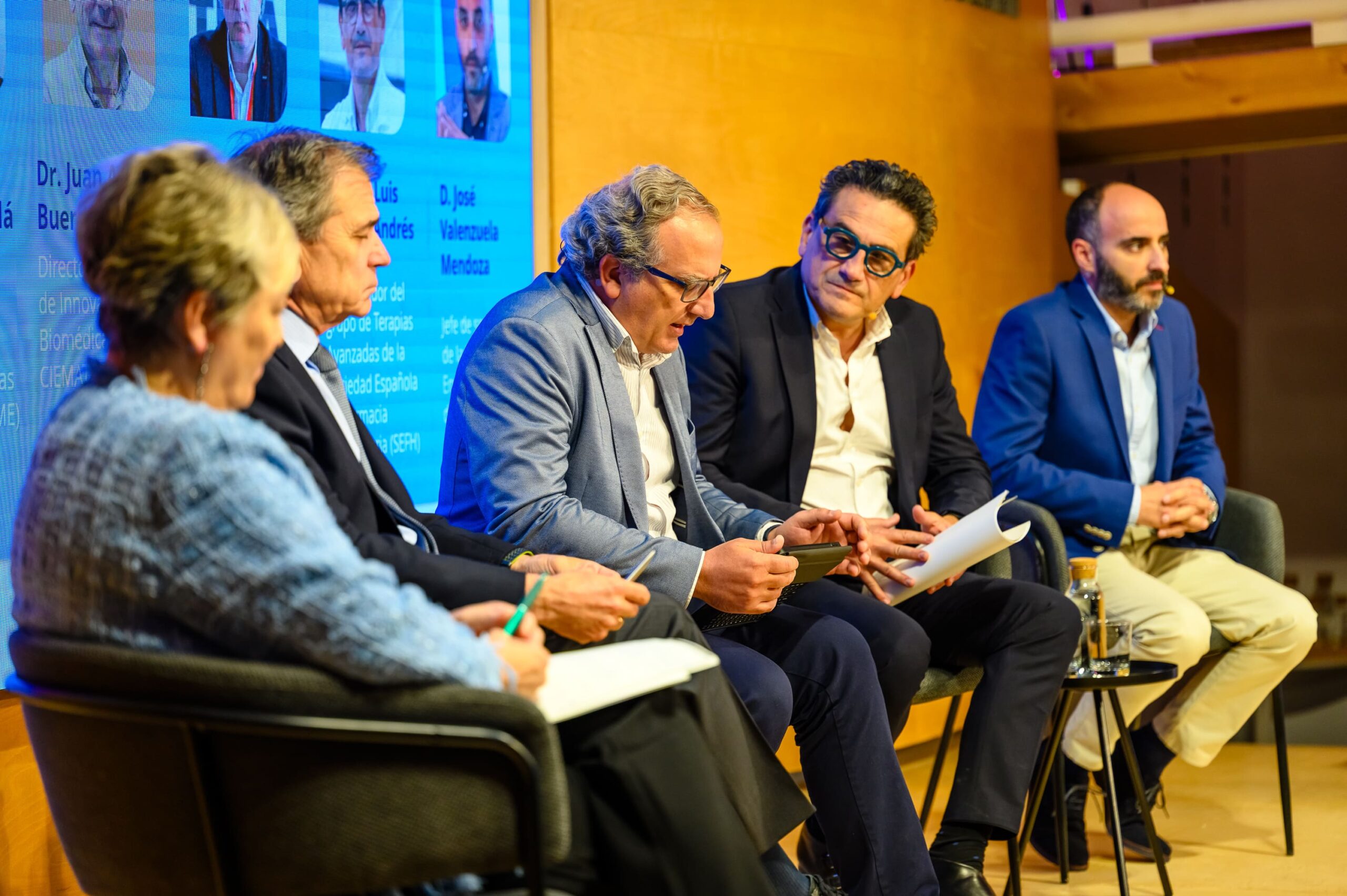
One of the central discussions of the conference addressed the relationship between research and clinical practice in the field of advanced therapies. The panel included Cristina Avendaño, president of the Federation of Spanish Scientific-Medical Associations (FACME); Juan Antonio Bueren, director of the Biomedical Innovation Unit at the Center for Energy, Environmental, and Technological Research (CIEMAT); José Luis Poveda, coordinator of the Advanced Therapies group at the Spanish Society of Hospital Pharmacy (SEFH); and José Valenzuela, head of the Clinical Trials Division at the Spanish Agency for Medicines and Health Products (AEMPS).
Experts have agreed that Spain has made significant progress in advanced therapies for rare diseases, although they have emphasized the need to strengthen research and improve collaboration between clinicians and researchers.
They also called for greater public-private collaboration and better use of health data to optimize decision-making and strengthen Spain’s leadership in clinical trials.
Adapt the regulatory and funding framework
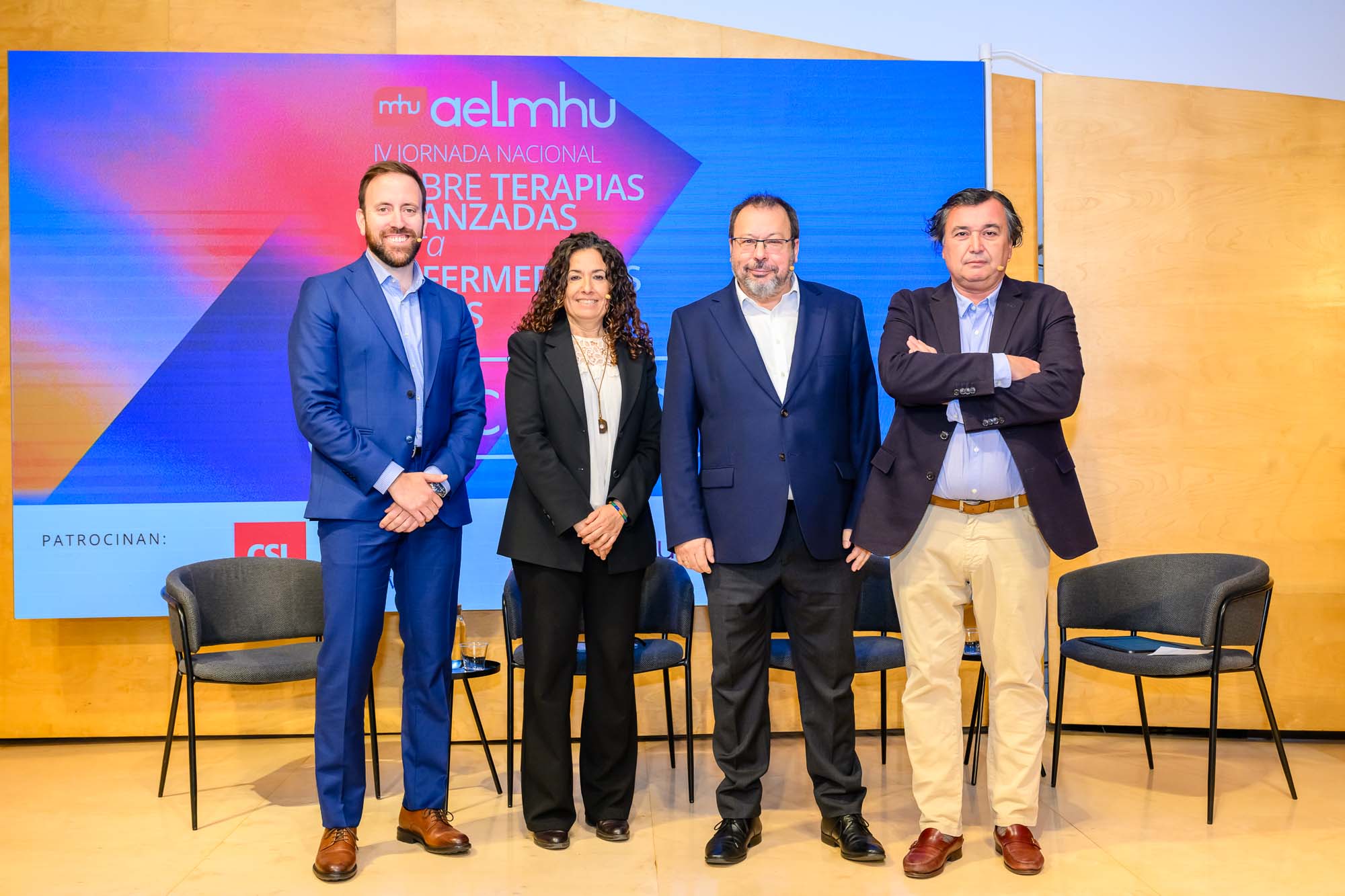
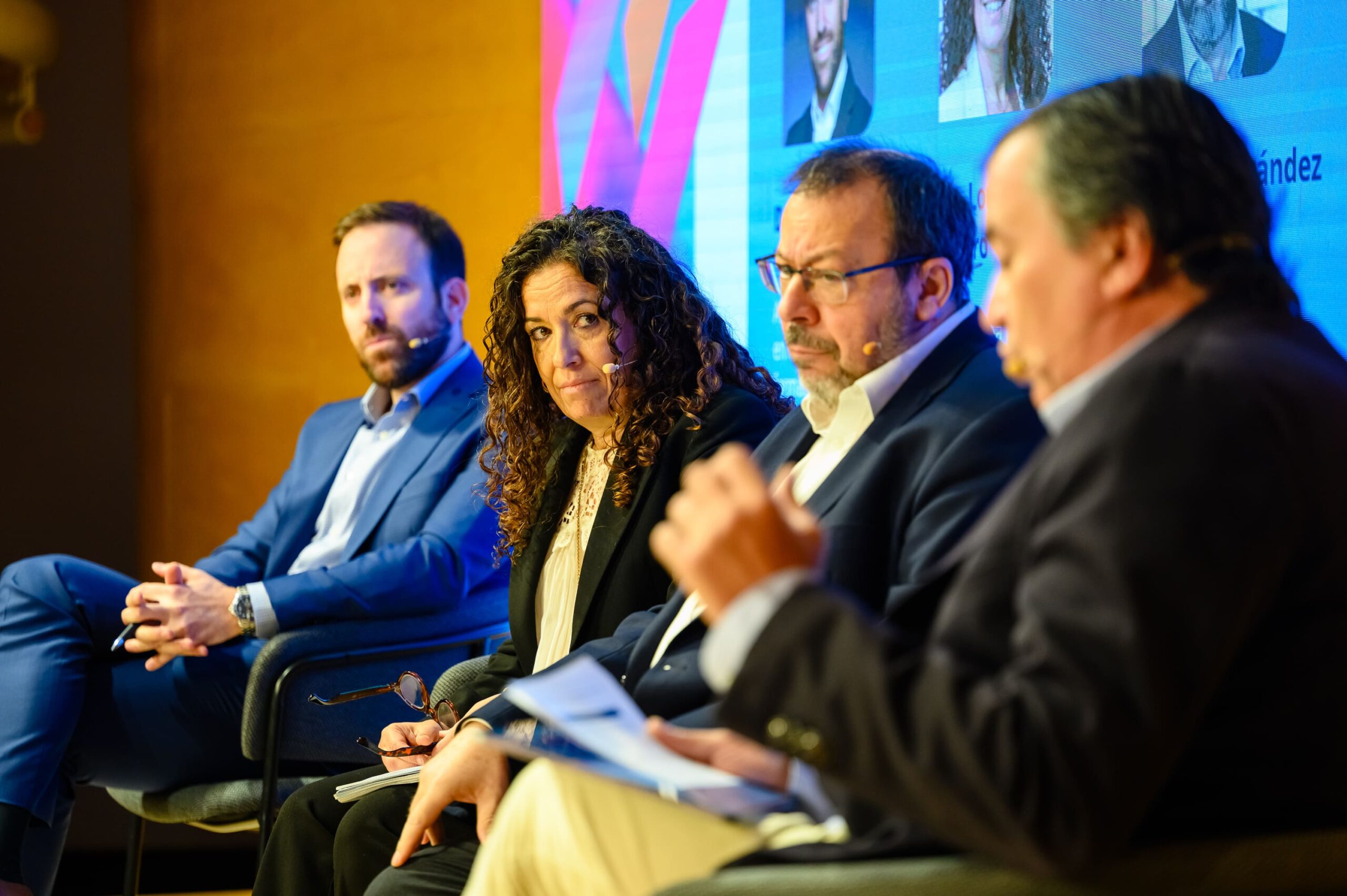
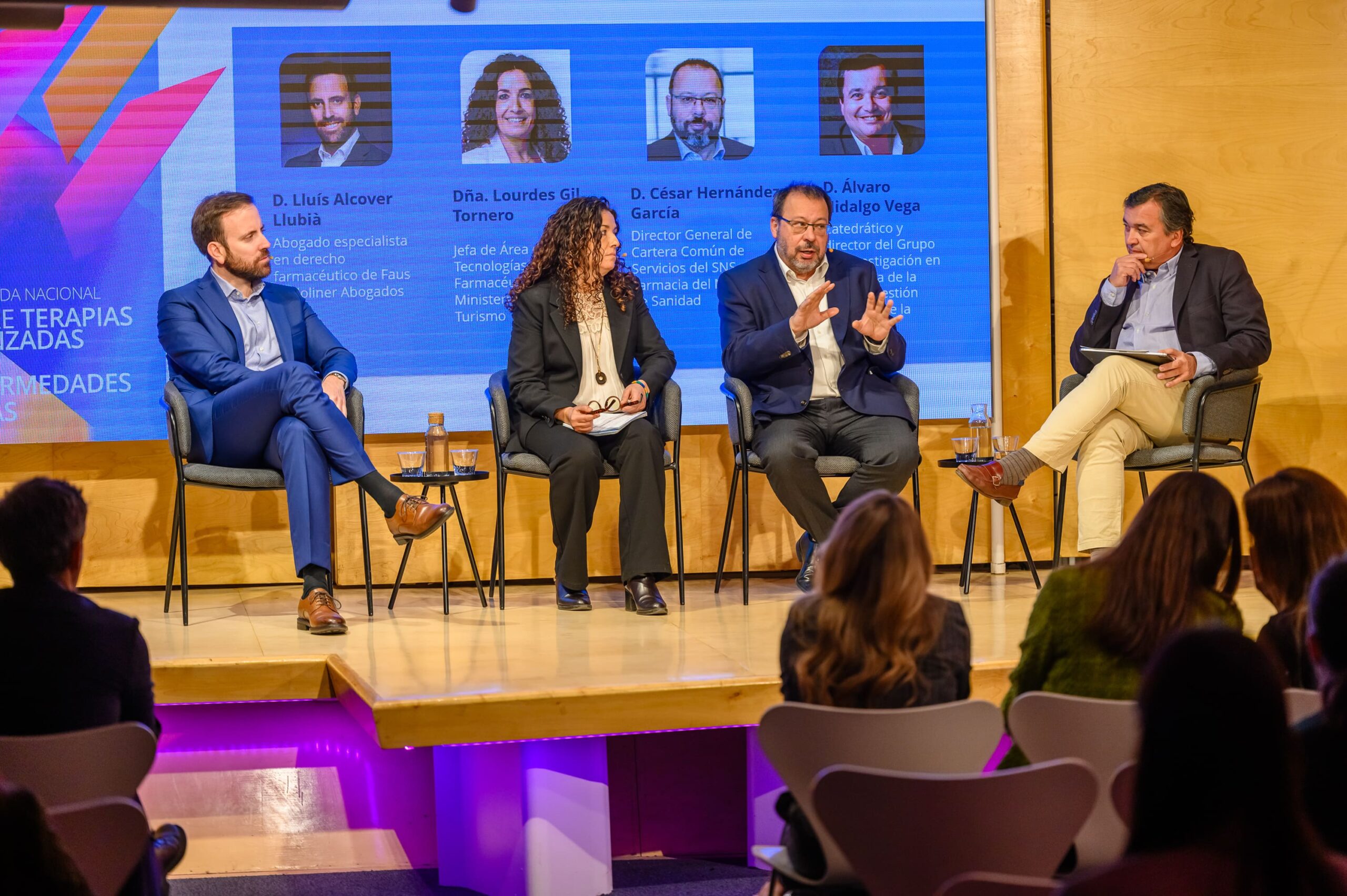
The second panel discussion focused on the challenges of access to and funding for advanced therapies. Moderated by Álvaro Hidalgo, professor and director of the Research Group on Health Economics and Health Management at the University of Castilla-La Mancha, the session featured Lluís Alcover, a lawyer specializing in pharmaceutical law at Faus Moliner; Lourdes Gil, head of the Pharmaceutical Technologies Division at the Ministry of Industry and Tourism; and César Hernández, Director General of the Common Portfolio of Services of the National Health System and Pharmacy at the Ministry of Health.
During the discussion, participants emphasized the need to adapt the regulatory and financial framework to respond more flexibly and predictably to the unique characteristics of these therapies. They also advocated for the creation of an ecosystem that integrates health and industrial policy and incorporates appropriate incentives to ensure the development of pharmaceutical innovation and its delivery to patients.
Coordination among autonomous communities
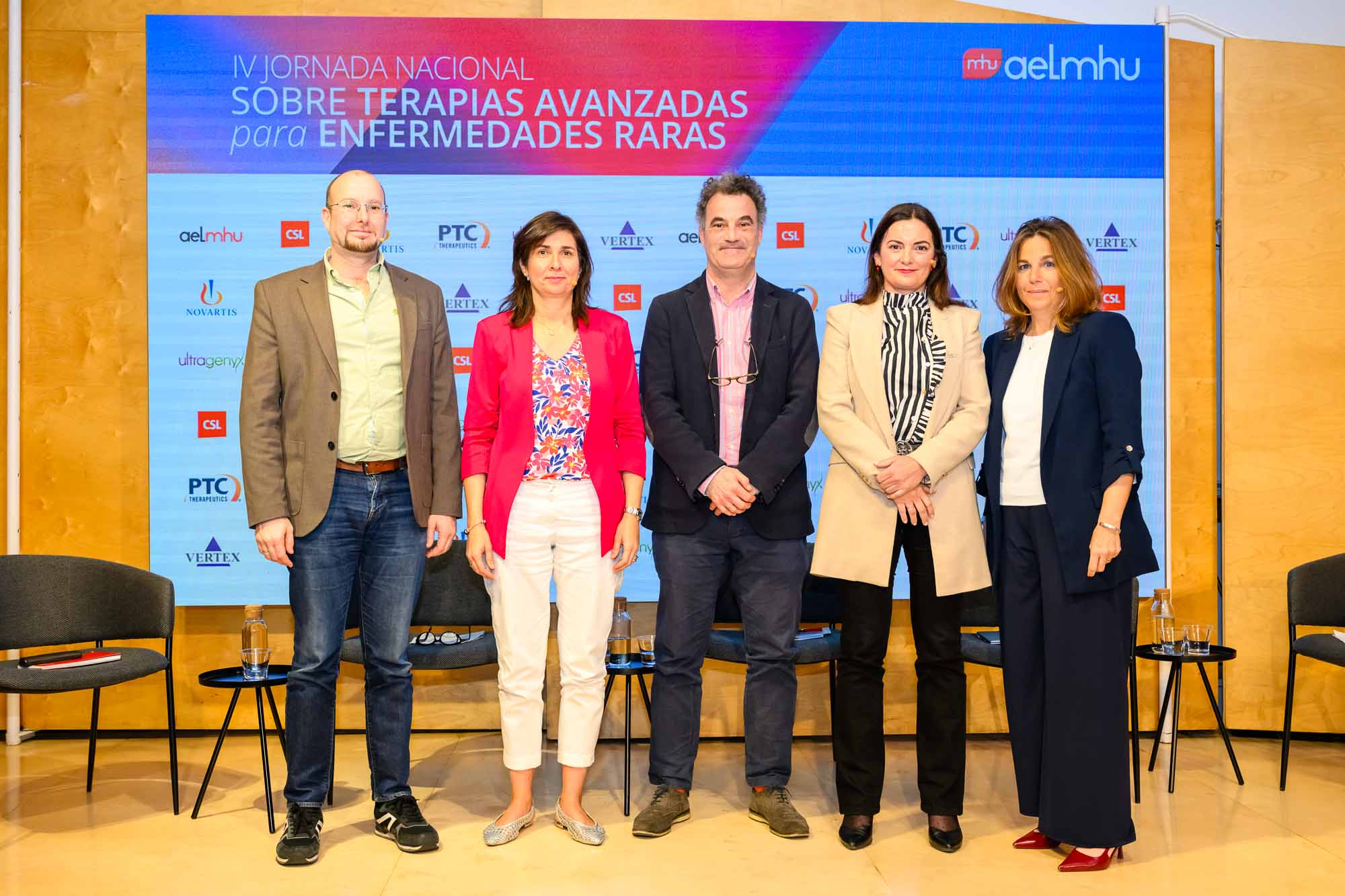
The day concluded with a panel discussion on the regional approach to advanced therapies in Spain, moderated by Jorge Mestre, an associate professor at Carlos III University and an expert in health economics.
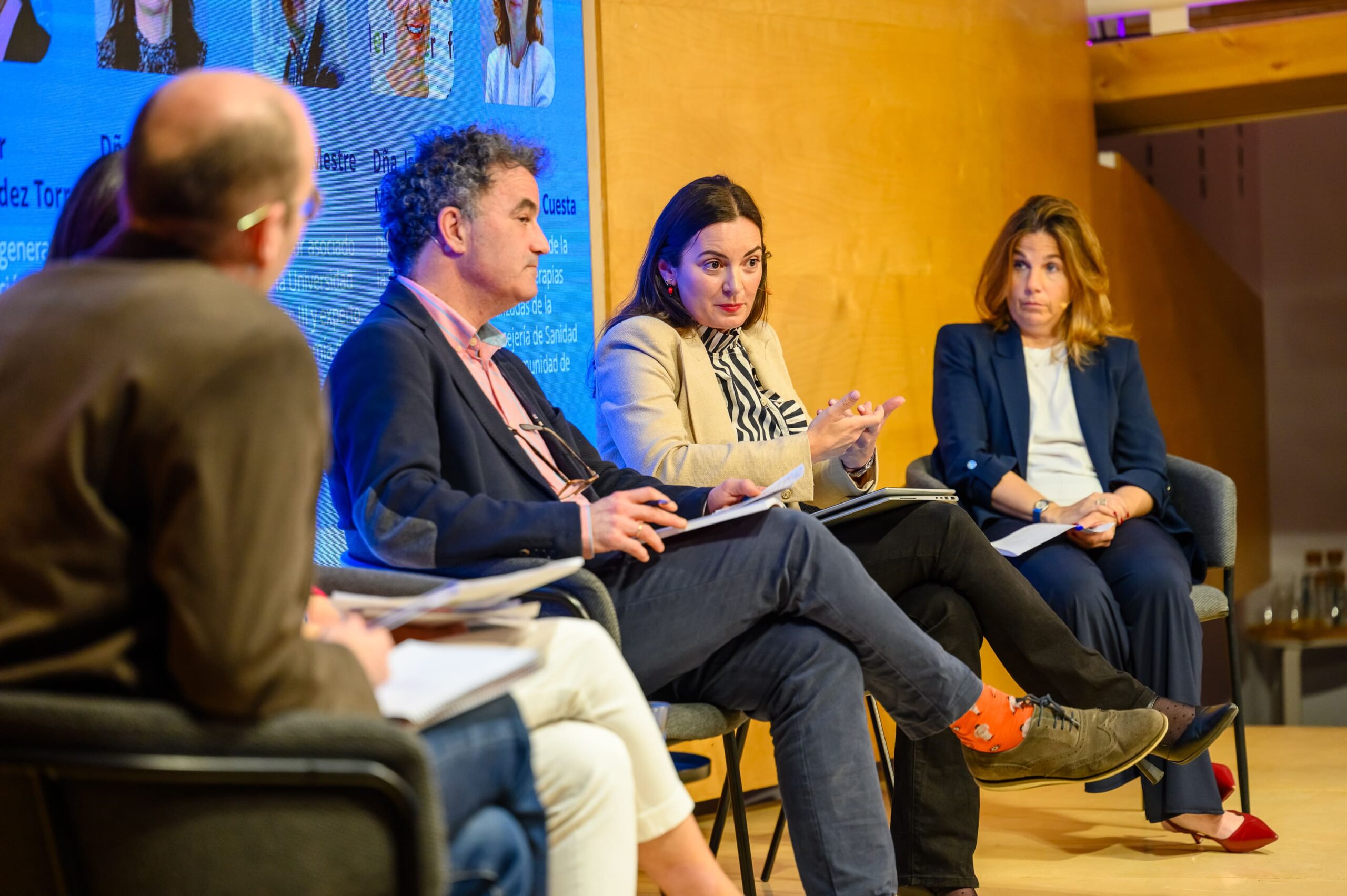
Participants included Óscar Fernández, Director General of Planning, Zoning, Knowledge Management, and Digital Health for the Government of Cantabria; Mónica Gayoso, a hospital pharmacist at the Álvaro Cunqueiro Hospital in Vigo; Isabel Motero, Director General of the Spanish Federation for Rare Diseases (FEDER); and Laura Quintanilla, Head of the Advanced Therapies Unit at the Community of Madrid.
The participants agreed on the importance of sharing knowledge and coordinating protocols and structures among the various autonomous communities in order to move toward more consistent and equitable care throughout the country.
In addition, they have emphasized the role of digitalization and networking as key tools for building a more coordinated and patient-centered care model.