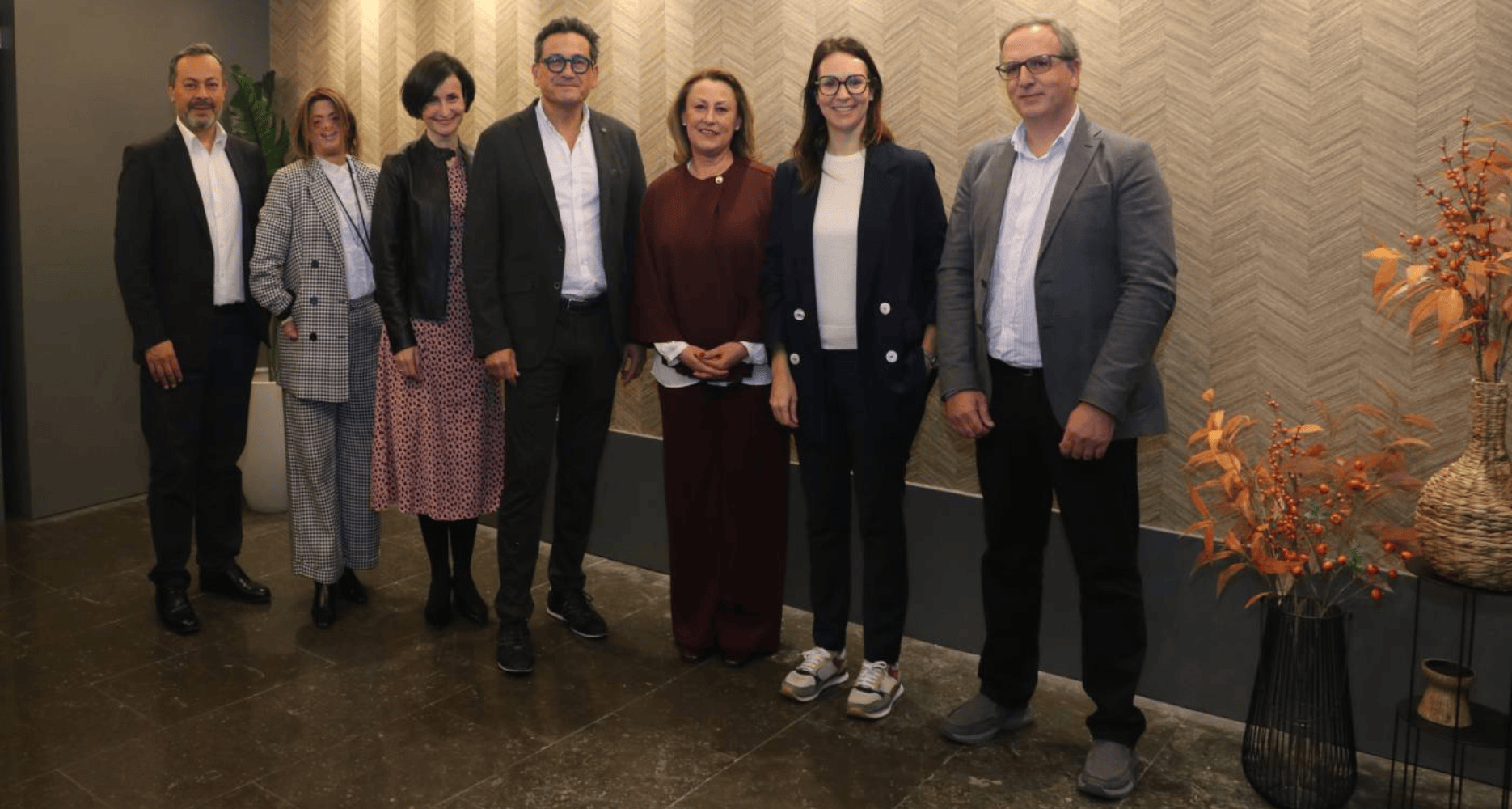
The Spanish Association of Orphan and Ultra Orphan Drug Laboratories(AELMHU), through its executive director, Marian Corral, has participated in the V Meeting of Experts of the cycle on orphan drugsorganized by the digital newspaper Diariofarma.
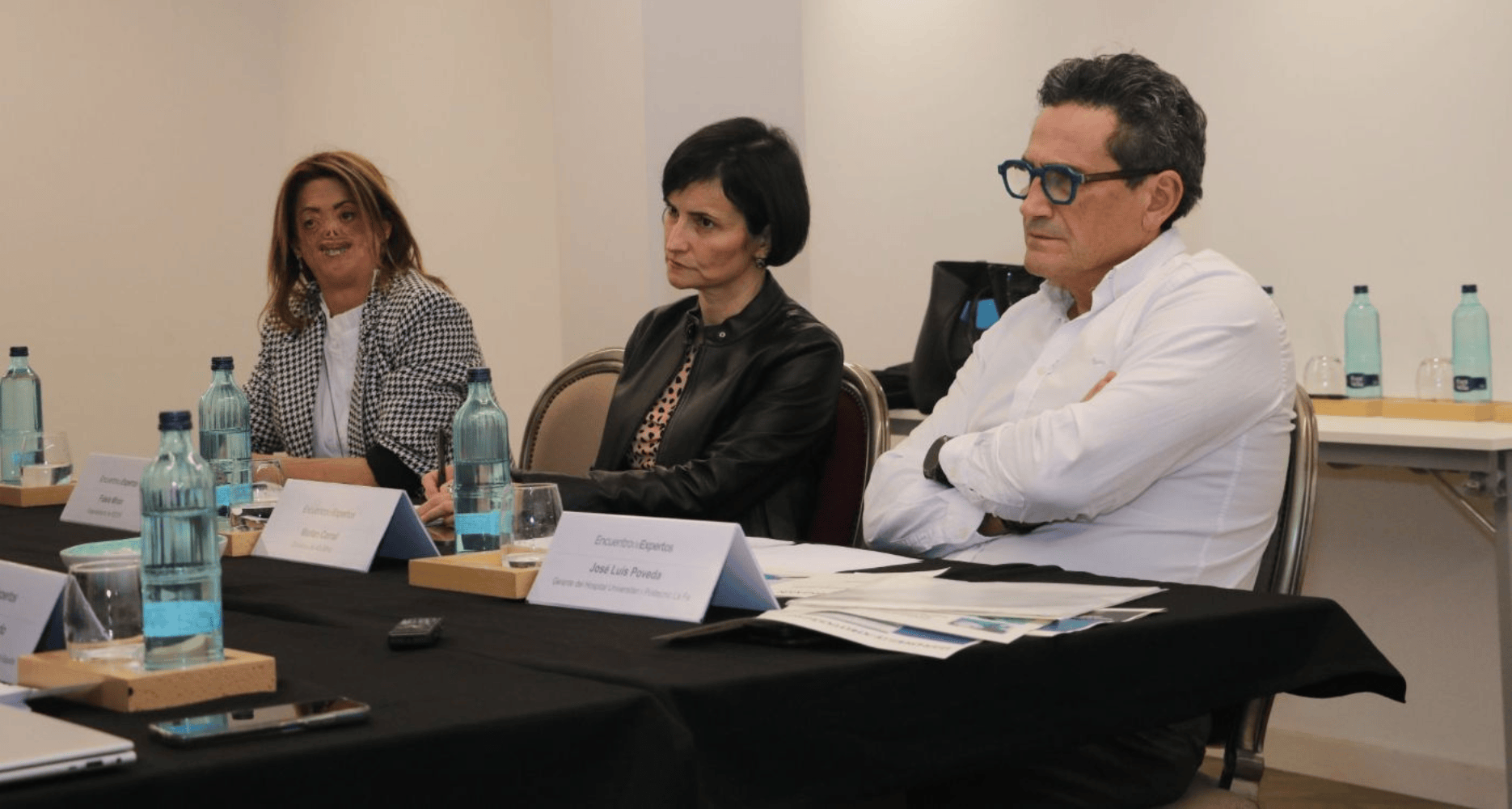
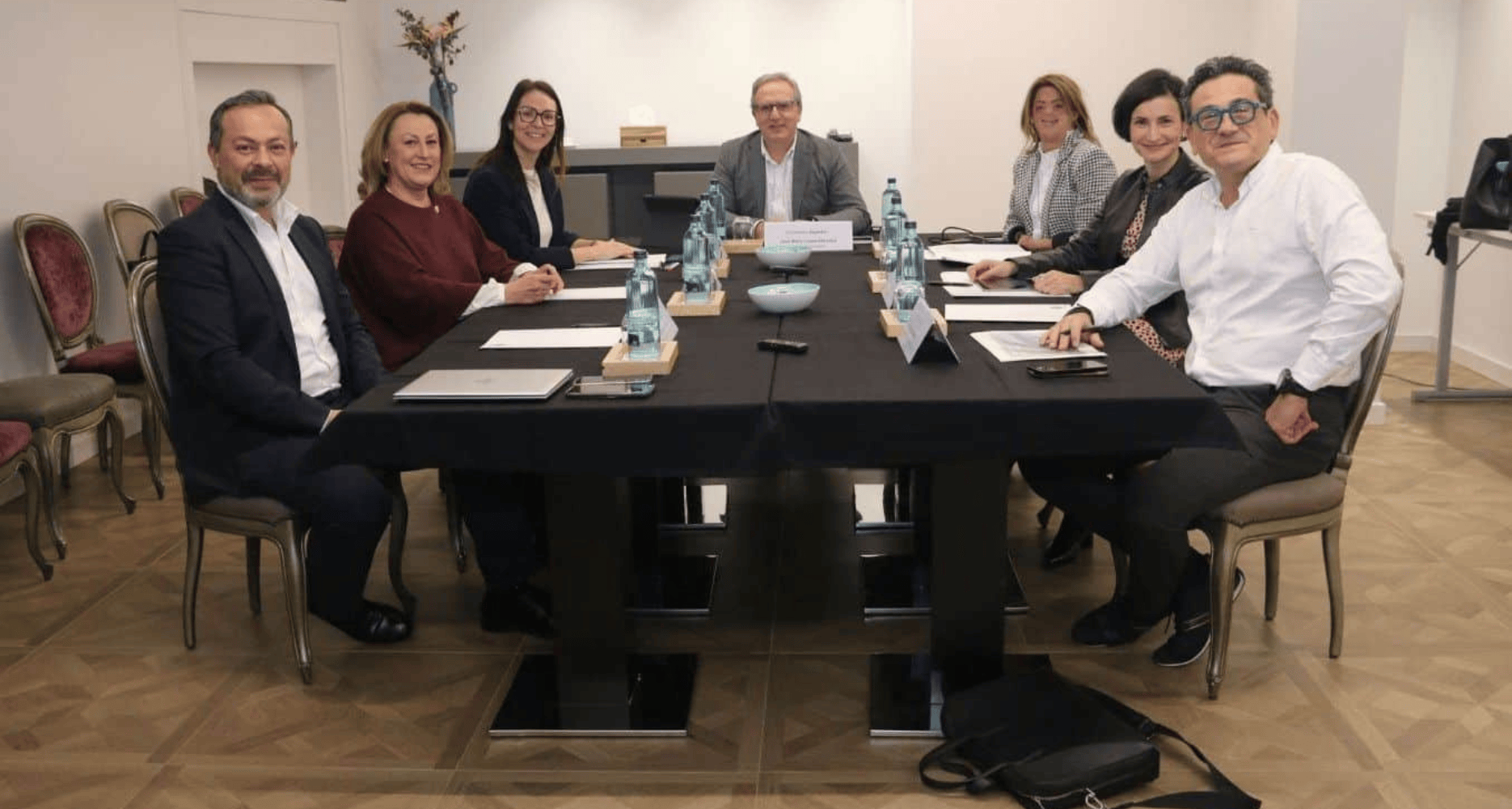
The colloquium, held in Valencia, was attended by Elena Gras Colomer, General Director of Pharmacy of the Valencian Community; José Luis Poveda, Manager of the Hospital Universitario y Politécnico La Fe- Valencia; Inmaculada Pitarch, from the Rare Neuromuscular Diseases Unit of La Fe Hospital and researcher at the Center for Biomedical Research in Rare Diseases Network(CIBERER); Fidela Mirón, vice-president of the Spanish Federation of Rare Diseases(FEDER); José Vicente Galindo, Pricing & Market Access Associate Director of Chiesi Spain; and Marian Corral.
During the meeting, the speakers addressed one of the main problems affecting patients with rare diseases: the lack of equity in access to orphan drugs.
Our 2024 Annual Access Report reflects a positive evolution, with 24 new drugs obtaining the national code (CN) in 2024, up from 10 in the previous year. However, waiting times from when a drug obtains the national code until it is approved for funding remain at an average of 23 months.
In order to find solutions, the experts have analyzed in detail both national and European pharmaceutical regulations, the establishment of centralized funds for financing or facilitating the management of payment between Autonomous Communities (CCAA) for patients who travel to Centers, Services and Reference Units(CSUR).
Firstly, regarding the necessary regulatory changes, the executive director of AELMHU highlighted the importance of revising the National Strategy on Rare Diseases of the National Health System, last updated in 2014, "something fundamental to reduce inequalities between Autonomous Communities".
Regarding centralized funds, Marian Corral commented that a national fund has both advantages and possible disadvantages that must be taken into account: "It could ease the economic burden on the Autonomous Regions and improve access, but its origin, its management and the problems that could arise if the available resources are exhausted must be taken into account". Likewise, other points that could be problematic are the inclusion criteria, given that not all orphan drugs are the same. From a more administrative point of view, it would also be necessary to define the allocation of the national fund and its organizational dependence, as well as its monitoring.
AELMHU would like to sincerely thank the organizers, Diariofarma, the collaborators who made the event possible and the speakers for their commitment to rare diseases and orphan drugs, as well as for the scientific and professional enrichment that this type of meeting represents for our Association.