
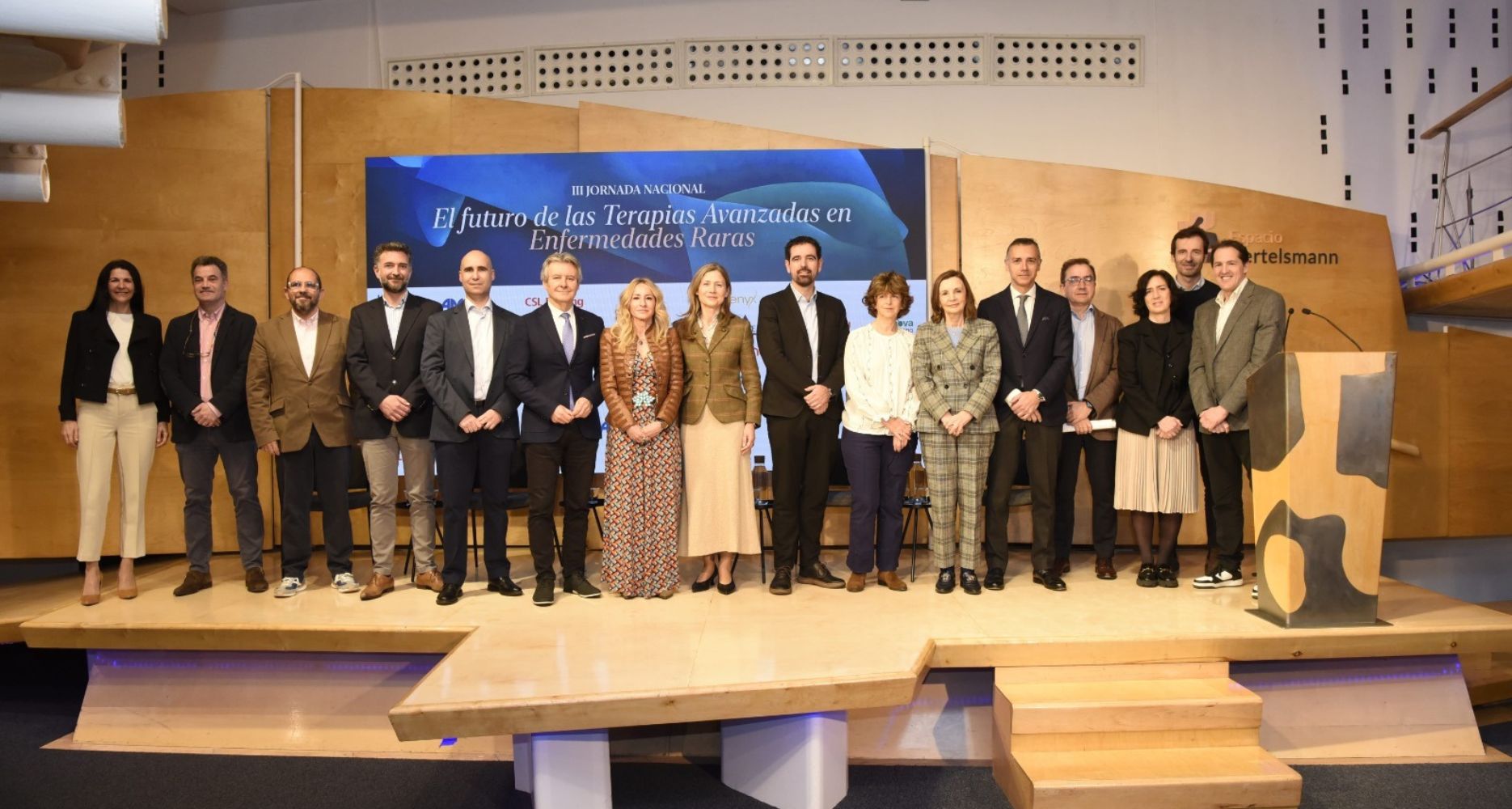
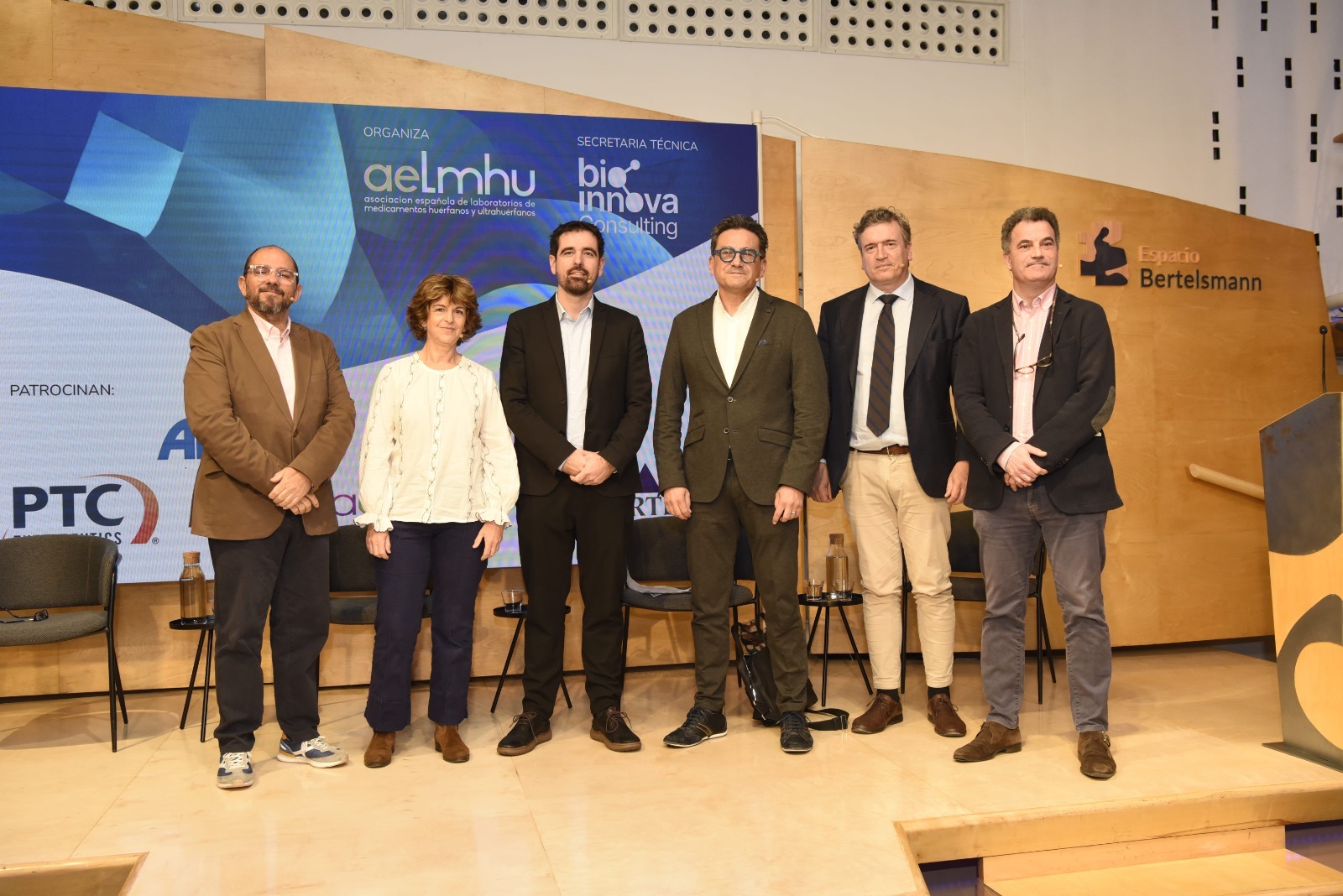
La III Jornada Nacional sobre Terapias Avanzadas en Enfermedades Raras, organizada por la Asociación Española de Laboratorios de Medicamentos Huérfanos y Ultrahuérfanos (AELMHU), ha reunido, por tercer año consecutivo, a expertos del sector sanitario con el objetivo de fomentar un diálogo abierto y constructivo sobre los avances en el tratamiento de las enfermedades raras en España.
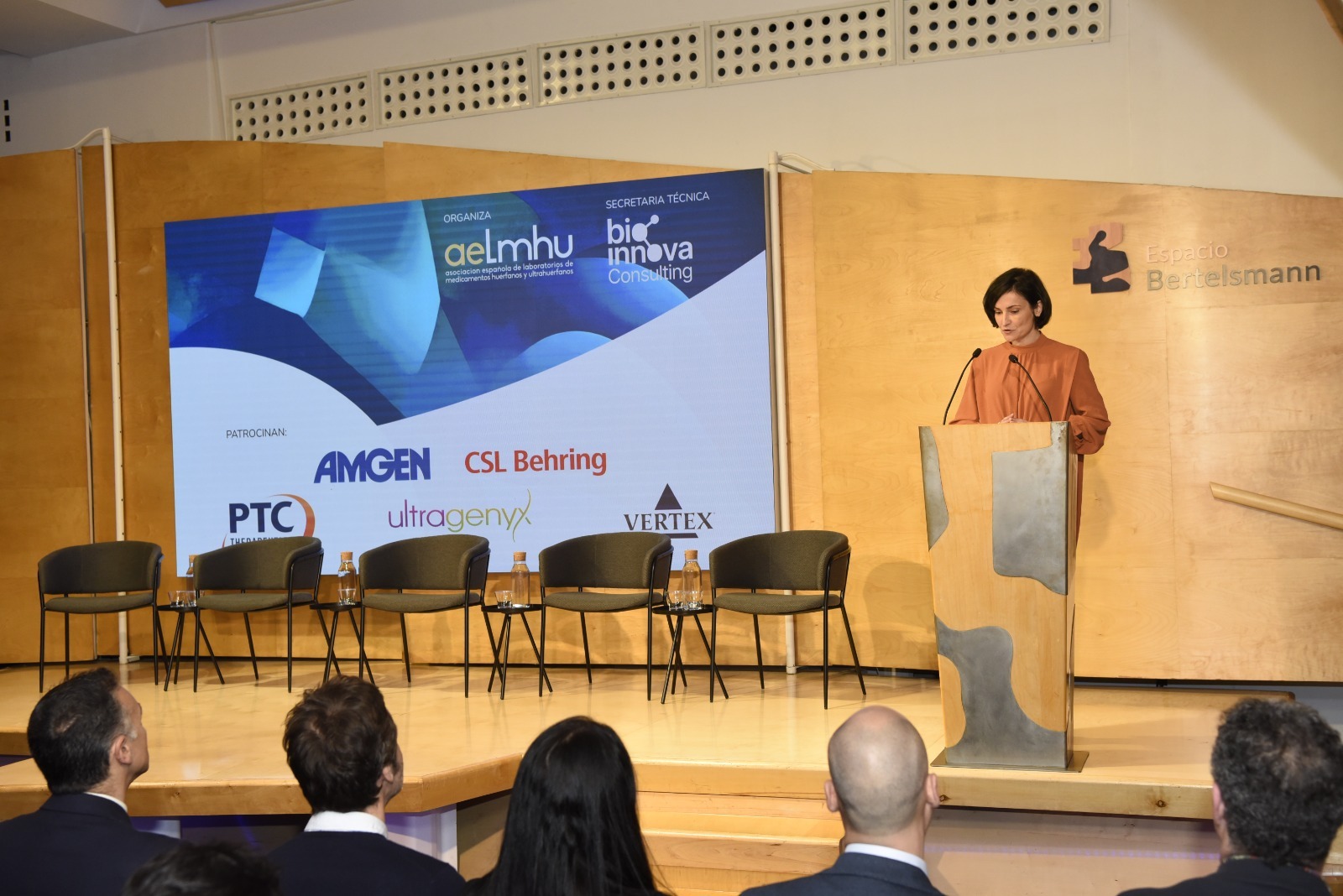
El evento ha sido posible gracias al patrocinio de Amgen, CSL Behring, PTC Therapeutics, Ultragenyx y Vertex Pharmaceuticals, todas ellas asociadas de AELMHU.
Esta jornada que ha contado con la participación de pacientes, clínicos, gestores, economistas de la salud y representantes de la Administración Pública, entre otros. Los cuales han coincidido en señalar la importancia del valor terapéutico y social de las terapias avanzadas y la necesidad de trabajar conjuntamente para mejorar el abordaje de las enfermedades raras. Afrontando los grandes retos, tanto a nivel europeo como nacional o regional, referentes al diagnóstico, la investigación, el desarrollo, la financiación y el acceso a estos tratamientos.
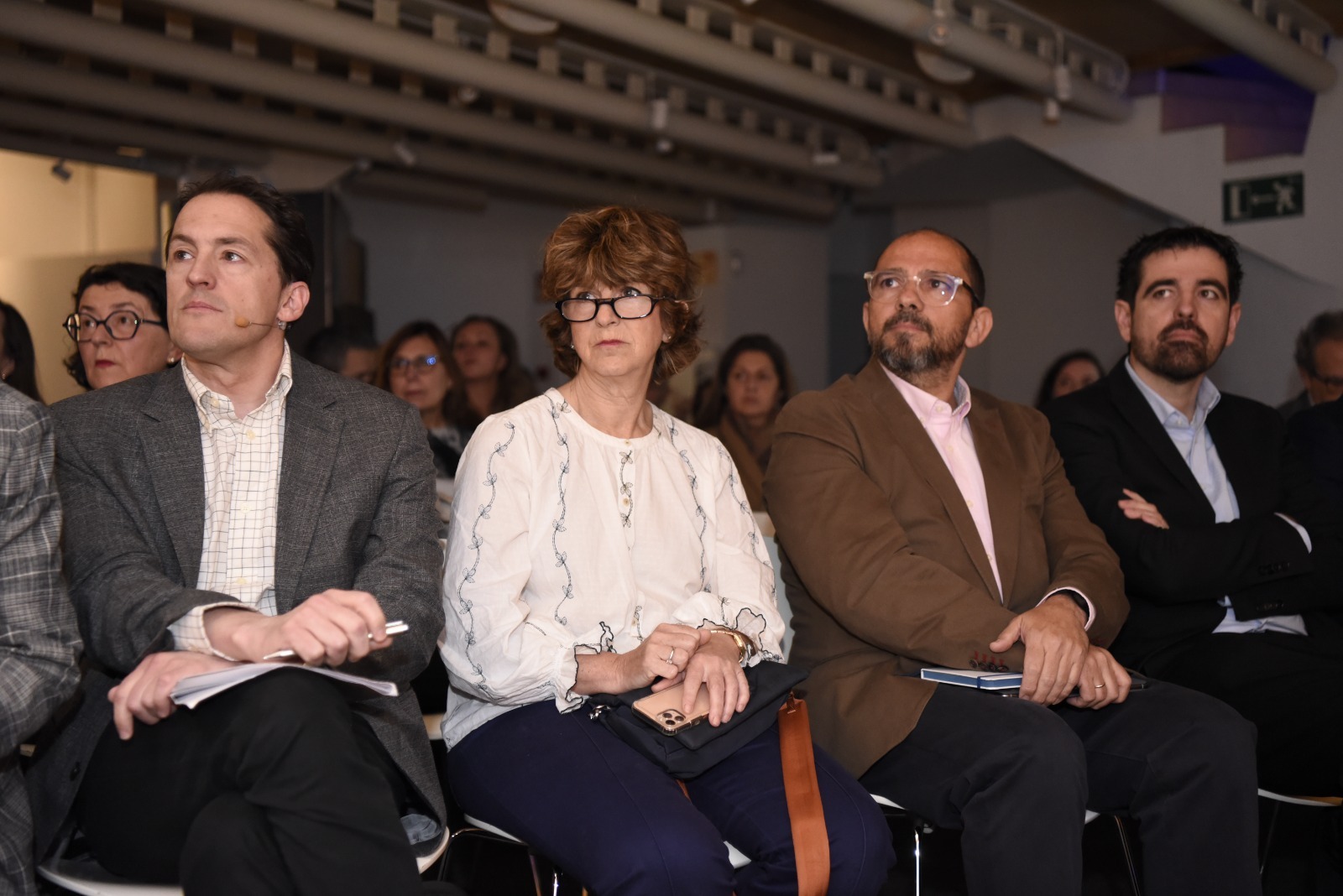
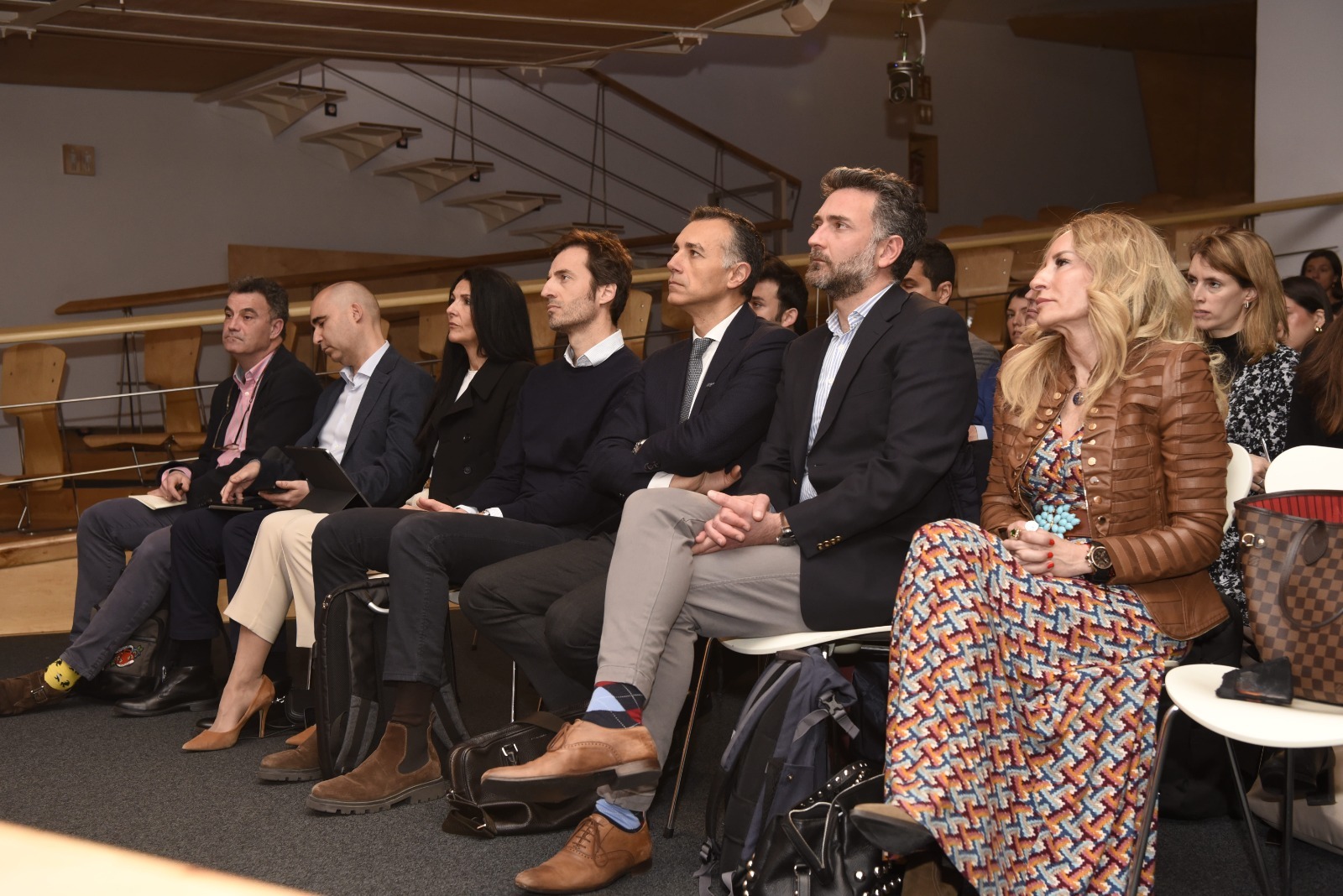
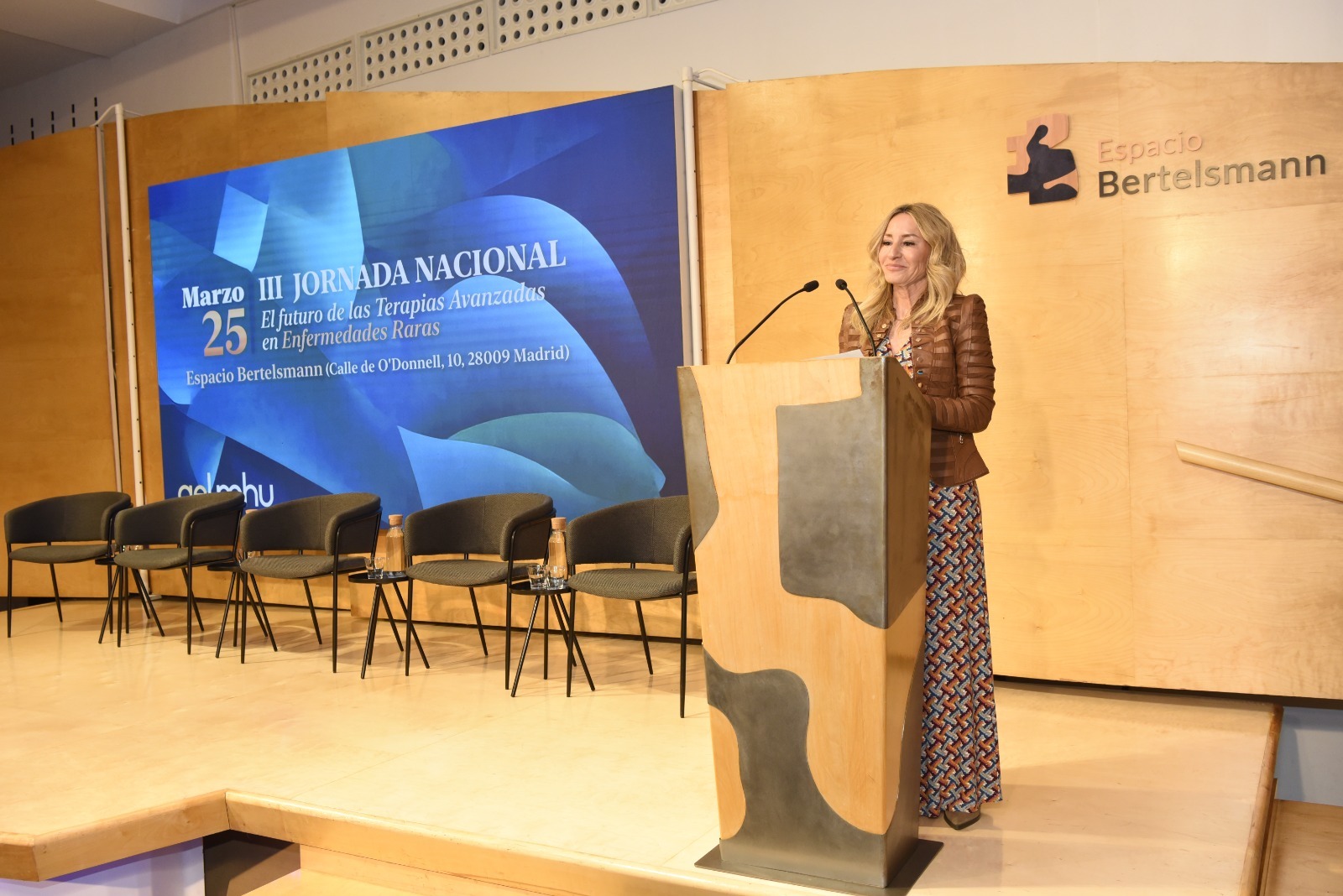
Beatriz Perales, presidenta de AELMHU, ha sido la encargada de inaugurar el evento y dar la bienvenida a los participantes. En su intervención a destacado que “este encuentro muestra, una vez más, el firme compromiso de AELMHU, por trabajar juntos y en colaboración, con iniciativas que ayuden a potenciar e impulsar la investigación de las patologías poco frecuentes y en el desarrollo de nuevas terapias para ellas”. Igualmente, ha afirmado que las terapias avanzadas implican un cambio de paradigma, el cual supone un avance incuestionable en el tratamiento de numerosas enfermedades raras y ultrarraras. Por ello, ha considerado que “debemos de dar los pasos necesarios para que el sistema sanitario se adapte a un escenario muy distinto del actual y podamos garantizar la medicina del futuro.”
Compromiso regulador y los avances en evaluación clínica conjunta
El evento ha contado también con la intervención de Maria Jesús Lamas, directora de la Agencia Española de Medicamentos y Productos Sanitarios (AEMPS), quien ha reflejado el compromiso de la Agencia con los pacientes y sus familias. Lamas ha destacado que la AEMPS tiene como prioridad crear un entorno regulatorio favorable que impulse la innovación en medicamentos huérfanos y que, en este sentido, están comprometidos a no ser simples testigos pasivos de la innovación, sino “catalizadores activos en el desarrollo de terapias innovadoras”. En su intervención, Lamas ha puntualizado que, desde la AEMPS, trabajan para mantener un marco normativo accesible tanto para los grupos de investigación como para las empresas que desarrollan medicamentos para enfermedades raras, asegurando así que los avances en este campo lleguen lo antes posible a los pacientes.
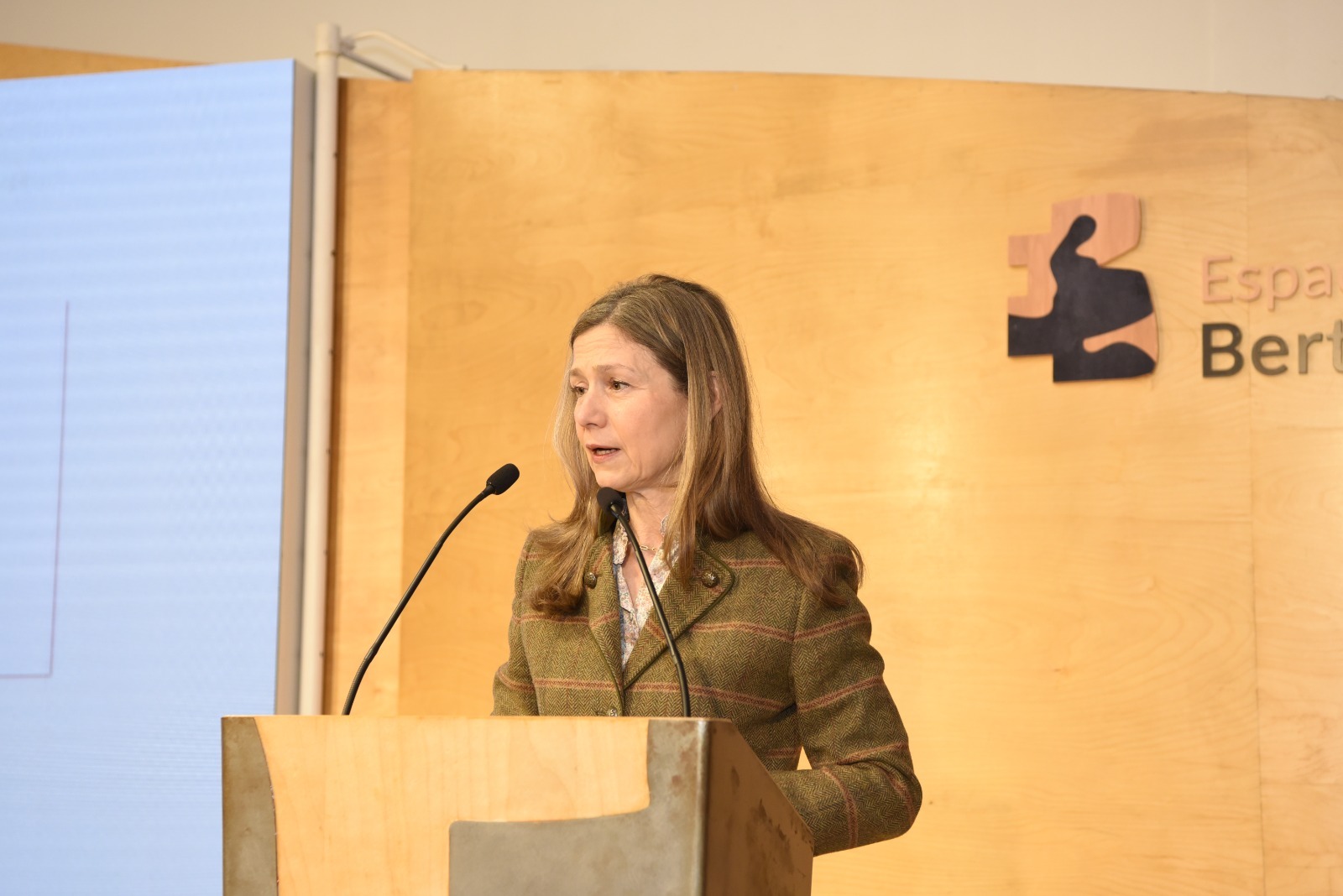
Alejandro G. Solís, representante del Área de Evaluación de Tecnologías Sanitarias e Informes de Posicionamiento Terapéutico también de la AEMPS, ha explicado a los asistentes los avances en el proceso de evaluaciones clínicas conjuntas. Estas evaluaciones permiten un acceso más rápido y eficiente a la innovación en todos los estados miembros de la Unión Europea, lo que facilita que los pacientes puedan beneficiarse de nuevas terapias de manera más equitativa.
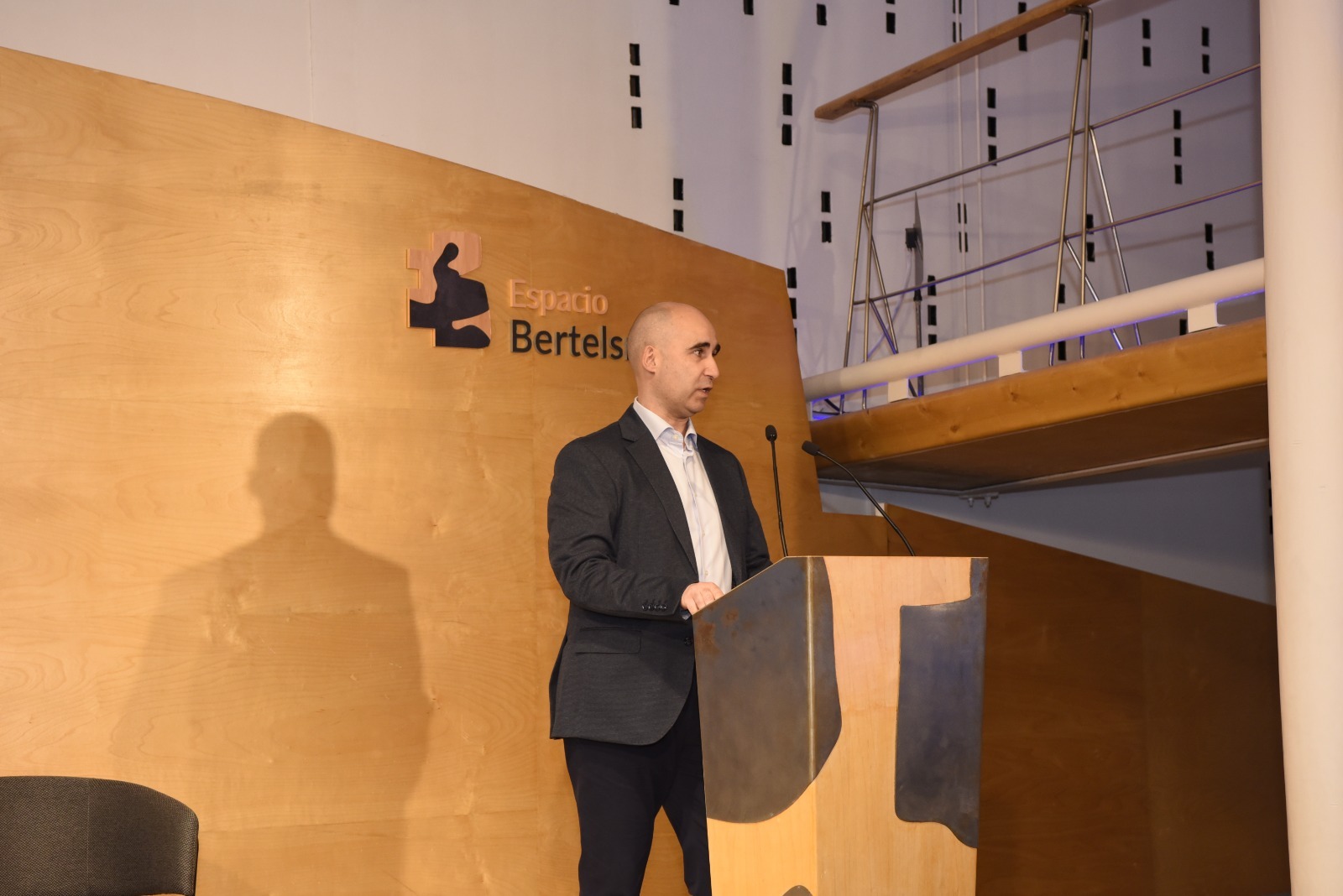
Mesas de debate sobre diagnóstico y legislación
La jornada estuvo estructurada en dos mesas de debate que contaron con la participación de ponentes de alto nivel que compartieron sus experiencias y perspectivas sobre el futuro de las terapias avanzadas.
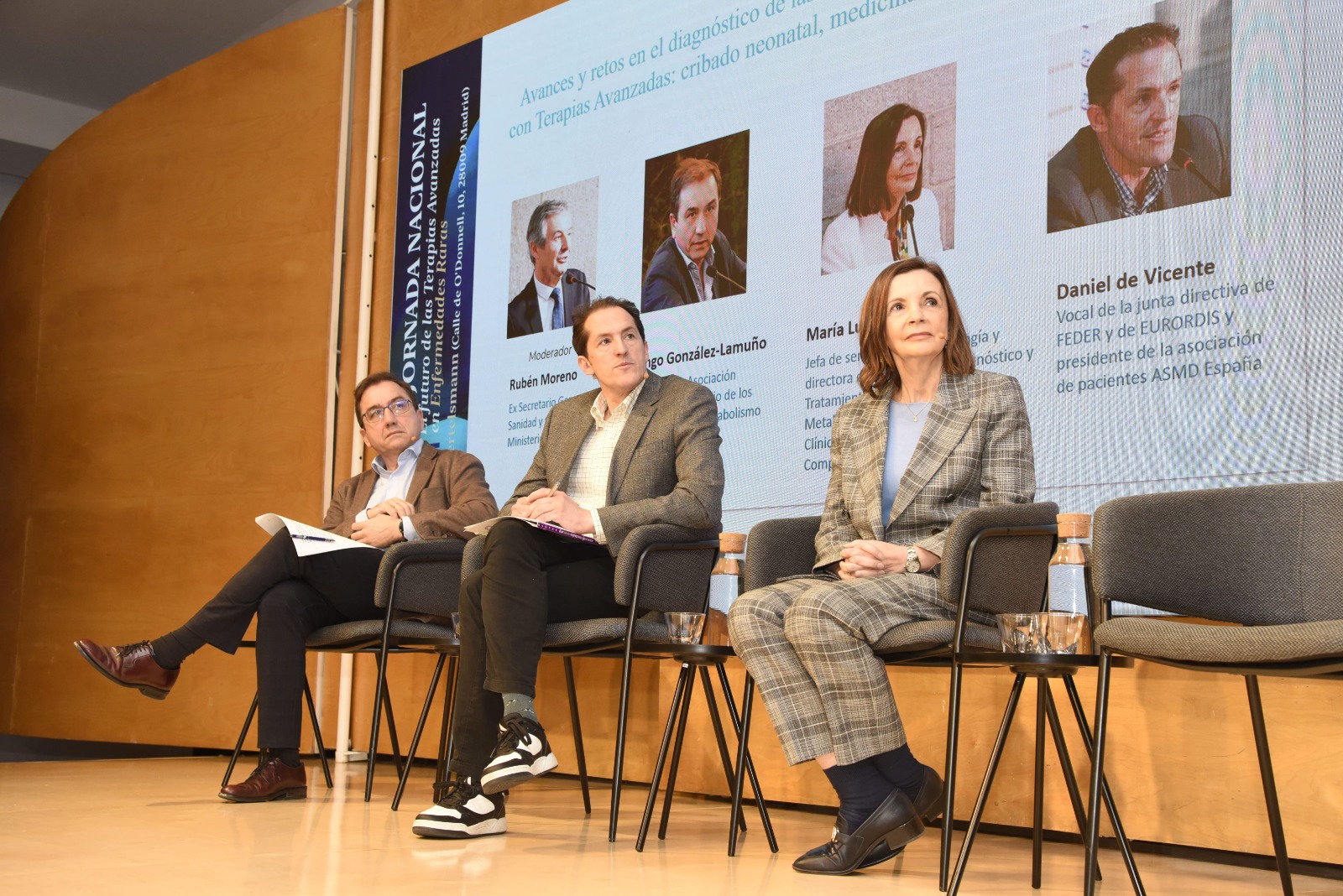
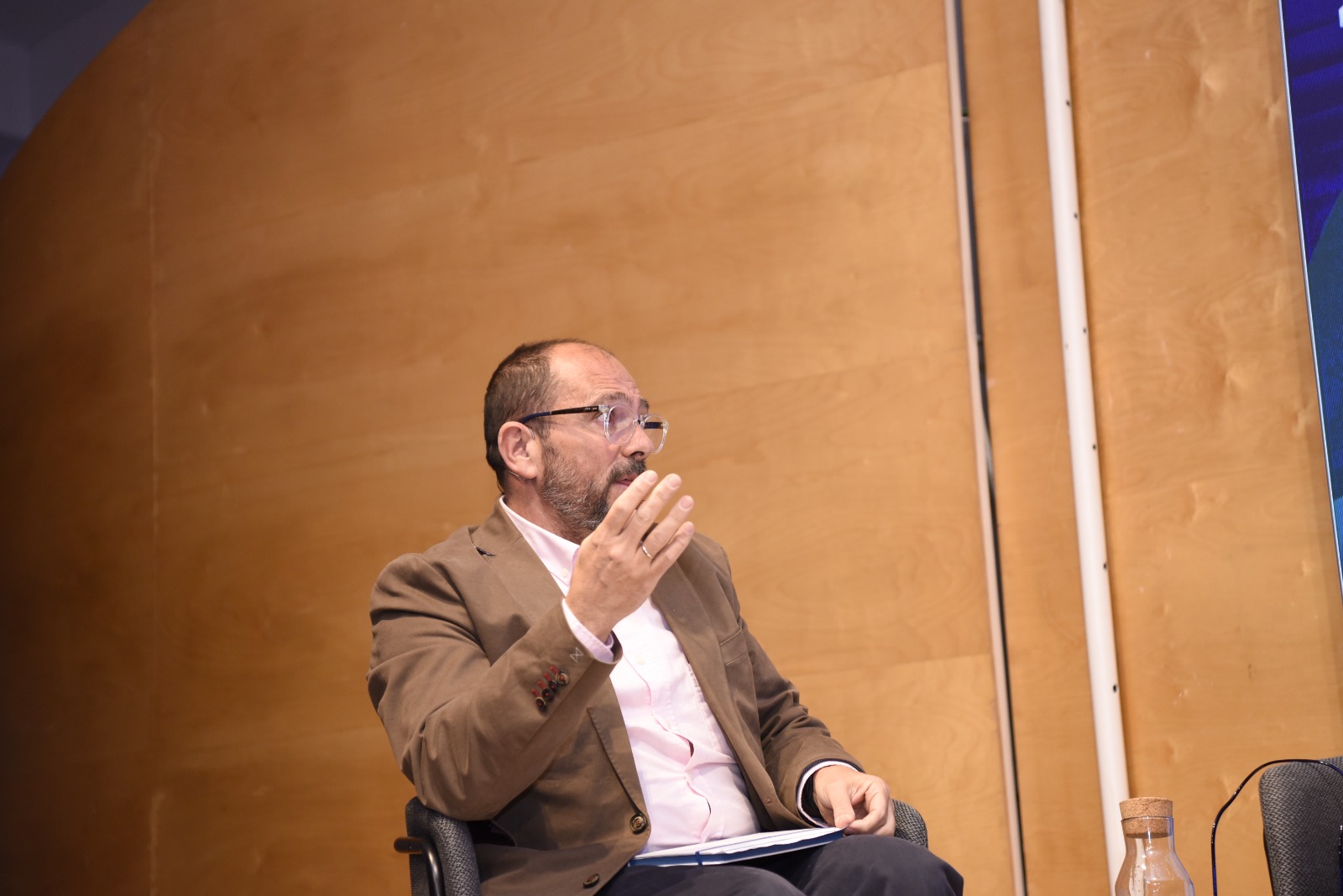
En la primera mesa, titulada “Diagnóstico de las Enfermedades Raras: Cribado Neonatal, Medicina de Precisión y Gestión de Datos”, moderada por Rubén Moreno ex secretario general de Sanidad y Consumo, se abordaron temas clave relacionados con el diagnóstico precoz y la personalización del tratamiento. Los expertos, como Domingo González-Lamuño, presidente de la Asociación Española para el Estudio de los Errores Innatos del Metabolismo (AECOM), Daniel de Vicente, vocal de la junta directiva de FEDER y de EURORDIS y presidente de la asociación de pacientes ASMD España y María Luz Couce, jefa de servicio de Neonatología y directora de la Unidad de Diagnóstico y Tratamiento de Enfermedades Metabólicas Congénitas del Hospital Clínico Universitario de Santiago de Compostela, han destacado la importancia del cribado neonatal para mejorar los pronósticos y la calidad de vida de los pacientes. Además, se ha hecho especial hincapié en el papel de la medicina de precisión y la gestión de datos en la identificación temprana de enfermedades raras y la optimización de los tratamientos. Los ponentes han coincidido en que la colaboración entre distintos actores es fundamental para seguir avanzando en este campo y garantizar el acceso equitativo a las herramientas más avanzadas.
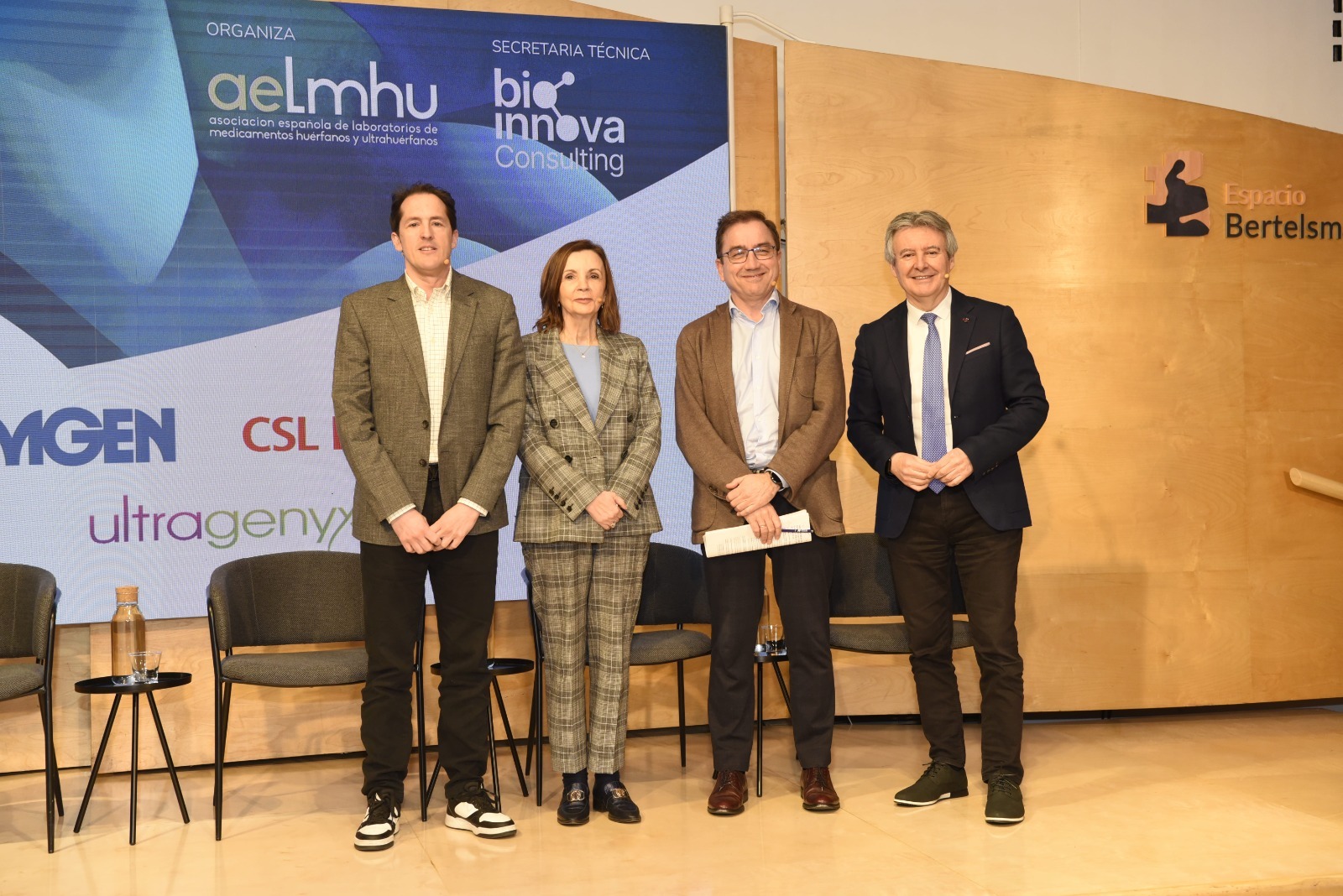
En la segunda mesa, titulada “Avances y desafíos legislativos en el abordaje y financiación de las Terapias Avanzadas para Enfermedades Raras”, y moderada por Jorge Mestre, economista de la Salud, se ha podido debatir sobre la necesidad de una actualización del Plan para el Abordaje de las Terapias Avanzadas en el Sistema Nacional de Salud (SNS). Los ponentes, Carlos Martín Saborido, director de la Agencia de Evaluación de Tecnologías Sanitarias del ISCIII, Nekane Murga, coordinadora de Terapias Avanzadas de Osakidetza, José Luis Poveda, coordinador del Grupo de Trabajo Medicamentos de Terapia Avanzada de la Sociedad Española de Farmacia Hospitalaria (SEFH),Gerardo García-Álvarez, investigador principal del proyecto Innovación para una Salud de Vanguardia: Compra Pública, Tecnología, Sostenibilidad Ambiental y Factores Socioeconómicos y Josep María Guiu, director del Área de Farmacia de Medicamento del Consorci de Salut i Social de Catalunya (CSC), han señalado que la actualización de este plan debe ir más allá de las CAR-T, centrando la atención en tres áreas fundamentales: acceso, evaluación y financiación de terapias avanzadas. También se ha enfatizado la necesidad de establecer una estrategia clara que permita a los pacientes acceder de manera más rápida y eficiente a estas terapias innovadoras.
Conclusiones y perspectivas futuras
La jornada ha llegado a su fin con unas palabras de Marian Corral, directora ejecutiva de AELMHU, quien ha aprovechado su intervención para destacar la importancia de actualizar el Plan de Abordaje para Terapias Avanzadas, incorporando en este proceso a las comunidades autónomas, clínicos, investigadores y la industria farmacéutica. También comentó que es fundamental garantizar que todos los actores del sistema sanitario trabajen de manera conjunta para mejorar el acceso de los pacientes a terapias avanzadas, especialmente en el caso de enfermedades raras y ultrarraras, que a menudo no cuentan con tratamientos efectivos.
La III Jornada Nacional sobre Terapias Avanzadas en Enfermedades Raras ha puesto de manifiesto la importancia de colaborar de manera más estrecha para avanzar en el desarrollo de tratamientos innovadores y garantizar que estos lleguen a quienes más lo necesitan. Los avances en la medicina de precisión, el cribado neonatal y las terapias avanzadas están marcando un cambio significativo en el tratamiento de estas patologías, pero todavía queda un largo camino por recorrer para asegurar un acceso universal y equitativo a estos tratamientos innovadores. La colaboración entre el sector público, privado y la sociedad civil será clave para lograr que todos los pacientes puedan beneficiarse de estos avances.