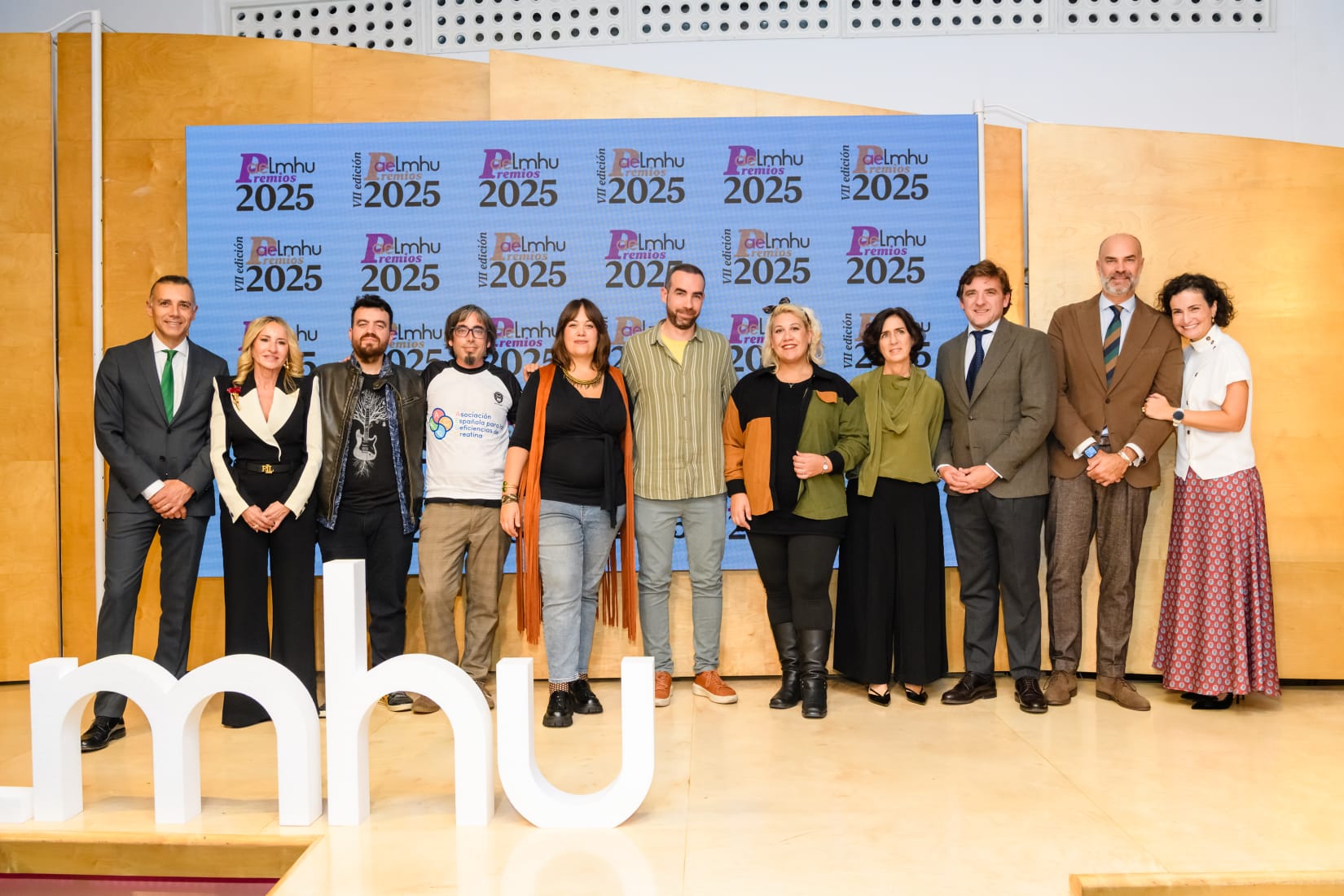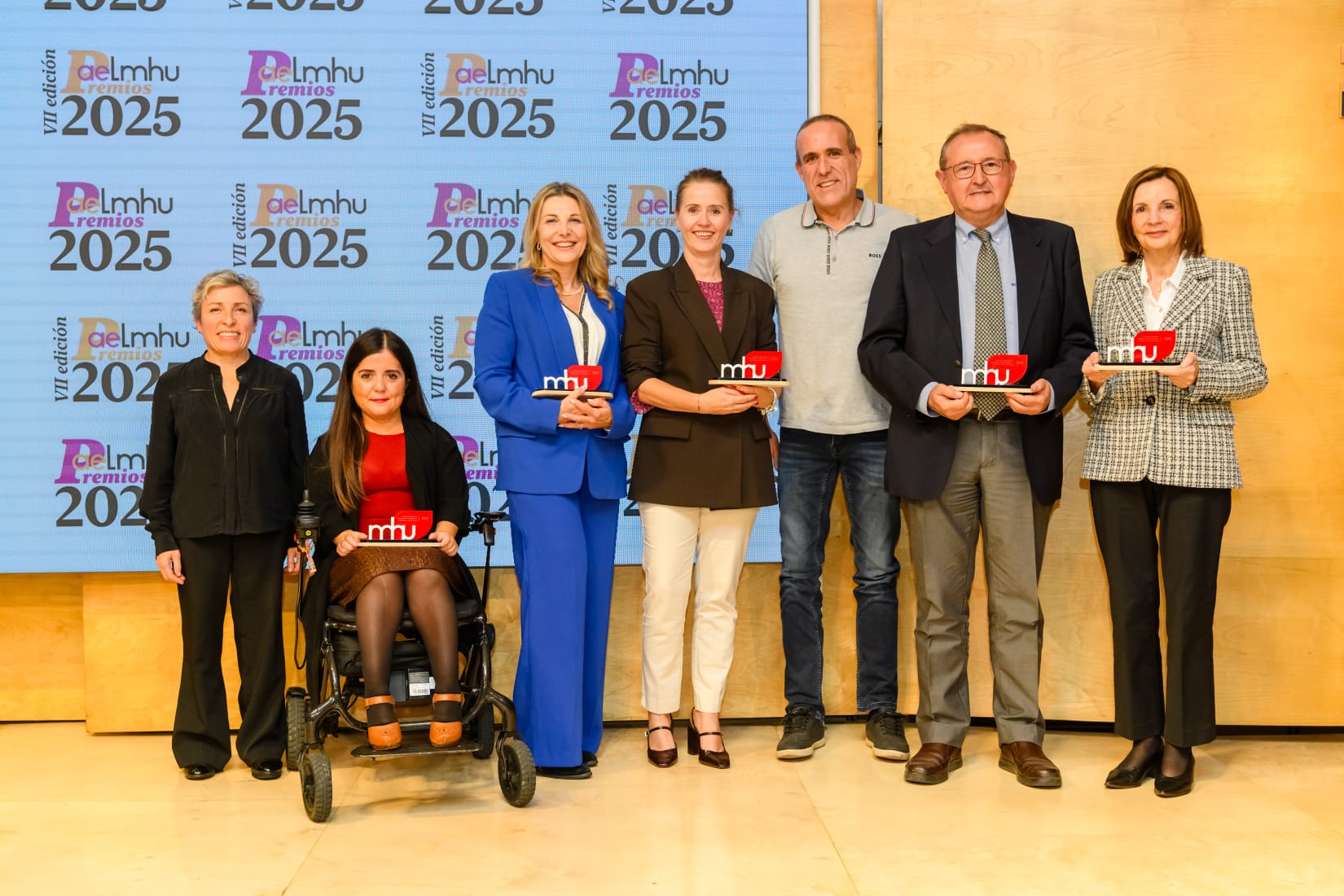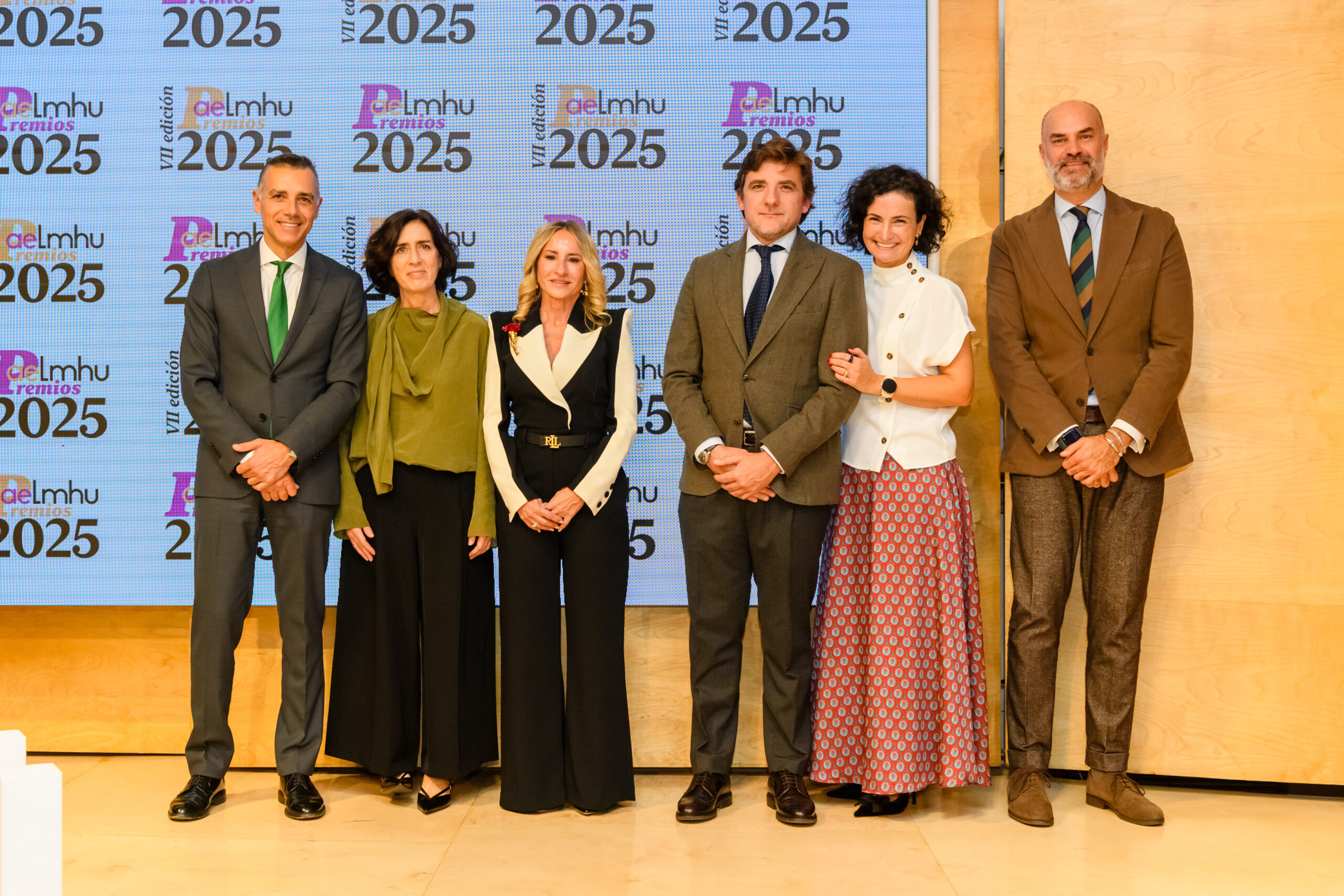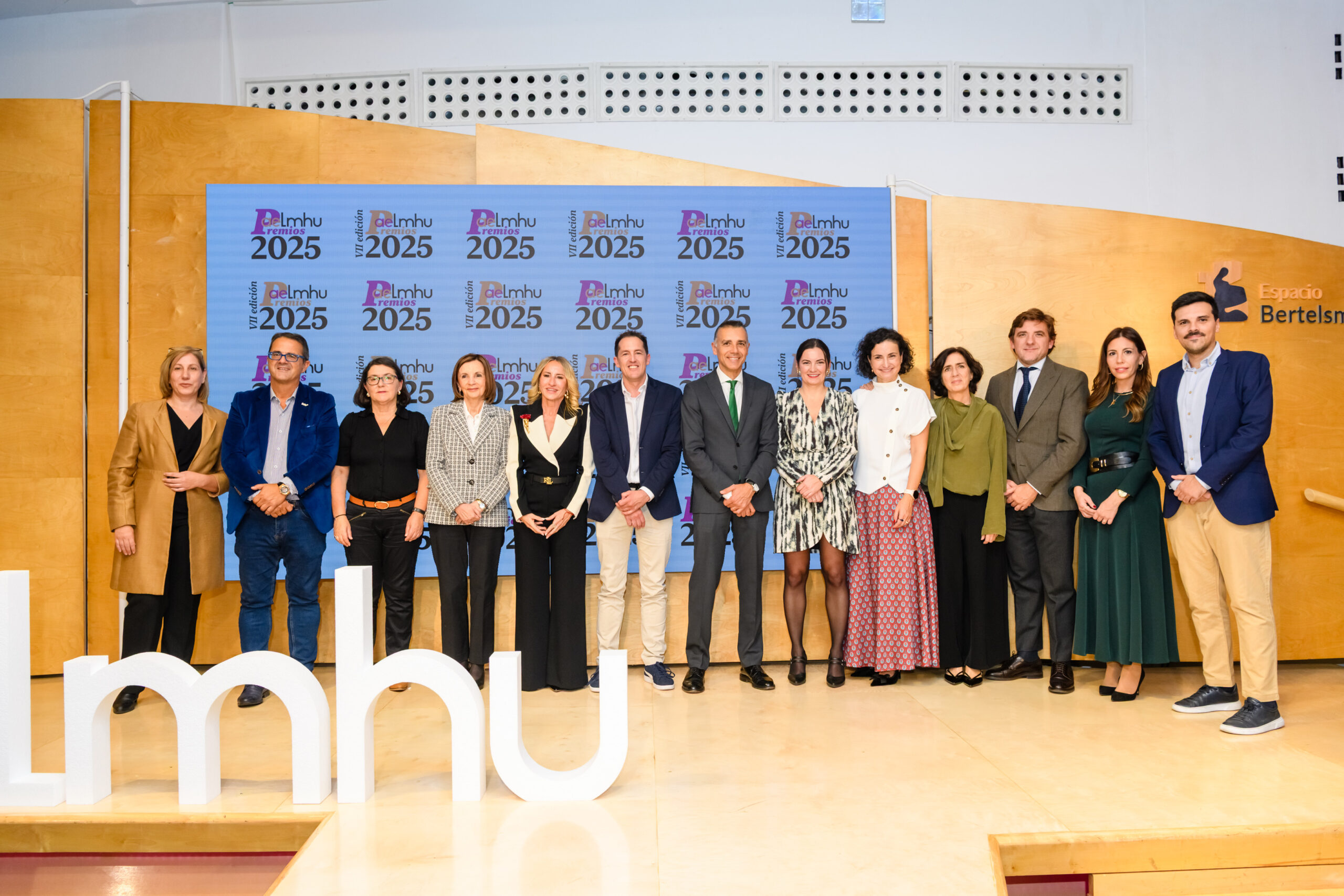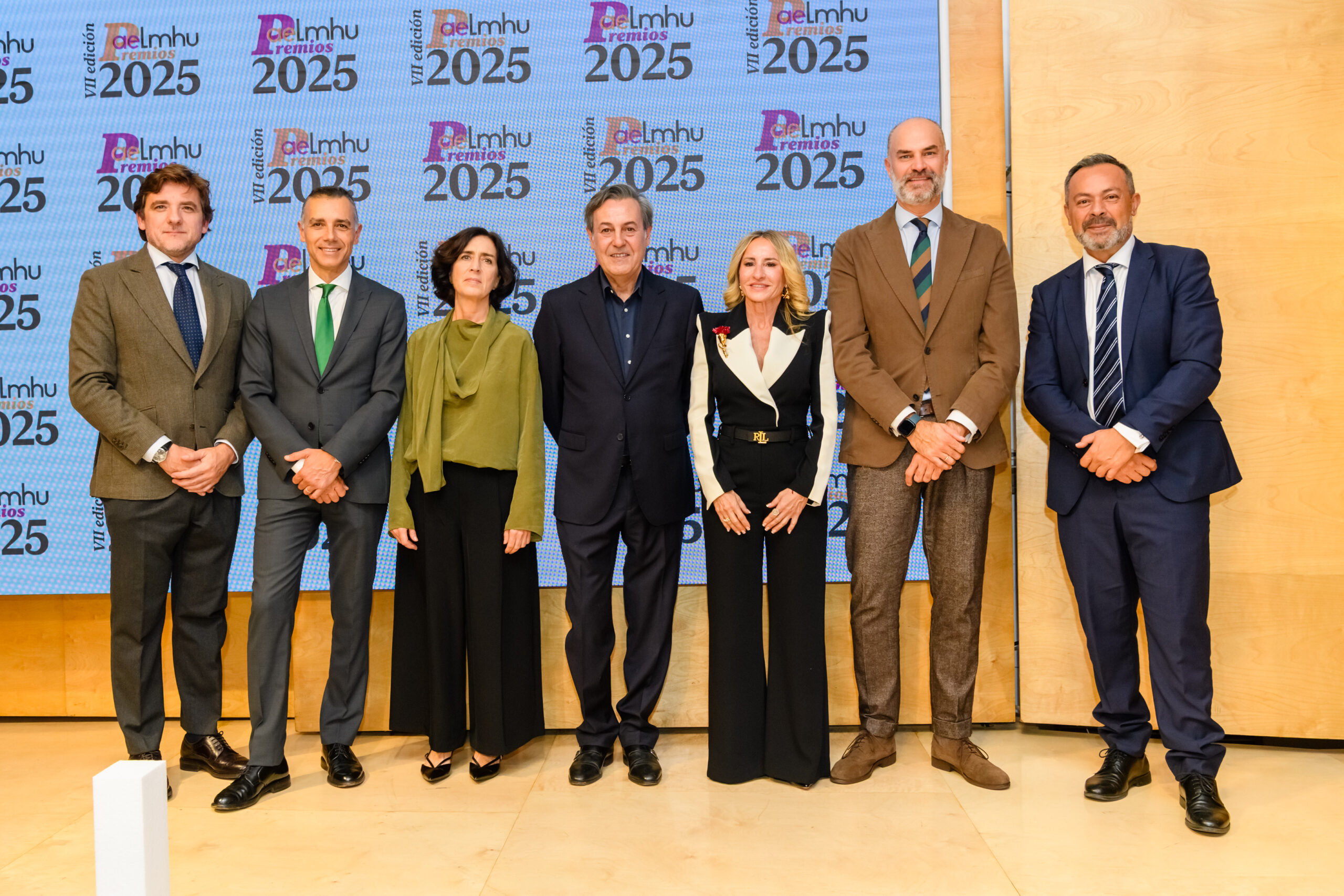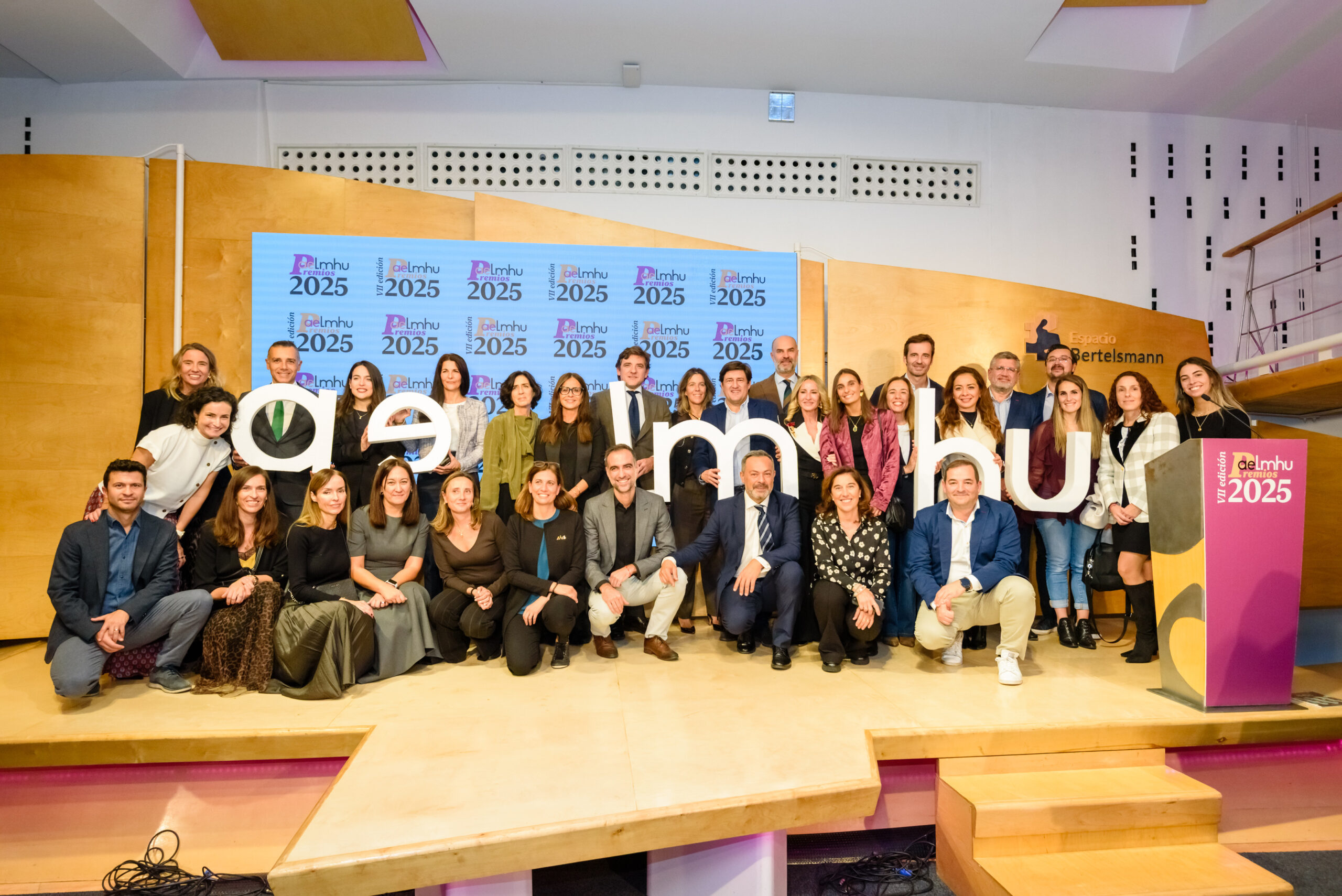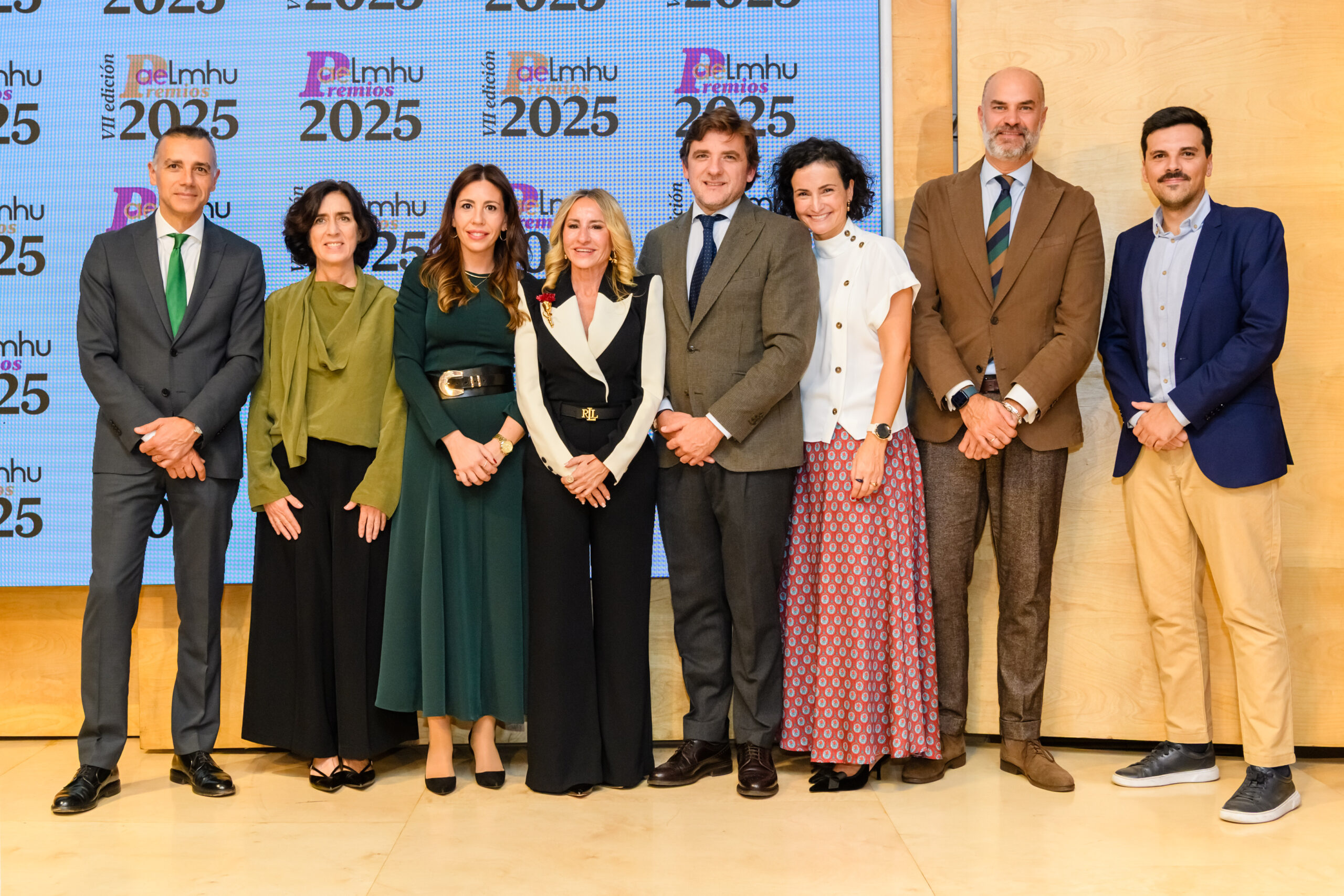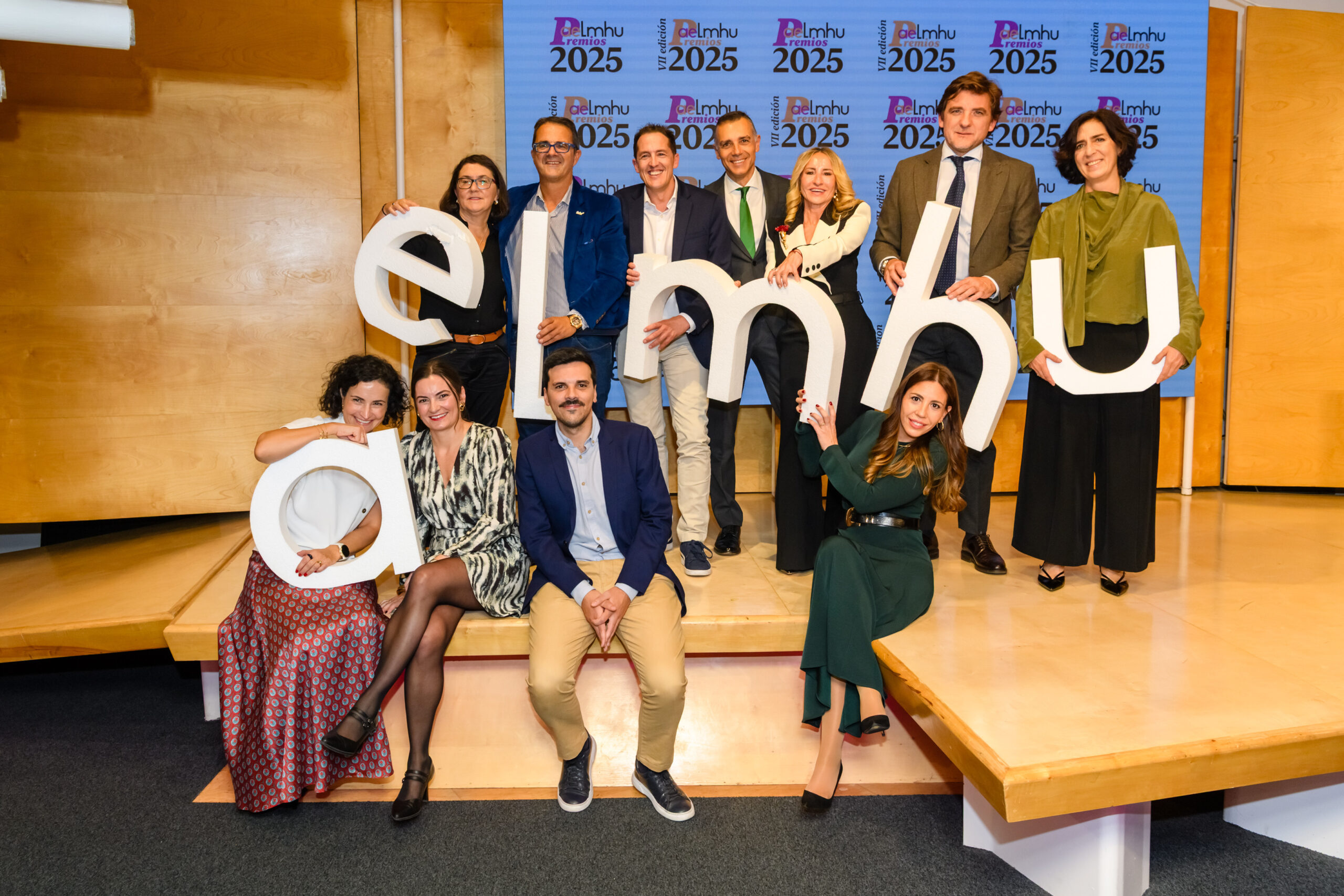
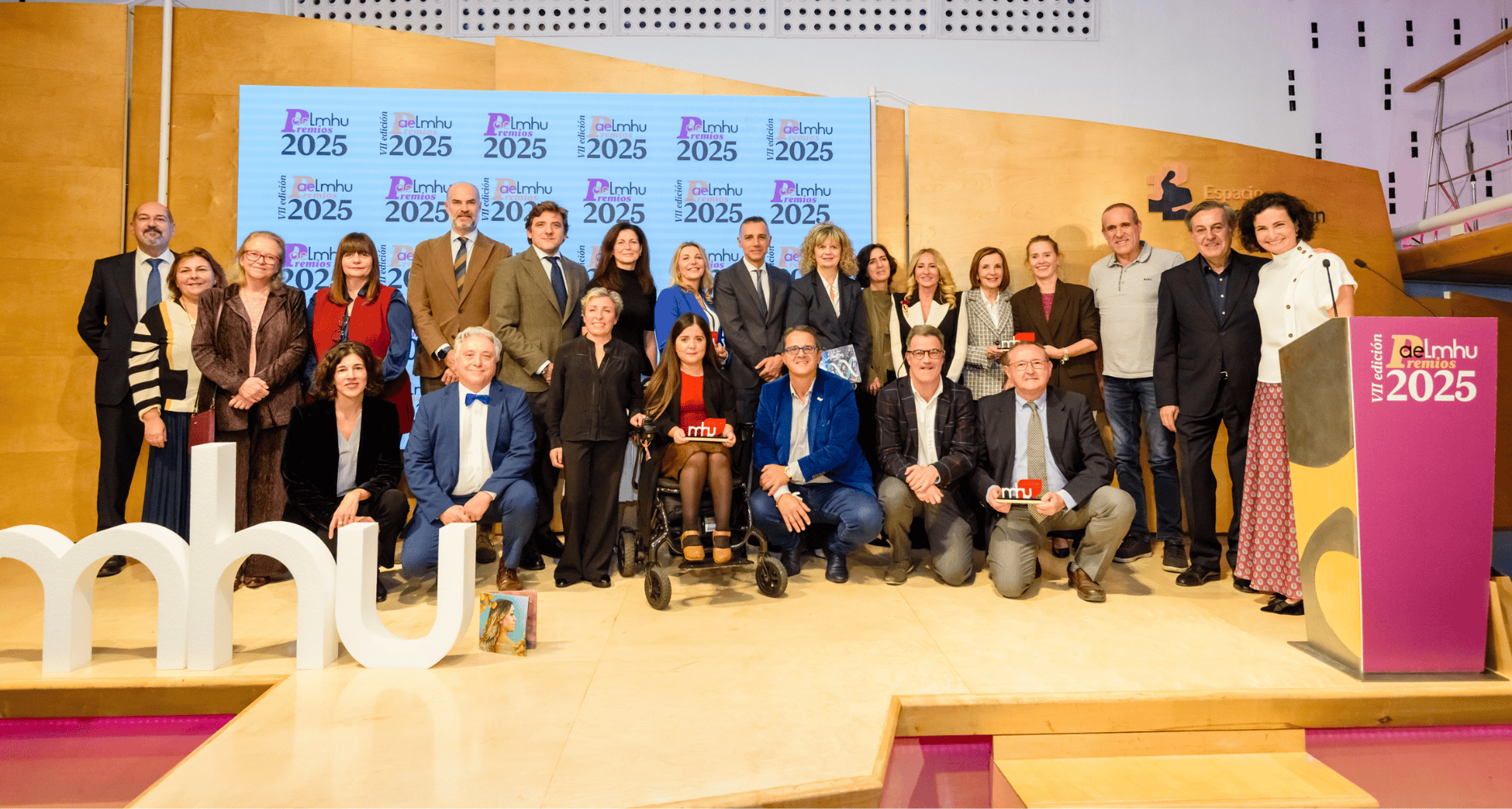
La Asociación Española de Laboratorios de Medicamentos Huérfanos y Ultrahuérfanos (AELMHU) ha hecho entrega de la VII edición de sus premios anuales, con los que reconoce las contribuciones más destacadas de instituciones, asociaciones de pacientes y profesionales de la salud en el ámbito de las enfermedades raras.
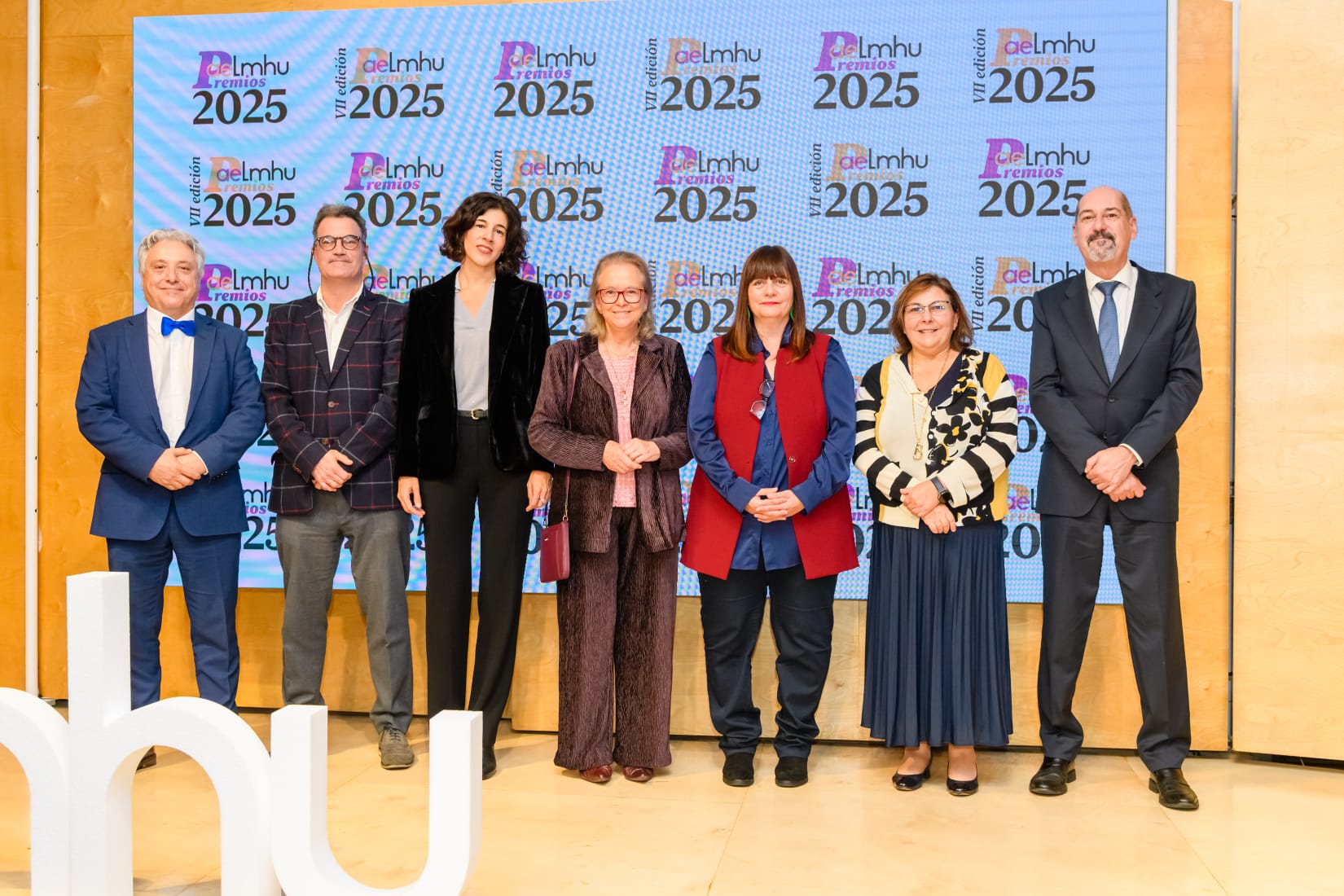
La ceremonia de entrega, celebrada este miércoles en Madrid y conducida por el periodista Jóse Ribagorda, ha contado con la presencia de representantes de instituciones sanitarias, la industria farmacéutica, las asociaciones de pacientes, profesionales de la salud e investigadores, así como los miembros del Jurado que han elegido a los ganadores de esta séptima edición.
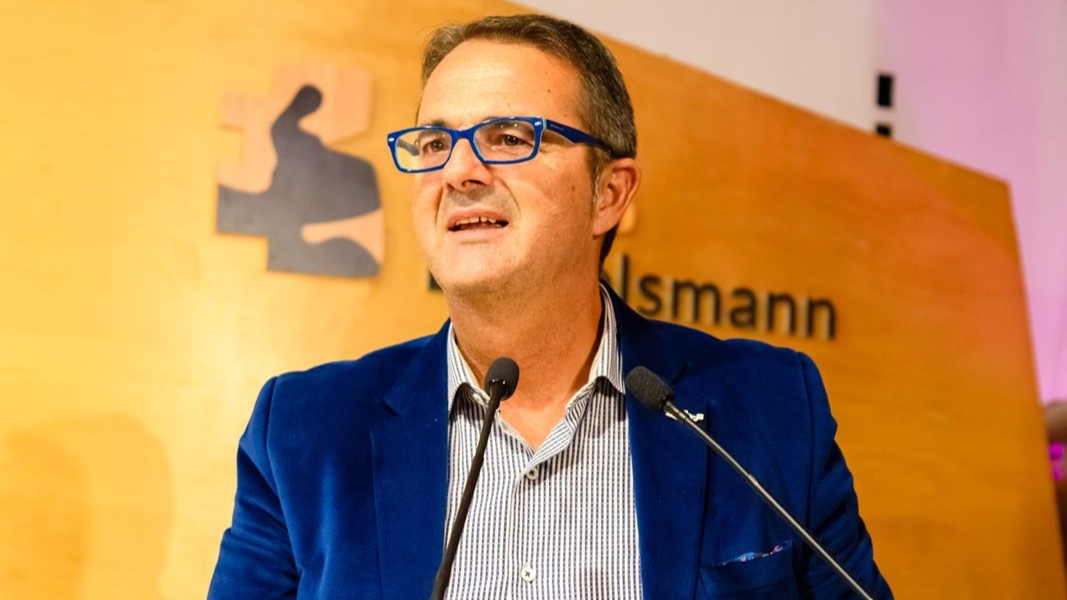
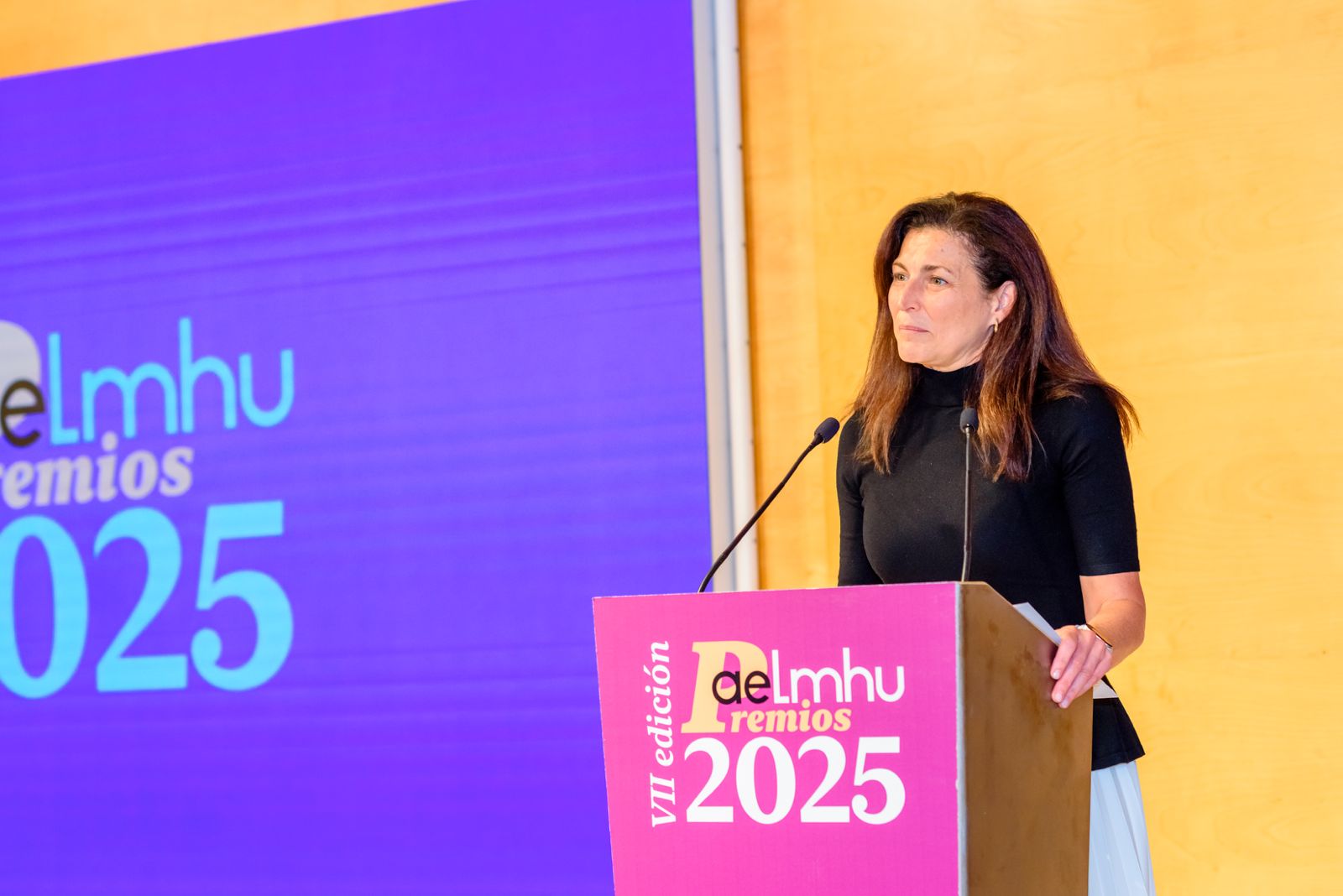
La presidenta de AELMHU, Beatriz Perales, ha dado la bienvenida al evento y ha agradecido a los premiados y al resto de candidaturas sus “años de trabajo, esfuerzo y compromiso con la ciencia y con los pacientes con enfermedades raras”. Además, ha hecho un llamamiento al diálogo entre todos los agentes del sector para que estas patologías sean un “área prioritaria” en las políticas sanitarias, tal y como se recoge en la Estrategia de la Industria Farmacéutica, con el objetivo de situar a España como “un referente europeo en los tratamientos para enfermedades raras, algo que no solo beneficiará a los pacientes, sino que impulsará el progreso científico, la generación de empleo de calidad y el crecimiento sostenible de todo el país”.
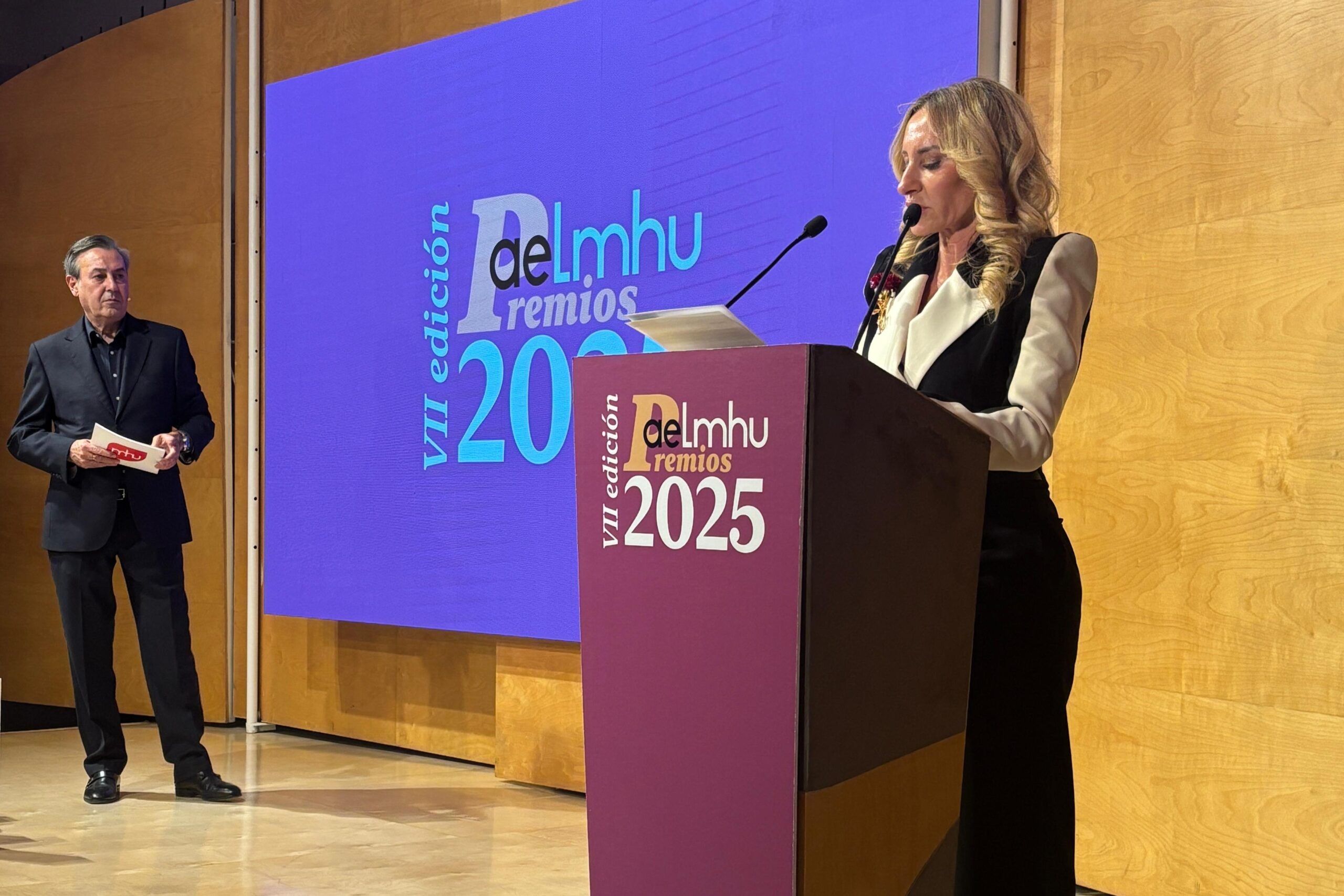
Durante la inauguración, Raquel Yotti, comisionada del PERTE para la Salud de Vanguardia, ha recordado la importancia de abordar las necesidades no cubiertas de las personas con enfermedades raras, ya que “los retrasos en el diagnóstico tienen implicaciones muy profundas en cada uno de estos pacientes”. También ha agradecido a AELMHU su implicación con el PERTE y con cada una de sus prioridades estratégicas: “Queremos que, a través de la ciencia y la innovación, las barreras se reduzcan y que las esperanzas se conviertan en realidades”.
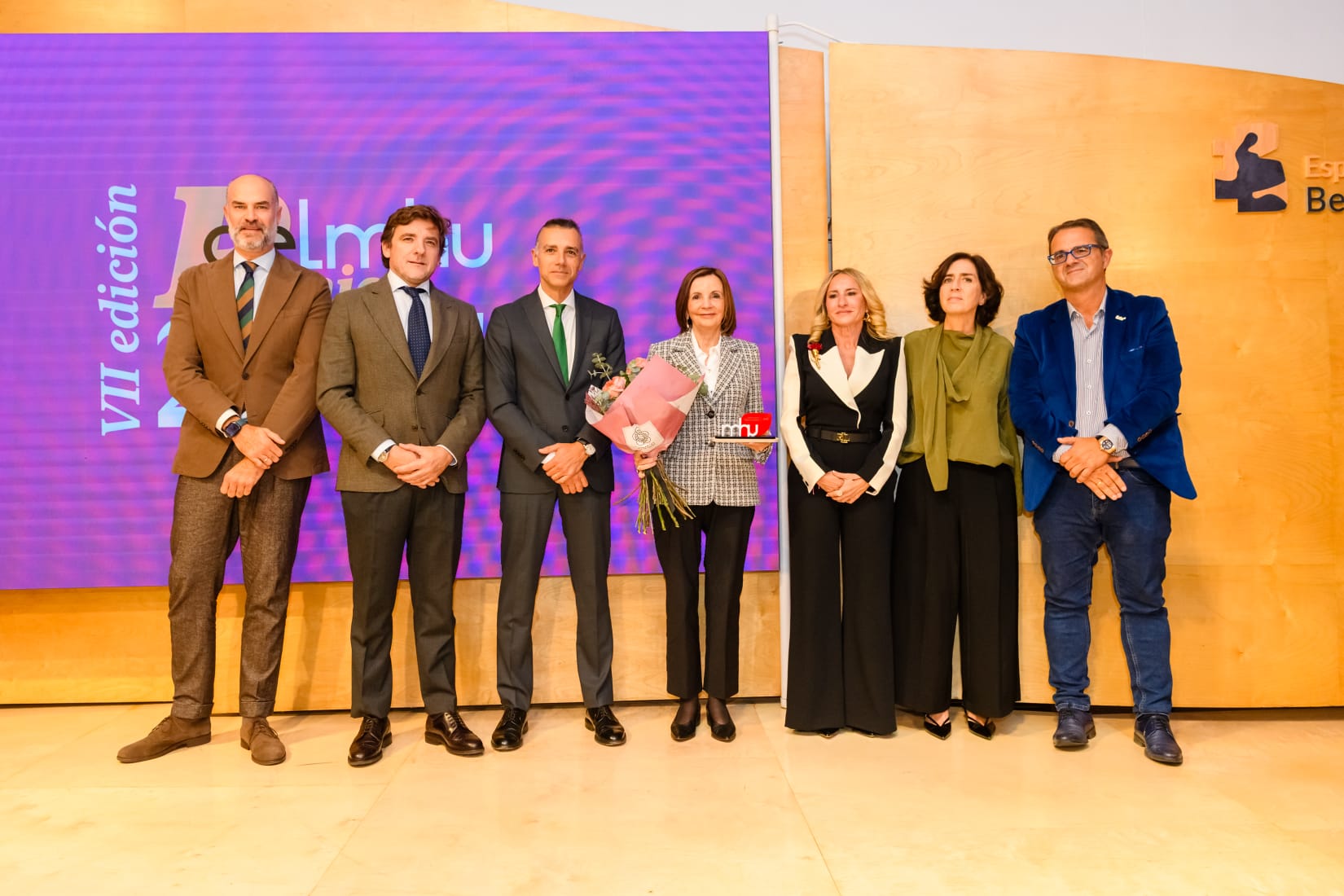
En la ceremonia, la Dra. María Luz Couce Pico, directora científica del Instituto de Investigación Sanitaria de Santiago de Compostela (IDIS), ha recibido el premio honorífico AELMHU 2025, de manos de la Junta Directiva de la asociación y del presidente de la Federación Española de Enfermedades Raras (FEDER), Juan Carrión.
En su discurso de agradecimiento, la Dra. Couce ha resaltado la importancia de “impulsar la investigación, la innovación y el acceso a los tratamientos que transforman la vida de quienes padecen enfermedades raras”. Y también ha dedicado unas palabras a los jóvenes investigadores: “Creed en la ciencia, soñad con transformar la historia natural de las enfermedades raras y no olvidad nunca que vocación y cooperación son el verdadero motor del progreso”.
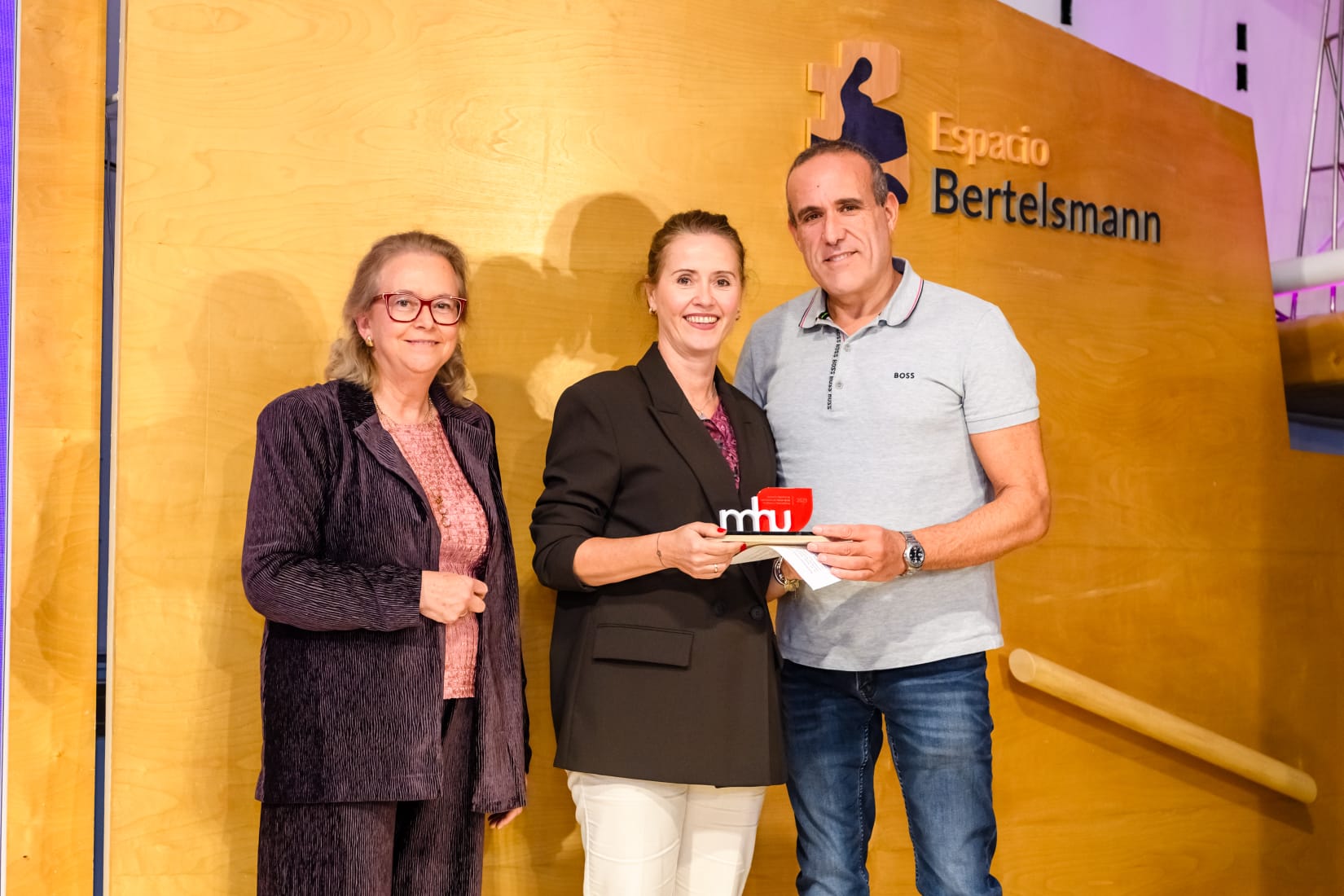
El premio al mejor proyecto asistencial sobre enfermedades raras ha sido concedido a la Asociación Andaluza de Hemofilia (ASANHEMO), por su “Programa integral de atención asistencial y rehabilitadora para personas con hemofilia y coagulopatías congénitas en Andalucía (PIAH)”. Moisés González, vicepresidente de ASANHEMO, y Matilde Mora, trabajadora social de la asociación, han destacado que este reconocimiento es “una validación a una forma de entender la atención sanitaria que no espera a que el paciente vaya al hospital, sino que sale a su encuentro”. “Este premio nos va a impulsar a llegar a quienes aún nos necesitan. Y es una demostración de que la atención sanitaria con alma funciona”, ha señalado Matilde Mora.
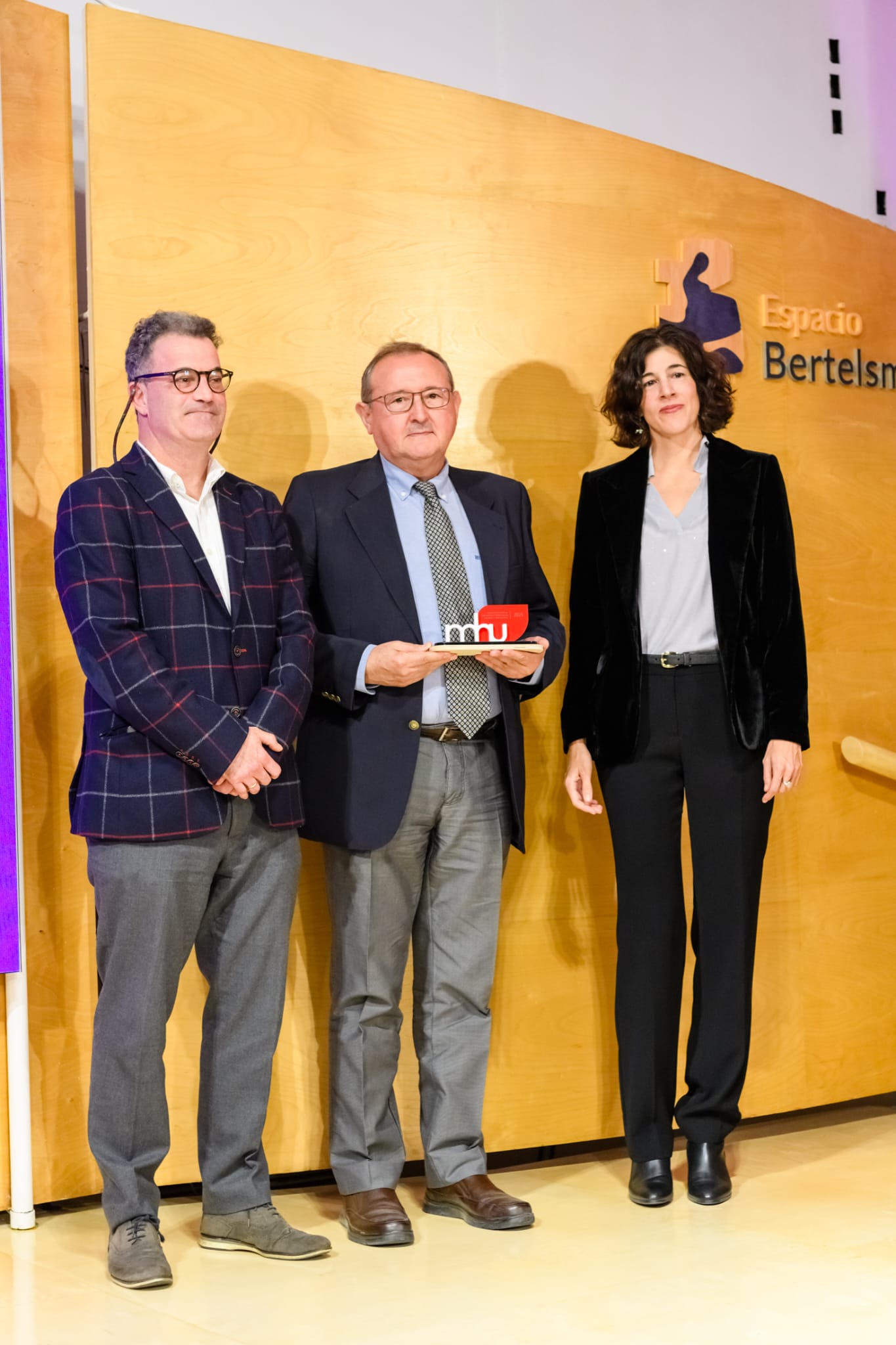
Por su parte, el Dr. Pascual Sanz Bigorra, profesor de Investigación del Consejo Superior de Investigaciones Científicas (CSIC) en la Unidad de Señalización por Nutrientes del Instituto de Biomedicina de Valencia (IBV), ha recogido el galardón a la mejor trayectoria profesional investigadora en el campo de las enfermedades raras. El Dr. Sanz ha reivindicado la importancia de seguir poniendo el foco en la investigación de patologías raras y ultrarraras como la enfermedad de Lafora, una forma ultrarrara de epilepsia mioclónica progresiva en la que está especializado su grupo de investigación.
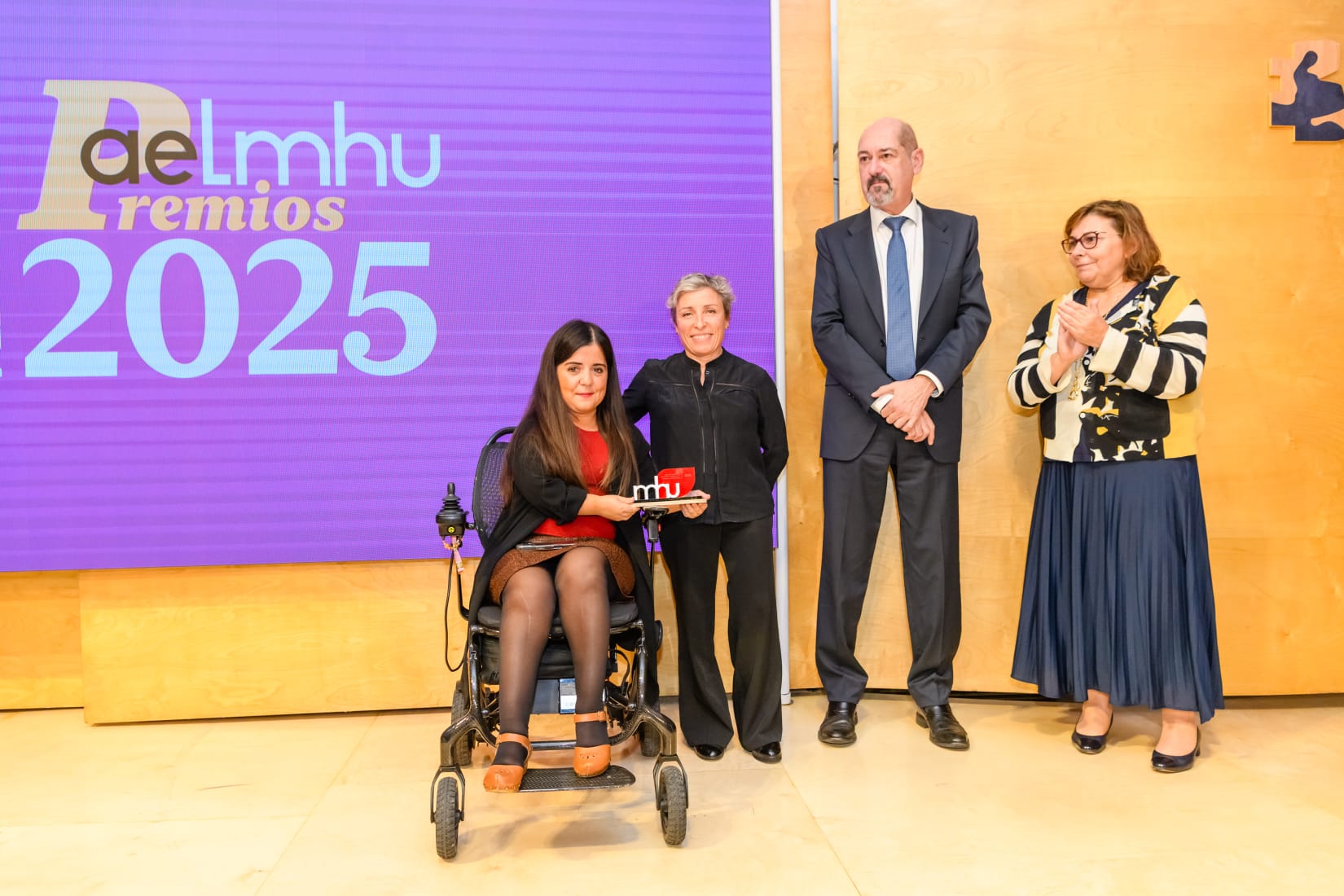
Carolina Puente, presidenta de la Asociación de Personas con Acondroplasia y otras Displasias Esqueléticas en España (ADEE), y su tesorera, Sonia Sestelo, han recogido el premio al mejor proyecto de difusión y/o sensibilización sobre enfermedades raras por “Los Bufones de Velázquez”, una campaña audiovisual que reinterpreta los retratos de bufones pintados por Diego Velázquez en el siglo XVII. “Nuestra campaña quería mostrar cómo, aunque hayan pasado muchos siglos, las personas con acondroplasia y otras displasias esqueléticas todavía seguimos cargando con ciertos prejuicios y una losa social que no es nada justa”, ha explicado la presidenta de ADEE tras recoger el galardón.
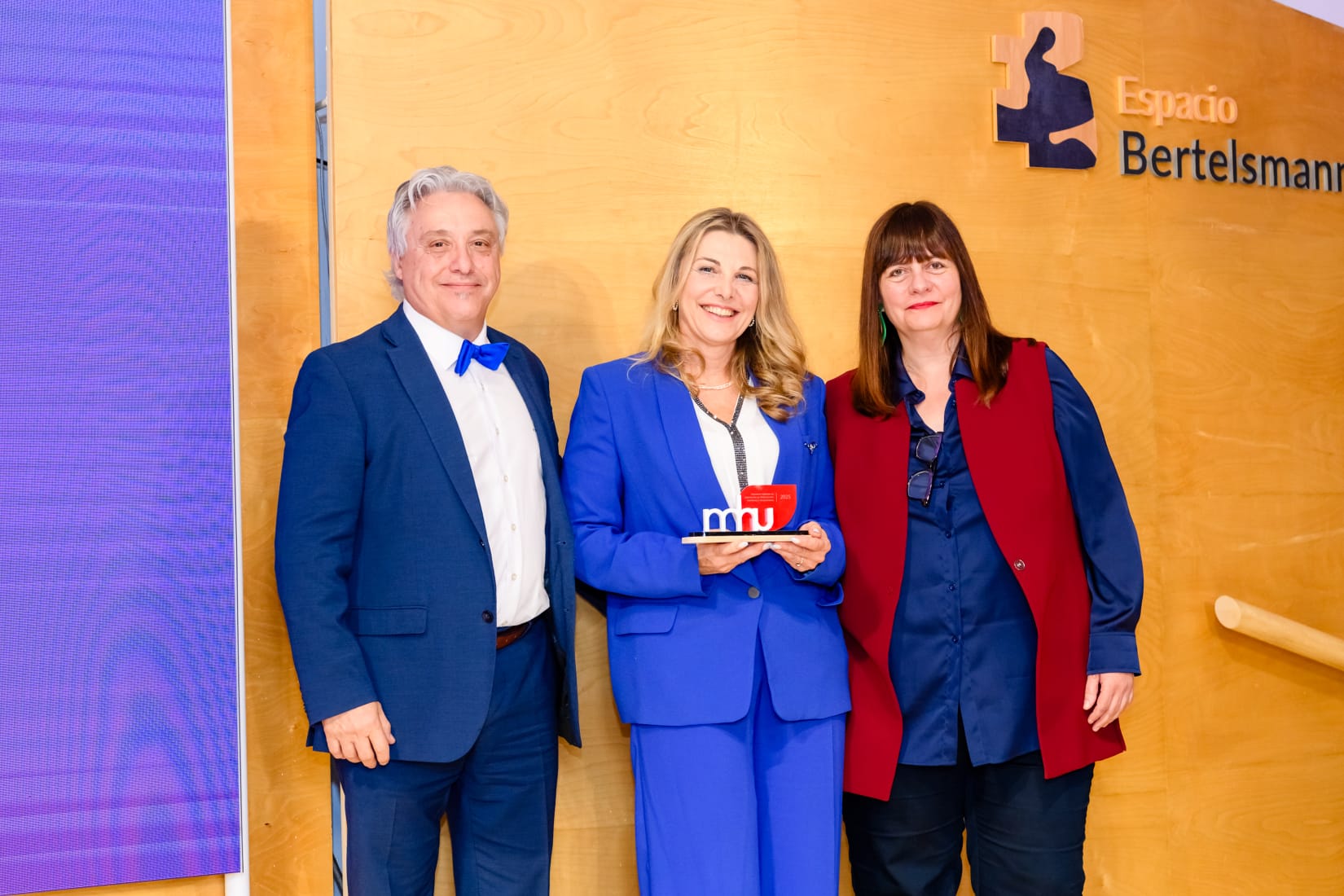
Por último, la Dra. Patricia Smeyers Durá, especialista en Neurología y Neurofisiología Clínica del Hospital Universitario y Politécnico La Fe de Valencia, ha sido galardonada con el premio a la mejor labor de comunicación, divulgación y/o concienciación sobre enfermedades raras. La doctora cuenta con un proyecto de cuentos infantiles sobre la epilepsia, en los que con un lenguaje cercano y divulgativo ayuda a desestigmatizar la visión sobre esta enfermedad entre la sociedad. En su discurso, ha puesto en valor la importancia de incorporar la mirada de los niños en las enfermedades raras: “Solo desde la inocencia infantil podemos crear y crecer”.
La gala fue clausurada por Contrabandeando, un grupo musical que mezcla registros típicos del folclore latinoamericano con sonidos actuales, y que cuenta con varios miembros con familiares afectados por enfermedades raras. En su actuación interpretaron ‘Amor’, una canción dedicada a las familias que, como ellos, conviven con estas patologías.