
11/11/2025
The neuroendocrine tumors (NET) tumors are a heterogeneous group of tumors that originate in neuroendocrine cells, which are responsible for producing hormones and are present in different parts of the body.
Their growth is usually slow, which allows many people who suffer from them to consider themselves long cancer survivors. However, their diversity and the general lack of knowledge about these pathologies make the path to diagnosis and treatment of patients a complex one.
As with many other types of cancer, the exact causes of most neuroendocrine tumors are unknown. They occur most frequently in the gastrointestinal tract and pancreas, although they can also develop in the lung and other organs such as the skin, thyroid or prostate.
Most of these tumors are sporadic and do not have a genetic component, i.e. they occur in people whose relatives have not had them before and do not have inherited genetic changes that influence the development of this type of tumor.
Neuroendocrine tumors can be classified as functioning or non-functioning. Functioning tumors are characterized by excessive release of hormones into the bloodstream, which causes symptoms in the patient, while non-functioning tumors do not, and can be clinically silent. This variety in their location and clinical presentation results in non-specific symptoms that, in many cases, delay their identification.
The most common symptoms in this type of tumor, when present, are reddening of the skin, sweating, diarrhea, palpitations, abdominal pain, complex digestion, fatigue, tiredness, among others, and whether one or the other appears depends on the location of the primary tumor, the tumor burden, the location of metastases (if any) and the tumor's ability to secrete certain hormones.
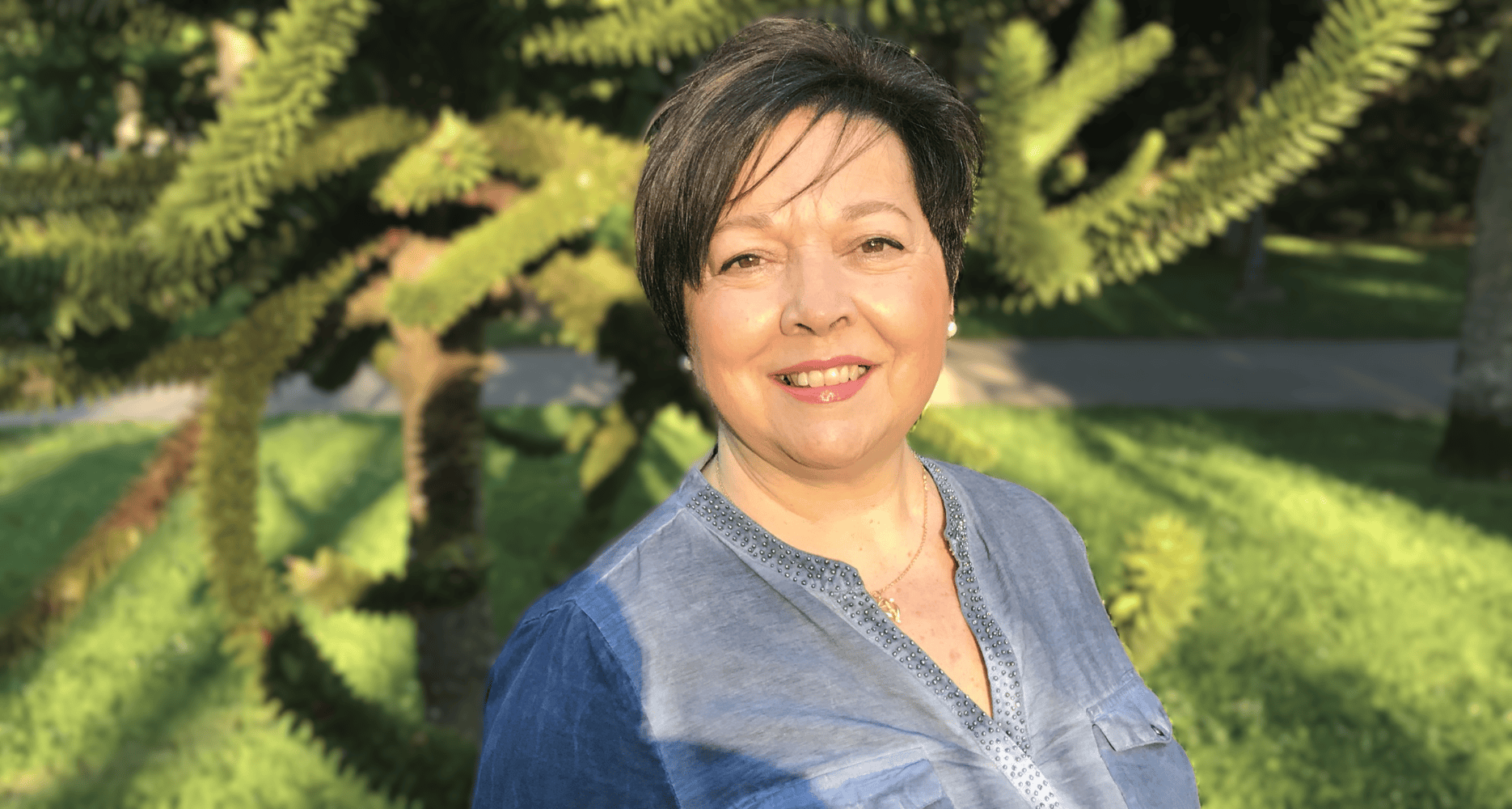
"All this causes that, in more than half of the cases, we are now at approximately 58%, the disease is detected when it has already spread and left its place of origin," explains Blanca Guarás, president of NET Spainin an interview with AELMHU on the occasion of World Day for this group of pathologies, which is celebrated every year on November 10.
To explain the importance of recognizing symptoms early and speeding up diagnosis, which is delayed by an average of five years, NET Spain uses a very graphic metaphor, which has become its motto: "If you hear hoofbeats (which are the symptoms) think of horses (which are the most common diseases), but do not forget that they can also be zebras (wilder animals that can be controlled worse and can be camouflaged with those stripes)".
This image of the zebra, adopted internationally by the neuroendocrine tumor patient movement, symbolizes the difficulty of recognizing a disease that may seem somewhat indolent and commonplace, but is actually much more serious and complex.

PRIORITY CHALLENGES FOR PATIENTS
The creation of NET Spain is closely linked to the personal experience of its president and another patient: "From 2010, when I received the diagnosis of NET, until 2016, the year we founded the association, six intense years passed, full of experiences, learning and opportunities that marked our way of seeing life and the path to be able to accompany other people in this difficult process".
For this reason, the association was born with a clear purpose: To accompany, inform and give a voice to those who live with this group of tumors.. "Our goal is to support, guide, inform and, above all, provide patients with resources so that they can become involved in a responsible way in their disease," he says.
Although neuroendocrine tumors are often included in the category of rare diseases, the president of NET Spain points out that their situation has its own particularities: "The incidence currently estimated in Europe is 7-8 new cases per 100,000 inhabitants per year. These figures may place it outside the numerical threshold, but its heterogeneity, lack of knowledge, the diagnostic delay and the difficulty in recruiting patients for clinical trials make it, in practice, a minority pathology".
Blanca Guarás points out that there has been an increase in the number of cases of neuroendocrine tumors diagnosed in the last 30 years. "This increase may be due to better diagnostic techniques for cancer detection and greater knowledge of the disease," she says.
However, he points out that the incidence would be higher if Spain had a specific registry for this group of pathologies: "Data collection continues to be a challenge in our country. If you are diagnosed with a neuroendocrine tumor incidentally, in small, not too serious cases, and depending on the type of hospital, it is often not registered as an oncologic disease and, therefore, is not counted. Countries that have a national registry have more accurate incidence data, which allows them to organize resources to improve healthcare".
The president of NET Spain summarizes the main challenges in four main blocks: "The first challenge is the knowledge of medical teams for earlier diagnosis. The second is the creation of expert multidisciplinary teams. The third is equity: right now, the quality of care depends too much on your zip code. The fourth is research: we need a real commitment to neuroendocrine cancer research."
One of NET Spain's priority objectives is to move towards a comprehensive and equitable model of care throughout Spain. For this reason, its president considers it essential that patients have access to multidisciplinary teams with experience in neuroendocrine tumors, where all aspects of the disease are addressed.
"Not all hospitals have specialized units or the same resources, and that makes care too dependent on where the patient lives. We as an association work to promote the creation of reference networks, the exchange of knowledge among professionals and the improvement of referral circuits, since knowledge of the disease and coordination among professionals are essential for early diagnosis and adequate treatment," says Blanca Guarás.

COMPREHENSIVE CARE THAT GOES BEYOND THE TUMOR
But the support offered by NET Spain is not limited to the clinical setting. It also emotional, social and occupational levels.. "What is most in demand is nutritional and psycho-oncological counseling," says Blanca Guarás. In addition, the association has a legal and labor advisor who, as she points out, "is a former cancer patient, so she is much more sensitive and provides patients with very good guidance on how to manage all these issues".
To reach all areas of these pathologies, the association structures its work around five fundamental pillars. The first is active listening and personalized attention. "This allows us to inform, guide and advise people and their families in a personalized way. We have attended to more than 700 people and we are now almost 500 members," explains Blanca. Among the most frequent requests are clinical information and the management of second opinions, in which the association helps guide the patient to an expert team.
The second pillar is educational work, aimed at patients, family members and caregivers: "We promote shared learning spaces to strengthen our knowledge and develop support resources such as manuals, guides, podcasts, etc.".
The third has to do with visibility and awareness. "We make neuroendocrine cancer visible throughout the year through campaigns, social networks, presentation spaces... And, of course, we organize the NETs Day, every year to commemorate World Neuroendocrine Tumors Day. During that day, patients, relatives and professionals share experiences, knowledge and testimonies in a meeting space that reinforces the feeling of community and collaboration."
The fourth pillar is the promotion of research, an area to which the association dedicates its own resources: "For us it is very important to promote access to clinical trials. In 2020 we created the NET Spain grant, with which we give 20,000 euros for two-year projects aimed at improving daily clinical practice."
Finally, the fifth pillar is collaborative work and alliances, through which to present the voice of the patient experience. "For us, collaboration with other groups is of vital importance, whether they are national and international patient organizations, scientific societies, hospital teams or the pharmaceutical industry, we all have the same goal, to improve the lives of people suffering from cancer, in this case, neuroendocrine cancer," says Blanca Guarás.
Thanks to all this work, NET España has managed to consolidate itself as a reference in the field of neuroendocrine cancer. Its activity combines scientific dissemination with human closeness, and individual accompaniment with collective action.
Its president recognizes that there is still a long way to go, but trusts in the strength of networking and the commitment of patients, professionals and organizations involved. Finally, she concludes with an appeal to all those affected: "If you are a patient, caregiver, family member or friend, join us. We need you.