
This Sunday, March 8, is International Women's Day. That is why the Spanish Association of Orphan and Ultra-Orphan Drug Laboratories (AELMHU) is highlighting the fundamental role of women both in our Association and in the rare disease sector.
Women make up 65% of our four working groups and lead the spokesperson roles in all of them, demonstrating the pharmaceutical industry's commitment to equality. These figures also reflect an increasingly inclusive sector, where female talent is growing and making its mark.
In this report, we share the stories of three professionals who are part of the Association's Access Working Group and who play key roles in the pharmaceutical industry: María Baquerizo, Country Manager Spain at Avanzanite Bioscience, María Fernández, Director of Market Access and Institutional Relations at Amgen Spain, and Susana Simón, Director of Market Access and Patient Experience at Alexion Pharmaceuticals.
Their talent and leadership are behind many of the advances that bring innovation closer to the patients who need it most every day. Thanks to their extensive experience in the industry, they offer us their perspectives and experiences on what female leadership in the sector is like and how to encourage vocations in the world of health, science, and rare diseases.
Experience, leadership, and multidisciplinary vision
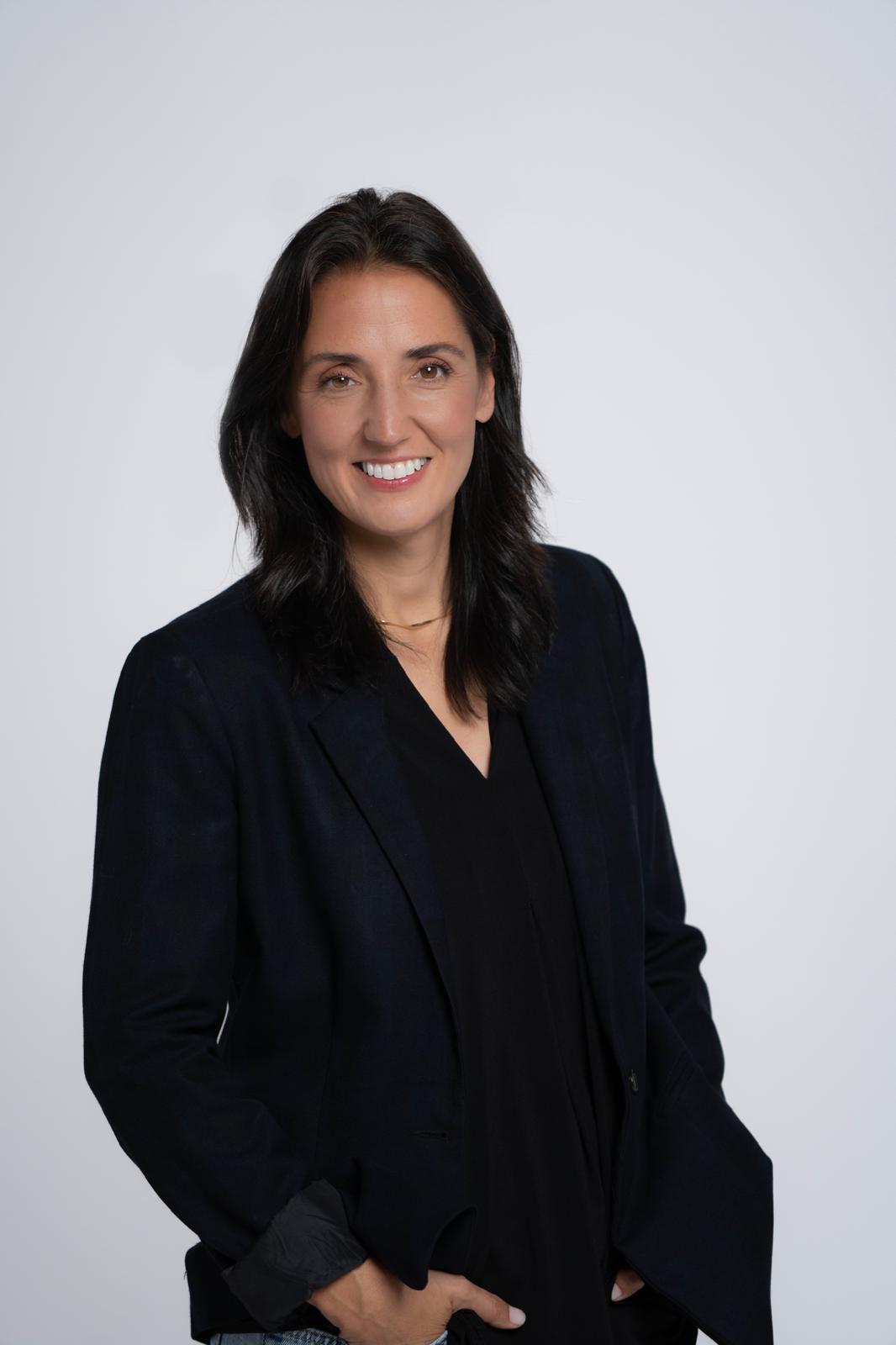
María Baquerizo's career reflects a broad vision of the industry and a clear motivation: "Bringing innovation to people." A pharmacist from the University of Granada, she has been working in the sector for more than twenty years, with a cross-disciplinary career: she started in Regulatory Affairs and Pharmacovigilance, moved on to Sales and Medical Affairs, evolved into Marketing, and, over time, took on General Management responsibilities.
His career has been enriched by working in companies of different sizes and cultures: from large multinationals to medium-sized companies and biotechs. He is now part of Avanzanite Bioscience in Spain, which has "a disruptive model and a very clear purpose: to ensure that no one is left behind in rare diseases." He confesses that what motivates him most is "launching projects from scratch and feeling the real impact of innovation on patients up close."
María Fernández, who also holds a degree in Pharmacy from the University of Granada, has an Executive MBA from IE and more than 25 years of professional experience in the pharmaceutical industry. She has developed her career in the fields of Account Management, Access, and Public Affairs, both in large companies and in biotechnology firms.
"I have always wanted to continue learning and evolving. I have learned a lot from each of these experiences, gained many things and colleagues, and, most importantly, I have enjoyed it very much," says the Director of Market Access and Institutional Relations at Amgen Spain.
Sharing that same desire to evolve and learn, Susana Simón is a pharmacist from the University of Navarra. After a brief period in a doctoral program, she made the leap to industry and complemented her training with an MBA, a master's degree in healthcare management, and the Promociona Program (ESADE–CEOE) focused on female leadership in senior management.
As with her two colleagues, she has worked in multiple areas throughout her professional career: she began in basic research and moved on to business development, marketing, and market research. Over the last 15 years, she has focused on market access, pricing, pharmacoeconomics, institutional relations, and patient experience; and, in the last two years, she has also taken on the management of the commercial area.
This evolution from technical and scientific fields to strategic positions gives him, in his own words, "a very broad view of the industry and the healthcare system.". She is currently Director of Market Access and Patient Experience at Alexion and also has responsibilities as head of the commercial area in Portugal.
How to bring innovation to patients
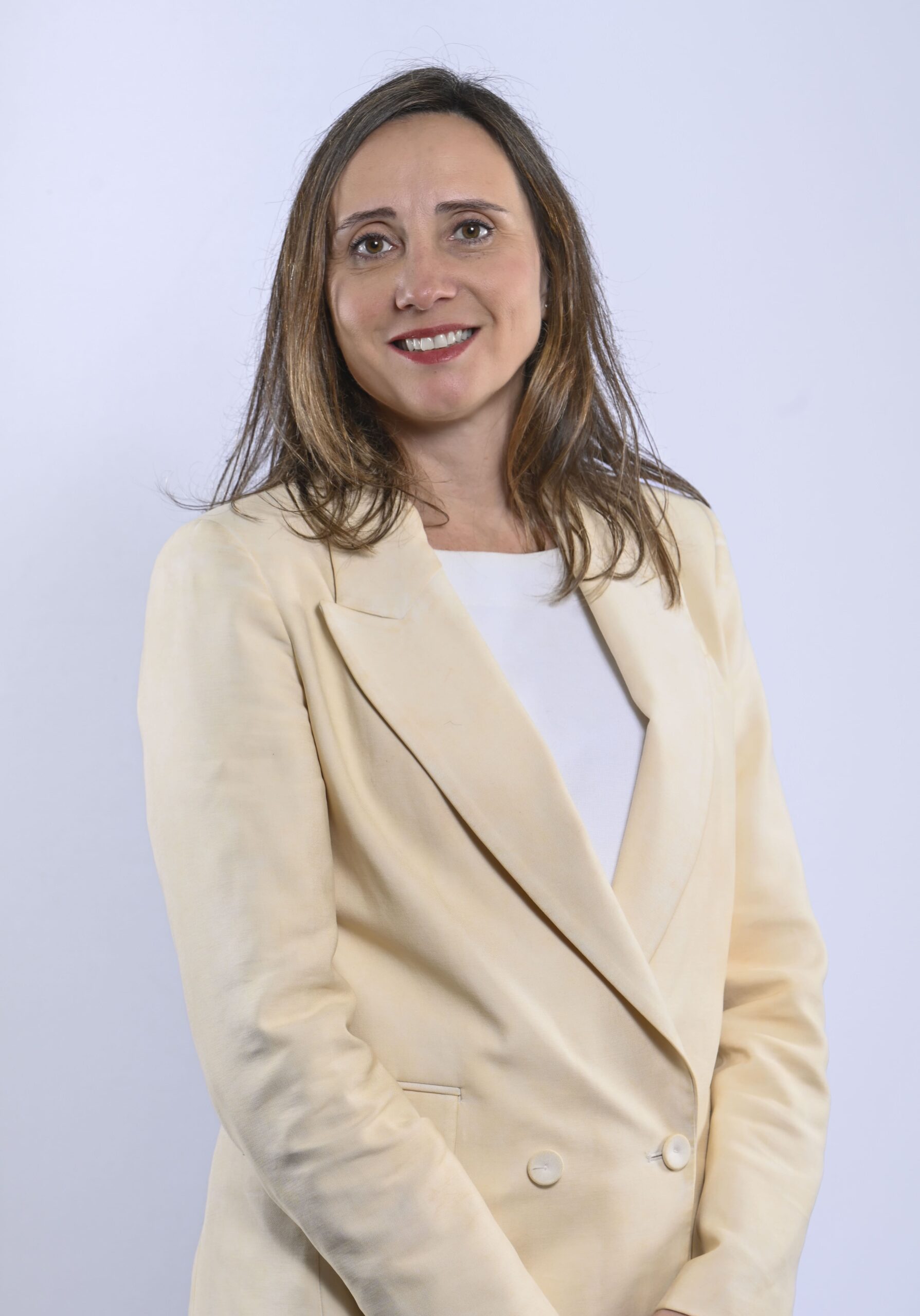
For Susana Simón, Access is "a rewarding job" because it allows solutions to be provided to all patients equally once funding for the medicine has been secured and its implementation in hospitals and autonomous communities has been guaranteed.
"It is a function that combines evidence management and technical analysis with the economic and political dimensions of negotiation. And it is comprehensive in nature: it accompanies the entire life cycle of the drug, from the early stages of clinical development to marketing and maturity," he explains.
By managing a company's entire portfolio, Acceso works with a wide range of clients and pathologies, which requires a broad overview and a genuine commitment to collaboration. Hence its conviction: "It is a strategic function par excellence that deserves greater recognition in the industry and that enables cross-functional career paths into commercial or even medical areas."
In María Fernández's experience, Access is "exciting" and the most cross-functional role in the company: it works with all departments, is involved in the entire product life cycle, even before clinical trials are designed, and interacts with a wide range of healthcare professionals, both at the executive and legislative levels.
"I truly believe that what we do at Acceso has a purpose, which is to bring pharmaceutical innovation closer to patients and society in order to improve it, " argues María Fernández.
In María Baquerizo's case, the Access area has allowed her to position herself "at the point where therapeutic innovation meets the real possibility of reaching those who need it." In Spain, she explains, the work combines evaluation and negotiation at the national level with subsequent deployment in the 17 autonomous communities, each with its own particularities.
For her, the differential value of Access areas lies in building bridges: listening to the Ministry of Health and the autonomous communities to understand priorities and limitations, and working internally to adapt proposals to the reality of the National Health System (SNS). "The balance lies in finding solutions where all parties win: equitable access for patients, sustainability for the system, and responsibility for the company," she says.
Women's leadership in the pharmaceutical industry

With regard to female leadership in the pharmaceutical industry, María Baquerizo notes a positive trend, with more women in positions of responsibility and organizations committed to environments where talent "develops without barriers."
"Every time a woman takes on a leadership position in this sector, she not only advances her own career, but also broadens the horizon of possibilities for many others," she says.
She emphasizes that women bring valuable perspectives, such as "collaboration, diverse teams, and empathy, " but points out that "beyond gender, what makes the difference is talent, passion, and impact.". She is excited to see the emergence of "more human, inclusive, and sustainable" leadership models in a sector that attracts those seeking careers with purpose and a real impact on society.
María Fernández adds that organizations where women and men have equal opportunities generate better working environments and business results, thanks to the diversity of viewpoints and qualities associated with female leadership.
"Having more women in companies brings different points of view, sensibilities, and ways of thinking that complement those of men, which ultimately leads to better business results," he says.
For her part, Susana Simón believes that the pharmaceutical industry is in a favorable position, with many women already in positions of responsibility, although she believes that "gaps persist at management levels."
Alexion's Director of Market Access and Patient Experience values the fact that companies are implementing diversity policies and, at the same time, that more and more female executives are demonstrating their contribution to the business with results, supported by traits such as a collaborative approach, empathy, and people orientation. She therefore hopes that the pharmaceutical industry will "act as a benchmark for society and the healthcare system in terms of female leadership."
Promoting female talent
María Baquerizo encourages women who aspire to develop their careers in this sector to "be authentic and contribute their own perspective and style, because when you connect with the purpose—improving patients' lives—the work takes on a deeper meaning."
Another key aspect he points out is the importance of surrounding yourself with diversity: "Learning from different profiles multiplies the possibilities for growth." He also emphasizes teamwork: "The best results do not come from individual talent, but from the sum of coordinated perspectives toward a common goal.".
For María Fernández, it is a "sophisticated, dynamic, and stimulating" sector, where learning is continuous and challenges are constant. She also highlights a strong culture of training, education, and respect within organizations.
"In this sector, the ability to network is very important, and as women, we have a strength here in that we have greater emotional intelligence, which helps transform organizations by stimulating employee growth. So I see it as a great opportunity for both professional and personal development," she summarizes.
Finally, Susana Simón emphasizes that the pharmaceutical industry has a real impact, especially in the field of rare diseases: "It improves people's health, gives meaning to science, and works toward equity." She adds that the industry offers a wide range of areas, such as R&D, access, and regulation, as well as specialized profiles in digital and innovation, which opens up many opportunities for development.
"In addition, the sector is highly committed to development, talent, and diversity, as well as to sustainability and corporate social responsibility," he concludes.