
More than 550 different diseases, a wide range of clinical manifestations, and an impact that extends far beyond infections. Primary immunodeficiencies (PIDs) represent one of the major challenges in the field of rare diseases.
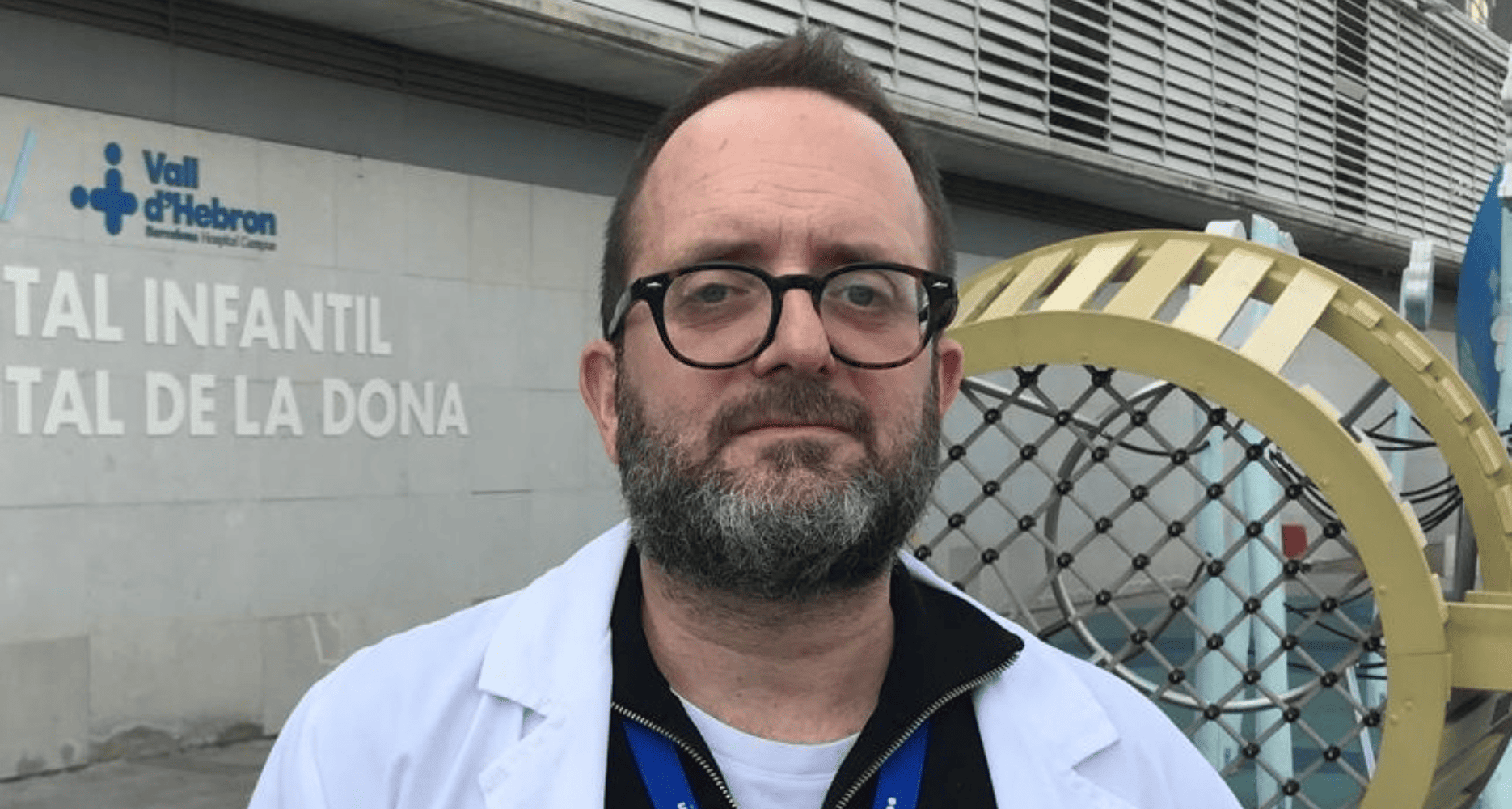
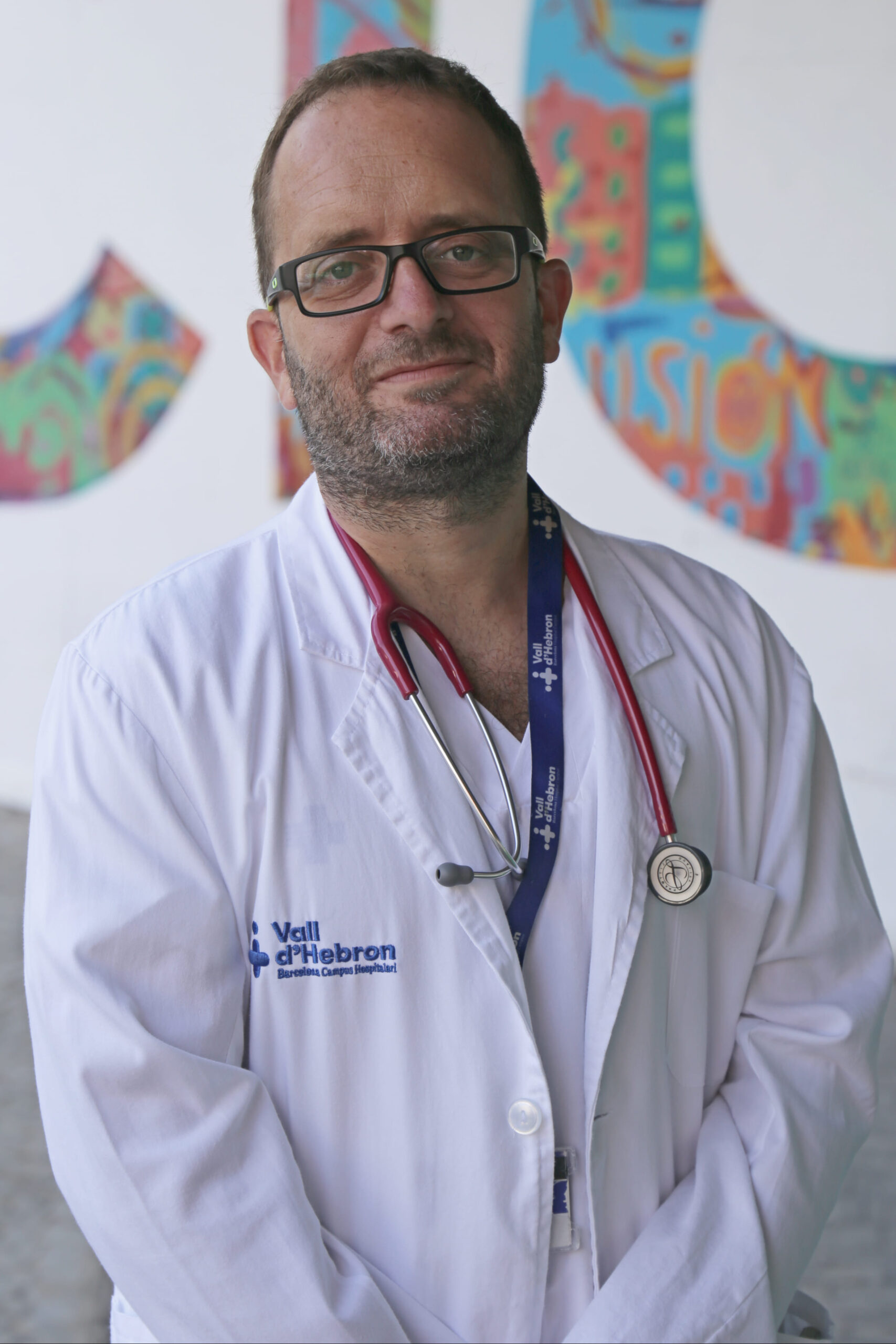
To mark World Primary Immunodeficiency Week, AELMHU interviewed Pere Soler Palacín, head of the Pediatrics Department at the Vall d’Hebron University Hospital and president of the Barcelona PID Foundation, to discuss the main challenges in addressing these conditions.
PID, also known as primary immunodeficiencies, are not a single disease but rather a very broad and heterogeneous group of conditions. “Currently, more than 550 different types are known, grouped into ten major categories, ” explains Soler.
The clinical spectrum is very broad. It can range from mild forms to life-threatening conditions in the first few months of life. The expert cites IgA deficiency as an example; this condition is relatively common (affecting approximately one in 500 people) and is often asymptomatic.
At the other end of the spectrum is severe combined immunodeficiency, commonly known as the “bubble boy” syndrome, in which “early diagnosis before 6–12 months of age is vital.”
All of these diseases have a genetic origin and affect the functioning of the immune system, which explains why they can manifest in multiple organs: “Since the immune system is present throughout the body, it can lead to all kinds of symptoms: skin-related, blood-related, neurological…”
Much more than just infections
Traditionally, primary immunodeficiencies have been associated primarily with recurrent infections. However, Dr. Soler warns that this view is incomplete.
“The immune system does two very important things: it ensures that everything inside the body functions properly and prevents external pathogens from attacking us, ” he summarizes. Therefore, while it is true that patients are at higher risk for recurrent, severe, or opportunistic infections, immune system disorders can also lead to other problems.
“We know that these patients are at higher risk for cancer, higher risk for autoimmune diseases, higher risk for inflammation, higher risk for allergies…, ” he lists. Consequently, the clinical spectrum is much broader than has traditionally been assumed.
Pediatric diseases… but also diseases affecting adults
Historically, primary immunodeficiencies have been considered pediatric diseases. According to Dr. Soler, this was due to two factors: the severity of some forms in childhood and the lack of effective treatments.
“Today, these conditions are common among adults as well,”, he says. At Vall d’Hebron Hospital, for example, approximately 1,500 patients with immunodeficiencies are being treated, of whom “just over half are already adults.”
This is due both to the fact that treatments allow many patients to reach adulthood and to the fact that some immunodeficiencies may not manifest until later in life. “An adult patient may also be diagnosed in adulthood simply because no one had considered the possibility, and they may present with significant complications, ” he warns.
The Importance of Newborn Screening
One of the major advances in this field has been the introduction of newborn screening to detect severe combined immunodeficiency, which accounts for about 10% of PID cases. This program makes it possible to identify affected newborns before they develop complications.
As with other rare diseases, early diagnosis is key to managing these conditions: “If they are diagnosed early through screening and receive treatment around three months of age, their survival rate is around 95%.” In contrast, when diagnosis occurs after complications have developed, the survival rate can range from 40% to 60%.
Despite this evidence, Dr. Soler regrets that the rollout of neonatal screening in Spain has been uneven. Catalonia introduced it in 2017, and other regions have since adopted it. Although it has been included in the National Health System’s (SNS) Common Services Portfolio since 2025, its implementation is still not uniform across Spain. “It’s an inequity that makes no sense because it’s truly cost-effective, ” he says.
The Challenge of Diagnosis
For the remaining immunodeficiencies, which account for about 90% of cases, diagnosis continues to rely heavily on clinical suspicion. There are a number of warning signs that can guide healthcare professionals.
Among the most significant signs are recurrent infections that do not resolve properly or are caused by uncommon microorganisms, as well as certain autoimmune disorders, such as hemolytic anemia or autoimmune thrombocytopenia, certain lymphomas, or gastric cancer in young adults.
Initially, ten warning signs focused on recurrent infections were identified. For this reason, work is currently underway to expand these criteria to include more than twenty warning signs, incorporating symptoms related to autoimmunity, inflammation, or cancer.
One of the main challenges in diagnosis is that primary immunodeficiencies do not affect a single organ or medical specialty. “It’s not like heart failure, where you have to train the cardiologist and the primary care physician; here you have to train the hematologist, the pulmonologist, the rheumatologist—everyone,” the expert notes.
To improve this situation, new tools based on clinical data analysis are being explored, for example. The goal is for electronic health record systems to automatically detect patterns consistent with these warning signs and alert the healthcare professional when it is necessary to refer the patient to a specialized unit.
What is specialized care like?
Spain currently has five centers of reference (CSUR) for primary immunodeficiencies: two in Barcelona, two in Madrid, and one in Seville. Soler believes this distribution could be improved. “The geographical distribution could be improved, ” he acknowledges, noting that areas such as the north of the country may be underserved.
He also believes that these centers are underutilized. “The problem with the CSURs is that the public isn’t aware of them and, therefore, doesn’t seek them out,” he explains. In addition, some healthcare professionals “are also unfamiliar with these resources, and the administrative processes for referring patients can be complex.”
“We should establish a system that truly benefits patients: conducting screening throughout Spain, but clearly defining where referral centers should be located and who should treat and perform transplants for these patients. This fragmentation leads to poorer clinical outcomes, and we should work to address it,” summarizes Dr. Soler.
International research and scientific collaboration
Given the low prevalence of many of these diseases, research on primary immunodeficiencies relies on close international collaboration.
“Each of these cases is extremely rare, so conducting individual research makes no sense,” says Soler. For this reason, clinical and scientific teams work within international networks where they share data, samples, and results.
“There’s a very strongsense of international teamwork, ” he notes, pointing out that it’s common to hold meetings with teams from different countries to analyze cases or develop joint projects.
The Role of Civil Society
In addition to his clinical work, Soler serves as president of the Barcelona PID Foundation, an organization founded in 2014 by a group of professionals dedicated to caring for pediatric patients with PID and their families.
“Our goal is to fill in the gaps that the public healthcare system may not be able to address, ” he explains. Its activities include providing psychological support to patients and their families, promoting research, funding projects, and assisting patients who need to travel abroad for treatment.
In his view, public-private partnerships between the healthcare system, healthcare professionals, patients, industry, and civil society are particularly important in the field of rare diseases. “The involvement of society through foundations or associations contributes significantly to improving care and research, especially in rare diseases where resources are limited, ” he concludes.