14/11/2025
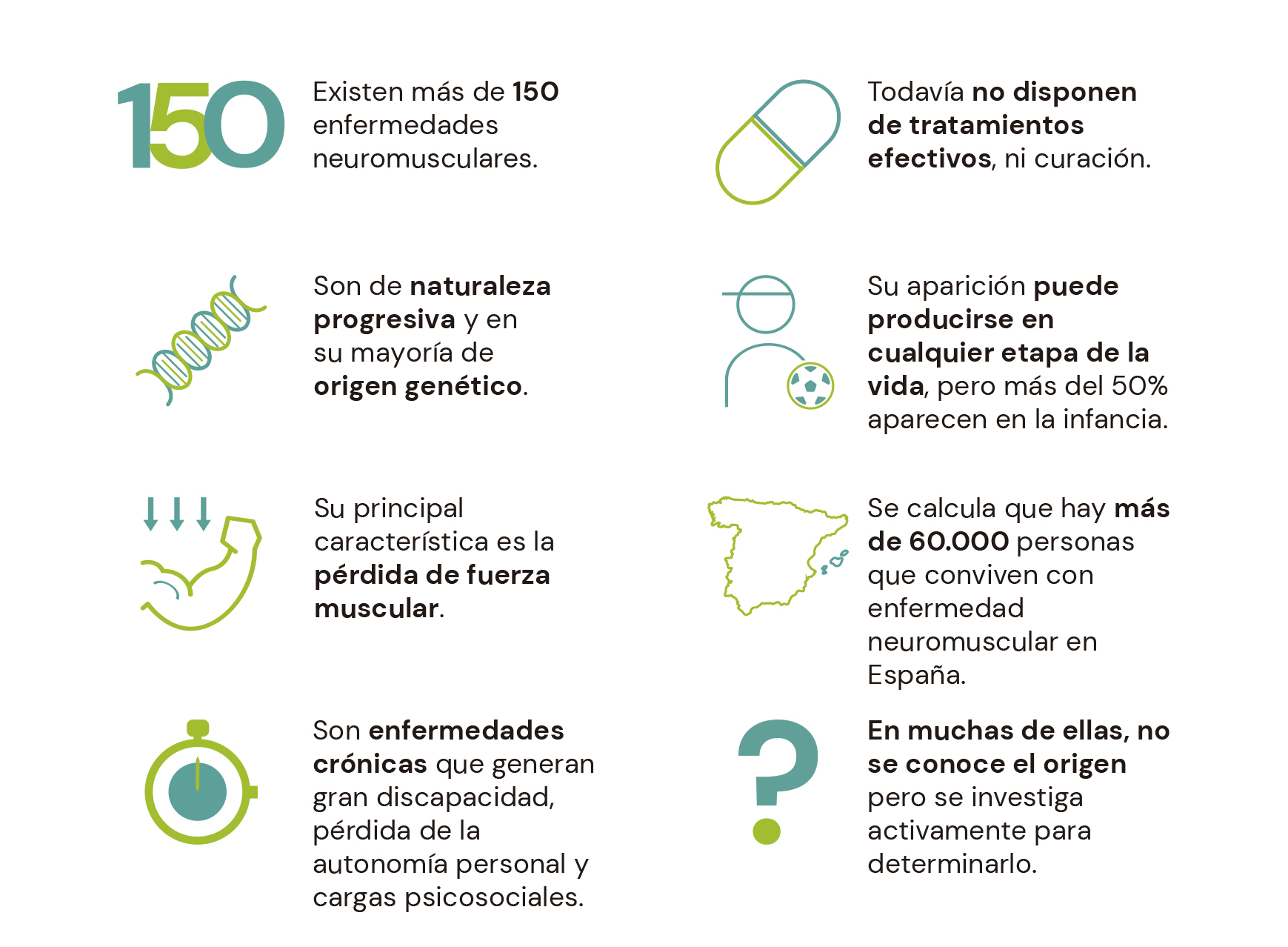
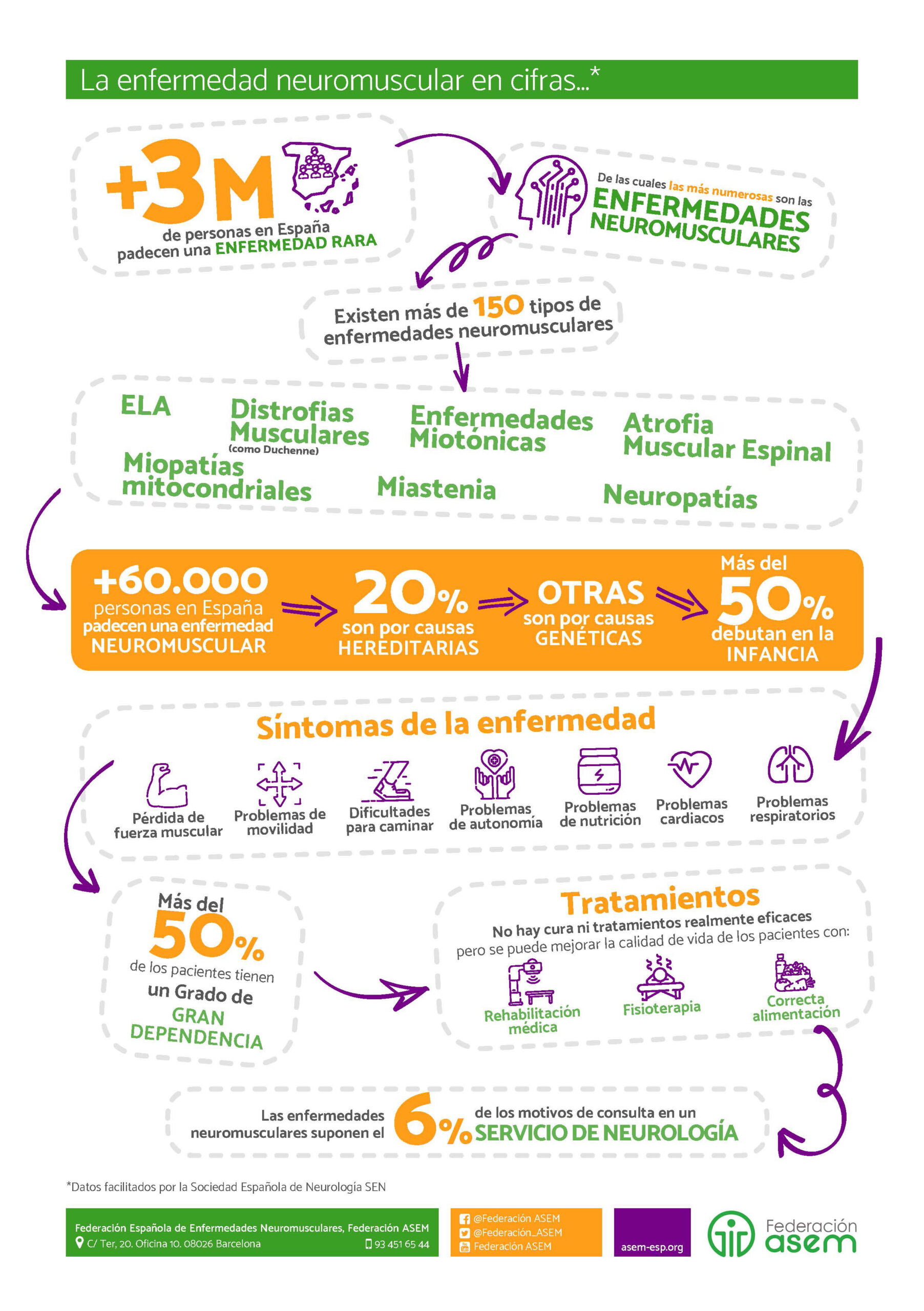
The neuromuscular diseases are a group of more than 150 pathologies that affect both the nervous system and the muscles, causing weakness, loss of mobility and, in many cases, progressive disability. Their evolution is often unpredictable and their impact profound, as they can affect everything from basic daily activities to the ability to maintain personal independence.
In most cases, these diseases have a genetic origin. genetic originalthough there are also acquired or autoimmune forms. However, only a small percentage - barely 5% - have a specific treatment available. For this reason, a comprehensive approach and continuous support are essential to preserve the autonomy and improve the quality of life of those affected.
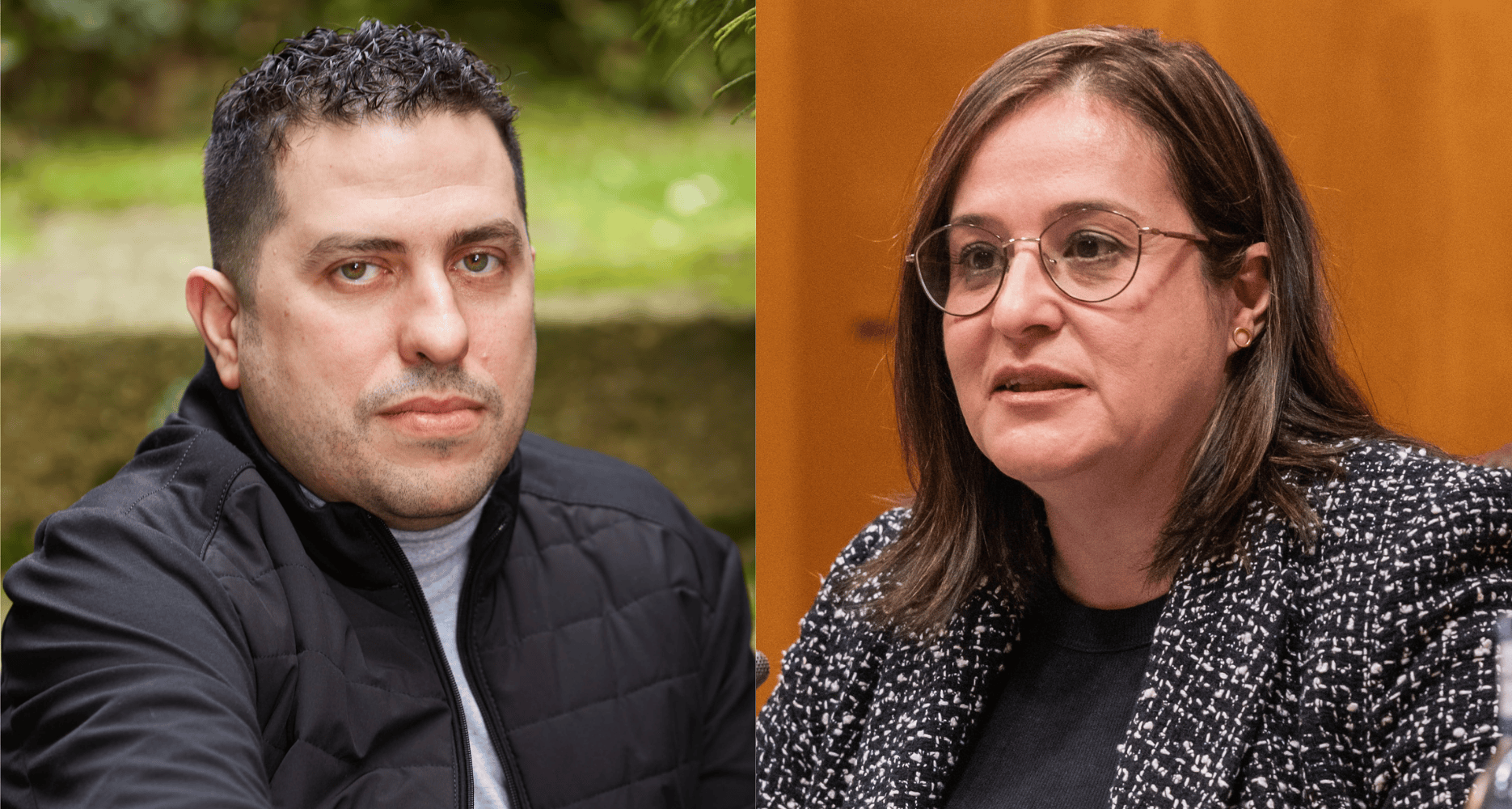
On the occasion of the celebration of its National Day, which is celebrated this November 15, from AELMHU we have interviewed Manuel Rego and Begoña Martín, president and director of the ASEM Federation, respectively, to learn first-hand about the challenges, progress and needs of affected people and their families.
Diversity and complexity: a heterogeneous group of pathologies.
The complexity of neuromuscular diseases lies in their diversity. Under this name are grouped very different entities, such as muscular dystrophies, hereditary polyneuropathies or amyotrophic lateral sclerosis (ALS), one of the best known due to its media impact.
Some of these diseases manifest themselves in childhood, while others appear in adolescence or even in adulthood. According to ASEM data, about half of the cases are diagnosed in juvenile stages. Moreover, their progression and severity vary between individuals, even within the same family, which adds to the difficulty of both diagnosis and clinical management.
"There are so many neuromuscular diseases that it is difficult to know them all. But if there is one thing they have in common, it is that they cause great disability in all areas," explains Begoña Martín. For his part, Manuel Rego stresses the importance of the hereditary component: "Genetic inheritance is a key factor. Many families have several affected members, which adds a highly relevant social and economic component". This reality makes neuromuscular diseases a health and social challenge that goes far beyond the medical field, affecting also education, labor inclusion and family structure.
One of the most important challenges in the management of these pathologies is early diagnosis. The earlier the first symptoms are detected, the better it is possible to intervene to halt their progression and plan an adequate follow-up.
"The average time to obtain a diagnosis is currently between 2 and 5 years. Although this figure represents an advance compared to previous decades, when the time to diagnosis could exceed 20 years, it is still a wait that generates uncertainty and anxiety for patients and their families," the ASEM Federation points out.
For this reason, they argue that early detection is "crucial" not only to initiate appropriate care and treatment as soon as possible, but also to provide families with the information and guidance they need to cope with the disease. "We have to continue working and fighting for this early diagnosis, so that the pilgrimage involved in searching for the 'name and surname' of the disease is shortened as much as possible," says Manuel Rego.
For the president of the Federation, one of the first needs of patients is that "they should be referred to the corresponding specialist from the beginning, without rotating through different specialties", as well as "unimpeded access to genetic testing", essential to confirm the diagnosis and guide clinical follow-up.
Patient needs
Along with diagnosis, rehabilitation is another essential pillar of the approach to neuromuscular diseases. Physical, respiratory and occupational therapies are essential to maintain mobility, prevent complications and prolong personal autonomy.
However, according to the ASEM Federation, the number of sessions financed by the public health system is "clearly insufficient compared to what is recommended by specialists".
"At present, we are financed for a maximum of 20 sessions a year, when specialists recommend at least two a week," laments Begoña Martín. These limitations, they warn, can accelerate the loss of strength and autonomy. "These diseases make us go through different phases of loss of personal autonomy. It is vital for us to maintain it for a longer period of time, even if it is only a short time," says Manuel Rego.
To alleviate this situation, the regional associations that make up the Federation develop their own assistance services, agreements with physiotherapists and direct support programs, with the aim of guaranteeing that those affected receive quality therapies from the beginning and throughout their illness.
Disability and its invisible barriers
The disability that accompanies these pathologies not only limits mobility or muscle strength, but also has a direct impact on daily life, autonomy and social participation. Patients often require adaptations at home, technical aids, accessible transportation and constant monitoring in order to maintain their routines and basic activities.
However, the Federation criticizes that the waiting lists for disability and dependency assessments "are enormous", and that "erroneous assessments" are still frequent "due to a lack of knowledge of the disease and because it affects people differently, even on different days".
Families and caregivers: the invisible pillar
In most cases, families are the main support for people with neuromuscular diseases. From emotional support to care management, their involvement is total.
"Neuromuscular diseases affect the whole family, not just the diagnosed person," recalls Begoña Martín. Often, it is the fathers, mothers or partners who become primary caregivers, with the resulting physical, psychological and economic impact.
"The dependence on support is growing and generates a great family burden," he adds. For this reason, ASEM demands that public policies include more measures for family respite, psychological support and work-life balance for caregivers.
Among its many initiatives, the ASEM Federation also carries out the 'Colonias ASEM', an inclusive camp aimed at children and adolescents with neuromuscular diseases -and also young people without disabilities- who spend a week living together in an adapted natural environment, with educational workshops, adapted sports, accessible swimming pool and specialized health care.
The aim is to foster interpersonal relationships and, at the same time, to give families a break from caregiving. Thus, the project not only offers adapted leisure, but also enhances autonomy, reinforces the feeling of belonging to the group and contributes to the network of mutual support among the participants.
Visibility and awareness
In addition to this work, ASEM dedicates a great effort to the visibility and social awareness of neuromuscular diseases. These pathologies, being little known, continue to generate stigmas and difficulties of inclusion. The Federation organizes information campaigns, workshops and educational activities aimed at health professionals, teachers and caregivers, with the aim of promoting early detection and appropriate support.
"It's not about pity or victimhood, it's about showing reality. Visibility is our priority role right now, because people really need to know what the federation and the organizations do: we are there because they need us, because we do something that in many cases the system does not cover," explains Begoña Martín.
The Federation's director considers it essential to "change the culture of society", because "potentially everyone can have a neuromuscular disease". In her opinion, giving visibility not only helps current patients, but also "educates and prepares society to understand diversity and disability". "We are necessary agents in society. It is crucial that the barriers we face are known, not only those that the disease puts up, but also those that society puts up," adds Manuel Rego.
National Neuromuscular Disease Day
As part of this work of visibility, the ASEM Federation will celebrate on November 15 the National Day of Neuromuscular Diseases. National Day of Neuromuscular Disorders with activities throughout the country to highlight the reality of the group and claim their needs.
This year, the main event will be held on November 14 at the Congress of Deputies, with special emphasis on "young people between 30 and 35 years old who are starting a life project". With this, the Federation wants to "give voice to a stage of life that is sometimes forgotten between childhood and adulthood". In addition, two other events will be held in Mérida and Salamanca, where the Federation has no regional representation, with the aim of encouraging the creation of new associative movements in neuromuscular diseases.
These three days will also serve to present the main demands of the associative movement, which this year revolve around equal access to rehabilitation, improved genetic diagnostics and support for research. "In the end, it is a question of giving visibility to the federation, to its entities and to the people who live with these diseases," concludes Begoña Martín.