
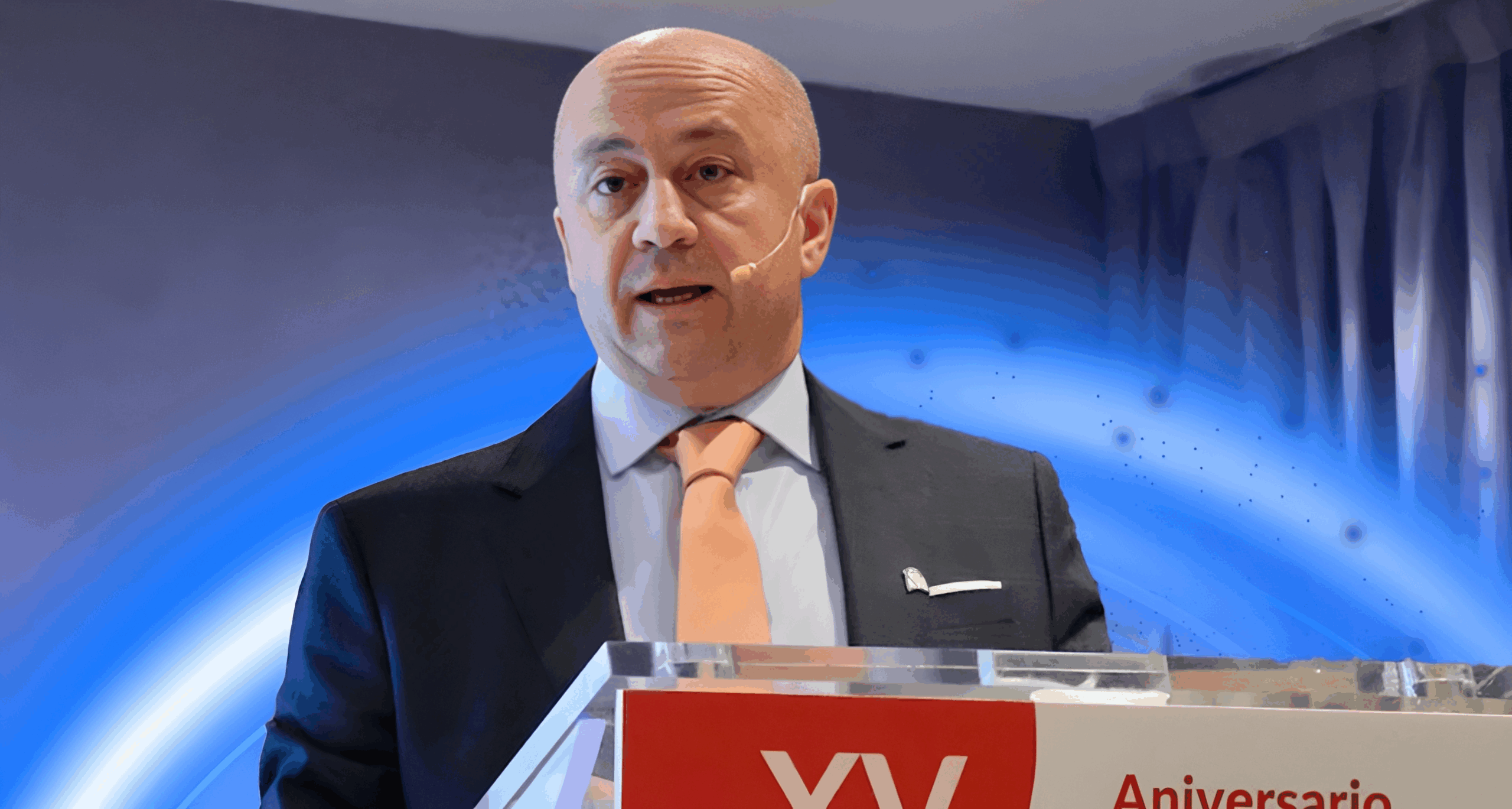
On the occasion of World Pulmonary Hypertension Day, we spoke with Enrique Carazo, president of FCHP (Foundation Against Pulmonary Hypertension) to learn more about this rare disease and about the support and accompaniment work carried out by the Foundation, both for patients and their families.
05/05/2025

Enrique Carazo is not a doctor, but he has in-depth knowledge of a little-known and little-visible disease: pulmonary hypertension. The diagnosis of his son, barely three years old, led him to become a point of reference for many families. He and his wife were told of a life expectancy for the little boy of between three and five years. Today, his son is 23 years old and Enrique presides over a foundation that promotes research, support and visibility of this disease.
"I couldn't sit still. As soon as we knew the diagnosis, we got going," he recalls. And so, in 2008, the Foundation Against Pulmonary Hypertension (FCHP) was born.FCHP) was born, a national organization based in Madrid that has been growing at the pace of the needs of those living with this disease.
What is pulmonary hypertension?
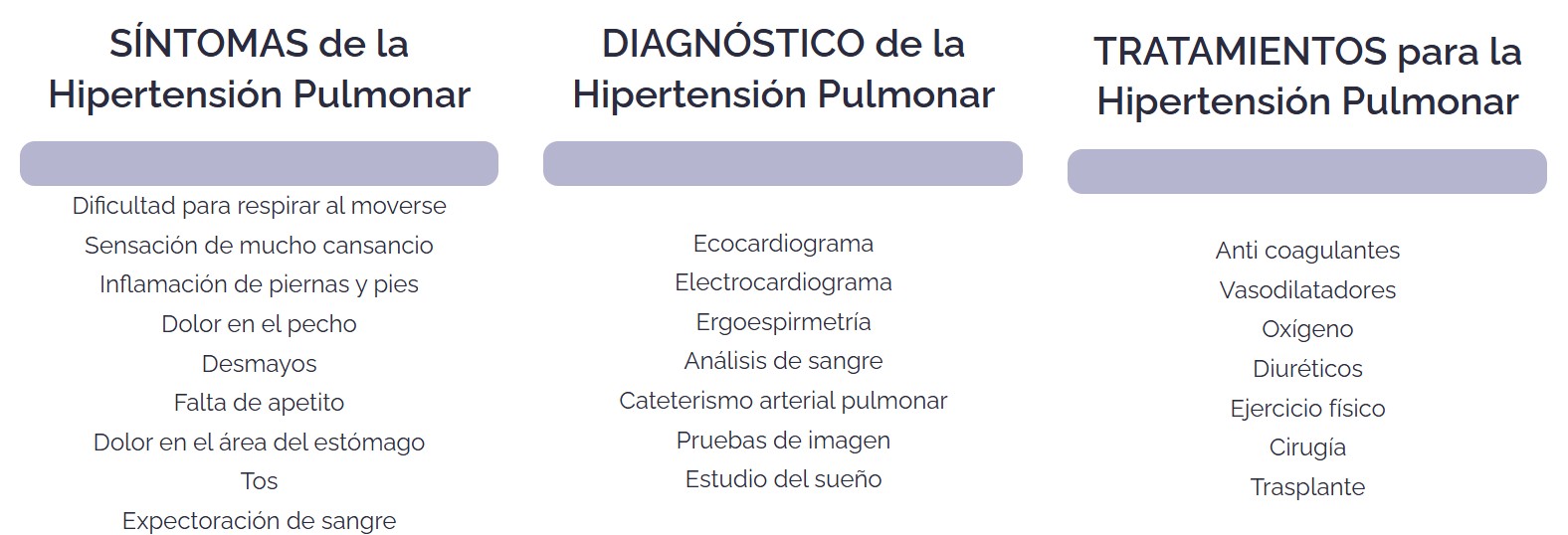
Pulmonary hypertension is a disease that affects the arteries in the lungs, causing them to narrow and make it difficult for blood to pass through. This causes the heart to work harder to pump, which can lead to heart failure. The most common symptoms are fatigue, shortness of breath, dizziness or even fainting, especially during physical exertion. According to Orphanet data , its incidence is 1-9 / 100 000.
Diagnosis is often complicated, since the symptoms are easily confused with other more common pathologies such as asthma or anxiety. In many cases, when it is finally identified, the progression of the disease is already significant in the patient.
"Each patient is different," Enrique explains. "There are those who can live an almost normal life with oral treatment, and others who need complex therapies, with subcutaneous or intravenous pumps or lung transplantation. There is no single way to live this disease."
In this regard, although some patients can lead a fairly active life, many others have significant physical limitations. Something as mundane as climbing stairs or shopping can become too much of an effort. It is also common to see patients with portable oxygen, or with restrictions on sports or travel.
One of the less visible aspects is the emotional and social impact. Enrique has experienced this with his son, but also with many other families. "Children and adolescents want to do the same as everyone else. And they can't always. That's where we come in too, accompanying, explaining, giving tools and trying to normalize these limitations."
The Foundation offers psychological support, social counseling and a shelter in the town of Parla, in Madrid (thanks to the transfer of this property by the City Council of Parla) for families who move from other communities for transplants or long-term treatments. All this, arranged by the organization to cover expenses derived from the pathology that, on other occasions, are assumed by the patients themselves.
Visibility: beyond research
From the Foundation, one of the most powerful lines is the promotion of genetic research. "We are promoting the Genoma 360 project for all patients registered with our foundation, which consists of sequencing the complete genome of patients with pulmonary hypertension. Not only the already known genes, but the whole DNA, to find common patterns that can guide new therapies," explains Enrique.
The key, he says, is to collect many samples. The more people who join, the better the chances of identifying significant genetic alterations. That's why they encourage families to partner up and participate. "It's not just for them. It's for all those who will come along and who hopefully will be able to count on early diagnosis and proper treatment."
Enrique acknowledges that the system is still far from specific neonatal screening for this disease, but insists that early genetic diagnosis saves lives. "Thanks to the foundation's genetic study, we diagnosed early the second daughter of our vice president, who is also a patient."
In recent years, the Foundation Against Pulmonary Hypertension has established itself as one of the main reference points in Spain. They maintain contact with international associations, participate in medical congresses and collaborate with laboratories and reference hospitals. All this to give visibility. "We are four cats, as I say, but people take us as an example. Even from FEDER, where I am now also a patron. Juan Carrión (president of FEDER) convinced me to join, and here I am, trying to help wherever I can".
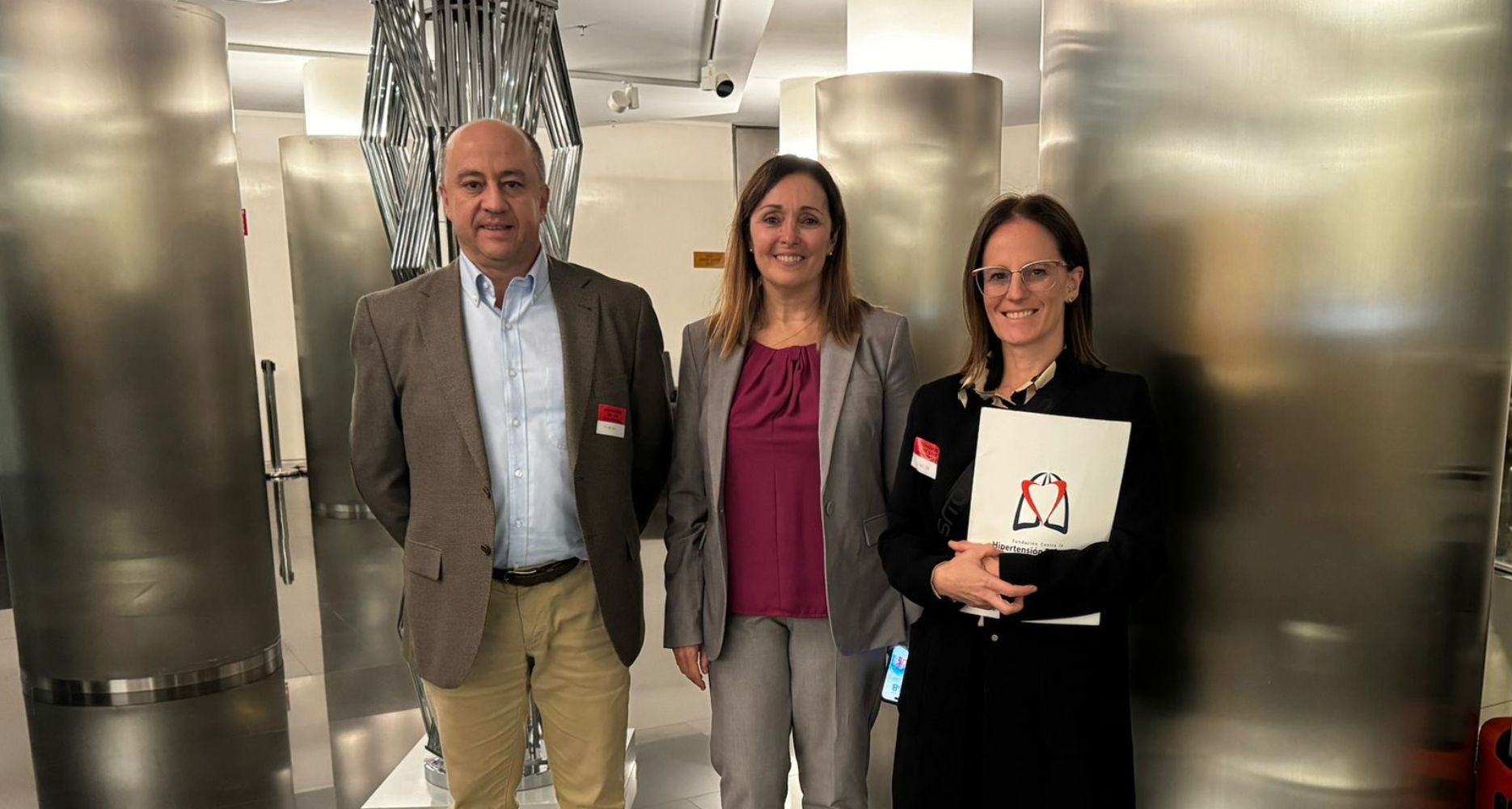
The foundation's work also has an institutional focus. Enrique maintains contact with administrations, politicians and pharmaceutical laboratories. "By professional deformation, I have a lot of contacts. I'm not a politician, I'm a computer scientist and a financier in a company, but when I call the Community of Madrid, they know me. Maybe I'm a pain in the ass, but they know me," he jokes.
"When we were told the diagnosis, we felt there was nothing else to do. Now we know better," Enrique says. "There are treatments, there is research, and there is a community that supports you. We can't promise a cure, but we can work for a better life for patients and their families," he concludes.
Despite the seriousness of the disease, Enrique transmits an inexhaustible energy. His story is that of so many parents who become, unintentionally, experts and activists. "Yes, my son is the patient, but parents also live with each admission, each medical consultation, each treatment. And like me, many other fathers and mothers."
In this sense, for Enrique, a clear project is lacking: "Doctors should prescribe patient associations. That when they diagnose, they say: here are the people who can help you."