
Patient organizations play a vital role in providing support, information, and advocating for the rights of those living with rare diseases. In the case of alpha-1 antitrypsin deficiency (AATD), a genetic condition that can lead to respiratory, liver, and skin diseases, the work of these organizations is particularly important.
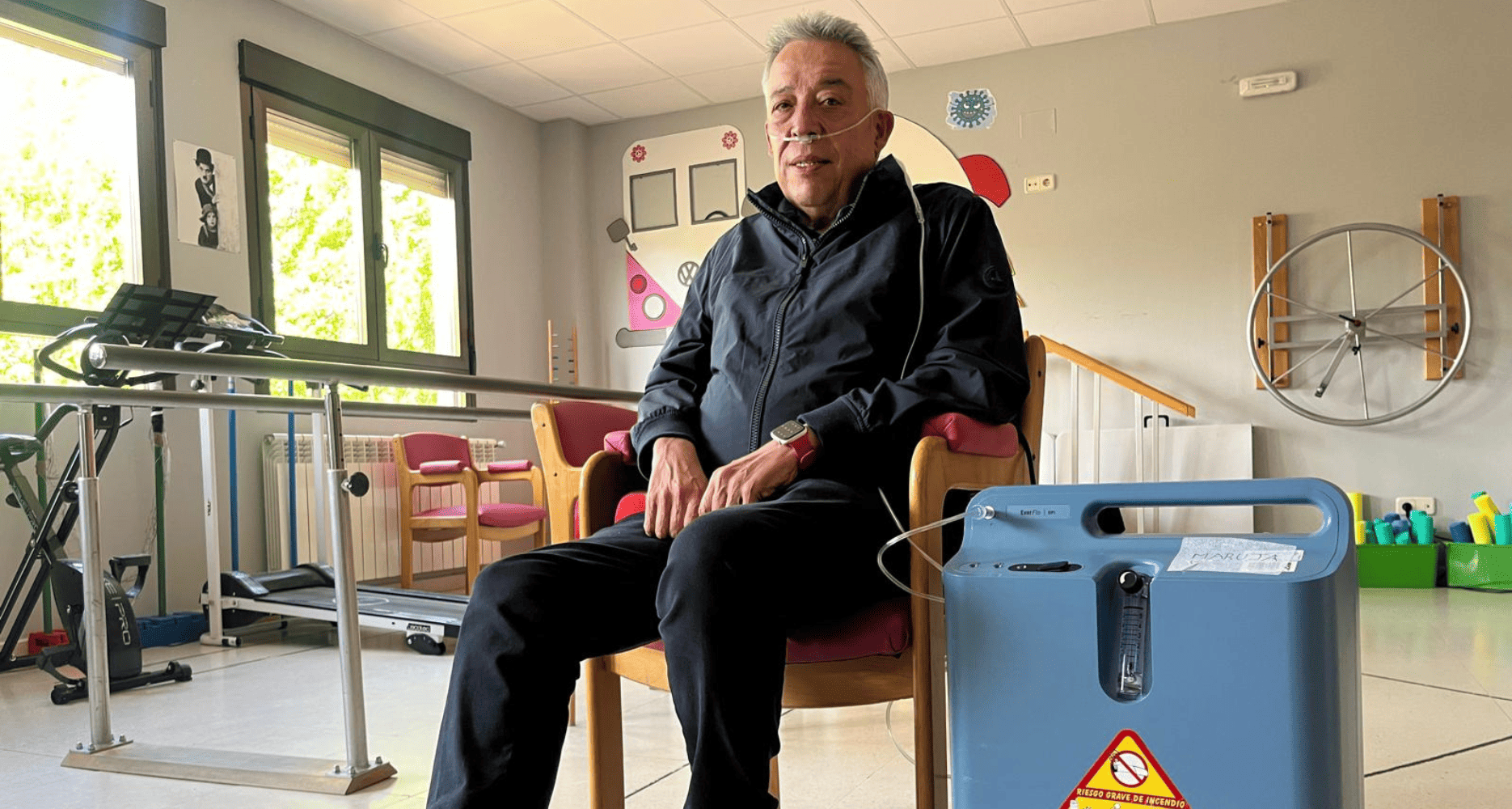
Mariano Pastor, president of the patient association Alfa-1 Spain, is well aware of this reality. His involvement with the organization began as a patient seeking answers and support, and today he leads an organization with 26 years of history and three main areas of focus aimed at improving the lives of those living with this condition.
“The first is patient support, particularly for those who have recently been diagnosed. The second is to facilitate access to available treatments, and finally, to raise awareness of the condition,” Mariano Pastor summarizes in an interview with AELMHU on the occasion of European Alpha-1 Day.
What is alpha-1 antitrypsin deficiency?
This condition is caused by a deficiency of alpha-1 antitrypsin, a protein that plays a protective role in the body, particularly in the lungs. When this protein is absent or present at very low levels, lung tissue is more vulnerable to damage.
For this reason, many people with severe lung disease develop chronic obstructive pulmonary disease (COPD) at an earlier age than the general population. In addition, the effects of smoking can be particularly harmful in these patients.
In some cases, liver complications may also arise. Up to 10–15% of newborns with severe deficiency may develop liver disease, although only 2–3% of them require a transplant in the first few years of life. Liver disease can also develop in adults starting in their fifties or sixties. It occurs in about 10% of people with severe DAAT and can include fibrosis, cirrhosis, and hepatocellular carcinoma.
“A long way to go”
One of the main problems associated with alpha-1 antitrypsin deficiency is underdiagnosis. Many people live with the condition for years without knowing it, which delays their access to proper monitoring and available treatments.
Pastor points out that, although awareness of this condition has improved in recent years, “there is still a long way to go”. “In many cases, patients are diagnosed only after they have already developed significant respiratory symptoms and seek care from pulmonologists. Furthermore, they often treat the disease that has developed—which is COPD—without investigating the underlying cause, which is alpha-1 deficiency,” he adds.
In this regard, he emphasizes the importance of healthcare professionals ordering the appropriate diagnostic tests, especially for patients with COPD at an early stage. In primary care, however, he notes that the situation is more complex due to “the heavy caseload and the wide range of conditions that healthcare professionals must manage.”
Given this situation, Pastor stresses that one of the top priorities must be to improve early diagnosis. “Detecting the condition in its early stages allows us to take action before irreversible damage occurs. We must diagnose it, and the sooner the better, ” he emphasizes.
Furthermore, since it is a genetic disease, he argues that a patient’s diagnosis should lead to family screening to identify other possible cases. “We need to raise awareness among family members because the disease is genetic,” he notes. In this regard, he emphasizes that patient organizations play a crucial role in informing families and encouraging them to undergo these tests.
In addition to diagnosis, access to treatment can also be a challenge for some patients. According to Pastor, availability varies across the autonomous communities and even among hospitals within the same region. In fact, he experienced this situation firsthand. His diagnosis came late, when he was already suffering from advanced COPD and needed oxygen.
The role of associations
In recent years, the patient advocacy movement has gained visibility and recognition within the healthcare system. Pastor believes that the current situation is generally positive, although significant challenges remain.
One of the issues currently attracting the most attention is the development of a new regulatory framework for associations—the Patient Organizations Act—which is still under consideration. In this regard, the president of Alfa-1 Spain acknowledges that there are some concerns about how this legislation will affect smaller organizations, particularly with regard to issues such as funding.
Despite these uncertainties, Pastor believes that the patient community is currently experiencing greater institutional and social recognition. “Overall, things are looking up, and we are being heard and taken into account more and more, ” he says.
However, this increased visibility also places new demands on the associations, which are increasingly involved in more initiatives, projects, and forums for discussion. “We’re getting calls from more and more places, but in order to attend and contribute, we also need professional assistance—and we can’t always afford it, ” she explains.
Support, personalized attention, and visibility
Initial support is particularly important in the field of rare diseases, where diagnosis often comes after a long and complex process for patients. In many cases, people receive the news with little information and a great deal of uncertainty. “That is why connecting with others who are going through similar situations can make a significant difference, ” notes the association’s president.
To achieve this goal, the association carries out various initiatives that provide direct support to patients. These include regional support groups, virtual meetings, and professional guidance from a social worker, who helps answer questions and provide guidance to those affected on health and social issues.
In addition, the organization supports various projects aimed at improving the well-being and quality of life of people with alpha-1 antitrypsin deficiency, such as a new virtual respiratory physical therapy program, which is particularly important for patients with lung involvement.
In addition to these initiatives, there are also nutrition workshops and other activities designed to provide patients with information and practical tools. But beyond these specific projects, the president of Alfa-1 España emphasizes that a large part of the association’s work involves providing personalized care for each individual case.
When a person receives a diagnosis, they may have questions about the tests performed, the recommended treatments, or the specialists who should be managing their case. In this context, the association serves as a point of reference for answering questions and guiding patients.
“There’s a great deal of personalized care. When someone is diagnosed, depending on how it was explained to them or the treatments that were suggested, you have to let them know if they’re okay, if what they were told is correct, or if they need to seek help at specialized centers,” he concludes.