
06/10/2025
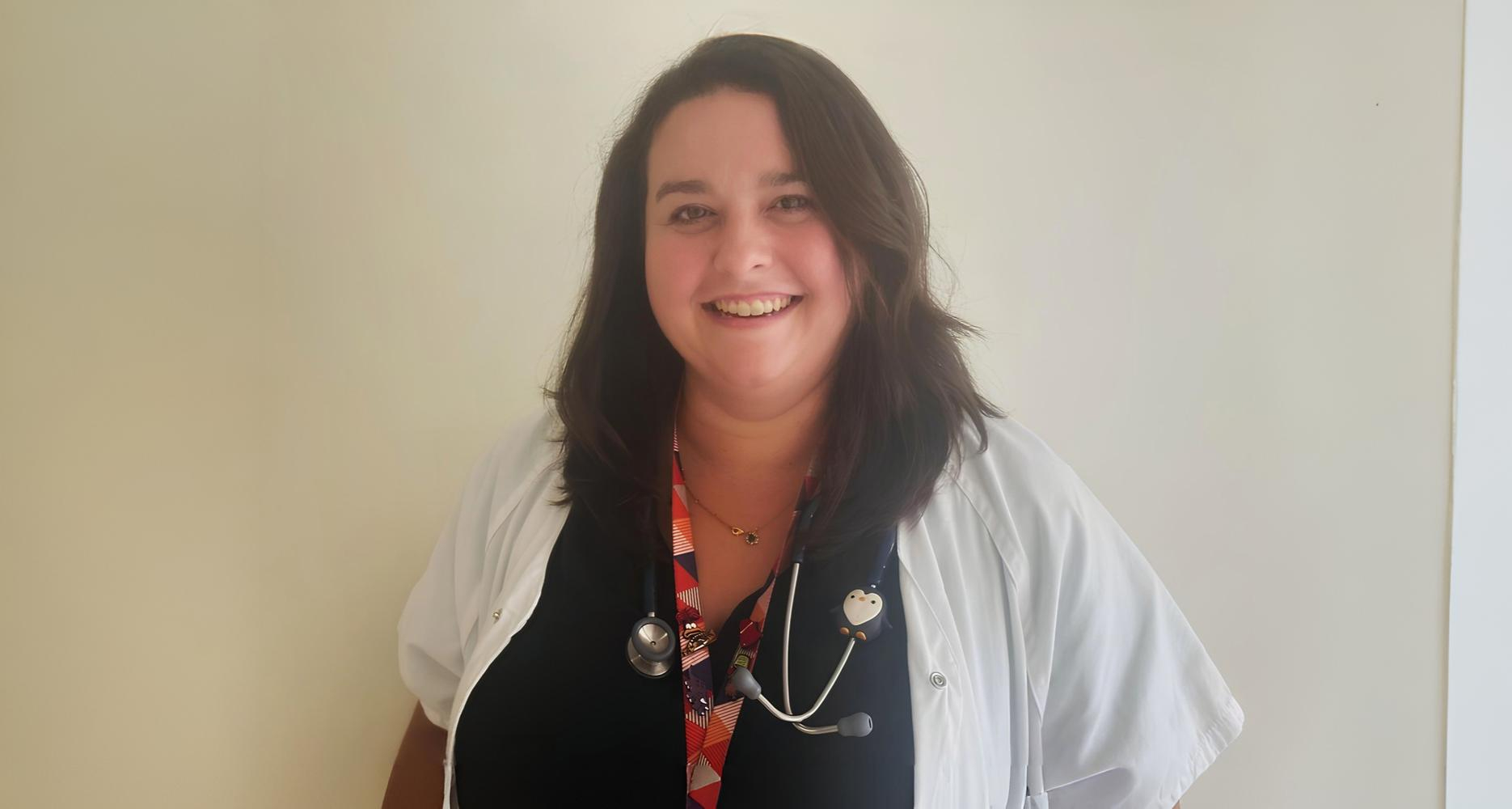
On the occasion of World Progressive Familial Intrahepatic Cholestasis (PFIC) Day, which is celebrated every year on October 5, AELMHU interviewed Dr. Maria Mercadal, pediatric hepatologist at the Vall d'Hebron Hospital in Barcelona, with the aim of providing a clear vision of this rare liver disease of genetic origin that mainly affects children and that, despite recent advances, continues to pose a great clinical, social and emotional challenge for patients and their families.
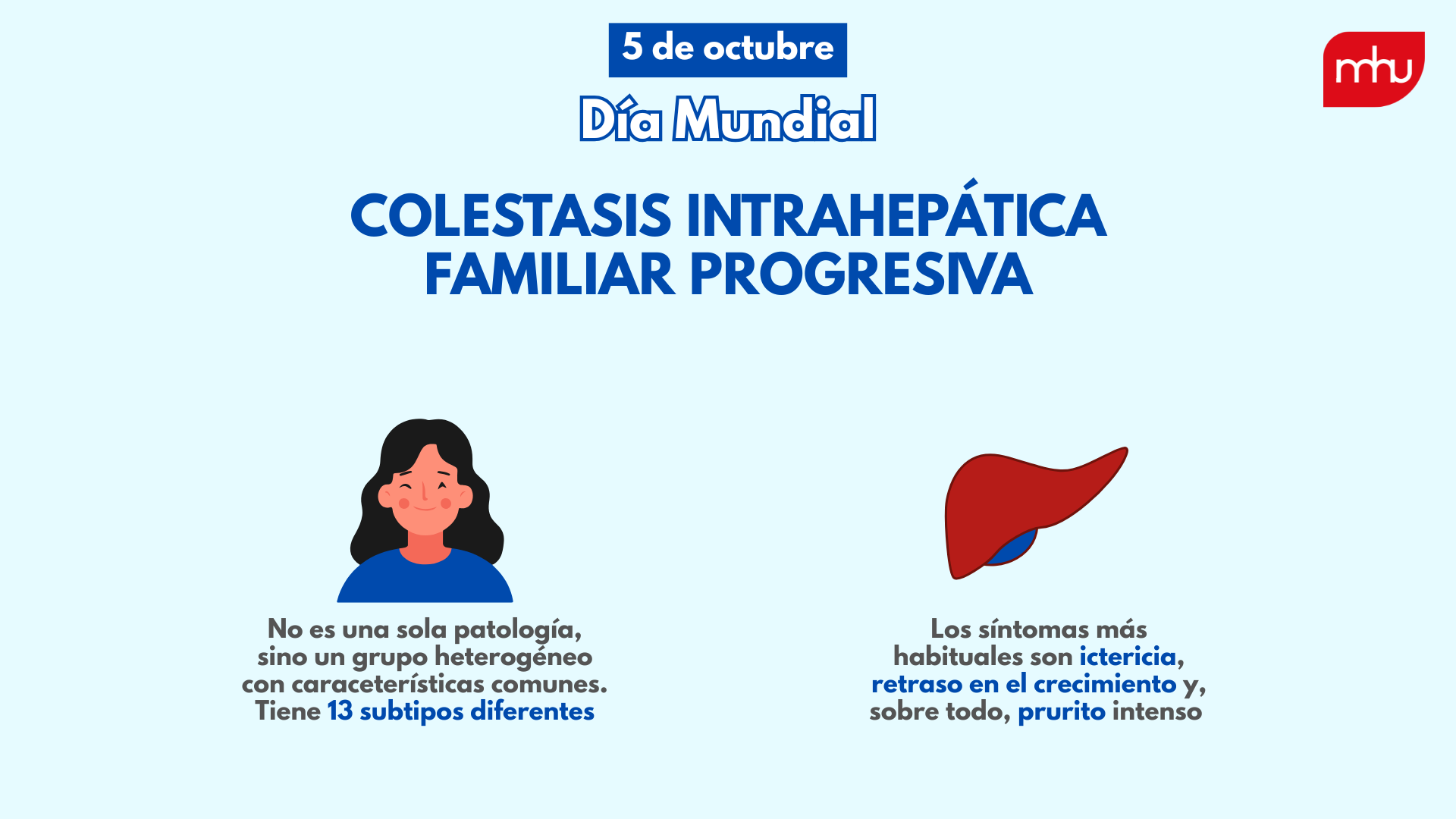
IFPC is not a single pathology, but a heterogeneous group with certain common features. "Progressive familial intrahepatic cholestasis is not a single disease, but a group of diseases of genetic, autosomal recessive cause that share some aspects," explains the doctor.
To understand what happens in PFIC, it is useful to consider the role of bile, a fluid produced by the liver containing bile acids, cholesterol and other substances, which is released into the small intestine to aid in the digestion of fats and the absorption of fat-soluble vitamins.
Under normal conditions, liver cells (hepatocytes) produce and transport bile through the bile ducts to the intestine. In CIFP, due to various genetic defects in the transporter proteins, this process is disrupted and bile acids accumulate in the liver and blood. This accumulation causes progressive liver damage, which can lead to cirrhosis and liver failure.
Thanks to the development of genetics in recent years, 13 different subtypes of CIFP are now known. 13 different subtypes of CIFPThe most frequent are types 1, 2 and 3, which account for the majority of diagnoses. Each of them is due to the mutation of a different gene affecting a key protein in the bile transport process.
In some cases, these diseases can be accompanied by extrahepatic complications, as in type 1, where the protein alteration also affects the pancreas or intestine, causing chronic diarrhea and malabsorption of nutrients. On the other hand, characteristically, patients with type 2 present a high risk of developing hepatocarcinoma in very early stages. In type 3, the disease may debut later, even in adult life, with a slower progression.
Symptoms: jaundice, growth retardation and pruritus.
Although each subtype has its particularities, there are common symptoms that usually alert families and pediatricians, such as jaundice, which causes the skin and eyes to turn yellow due to the accumulation of bilirubin. This sign is usually one of the first to appear and, although in some infants it can be confused with other causes of prolonged jaundice, in CIFP it is sustained and accompanied by other symptoms.
Another symptom is stunted growth. Because they are unable to absorb fats and vitamins properly, children have difficulty gaining weight and height, which affects not only their physical development, but also their daily energy, learning ability and general well-being.
And, above all, one of the main symptoms is intense itching, an itching that can be so severe that it disturbs children's sleep and behavior. This is, in fact, one of the great challenges of the disease. In fact, up to 80% of patients with CIFP have pruritus qualified as intense, associated with skin lesions due to intense scratching that can be severe, and constituting a major cause of liver transplantation in these patients.
Impact on quality of life
As Dr. Mercadal explains, PFIC has a profound effect on the daily lives of children and their families. Pruritus, for example, has repercussions on nighttime rest, school performance and social life: "It is difficult to explain to someone who has never seen it before. These are children who are constantly moving, scratching, who hardly sleep at night and whose quality of life deteriorates considerably. The degree of irritability and discomfort is enormous".
In clinical practice, practitioners use specific scales for assessing pruritus, both based on parental observation and on patients' own self-assessment when they are older. "These tools allow us to measure the effectiveness of the measures we take in a more objective way. They help us a lot to better understand the degree to which these patients are affected in their day-to-day lives," says Dr. Mercadal.
It should not be forgotten that families are also affected, as is the case with many of these diseases. "Parents need work flexibility for the care of their children. And we cannot forget the siblings. They also suffer from the lack of sleep, the changes in routine and the extra attention that the child with PPCID needs," he reminds.
The crucial role of early diagnosis
Early diagnosis is key to initiate appropriate management and prevent complications: "Genetic testing is increasingly requested quickly in infants with cholestasis, and PFICis usually included in most diagnostic panels.
Despite this, there are still differences between autonomous communities in terms of response times. " In some centersthey can have a result in 15 days, while in others it can take several months. This can delay important decisions in the patient's evolution," he regrets.
With regard to early diagnosis, the doctor stresses the importance of clinical suspicion, an aspect in which pediatricians and primary care physicians are key to be alert when they see infants with prolonged jaundice, growth retardation or children with persistent pruritus. " On many occasions, the experience of the professional who knows how to recognize these signs makes the difference in achieving an early diagnosis ," says the doctor.
A necessarily multidisciplinary approach
The overall prevalence of CIFP is low, around one case per 50,000 births, which places this pathology within the broad group of rare diseases. This implies that patients often face not only the clinical complexity of the disease, but also the scarcity of information and the lack of specialized resources in their environment.
For this reason, and due to the characteristics of the disease, the management of these patients requires a global and multidisciplinary approach on the part of healthcare professionals. "It is not only the pediatric hepatologist, but also nutritionists, surgeons, geneticists, psychologists and other specialists. Management is necessarily multidisciplinary," says Dr. Mercadal.
In PFIC, as in other rare diseases, there are referral centers that are essential for providing specialized care to patients. "It is very important to have this type of center, as it makes it easier for the same team of experts to take charge of the management of these children. With this model, patient care always falls to professionals with the greatest possible experience in the pathology," the doctor emphasizes.
At the same time, however, this also poses challenges in terms of equity in access to treatment. Not all autonomous communities have the same resources or specialized referral centers, which sometimes forces families to travel long distances to receive care. "The problem is the lack of resources so that it does not involve so much effort for families, both financially and socially and emotionally. That is why it is important that there is good social and healthcare coordination and that resources are strengthened to support these families," stresses the expert.
From childhood to adulthood
The transition of patients from pediatric to adult units is another major challenge in the approach to the disease. "Legally, at 15 or 18 years of age, many young people must move on to adults, but neither at the medical nor the personal level are they usually prepared. It is a stage full of changes and this adds difficulties to the control of the pathology," says Dr. Mercadal.
In some hospitals, transition programs have been set up to accompany patients from adolescence until well into young adulthood, to ensure gradual adaptation. " However, significant barriers persist: differences in the healthcare organization of each autonomous community, lack of interoperability in medical records and unequal access to specialized resources," says the doctor.
Next steps in the CIFP
As for the next steps in improving the approach to this group of pathologies, Dr. Mercadal considers that in recent years there has been an improvement in diagnosis, management and knowledge of this and other rare diseases.
"More and more adult patients with rare diseases are coming to our clinics and a great effort is being made to adapt care to their needs," the hepatologist celebrates.
In addition to the clinical approach, the doctor insists that attending to the social dimension is fundamental in the case of rare diseases such as CIFP. Awareness days, such as the one we are celebrating this October 5, play a crucial role in this regard. Thanks to them, patients are given a voice and society and administrations are made aware of the need to invest in research and care resources.
"The fact that these are rare pathologies means that many families feel alone, disoriented or have difficulty accessing reliable information. Making the disease visible is a way of empowering families and reminding them that behind every diagnosis there is a child and an environment that need support," concludes Dr. Mercadal.